











Introduction
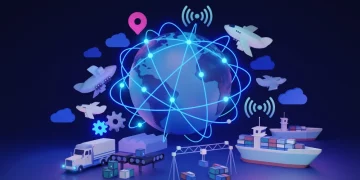
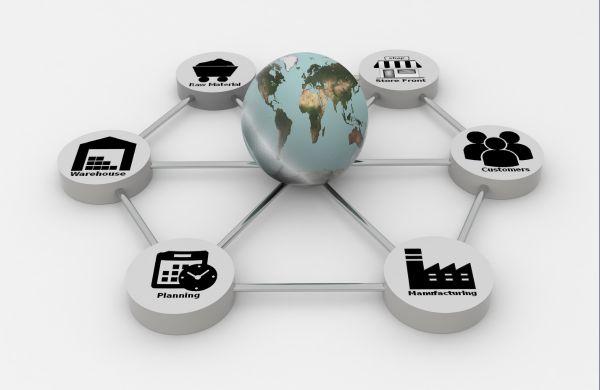
The global supply chain ecosystem is vast and intricate, involving numerous stakeholders, suppliers, manufacturers, distributors, and retailers. This complexity often leads to challenges related to inefficiency, fraud, lack of transparency, and poor traceability of goods. In an era where consumers, businesses, and governments are demanding more accountability, businesses must adapt to a rapidly evolving landscape. Blockchain technology, with its promises of decentralization, transparency, and security, has emerged as a transformative tool for solving many of these challenges.
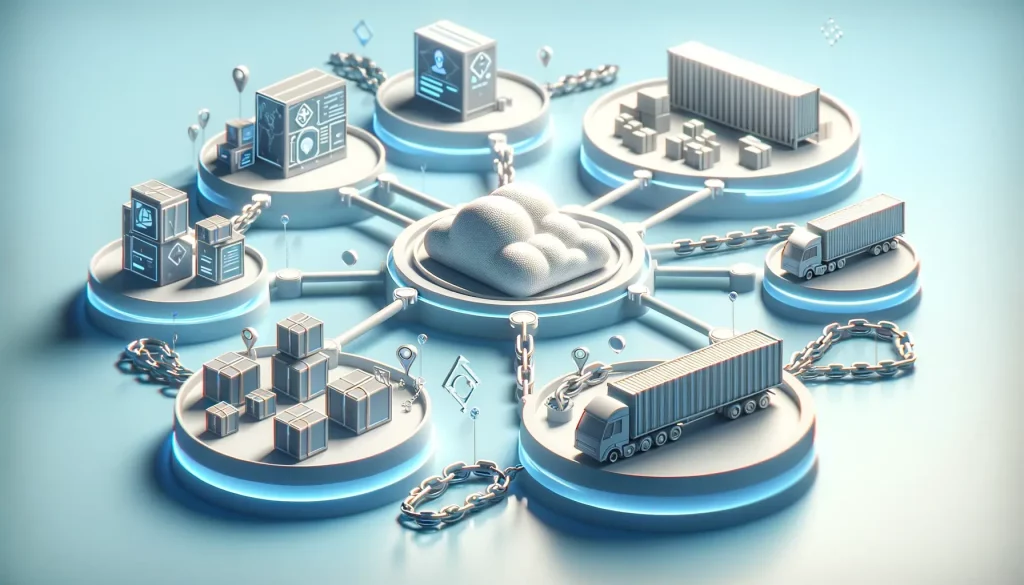
Blockchain offers a decentralized, tamper-resistant ledger that allows for real-time tracking and verification of products at every stage of the supply chain. From raw material sourcing to manufacturing, transportation, and final retail, blockchain’s potential to provide transparency and traceability is revolutionizing the way businesses manage their supply chains.
In this article, we will explore how blockchain technology enhances supply chain transparency and traceability. We will examine the benefits, challenges, real-world applications, and potential future developments that blockchain can bring to the supply chain sector.
Chapter 1: The Challenges of Traditional Supply Chains
1.1. Lack of Transparency
Traditional supply chains are often complex, with multiple intermediaries and lack of visibility into the entire process. This opacity makes it difficult for companies to monitor the authenticity, quality, and compliance of products, leading to inefficiencies, errors, and fraud. For example, tracing the origin of a product to ensure it meets ethical or environmental standards can be a time-consuming and error-prone process.
- Example: In the food industry, contamination or fraud can go unnoticed until it reaches the consumer, posing risks to health and safety.
- Impact: In industries such as food safety, pharmaceuticals, or luxury goods, lack of transparency can erode consumer trust, resulting in lost sales, legal consequences, and brand damage.
1.2. Difficulty in Verifying Product Authenticity
Counterfeit products are a major issue in many industries, including pharmaceuticals, electronics, and luxury goods. Counterfeit goods not only harm businesses financially, but they can also endanger consumers’ health and safety. Verification of product authenticity is challenging, especially when products pass through multiple hands, and documents or certifications can be altered.
- Example: Counterfeit drugs can be sold in place of genuine medicines, leading to health risks for consumers and potential harm to brand reputation for manufacturers.
- Impact: Verification of products often relies on paper-based systems or third-party certifiers, which are prone to manipulation and fraud.
1.3. Inefficiency and Lack of Real-time Data
In traditional supply chains, manual processes, siloed systems, and delayed data flow lead to inefficiencies. Businesses may experience delays in shipments, incorrect inventory levels, or discrepancies in invoices. This often results in overstocking, understocking, or shipping errors, which can negatively impact operational costs and customer satisfaction.
- Example: Supply chain disruptions (such as delays or theft) can go undetected until the goods reach their final destination, leading to lost sales and increased costs for the business.
- Impact: Businesses face higher operational costs, loss of productivity, and slower response times to customer demands.
1.4. Lack of Traceability for Sustainability
The growing focus on sustainability means that consumers and regulators demand better transparency about the environmental and ethical impact of products. For example, consumers want to know if the goods they purchase are sustainably sourced or produced under fair labor conditions. Traditional supply chains often lack the tools to provide this traceability, leading to difficulties in proving compliance.
- Example: Consumers of luxury goods, like diamonds or apparel, may be concerned about the ethical sourcing of raw materials.
- Impact: Brands can face reputational risks if they cannot verify their supply chain’s ethical and environmental standards.
Chapter 2: Blockchain Technology as a Solution
2.1. What is Blockchain?
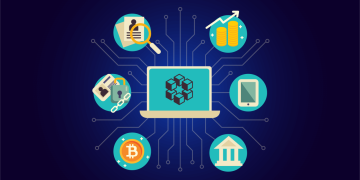
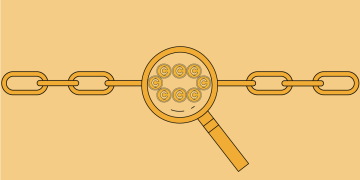
Blockchain is a decentralized digital ledger that records transactions across a network of computers in a way that is immutable and transparent. Once a transaction is recorded on a blockchain, it cannot be altered or deleted without the consensus of the network participants. Each block contains a list of transactions, and these blocks are linked together in a chronological chain.
- Core Features of Blockchain:
- Decentralization: There is no central authority controlling the network.
- Transparency: All transactions are visible to participants, creating an open and traceable record.
- Security: Blockchain’s cryptographic structure ensures data is secure and tamper-proof.
- Immutability: Once recorded, the data cannot be changed, which ensures the integrity of the transaction history.
2.2. Enhancing Transparency with Blockchain
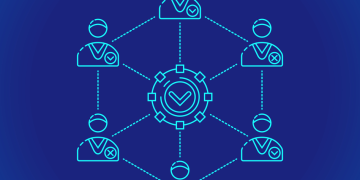
Blockchain enhances transparency by providing all stakeholders in the supply chain with real-time access to a shared ledger. Each transaction or movement of goods is recorded on the blockchain, and it is visible to all relevant parties in the supply chain network. This creates a single source of truth, reducing the possibility of discrepancies, fraud, or manipulation.
- Real-time Data Sharing: Blockchain enables immediate updates across the network, ensuring that all participants have access to the same data simultaneously.
- Elimination of Middlemen: The decentralized nature of blockchain removes the need for intermediaries, which reduces the chances of errors, delays, and potential fraud.
- Auditable History: Blockchain provides a clear and auditable history of transactions, which can be accessed at any time, allowing stakeholders to verify product origin, ownership, and status.
2.3. Improving Traceability with Blockchain
Traceability is one of the most compelling use cases for blockchain in supply chains. Every transaction or product movement on the blockchain is time-stamped and linked to a specific event or transaction. This makes it possible to track a product from its source, through the manufacturing process, to its final destination.
- Tracking Origins and Movements: Blockchain allows stakeholders to trace the origin and journey of a product, such as raw materials, across multiple touchpoints in the supply chain.
- Provenance Verification: For industries like luxury goods or pharmaceuticals, blockchain can authenticate the provenance of a product, ensuring its authenticity.
- Sustainability: Blockchain enables companies to demonstrate the ethical and environmental impact of their products by tracking the source of raw materials and the conditions under which they were produced.
2.4. Reducing Fraud and Counterfeiting
Since blockchain records all transactions in an immutable ledger, it is virtually impossible to alter the data. This makes it an ideal tool for combating fraud and counterfeiting in supply chains. By linking products to verified blockchain records, companies can ensure that each product is genuine and traceable to its original source.
- Example: A pharmaceutical company can use blockchain to track a drug’s entire journey from the manufacturer to the pharmacy, ensuring that the product is not tampered with or counterfeit.
- Impact: Blockchain reduces the chances of fraud, increasing trust among consumers and protecting brand integrity.
Chapter 3: Real-world Applications of Blockchain in Supply Chains
3.1. Food Supply Chain: Enhancing Safety and Trust
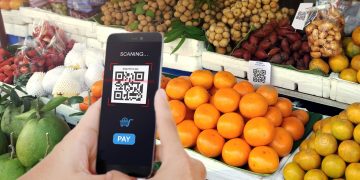
The food industry has been one of the early adopters of blockchain technology to improve traceability and transparency. Blockchain allows companies to trace the origin of food products, ensuring that they meet quality and safety standards.
- Example: Walmart and IBM partnered to use blockchain for tracking the origins of food products. With blockchain, Walmart can trace the journey of produce in seconds, ensuring faster recalls if food contamination occurs.
- Impact: Blockchain’s ability to trace the journey of food products improves food safety, enhances consumer trust, and ensures compliance with regulatory standards.
3.2. Pharmaceutical Supply Chains: Combatting Counterfeiting
The pharmaceutical industry faces a major challenge in combating counterfeit drugs, which can have disastrous consequences for patient safety. Blockchain enables pharmaceutical companies to track drugs from production to the end consumer, verifying authenticity and ensuring that drugs are not tampered with during distribution.
- Example: MediLedger, a blockchain-based project in the pharmaceutical industry, helps companies track prescription drugs and ensure compliance with the Drug Supply Chain Security Act (DSCSA).
- Impact: Blockchain enhances drug safety, reduces the risk of counterfeit drugs entering the supply chain, and improves compliance with regulatory standards.
3.3. Luxury Goods: Verifying Authenticity
The luxury goods industry has been plagued by counterfeiting. Blockchain can provide a tamper-proof record of authenticity, ensuring that high-value items such as diamonds, designer handbags, and watches are genuine and traceable to their origin.
- Example: Everledger uses blockchain to track the provenance of diamonds, helping to verify their authenticity and provide transparency to buyers.
- Impact: Blockchain ensures that luxury goods are genuine, reduces the risk of fraud, and enhances the consumer experience.
3.4. Retail and E-commerce: Ensuring Product Integrity
In retail and e-commerce, blockchain can help businesses maintain product integrity throughout the supply chain. From clothing to electronics, blockchain can authenticate product provenance, ensure quality standards, and provide consumers with the information they need to make informed purchasing decisions.
- Example: Companies like De Beers and LVMH are integrating blockchain to authenticate and track the provenance of diamonds and luxury goods in real time.
- Impact: Blockchain improves customer confidence, protects brand reputation, and enhances product verification.
Chapter 4: The Future of Blockchain in Supply Chains
4.1. Increased Adoption Across Industries
As blockchain technology matures, more industries will adopt it to streamline their supply chains. From automating inventory management to ensuring product authenticity, blockchain will play an increasing role in every part of the supply chain. Industries like automotive, fashion, electronics, and agriculture will see more widespread adoption of blockchain.
4.2. Integration with IoT and AI
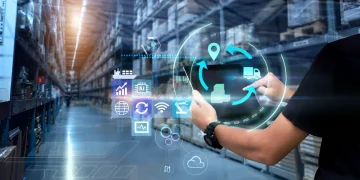
The integration of blockchain with Internet of Things (IoT) devices and Artificial Intelligence (AI) can further enhance supply chain management. IoT devices can capture data in real time, and AI can analyze this data to make decisions about inventory, shipping, and procurement. Combined with blockchain, these technologies can create more efficient, responsive, and transparent supply chains.
4.3. Regulatory and Standardization Challenges
One challenge in the widespread adoption of blockchain is the need for global standards and regulatory frameworks. For blockchain to be effective across different industries, governments and international organizations will need to collaborate on creating uniform standards for data sharing, security, and compliance.
4.4. Scalability and Cost Concerns
Although blockchain offers many benefits, scalability and cost can be issues for businesses looking to implement the technology. High transaction costs and network congestion may slow down adoption in large-scale supply chains. Solutions such as layer-2 protocols or private blockchains could mitigate these challenges.
Conclusion
Blockchain technology is revolutionizing the way businesses manage their supply chains. By enhancing transparency, improving traceability, and reducing fraud, blockchain offers immense potential to streamline operations and build consumer trust. The integration of blockchain in supply chains allows for real-time data sharing, authenticated product provenance, and ethical sourcing, all of which contribute to more responsible, sustainable business practices.
While challenges such as scalability, regulation, and cost remain, the future of blockchain in supply chains looks promising. As the technology matures and more industries adopt it, blockchain will play an increasingly central role in creating transparent, secure, and efficient global supply chains.