































BlockChainIndex.net
  • Home
  • Chain Core
    Cross-Chain Compatibility: Addressing the Challenges and Solutions

    Cross-Chain Compatibility: Addressing the Challenges and Solutions

    The Security Issues of Consensus Mechanisms: An Ongoing Debate

    The Security Issues of Consensus Mechanisms: An Ongoing Debate

    The Lightning Network: The Most Famous Layer 2 Solution on Bitcoin

    The Lightning Network: The Most Famous Layer 2 Solution on Bitcoin

    Consensus Mechanisms of Layer 1 and Layer 2: The Backbone of Blockchain Scalability

    Consensus Mechanisms of Layer 1 and Layer 2: The Backbone of Blockchain Scalability

    Proof of Stake vs Proof of Work

    Proof of Stake vs Proof of Work

    Multi-Consensus Algorithms: Evolving the Future of Blockchain Technology

    Multi-Consensus Algorithms: Evolving the Future of Blockchain Technology

  • Crypto Markets
    Sustainable Yield: Unlocking the Potential for Long-Term Financial Growth

    Sustainable Yield: Unlocking the Potential for Long-Term Financial Growth

    Market Sentiment and Macroeconomic Factors: Interactions and Impacts

    Market Sentiment and Macroeconomic Factors: Interactions and Impacts

    Leveraging On-Chain Data for Real-Time Market Analysis and Intelligence for Investors

    Leveraging On-Chain Data for Real-Time Market Analysis and Intelligence for Investors

    The Stock-to-Flow Model: Analyzing Bitcoin’s Scarcity and Price Predictions

    The Stock-to-Flow Model: Analyzing Bitcoin’s Scarcity and Price Predictions

    Bitcoin Price Volatility and Its Impact on the Entire Market Trend

    Bitcoin Price Volatility and Its Impact on the Entire Market Trend

    The Shifting Dominance of Bitcoin in the Cryptocurrency Market: A Key Indicator for Market Analysis

    The Shifting Dominance of Bitcoin in the Cryptocurrency Market: A Key Indicator for Market Analysis

  • Enterprise Chain
    Electronic Health Records (EHR): Transforming Healthcare for the Future

    Electronic Health Records (EHR): Transforming Healthcare for the Future

    The Integration of Supply Chains and the Internet of Things (IoT)

    The Integration of Supply Chains and the Internet of Things (IoT)

    Supply Chain Financing and Payments

    Supply Chain Financing and Payments

    Optimizing Supply Chain Protocols with Smart Contracts

    Optimizing Supply Chain Protocols with Smart Contracts

    Walmart and IBM’s Food Safety Blockchain Collaboration: Using Blockchain Technology to Track Food Sources and Movement

    Walmart and IBM’s Food Safety Blockchain Collaboration: Using Blockchain Technology to Track Food Sources and Movement

    Global Food Traceability: Ensuring Safety, Transparency, and Sustainability in the Food Supply Chain

    Global Food Traceability: Ensuring Safety, Transparency, and Sustainability in the Food Supply Chain

  • NFT Frontier
    Environmental Concerns in the NFT Industry: Balancing Innovation with Sustainability

    Environmental Concerns in the NFT Industry: Balancing Innovation with Sustainability

    NFT Copyright and Intellectual Property Issues

    NFT Copyright and Intellectual Property Issues

    Decentralization of the Art Market: A New Era of Digital Ownership

    Decentralization of the Art Market: A New Era of Digital Ownership

    NFTs Disrupting the Traditional Art Market

    NFTs Disrupting the Traditional Art Market

    The Explosion of Digital Art and the NFT Market: Revolutionizing the Art World

    The Explosion of Digital Art and the NFT Market: Revolutionizing the Art World

    Emerging Trends in Digital Collectibles: The Future of Ownership in the Digital Age

    Emerging Trends in Digital Collectibles: The Future of Ownership in the Digital Age

  • On-Chain Lens
    Balancing Privacy and Security: A Critical Exploration in the Digital Age

    Balancing Privacy and Security: A Critical Exploration in the Digital Age

    Despite Blockchain Transactions Being Public and Transparent, the Anonymity of Wallets Remains a Challenge

    Despite Blockchain Transactions Being Public and Transparent, the Anonymity of Wallets Remains a Challenge

    Wallet and Smart Contract Interaction: Key Analysis Objects of On-Chain Lens Technology

    Wallet and Smart Contract Interaction: Key Analysis Objects of On-Chain Lens Technology

    On-Chain Lens: Analyzing the Flow of Funds Between Wallets Using Blockchain’s Public Ledger

    On-Chain Lens: Analyzing the Flow of Funds Between Wallets Using Blockchain’s Public Ledger

    Tracking and Analyzing Capital Flows: A Comprehensive Guide to Understanding Financial Movements

    Tracking and Analyzing Capital Flows: A Comprehensive Guide to Understanding Financial Movements

    Wallet Behavior Analysis: The Core of On-Chain Lens Technology

    Wallet Behavior Analysis: The Core of On-Chain Lens Technology

  • Reg Radar
    Building Compliance Frameworks: The Increasing Importance for Crypto Companies in Addressing Regulatory Challenges

    Building Compliance Frameworks: The Increasing Importance for Crypto Companies in Addressing Regulatory Challenges

    Global Consistency and Diversity: Navigating the Balance in a Connected World

    Global Consistency and Diversity: Navigating the Balance in a Connected World

    The European Union’s MiCA Regulation: A New Era for Crypto-Asset Regulation

    The European Union’s MiCA Regulation: A New Era for Crypto-Asset Regulation

    The Evolving Regulatory Landscape: Challenges and Opportunities for Crypto Businesses

    The Evolving Regulatory Landscape: Challenges and Opportunities for Crypto Businesses

    The Evolving Regulatory Frameworks Across Global Regions: Progress and Adjustments in the Face of Emerging Challenges

    The Evolving Regulatory Frameworks Across Global Regions: Progress and Adjustments in the Face of Emerging Challenges

    The U.S. SEC: One of the Most Important Regulatory Bodies for the Crypto Market

    The U.S. SEC: One of the Most Important Regulatory Bodies for the Crypto Market

BlockChainIndex.net
  • Home
  • Chain Core
    Cross-Chain Compatibility: Addressing the Challenges and Solutions

    Cross-Chain Compatibility: Addressing the Challenges and Solutions

    The Security Issues of Consensus Mechanisms: An Ongoing Debate

    The Security Issues of Consensus Mechanisms: An Ongoing Debate

    The Lightning Network: The Most Famous Layer 2 Solution on Bitcoin

    The Lightning Network: The Most Famous Layer 2 Solution on Bitcoin

    Consensus Mechanisms of Layer 1 and Layer 2: The Backbone of Blockchain Scalability

    Consensus Mechanisms of Layer 1 and Layer 2: The Backbone of Blockchain Scalability

    Proof of Stake vs Proof of Work

    Proof of Stake vs Proof of Work

    Multi-Consensus Algorithms: Evolving the Future of Blockchain Technology

    Multi-Consensus Algorithms: Evolving the Future of Blockchain Technology

  • Crypto Markets
    Sustainable Yield: Unlocking the Potential for Long-Term Financial Growth

    Sustainable Yield: Unlocking the Potential for Long-Term Financial Growth

    Market Sentiment and Macroeconomic Factors: Interactions and Impacts

    Market Sentiment and Macroeconomic Factors: Interactions and Impacts

    Leveraging On-Chain Data for Real-Time Market Analysis and Intelligence for Investors

    Leveraging On-Chain Data for Real-Time Market Analysis and Intelligence for Investors

    The Stock-to-Flow Model: Analyzing Bitcoin’s Scarcity and Price Predictions

    The Stock-to-Flow Model: Analyzing Bitcoin’s Scarcity and Price Predictions

    Bitcoin Price Volatility and Its Impact on the Entire Market Trend

    Bitcoin Price Volatility and Its Impact on the Entire Market Trend

    The Shifting Dominance of Bitcoin in the Cryptocurrency Market: A Key Indicator for Market Analysis

    The Shifting Dominance of Bitcoin in the Cryptocurrency Market: A Key Indicator for Market Analysis

  • Enterprise Chain
    Electronic Health Records (EHR): Transforming Healthcare for the Future

    Electronic Health Records (EHR): Transforming Healthcare for the Future

    The Integration of Supply Chains and the Internet of Things (IoT)

    The Integration of Supply Chains and the Internet of Things (IoT)

    Supply Chain Financing and Payments

    Supply Chain Financing and Payments

    Optimizing Supply Chain Protocols with Smart Contracts

    Optimizing Supply Chain Protocols with Smart Contracts

    Walmart and IBM’s Food Safety Blockchain Collaboration: Using Blockchain Technology to Track Food Sources and Movement

    Walmart and IBM’s Food Safety Blockchain Collaboration: Using Blockchain Technology to Track Food Sources and Movement

    Global Food Traceability: Ensuring Safety, Transparency, and Sustainability in the Food Supply Chain

    Global Food Traceability: Ensuring Safety, Transparency, and Sustainability in the Food Supply Chain

  • NFT Frontier
    Environmental Concerns in the NFT Industry: Balancing Innovation with Sustainability

    Environmental Concerns in the NFT Industry: Balancing Innovation with Sustainability

    NFT Copyright and Intellectual Property Issues

    NFT Copyright and Intellectual Property Issues

    Decentralization of the Art Market: A New Era of Digital Ownership

    Decentralization of the Art Market: A New Era of Digital Ownership

    NFTs Disrupting the Traditional Art Market

    NFTs Disrupting the Traditional Art Market

    The Explosion of Digital Art and the NFT Market: Revolutionizing the Art World

    The Explosion of Digital Art and the NFT Market: Revolutionizing the Art World

    Emerging Trends in Digital Collectibles: The Future of Ownership in the Digital Age

    Emerging Trends in Digital Collectibles: The Future of Ownership in the Digital Age

  • On-Chain Lens
    Balancing Privacy and Security: A Critical Exploration in the Digital Age

    Balancing Privacy and Security: A Critical Exploration in the Digital Age

    Despite Blockchain Transactions Being Public and Transparent, the Anonymity of Wallets Remains a Challenge

    Despite Blockchain Transactions Being Public and Transparent, the Anonymity of Wallets Remains a Challenge

    Wallet and Smart Contract Interaction: Key Analysis Objects of On-Chain Lens Technology

    Wallet and Smart Contract Interaction: Key Analysis Objects of On-Chain Lens Technology

    On-Chain Lens: Analyzing the Flow of Funds Between Wallets Using Blockchain’s Public Ledger

    On-Chain Lens: Analyzing the Flow of Funds Between Wallets Using Blockchain’s Public Ledger

    Tracking and Analyzing Capital Flows: A Comprehensive Guide to Understanding Financial Movements

    Tracking and Analyzing Capital Flows: A Comprehensive Guide to Understanding Financial Movements

    Wallet Behavior Analysis: The Core of On-Chain Lens Technology

    Wallet Behavior Analysis: The Core of On-Chain Lens Technology

  • Reg Radar
    Building Compliance Frameworks: The Increasing Importance for Crypto Companies in Addressing Regulatory Challenges

    Building Compliance Frameworks: The Increasing Importance for Crypto Companies in Addressing Regulatory Challenges

    Global Consistency and Diversity: Navigating the Balance in a Connected World

    Global Consistency and Diversity: Navigating the Balance in a Connected World

    The European Union’s MiCA Regulation: A New Era for Crypto-Asset Regulation

    The European Union’s MiCA Regulation: A New Era for Crypto-Asset Regulation

    The Evolving Regulatory Landscape: Challenges and Opportunities for Crypto Businesses

    The Evolving Regulatory Landscape: Challenges and Opportunities for Crypto Businesses

    The Evolving Regulatory Frameworks Across Global Regions: Progress and Adjustments in the Face of Emerging Challenges

    The Evolving Regulatory Frameworks Across Global Regions: Progress and Adjustments in the Face of Emerging Challenges

    The U.S. SEC: One of the Most Important Regulatory Bodies for the Crypto Market

    The U.S. SEC: One of the Most Important Regulatory Bodies for the Crypto Market

BlockChainIndex.net
No Result
View All Result
Home Reg Radar

Global Consistency and Diversity: Navigating the Balance in a Connected World

November 29, 2025
in Reg Radar
Global Consistency and Diversity: Navigating the Balance in a Connected World

Introduction

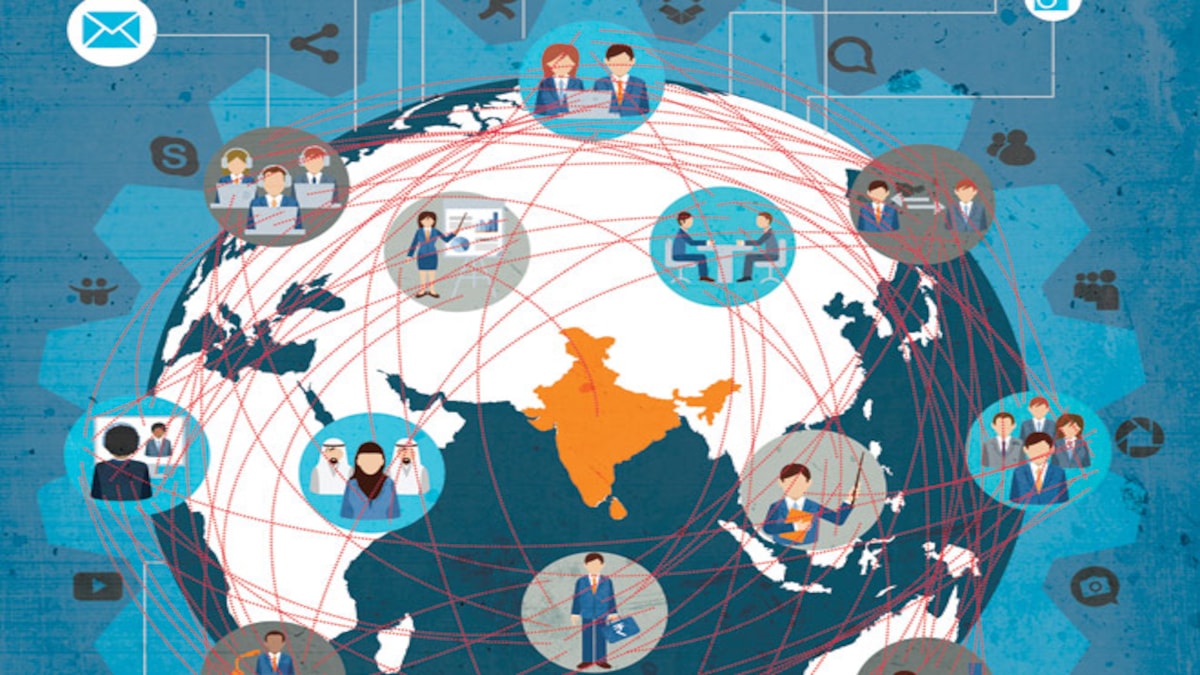
In an increasingly interconnected world, the concepts of global consistency and cultural diversity have become central to how societies, businesses, and governments interact with each other. On one hand, the pursuit of global consistency aims for shared standards, universal norms, and standardized practices across countries. On the other hand, the celebration of diversity recognizes the distinct cultural, social, and political identities that shape how individuals and communities engage with the world.

The tension between consistency and diversity is palpable across various fields—from international business and trade to education, governance, and technology. While globalization has made it easier for people, ideas, and goods to cross borders, it has also brought to the forefront challenges in balancing global integration with the preservation of local and regional identities. The clash of standardized global practices with the nuances of local cultures often leads to difficult choices, with both positive and negative consequences.

This article will explore the intersection of global consistency and cultural diversity, examining how these forces shape our world. We will discuss how they manifest in different spheres of life, the benefits and challenges associated with balancing these concepts, and how organizations, governments, and individuals can navigate this delicate balance.


The Rise of Global Consistency: A Unifying Force

Global consistency refers to the alignment of practices, policies, and values across national borders. This concept is often championed by large corporations, international organizations, and policymakers who seek to create a unified global system that reduces friction, fosters economic growth, and increases efficiency. The drive for consistency can be observed in various domains, including business practices, trade agreements, technological standards, and even legal frameworks.

1. Globalization and Standardization

One of the most prominent drivers of global consistency is globalization. As trade barriers have come down, travel has become easier, and technology has advanced, nations and organizations have increasingly adopted standardized systems. For example, the global adoption of ISO standards (International Organization for Standardization) in fields like manufacturing, technology, and environmental protection ensures that products meet similar quality and safety requirements across the world. This standardization reduces the costs and risks associated with international trade, improves efficiency, and facilitates cross-border communication.

In the tech industry, global consistency is evident in the widespread use of the Internet Protocol (IP) for networking and data transmission. The Unicode Standard, which ensures that characters and symbols are universally recognized across digital platforms, is another example. These technical standards make it easier for people around the world to communicate, exchange information, and use technologies in a consistent and reliable manner.

2. International Business Practices

In the business world, global consistency often manifests in the form of corporate practices and strategies that transcend national borders. Multinational corporations (MNCs) often create standardized operating procedures, products, and marketing strategies that can be deployed across different markets. Brands like McDonald’s, Coca-Cola, and Apple have achieved global recognition by maintaining consistent brand messaging, product offerings, and customer experiences in different countries.

For instance, McDonald’s serves a standard menu in most countries, with only minor adjustments based on local tastes and dietary restrictions. Coca-Cola, too, maintains a consistent global brand identity, using the same logo, advertising, and packaging designs across the world. While these companies adapt to local preferences, they rely on a strong sense of global consistency to maintain their market presence and brand value.

3. Political and Legal Consistency

In addition to business and technology, the pursuit of global consistency can also be observed in the political and legal arenas. International agreements, such as the Paris Agreement on climate change, seek to establish common goals and standards for countries around the world to address global challenges. Similarly, human rights conventions and international trade laws aim to create a consistent framework for protecting individuals’ rights and promoting fair commerce on a global scale.

Global institutions like the United Nations (UN) and the World Trade Organization (WTO) play a central role in promoting global consistency by facilitating dialogue, creating treaties, and setting standards that guide the behavior of member states. These efforts aim to create a more predictable and harmonious global order, where nations can cooperate to address issues like conflict resolution, economic development, and environmental sustainability.


The Power of Diversity: Embracing Cultural Differences

While global consistency is valuable in fostering interconnectedness and streamlining global processes, it is important to remember that cultural diversity remains a key aspect of human society. Diversity refers to the rich variety of cultural, social, and political traditions that shape different societies and their members. Each culture has its own history, language, customs, values, and belief systems, all of which contribute to the fabric of humanity.

1. Cultural Identity and Self-Expression

At the heart of cultural diversity is the idea that individuals and communities should have the freedom to preserve and express their unique identities. Cultural heritage—whether through language, religion, food, art, or traditions—gives people a sense of belonging and helps shape their worldview. Embracing cultural diversity means recognizing and celebrating these differences rather than erasing them in favor of uniformity.

For instance, in the realm of global education, students from different parts of the world bring diverse perspectives, learning styles, and knowledge systems to the classroom. This diversity enriches the learning experience for everyone involved, fostering mutual respect and understanding. Similarly, in international cultural exchange programs, people from different countries come together to share their traditions, languages, and customs, promoting cross-cultural learning and collaboration.

2. The Business Case for Diversity

In the business world, embracing diversity can lead to significant advantages. Diverse teams have been shown to be more innovative, creative, and adaptable, as they bring together a range of perspectives, experiences, and problem-solving approaches. Companies that prioritize diversity in their hiring practices and organizational structures often outperform their competitors in terms of financial performance, employee satisfaction, and customer engagement.

Research has found that companies with diverse leadership teams are more likely to understand and cater to a broader range of consumer needs. This is particularly important in a globalized economy, where companies need to be attuned to the preferences and expectations of diverse markets. A diverse workforce can also help businesses build stronger relationships with international clients and partners, as they are better equipped to navigate the complexities of different cultural contexts.

3. The Role of Diversity in Innovation

Cultural diversity is also a powerful driver of innovation. When people from different cultural backgrounds collaborate, they bring unique perspectives that can spark new ideas and solutions. Cross-cultural innovation often occurs when individuals challenge conventional thinking and approach problems from different angles. For example, a team consisting of members from various countries might design a product or service that appeals to a global audience, integrating features and functionalities that cater to different cultural preferences.

In the technology sector, diversity plays a crucial role in developing products that are accessible and relevant to people around the world. Companies like Google, Microsoft, and Netflix invest heavily in diverse teams to ensure that their products and services meet the needs of a global customer base. By understanding and incorporating diverse cultural perspectives, these companies can create more inclusive and user-friendly technologies.


Balancing Consistency and Diversity: The Challenges

While both global consistency and cultural diversity offer significant benefits, the challenge lies in balancing these two forces. On one hand, global consistency fosters cooperation, reduces friction, and creates a more predictable global system. On the other hand, cultural diversity ensures that local traditions, values, and identities are respected and celebrated.

1. The Risk of Cultural Homogenization

One of the biggest challenges associated with the pursuit of global consistency is the risk of cultural homogenization. As multinational corporations expand their reach and global standards become more widespread, there is a concern that local cultures and traditions may be overshadowed by dominant global practices. For example, the proliferation of Western consumer brands and media content in developing countries has led some to worry that local cultures and customs are being diluted or erased.

The spread of Western-style consumerism, fashion, and entertainment has been particularly noticeable in countries like India and China, where traditional values and practices are increasingly being replaced by global trends. This can lead to a loss of cultural diversity, as people start to prioritize global norms over their indigenous identities and practices.

2. The Need for Cultural Sensitivity

In international business, the need for cultural sensitivity is crucial when navigating the balance between consistency and diversity. For example, marketing campaigns that work well in one country may not resonate in another due to cultural differences. A global brand may need to adapt its messaging, products, or services to fit local cultural contexts while maintaining its core values and identity. This requires a deep understanding of the local market, consumer behavior, and cultural norms.

For instance, McDonald’s, despite its standardized menu, has introduced local variations of its products in many countries, such as the McAloo Tikki burger in India or the Teriyaki McBurger in Japan. These adaptations allow McDonald’s to cater to local tastes while maintaining its global brand identity. Similarly, when launching in new markets, companies must navigate issues related to language, symbolism, and religious or cultural sensitivities.


Moving Forward: A Harmonious Coexistence

In the future, the key to success in a globalized world will lie in finding a harmonious balance between global consistency and cultural diversity. Organizations, governments, and individuals must recognize the value of both forces and work to integrate them in a way that fosters global collaboration while respecting local differences.

1. Inclusive Global Governance

International institutions and governance structures must continue to evolve in order to accommodate the diverse needs of different regions and cultures. Instead of imposing one-size-fits-all solutions, global policies should be flexible enough to allow for local adaptation and cultural sensitivity. This is particularly important in areas like climate change, human rights, and economic development, where local context plays a significant role in determining the most effective solutions.

2. Corporate Responsibility and Ethical Globalization

Businesses also have a responsibility to promote ethical globalization by ensuring that their operations do not exploit local cultures or communities. This includes being mindful of cultural heritage, promoting fair labor practices, and fostering inclusive growth that benefits all stakeholders. Companies that embrace diversity and respect cultural differences will be better positioned for long-term success in a rapidly changing world.


Conclusion

In conclusion, global consistency and cultural diversity are not mutually exclusive but are rather two complementary forces that shape our interconnected world. The challenge lies in finding ways to harmonize these concepts in a way that promotes collaboration, innovation, and respect for local identities. By recognizing the importance of both, we can build a more inclusive, equitable, and sustainable global future—one that celebrates the richness of human diversity while embracing the benefits of shared standards and practices.

Tags: DiversityGlobal ConsistencyReg Radar
ShareTweetShare

Related Posts

Building Compliance Frameworks: The Increasing Importance for Crypto Companies in Addressing Regulatory Challenges
Reg Radar

Building Compliance Frameworks: The Increasing Importance for Crypto Companies in Addressing Regulatory Challenges

November 30, 2025
The European Union’s MiCA Regulation: A New Era for Crypto-Asset Regulation
Reg Radar

The European Union’s MiCA Regulation: A New Era for Crypto-Asset Regulation

November 28, 2025
The Evolving Regulatory Landscape: Challenges and Opportunities for Crypto Businesses
Reg Radar

The Evolving Regulatory Landscape: Challenges and Opportunities for Crypto Businesses

November 27, 2025
The Evolving Regulatory Frameworks Across Global Regions: Progress and Adjustments in the Face of Emerging Challenges
Reg Radar

The Evolving Regulatory Frameworks Across Global Regions: Progress and Adjustments in the Face of Emerging Challenges

November 26, 2025
The U.S. SEC: One of the Most Important Regulatory Bodies for the Crypto Market
Reg Radar

The U.S. SEC: One of the Most Important Regulatory Bodies for the Crypto Market

November 25, 2025
Integrating National Regulatory Policies and Dynamic Updates to Help Enterprises Avoid Compliance Risks Stemming from Cross-Border Transactions
Reg Radar

Integrating National Regulatory Policies and Dynamic Updates to Help Enterprises Avoid Compliance Risks Stemming from Cross-Border Transactions

October 21, 2025
Leave Comment
  • Trending
  • Comments
  • Latest
Combining Virtual Reality in the Metaverse with NFTs: Creating Richer Digital Experiences and Business Models

Combining Virtual Reality in the Metaverse with NFTs: Creating Richer Digital Experiences and Business Models

October 21, 2025
Leveraging Limited Edition NFT Merchandise to Attract Young Consumers, Enhance Brand Uniqueness, and Build Loyalty

Leveraging Limited Edition NFT Merchandise to Attract Young Consumers, Enhance Brand Uniqueness, and Build Loyalty

October 21, 2025
The Explosive Growth of the NFT Art Market: Scale, Activity, and Future Prospects

The Explosive Growth of the NFT Art Market: Scale, Activity, and Future Prospects

October 21, 2025
Brands and the Future of Commerce: Selling Virtual Goods through NFTs Tied to Physical Products

Brands and the Future of Commerce: Selling Virtual Goods through NFTs Tied to Physical Products

October 21, 2025
The Future Development Trend of Bitcoin

The Future Development Trend of Bitcoin

The Rise of Layer 2 Technology: Scaling Ethereum with Solutions like Optimism and Arbitrum

The Rise of Layer 2 Technology: Scaling Ethereum with Solutions like Optimism and Arbitrum

How Businesses Can Enhance Supply Chain Flexibility and Resilience Through Diversified Sourcing, Localized Production, and Risk Management Frameworks to Face Future Global Crises or Geopolitical Risks

How Businesses Can Enhance Supply Chain Flexibility and Resilience Through Diversified Sourcing, Localized Production, and Risk Management Frameworks to Face Future Global Crises or Geopolitical Risks

The Role of Blockchain in the Metaverse: New Infrastructure for the Virtual World

The Role of Blockchain in the Metaverse: New Infrastructure for the Virtual World

Environmental Concerns in the NFT Industry: Balancing Innovation with Sustainability

Environmental Concerns in the NFT Industry: Balancing Innovation with Sustainability

December 1, 2025
Electronic Health Records (EHR): Transforming Healthcare for the Future

Electronic Health Records (EHR): Transforming Healthcare for the Future

December 1, 2025
Sustainable Yield: Unlocking the Potential for Long-Term Financial Growth

Sustainable Yield: Unlocking the Potential for Long-Term Financial Growth

December 1, 2025
Cross-Chain Compatibility: Addressing the Challenges and Solutions

Cross-Chain Compatibility: Addressing the Challenges and Solutions

December 1, 2025
BlockChainIndex.net

From Layer2 technical deep dives to NFT market forecasting, we curate professional perspectives through on-chain analytics and industry expert collaborations. Stay ahead in blockchain innovation.

© 2025 blockchainindex.com. contacts:[email protected]

No Result
View All Result
  • Home
  • Chain Core
  • Crypto Markets
  • Enterprise Chain
  • NFT Frontier
  • On-Chain Lens
  • Reg Radar

© 2025 blockchainindex.com. contacts:[email protected]

Welcome Back!

Login to your account below

Forgotten Password?

Retrieve your password

Please enter your username or email address to reset your password.

Log In