








1. Introduction
1.1 Understanding NFTs in the Art World
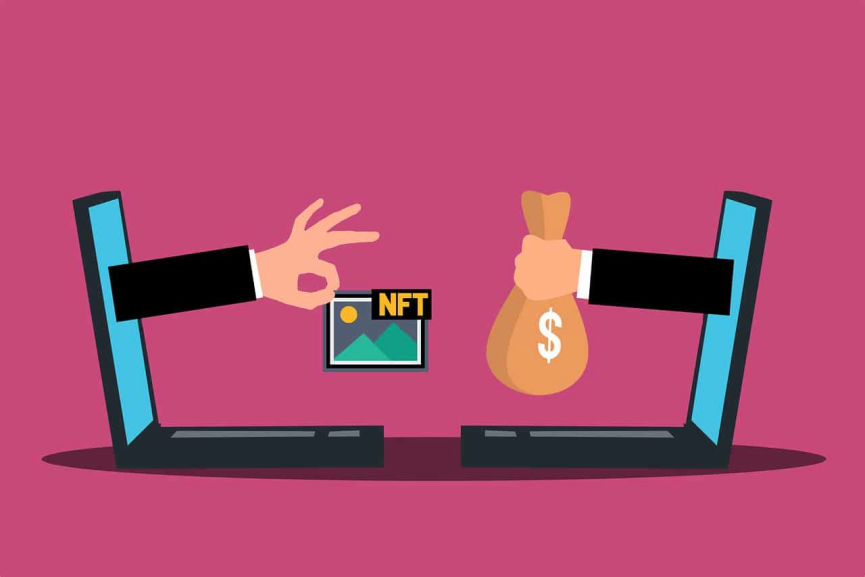
NFTs, or Non-Fungible Tokens, are unique digital assets that represent ownership or proof of authenticity of a particular item, most commonly digital art, on a blockchain. Each NFT is distinct and cannot be exchanged on a one-to-one basis like cryptocurrencies (Bitcoin, Ethereum), making them ideal for representing rare or one-of-a-kind items. In the art world, NFTs provide artists and collectors with a new way to manage ownership, provenance, and scarcity, which are traditionally difficult to establish in the digital domain.
The rise of NFTs in the art market has opened new avenues for digital creators, leading to record-breaking sales, institutional investment, and a growing audience. This shift has altered the dynamics of art ownership, valuation, and trading, creating opportunities for both established and emerging artists.
1.2 The Surge of the NFT Art Market
The NFT art market’s growth has been meteoric. In 2020, the global NFT market was valued at $250 million, and by 2021, that figure had jumped to an estimated $17 billion. The sales of NFT artworks have shattered records, with single pieces fetching millions of dollars at auction houses such as Christie’s and Sotheby’s. This growth is not just reflected in the sales numbers but also in the broader adoption of NFTs as a legitimate and innovative medium for art creation.
2. The Anatomy of the NFT Art Market
2.1 Platforms and Marketplaces
A key driver of the NFT art market’s explosive growth is the development of online platforms and marketplaces where artists, collectors, and investors can trade NFTs. These platforms, often powered by blockchain technology, allow for seamless buying, selling, and ownership transfer of digital art.
Some of the most popular NFT marketplaces include:
- OpenSea: The largest and most well-known NFT marketplace, OpenSea supports the buying and selling of a wide range of digital assets, from art to collectibles.
- Rarible: A decentralized platform that allows users to create, sell, and purchase NFTs with ease. Rarible also introduced a governance token (RARI) that lets users vote on platform updates.
- SuperRare: A curated marketplace that focuses on high-quality digital artwork from established and emerging artists.
- Foundation: A platform for artists to mint and auction their NFTs. Foundation has quickly gained popularity due to its artist-focused approach and community-driven ethos.
- Nifty Gateway: A platform that partners with renowned artists and brands to launch NFT collections. Nifty Gateway also allows users to purchase NFTs using traditional fiat currencies.
These platforms have created a fluid and dynamic market that attracts artists, collectors, and investors alike. The ease of minting NFTs, combined with the transparency and security provided by blockchain technology, has contributed to the rapid rise in both the scale and activity of the NFT art market.
2.2 The Role of Blockchain in NFT Art
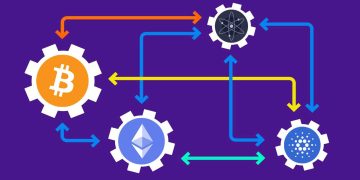
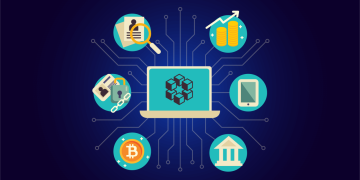
At the heart of NFTs is blockchain technology, which acts as a decentralized ledger for recording transactions and verifying ownership. The most commonly used blockchains for minting NFTs are Ethereum (ETH) and Flow, though others such as Solana and Tezos are also gaining traction.
Blockchain ensures the provenance of digital art, making it possible for artists and collectors to verify the originality and authenticity of the work. This is especially important in a digital environment, where the ease of replication has historically posed a challenge to owning and selling unique works of art.
By using smart contracts, blockchain also enables creators to receive royalties automatically every time their work is resold, ensuring ongoing revenue streams for artists.
3. The Economic Impact of the NFT Art Market
3.1 Record-Breaking NFT Sales
The explosive rise of the NFT art market has led to eye-popping sales. In March 2021, an artwork by the digital artist Beeple, titled “Everydays: The First 5000 Days,” sold at Christie’s for $69.3 million, setting a new benchmark for digital art sales. This sale brought the concept of NFT art into mainstream consciousness and demonstrated the financial viability of digital art as an asset class.
Similarly, the work of other prominent digital artists like Pak, CryptoPunks (by Larva Labs), and WorldWideWeb by Kevin McCoy have all sold for millions, driving demand for digital art NFTs and expanding the global market.
3.2 Democratizing Art Ownership
NFTs have democratized art ownership by lowering the barriers to entry for both creators and collectors. In the traditional art world, gallery representation and auction houses have been critical to an artist’s success, with only a select few gaining exposure and recognition. However, NFTs provide artists with a direct connection to buyers, enabling them to monetize their work without relying on intermediaries.
For collectors, NFTs provide a new way to invest in art. Unlike physical art, which requires storage, insurance, and other costs, digital art NFTs can be easily transferred and stored on the blockchain. The NFT market also offers fractional ownership, enabling multiple buyers to invest in a single piece of digital art.
3.3 NFTs as Financial Assets
NFTs have evolved beyond mere collectibles to become a type of financial asset. Investors are buying NFTs not only as an artistic investment but also as speculative assets with the expectation of appreciating in value over time. As the market matures, NFTs may become increasingly integrated into traditional investment portfolios, potentially becoming part of broader financial markets.
NFTs have also introduced a new form of digital patronage, where collectors can support emerging artists directly through their purchases. The royalties feature, which ensures creators are paid each time their NFT is resold, fosters a sustainable economic model for digital artists.
4. Challenges in the NFT Art Market
4.1 Environmental Concerns
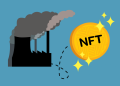
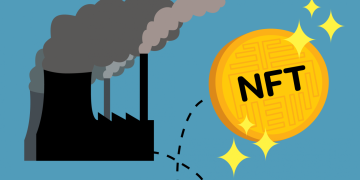
One of the major criticisms of NFTs, particularly those minted on Ethereum, is their environmental impact. Ethereum’s proof-of-work (PoW) consensus mechanism requires significant energy consumption, which has raised concerns about the carbon footprint associated with NFT transactions.
To address these concerns, the Ethereum network is transitioning to proof-of-stake (PoS), which is expected to drastically reduce energy usage. Other blockchain platforms such as Tezos and Flow use less energy-intensive consensus mechanisms, and they have positioned themselves as more eco-friendly alternatives for minting NFTs.
4.2 Market Volatility and Speculation
While NFTs have brought significant value to the art market, they are also highly volatile. Prices can fluctuate rapidly based on trends, speculation, and market sentiment. The speculative nature of NFT art can lead to “bubbles,” where the market overinflates before experiencing sharp corrections.
For artists, the pressure to continuously produce NFTs for sale can be overwhelming, and there is the risk that the market could become saturated with low-quality work, diminishing the value of individual pieces.
4.3 Legal and Copyright Issues
The ownership of NFTs, particularly concerning copyright, is still a grey area. While NFTs can prove ownership of a specific digital asset, they do not automatically confer intellectual property rights unless explicitly stated. This creates potential confusion for both creators and buyers about what is being bought and sold.
Additionally, issues around unauthorized use of art, including copying and selling NFT versions of artwork without consent, have raised concerns. As the NFT art market evolves, clearer legal frameworks and guidelines will be needed to ensure that artists’ rights are protected.
5. The Future of NFT Art
5.1 Mainstream Adoption of NFTs
The NFT art market is poised for continued growth, with increasing adoption by established galleries, museums, and auction houses. Traditional art institutions are beginning to embrace digital art and NFTs, with initiatives like the NFT Art Week in New York and Christie’s auctions dedicated to NFT art.
As the technology and understanding of NFTs become more widespread, more mainstream artists will likely experiment with the format, and major corporations may explore NFTs as a tool for brand engagement and digital marketing.
5.2 Interactivity and Augmented Reality
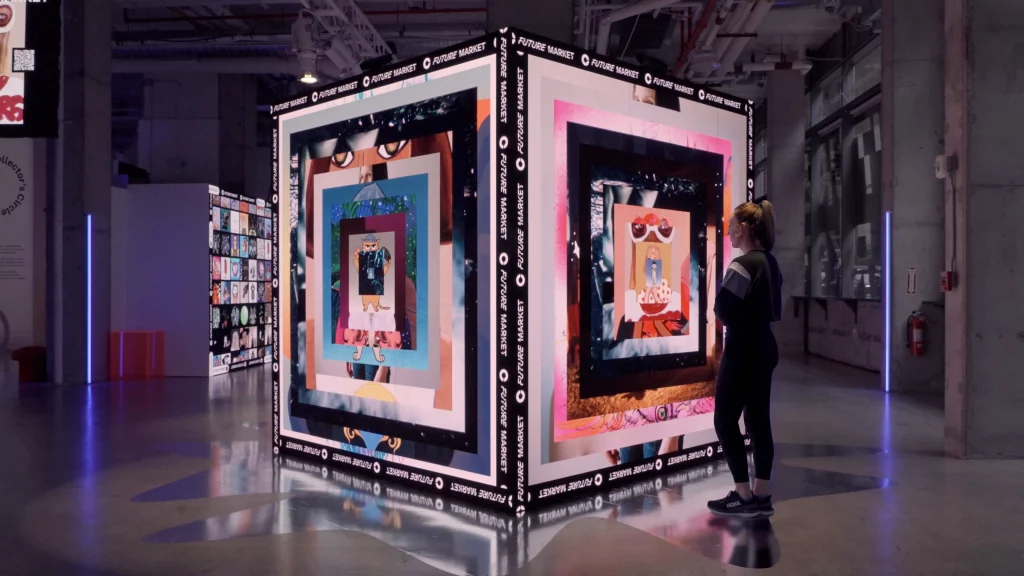
The future of NFT art may involve greater interactivity and integration with augmented reality (AR) and virtual reality (VR). Artists will be able to create multi-sensory, immersive experiences that extend beyond the static image. Virtual galleries and metaverse spaces may become the new venues for showcasing NFT art, allowing collectors to experience works in an entirely new way.
5.3 Integration with AI and Generative Art
AI-generated art has already begun to play a role in the NFT market. Artists using artificial intelligence to create unique, generative pieces have found success within the NFT community. As AI technology continues to advance, the potential for creating NFTs using generative algorithms and other digital tools will further transform the art world, pushing the boundaries of what is possible in terms of creativity.
6. Conclusion
The NFT art market has experienced explosive growth, providing artists and collectors with a new way to engage with art, own unique digital assets, and benefit from blockchain-based ownership and provenance. While challenges like environmental concerns, volatility, and legal issues persist, the potential of NFTs to reshape the art world is undeniable. As technology evolves, the NFT art market is likely to continue expanding, bringing new opportunities and innovation to the world of digital art and ownership.
The convergence of art, technology, and blockchain is only beginning, and the future promises even greater creativity and disruption in the years to come.