































1. Introduction: Understanding the Metaverse and NFTs
1.1 The Metaverse: A New Frontier in Digital Interaction
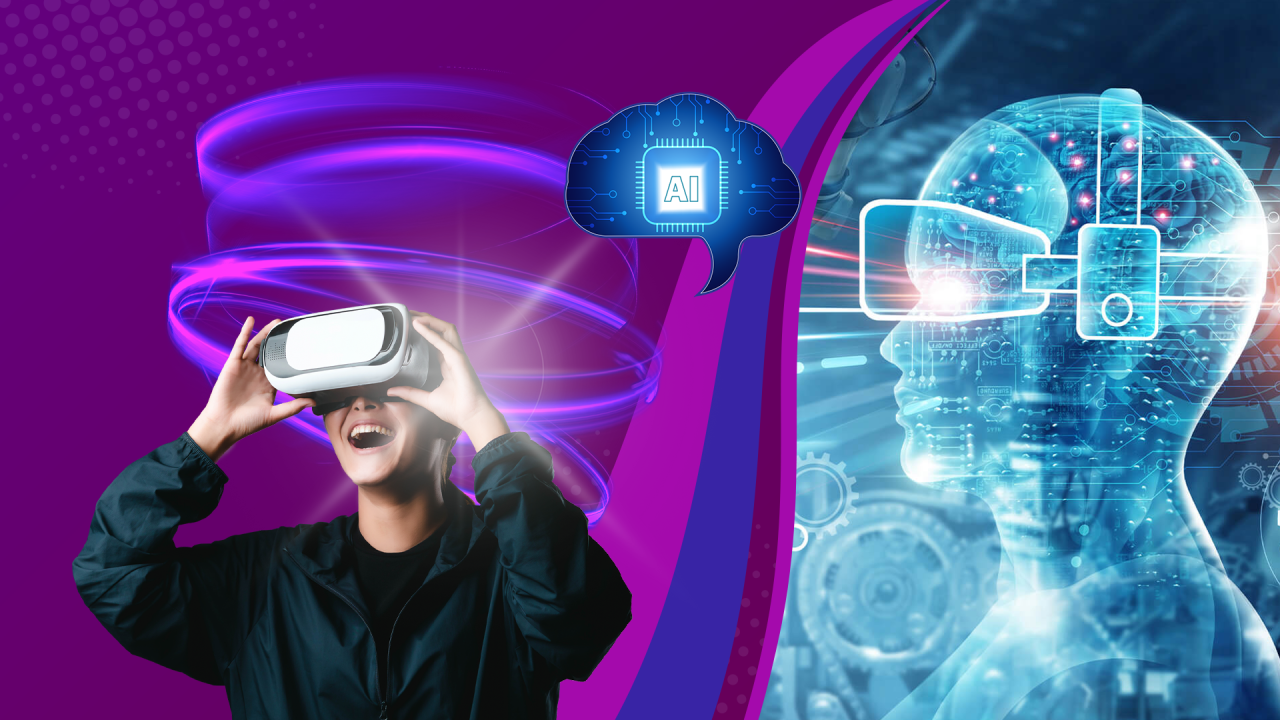
The term “metaverse” refers to a collective virtual shared space that exists parallel to the physical world. It is an interconnected, immersive 3D space where users can interact with each other and digital environments using avatars and virtual objects. The metaverse is being fueled by advancements in virtual reality (VR), augmented reality (AR), blockchain technology, and cloud computing. Platforms such as Decentraland, The Sandbox, and Somnium Space are examples of virtual worlds where users can interact, socialize, and transact in digital spaces.
Unlike traditional online experiences, the metaverse offers a much more interactive, lifelike, and persistent virtual world. Within the metaverse, users can purchase virtual real estate, attend virtual concerts, create and trade digital assets, and explore immersive environments that closely mirror real-world interactions.
1.2 NFTs: Unlocking Ownership in the Virtual World
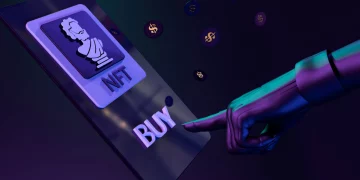
Non-Fungible Tokens (NFTs) are blockchain-based digital assets that represent ownership of a unique item, which can range from art, music, and collectibles to virtual goods and real estate. NFTs differ from cryptocurrencies like Bitcoin because each NFT is unique and cannot be exchanged on a one-to-one basis. This uniqueness, alongside the ability to verify ownership on the blockchain, has made NFTs a powerful tool for authenticating digital items.
NFTs have already gained immense popularity in industries such as art, gaming, and fashion. However, their potential in the metaverse is even greater, as NFTs provide the infrastructure for verifying ownership of virtual goods like virtual clothing, land, buildings, and even experiences.
2. The Intersection of Virtual Reality and NFTs in the Metaverse
2.1 Immersive VR Experiences and Their Role in the Metaverse
Virtual reality (VR) technology enables users to immerse themselves in digital environments through the use of specialized hardware, such as VR headsets. This technology creates an unparalleled level of immersion, allowing users to experience virtual worlds as if they were physically present.
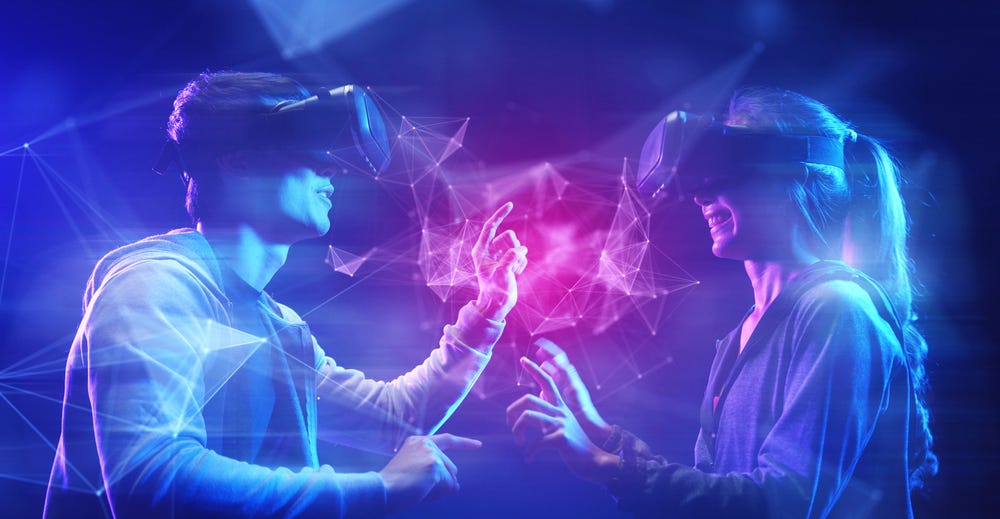
In the context of the metaverse, VR plays a critical role in enabling the spatial experiences that make the virtual world feel real. Users can enter 3D environments, walk around digital cities, interact with other avatars, attend events, and even conduct business. The VR experience in the metaverse enhances digital interactions by providing a sense of presence and realism that traditional 2D screens cannot replicate.
2.2 How NFTs Enhance Virtual Reality Experiences
NFTs add a layer of authenticity and ownership to virtual assets within the metaverse. By associating NFTs with virtual objects—such as clothing, art, buildings, or even event tickets—brands and creators can give users the ability to own, trade, and showcase digital assets in ways that were previously impossible. NFTs ensure that each asset is unique, verifiable, and transferable between users.
For instance, a user may purchase a limited-edition digital art piece within a metaverse gallery, or buy a rare piece of virtual land that they can build upon. The NFT associated with that asset will not only represent ownership but can also track the asset’s provenance, providing transparency and authenticity.
Additionally, NFTs can be used to unlock special VR experiences. For example, owning an NFT may grant the user access to an exclusive VR event, concert, or meeting with other users in a virtual world. The possibilities for integrating NFTs into VR experiences are vast, with new use cases emerging constantly.
3. Transforming Digital Commerce: New Business Models in the Metaverse
3.1 Virtual Goods and Real-World Value
The rise of NFTs in the metaverse has given rise to a new form of digital commerce—one where virtual goods and assets carry real-world value. In virtual worlds, users can purchase items like avatars, virtual real estate, and digital clothing. These assets can then be traded, sold, or displayed, giving them monetary value. The metaverse, combined with NFTs, enables a new economy where digital assets can be bought and sold much like physical goods in the real world.
For example, virtual land in the metaverse can be bought with real-world money and used to create virtual experiences. The Decentraland platform, for instance, allows users to purchase parcels of land with cryptocurrency and build virtual buildings, host events, and even start virtual businesses. These virtual properties can then be sold or rented, creating a new form of digital real estate market.
3.2 Creating Limited-Edition Digital Products
Much like physical luxury goods, brands and creators in the metaverse can use NFTs to create exclusive, limited-edition virtual products. These products can be tied to virtual assets that have value beyond their digital form. For instance, a fashion brand could release a limited-edition collection of virtual clothing that exists as both an NFT and a real-world item. Buyers of the NFT could receive special perks or access to an exclusive VR fashion show.
This model of limited-edition NFT products encourages scarcity and exclusivity, which are powerful drivers in the luxury goods market. When brands sell both physical and virtual versions of a product, they create a dual experience for consumers: the satisfaction of owning something tangible in the physical world and the pride of possessing an exclusive digital asset in the metaverse.
3.3 Enhanced Consumer Experiences with NFTs
NFTs are also enabling more personalized and engaging consumer experiences. For example, a user who purchases an NFT of a virtual concert ticket could gain access not only to the concert itself but also to unique, interactive experiences such as virtual backstage tours or meet-and-greets with the artists. Similarly, brands can offer exclusive virtual goods or experiences as part of a loyalty program, further strengthening the connection between consumers and their favorite brands.
The ability to create a deeper emotional connection with digital products through NFTs can significantly enhance consumer satisfaction. As users feel more connected to the virtual worlds and digital assets they own, they are more likely to return and engage with brands that offer high-quality, immersive experiences.
4. Challenges and Opportunities for Brands in the Metaverse
4.1 Technical and Infrastructure Barriers
While the integration of NFTs with VR experiences is groundbreaking, it also poses certain technical challenges. One of the primary obstacles is the scalability of virtual worlds and the underlying blockchain networks that support NFTs. Current blockchain technologies such as Ethereum can suffer from high transaction costs and slow processing speeds, particularly when dealing with high volumes of activity in virtual worlds.
To mitigate these challenges, newer blockchain technologies and Layer 2 solutions are being developed. Platforms such as Polygon and Solana are emerging as alternatives to Ethereum, offering lower transaction costs and faster processing speeds, making them more suitable for mass adoption in the metaverse.
4.2 Legal and Regulatory Concerns
As with any emerging technology, NFTs in the metaverse raise legal and regulatory issues, particularly related to intellectual property (IP) and ownership rights. Brands must ensure that they have the necessary rights to sell virtual goods and assets, and consumers must understand the scope of their ownership. For example, owning an NFT of a digital artwork does not necessarily mean owning the copyright to the artwork itself.
Furthermore, as the metaverse continues to grow, governments and regulatory bodies will likely begin to implement rules around digital commerce, privacy, and user rights. Brands must stay informed about these regulations to navigate the complex legal landscape of virtual and NFT-based transactions.
4.3 Environmental Impact of NFTs
The environmental impact of NFTs has been a topic of debate due to the energy consumption associated with blockchain networks. Many blockchain platforms, particularly those that use Proof of Work (PoW) consensus mechanisms, require large amounts of electricity to process transactions.
Brands and creators entering the metaverse space must consider the environmental implications of their NFT activities. Some platforms, such as Flow and Tezos, are focused on more energy-efficient consensus models, but broader adoption of sustainable practices in the NFT space will be essential as the industry grows.
5. The Future of NFTs and Virtual Reality in the Metaverse
5.1 The Growth of Virtual Worlds and Digital Real Estate
As the metaverse continues to evolve, the demand for virtual real estate and digital goods will likely surge. The development of larger, more immersive virtual worlds will lead to new opportunities for brands to offer unique experiences, virtual goods, and NFT assets. Virtual real estate is already becoming a valuable commodity in platforms like The Sandbox and Decentraland, and as more users and businesses enter the metaverse, the demand for digital spaces will continue to grow.
5.2 Expansion of Digital Goods and Experiences
In the future, we can expect the expansion of virtual goods beyond just clothing and art. Virtual tools, digital pets, customized avatars, and unique in-game items will all become valuable NFT assets within the metaverse. As these virtual goods grow in importance, brands will find innovative ways to incorporate them into their marketing and consumer engagement strategies.
Furthermore, the rise of immersive VR technology will allow users to participate in even more lifelike and interactive experiences, from virtual tourism to professional training, education, and entertainment. NFTs will play a central role in securing ownership of these experiences and allowing users to retain the value they gain from engaging with them.
6. Conclusion
The combination of virtual reality in the metaverse and NFTs offers endless possibilities for creating new digital experiences and business models. Brands, creators, and consumers are exploring this exciting frontier, unlocking opportunities for ownership, engagement, and commerce in the digital space. However, to fully capitalize on the potential of this combination, it is crucial to address the challenges related to scalability, regulation, and sustainability. As technology advances and more users enter the metaverse, the integration of VR and NFTs will undoubtedly shape the future of digital commerce and virtual experiences.