































Introduction
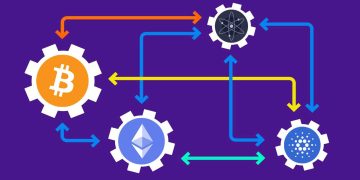
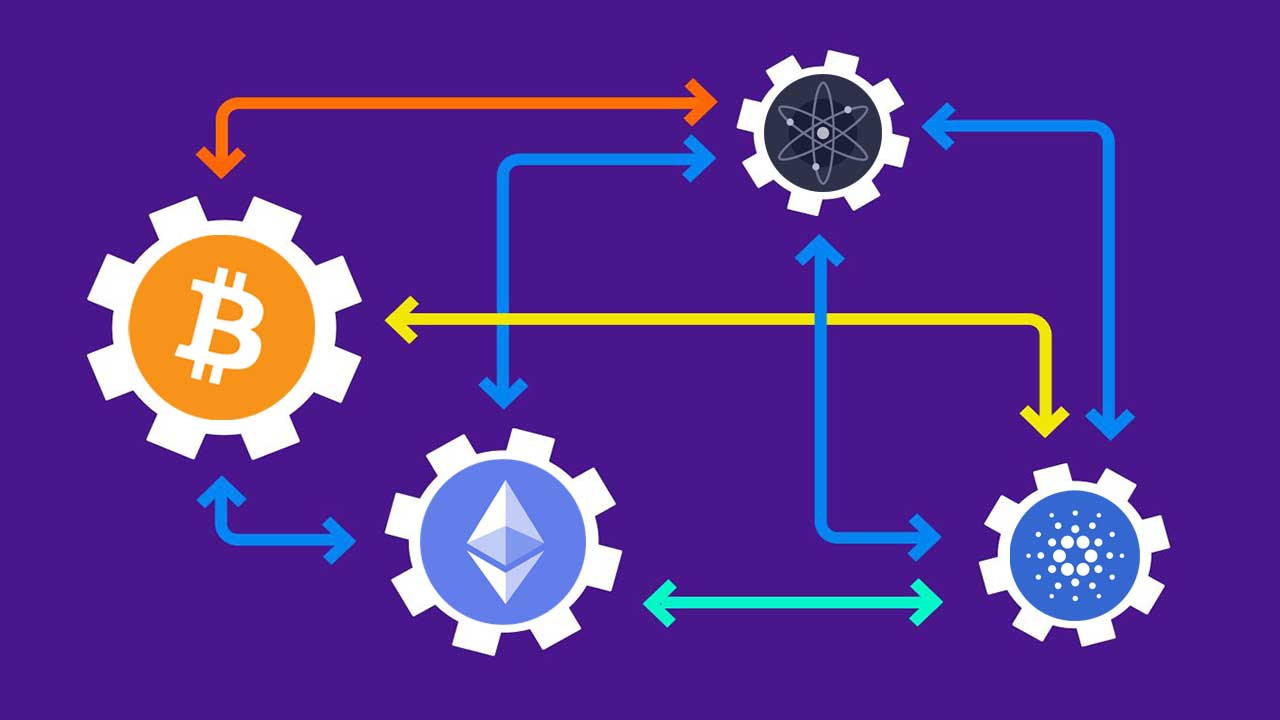
The rise of blockchain technology has brought transformative changes to various sectors, from finance and supply chain management to healthcare and entertainment. However, one of the significant challenges that remain unresolved is the issue of cross-chain compatibility. While many blockchain platforms have gained widespread adoption, most operate in isolation, creating a fragmented ecosystem. Each blockchain has its own set of protocols, consensus mechanisms, and smart contract languages, which limits their ability to communicate with one another seamlessly.
In an ideal world, different blockchains would be able to interoperate, allowing assets and data to move freely across networks without the need for intermediaries or manual intervention. This would unlock tremendous value, enabling users to take advantage of the unique features and benefits offered by different blockchain ecosystems. However, achieving cross-chain compatibility requires overcoming significant technical, security, and governance hurdles.
This article delves into the issues surrounding cross-chain compatibility, explores the technological advancements that are being developed to address these challenges, and provides an in-depth analysis of existing and emerging solutions. We will also look at the potential benefits of cross-chain interoperability and the role it could play in shaping the future of decentralized finance (DeFi) and blockchain technology.
The Importance of Cross-Chain Compatibility
In the current blockchain landscape, the idea of creating isolated, siloed ecosystems runs contrary to the vision of a decentralized and interconnected world. Some of the key reasons why cross-chain compatibility is essential include:
1. Increased Liquidity
One of the most significant advantages of cross-chain compatibility is the ability to increase liquidity across blockchain networks. Different blockchain ecosystems, such as Ethereum, Binance Smart Chain (BSC), Solana, and Polkadot, have distinct strengths and weaknesses. By enabling these chains to interoperate, users can move assets across different networks, thus benefiting from the liquidity pools available in each ecosystem.
This would not only make it easier for users to access the full range of decentralized applications (dApps) across different networks but would also provide increased access to DeFi services, like lending, borrowing, and trading, that span multiple chains.
2. Diverse Blockchain Use Cases
Each blockchain platform has its own unique features that make it suitable for specific use cases. For example, Ethereum is widely known for its smart contract capabilities, while Bitcoin remains the gold standard for digital currency and store of value. Solana offers scalability with high throughput, and Polkadot allows for cross-chain interoperability from the ground up.
By enabling cross-chain compatibility, developers and users can leverage the unique strengths of multiple chains simultaneously. For instance, a decentralized finance (DeFi) application could use the security features of Bitcoin, the speed of Solana, and the smart contract capabilities of Ethereum—all within a single integrated platform.
3. Fostering Innovation and Collaboration
Cross-chain compatibility can foster greater innovation in the blockchain space by encouraging collaboration between different blockchain projects. When ecosystems can interact with one another, new business models and applications can emerge, driving the broader adoption of blockchain technology.
For instance, interoperable cross-chain solutions could lead to innovations such as decentralized cross-chain exchanges (DEXs) that allow users to trade assets from different blockchains without having to rely on centralized exchanges.
4. Reducing Centralization Risks
Currently, many blockchain platforms are siloed, which can lead to centralization within specific ecosystems. For example, if users are forced to trade or interact exclusively within a specific blockchain ecosystem, they may be limited to a particular platform’s rules and governance. Cross-chain compatibility can reduce these risks by creating a more diverse and decentralized ecosystem, where users can freely choose the best chain for a given purpose.

Challenges of Cross-Chain Compatibility
Despite the advantages, achieving cross-chain compatibility comes with its own set of challenges. These challenges are technical, security-related, and involve governance issues. Below are the primary obstacles:
1. Differences in Consensus Mechanisms
Blockchain networks operate on different consensus mechanisms, such as Proof of Work (PoW), Proof of Stake (PoS), Delegated Proof of Stake (DPoS), and Practical Byzantine Fault Tolerance (PBFT). These mechanisms determine how transactions are verified and added to the blockchain. Each consensus model has its own rules and protocols, making it difficult for blockchains with different consensus algorithms to communicate directly.
For example, Bitcoin uses PoW for validating transactions, while Ethereum, with the upcoming transition to Ethereum 2.0, is moving toward PoS. If these two blockchains are to be interoperable, a system must be developed to reconcile the differences in how they reach consensus.
2. Security Concerns
Cross-chain communication introduces various security risks. For instance, transferring assets from one blockchain to another requires the assets to be locked on the origin chain and then unlocked on the destination chain. This process can be susceptible to exploits, such as double-spending attacks, especially when using cross-chain bridges or atomic swaps.
Security vulnerabilities in one chain can also potentially jeopardize the assets or transactions being conducted on another chain. To ensure a safe and secure transfer of assets between blockchains, cross-chain solutions must be carefully designed and tested to prevent issues such as hacking, malicious exploits, and loss of funds.
3. Data Consistency and Interoperability
Achieving seamless communication between blockchains requires ensuring that data remains consistent across networks. Differences in data structures, block sizes, and transaction formats can make it difficult for one blockchain to interpret the state of another blockchain accurately.
To address this, interoperability protocols need to be developed that allow different chains to understand and process each other’s data. This can be done through the use of oracles or other intermediaries, but it introduces additional complexity in terms of maintaining data integrity.
4. Scalability Issues
Scalability is a crucial factor for blockchain adoption. Cross-chain systems must be able to scale efficiently to accommodate growing transaction volumes across multiple chains. As more users and applications engage with interoperable networks, the demand for faster and more efficient cross-chain solutions will increase.
Developing scalable cross-chain solutions requires ensuring that the network throughput can handle large volumes of transactions without compromising speed, cost-efficiency, or security.
5. Governance and Coordination
Each blockchain ecosystem operates with its own governance model, which could be decentralized or controlled by a centralized entity. Integrating cross-chain solutions requires cooperation between the various blockchain communities and stakeholders, including developers, validators, and token holders.
Governance structures and the rules for dispute resolution need to be agreed upon to ensure smooth coordination between the chains. Without a unified governance framework, conflicts between chains could undermine the interoperability efforts.
Solutions for Cross-Chain Compatibility
Over the past few years, several approaches and technologies have been developed to address the challenges of cross-chain compatibility. Some of the most notable solutions include:
1. Cross-Chain Bridges
A cross-chain bridge is a mechanism that connects two separate blockchains, allowing assets and data to be transferred between them. Bridges typically work by locking assets on the origin chain and then issuing a corresponding asset on the destination chain. Some of the popular cross-chain bridges include:
- Wrapped Tokens: Platforms like Wrapped Bitcoin (WBTC) allow Bitcoin to be used on Ethereum by wrapping it in an ERC-20 token. This creates a representation of Bitcoin on Ethereum, allowing users to engage with Ethereum’s DeFi ecosystem.
- Cross-Chain Atomic Swaps: Atomic swaps allow users to exchange cryptocurrencies directly between two different blockchains without needing an intermediary. These swaps use smart contracts to ensure that the trade is only completed if both parties fulfill their obligations, ensuring trustless transactions.
While cross-chain bridges are promising, they come with some security risks, such as the potential for smart contract bugs or exploits.
2. Interoperability Protocols
Interoperability protocols are designed to facilitate communication between different blockchain networks by establishing standardized methods for transferring data and assets. Some of the most well-known interoperability projects include:
- Polkadot: Polkadot is a multi-chain framework that enables different blockchains to interoperate with each other. It uses a unique Relay Chain to connect multiple Parachains, each with its own specialized functionality. Polkadot’s design allows for a high degree of scalability and ensures that each connected blockchain retains its independence.
- Cosmos: Cosmos uses the Inter-Blockchain Communication (IBC) protocol, which allows different blockchains to communicate and exchange value seamlessly. Cosmos focuses on creating an Internet of Blockchains, where different networks can interoperate without sacrificing security or decentralization.
- Chainlink: While primarily known for its decentralized oracle network, Chainlink has developed cross-chain interoperability solutions through Chainlink Cross-Chain Interoperability Protocol (CCIP), which enables decentralized data feeds and smart contract execution across multiple blockchains.
These interoperability protocols aim to reduce the friction of integrating various blockchain networks and simplify the process of cross-chain communication.
3. Layer 2 Solutions
Layer 2 solutions, such as Optimistic Rollups and zk-Rollups, are scalability solutions designed to operate on top of existing blockchains like Ethereum. These solutions can improve both scalability and interoperability by enabling faster and cheaper transactions while retaining the security of the underlying blockchain.
By using Layer 2 solutions, cross-chain transactions can be processed more efficiently, helping address some of the scalability challenges associated with cross-chain compatibility.
The Future of Cross-Chain Compatibility
As the blockchain space continues to grow and mature, the need for cross-chain compatibility will only become more pronounced. The current fragmented nature of the blockchain ecosystem limits the potential for innovation and widespread adoption. By addressing the technical, security, and governance challenges associated with interoperability, the blockchain community can unlock new possibilities for decentralized applications, digital assets, and decentralized finance (DeFi).
The future of cross-chain compatibility looks promising, with various solutions already being developed and tested. As interoperability protocols, cross-chain bridges, and Layer 2 solutions mature, we can expect a more interconnected and efficient blockchain ecosystem. This will empower users and developers to take full advantage of the benefits of multiple blockchains, without being constrained by the limitations of isolated networks.
In conclusion, cross-chain compatibility is a crucial element in realizing the vision of a decentralized, interconnected blockchain ecosystem. By continuing to innovate and collaborate, the blockchain community can build the bridges that will enable a more seamless and inclusive digital future.