

































BlockChainIndex.net
  • Home
  • Chain Core
    Cross-Chain Compatibility: Addressing the Challenges and Solutions

    Cross-Chain Compatibility: Addressing the Challenges and Solutions

    The Security Issues of Consensus Mechanisms: An Ongoing Debate

    The Security Issues of Consensus Mechanisms: An Ongoing Debate

    The Lightning Network: The Most Famous Layer 2 Solution on Bitcoin

    The Lightning Network: The Most Famous Layer 2 Solution on Bitcoin

    Consensus Mechanisms of Layer 1 and Layer 2: The Backbone of Blockchain Scalability

    Consensus Mechanisms of Layer 1 and Layer 2: The Backbone of Blockchain Scalability

    Proof of Stake vs Proof of Work

    Proof of Stake vs Proof of Work

    Multi-Consensus Algorithms: Evolving the Future of Blockchain Technology

    Multi-Consensus Algorithms: Evolving the Future of Blockchain Technology

  • Crypto Markets
    Sustainable Yield: Unlocking the Potential for Long-Term Financial Growth

    Sustainable Yield: Unlocking the Potential for Long-Term Financial Growth

    Market Sentiment and Macroeconomic Factors: Interactions and Impacts

    Market Sentiment and Macroeconomic Factors: Interactions and Impacts

    Leveraging On-Chain Data for Real-Time Market Analysis and Intelligence for Investors

    Leveraging On-Chain Data for Real-Time Market Analysis and Intelligence for Investors

    The Stock-to-Flow Model: Analyzing Bitcoin’s Scarcity and Price Predictions

    The Stock-to-Flow Model: Analyzing Bitcoin’s Scarcity and Price Predictions

    Bitcoin Price Volatility and Its Impact on the Entire Market Trend

    Bitcoin Price Volatility and Its Impact on the Entire Market Trend

    The Shifting Dominance of Bitcoin in the Cryptocurrency Market: A Key Indicator for Market Analysis

    The Shifting Dominance of Bitcoin in the Cryptocurrency Market: A Key Indicator for Market Analysis

  • Enterprise Chain
    Electronic Health Records (EHR): Transforming Healthcare for the Future

    Electronic Health Records (EHR): Transforming Healthcare for the Future

    The Integration of Supply Chains and the Internet of Things (IoT)

    The Integration of Supply Chains and the Internet of Things (IoT)

    Supply Chain Financing and Payments

    Supply Chain Financing and Payments

    Optimizing Supply Chain Protocols with Smart Contracts

    Optimizing Supply Chain Protocols with Smart Contracts

    Walmart and IBM’s Food Safety Blockchain Collaboration: Using Blockchain Technology to Track Food Sources and Movement

    Walmart and IBM’s Food Safety Blockchain Collaboration: Using Blockchain Technology to Track Food Sources and Movement

    Global Food Traceability: Ensuring Safety, Transparency, and Sustainability in the Food Supply Chain

    Global Food Traceability: Ensuring Safety, Transparency, and Sustainability in the Food Supply Chain

  • NFT Frontier
    Environmental Concerns in the NFT Industry: Balancing Innovation with Sustainability

    Environmental Concerns in the NFT Industry: Balancing Innovation with Sustainability

    NFT Copyright and Intellectual Property Issues

    NFT Copyright and Intellectual Property Issues

    Decentralization of the Art Market: A New Era of Digital Ownership

    Decentralization of the Art Market: A New Era of Digital Ownership

    NFTs Disrupting the Traditional Art Market

    NFTs Disrupting the Traditional Art Market

    The Explosion of Digital Art and the NFT Market: Revolutionizing the Art World

    The Explosion of Digital Art and the NFT Market: Revolutionizing the Art World

    Emerging Trends in Digital Collectibles: The Future of Ownership in the Digital Age

    Emerging Trends in Digital Collectibles: The Future of Ownership in the Digital Age

  • On-Chain Lens
    Balancing Privacy and Security: A Critical Exploration in the Digital Age

    Balancing Privacy and Security: A Critical Exploration in the Digital Age

    Despite Blockchain Transactions Being Public and Transparent, the Anonymity of Wallets Remains a Challenge

    Despite Blockchain Transactions Being Public and Transparent, the Anonymity of Wallets Remains a Challenge

    Wallet and Smart Contract Interaction: Key Analysis Objects of On-Chain Lens Technology

    Wallet and Smart Contract Interaction: Key Analysis Objects of On-Chain Lens Technology

    On-Chain Lens: Analyzing the Flow of Funds Between Wallets Using Blockchain’s Public Ledger

    On-Chain Lens: Analyzing the Flow of Funds Between Wallets Using Blockchain’s Public Ledger

    Tracking and Analyzing Capital Flows: A Comprehensive Guide to Understanding Financial Movements

    Tracking and Analyzing Capital Flows: A Comprehensive Guide to Understanding Financial Movements

    Wallet Behavior Analysis: The Core of On-Chain Lens Technology

    Wallet Behavior Analysis: The Core of On-Chain Lens Technology

  • Reg Radar
    Building Compliance Frameworks: The Increasing Importance for Crypto Companies in Addressing Regulatory Challenges

    Building Compliance Frameworks: The Increasing Importance for Crypto Companies in Addressing Regulatory Challenges

    Global Consistency and Diversity: Navigating the Balance in a Connected World

    Global Consistency and Diversity: Navigating the Balance in a Connected World

    The European Union’s MiCA Regulation: A New Era for Crypto-Asset Regulation

    The European Union’s MiCA Regulation: A New Era for Crypto-Asset Regulation

    The Evolving Regulatory Landscape: Challenges and Opportunities for Crypto Businesses

    The Evolving Regulatory Landscape: Challenges and Opportunities for Crypto Businesses

    The Evolving Regulatory Frameworks Across Global Regions: Progress and Adjustments in the Face of Emerging Challenges

    The Evolving Regulatory Frameworks Across Global Regions: Progress and Adjustments in the Face of Emerging Challenges

    The U.S. SEC: One of the Most Important Regulatory Bodies for the Crypto Market

    The U.S. SEC: One of the Most Important Regulatory Bodies for the Crypto Market

BlockChainIndex.net
  • Home
  • Chain Core
    Cross-Chain Compatibility: Addressing the Challenges and Solutions

    Cross-Chain Compatibility: Addressing the Challenges and Solutions

    The Security Issues of Consensus Mechanisms: An Ongoing Debate

    The Security Issues of Consensus Mechanisms: An Ongoing Debate

    The Lightning Network: The Most Famous Layer 2 Solution on Bitcoin

    The Lightning Network: The Most Famous Layer 2 Solution on Bitcoin

    Consensus Mechanisms of Layer 1 and Layer 2: The Backbone of Blockchain Scalability

    Consensus Mechanisms of Layer 1 and Layer 2: The Backbone of Blockchain Scalability

    Proof of Stake vs Proof of Work

    Proof of Stake vs Proof of Work

    Multi-Consensus Algorithms: Evolving the Future of Blockchain Technology

    Multi-Consensus Algorithms: Evolving the Future of Blockchain Technology

  • Crypto Markets
    Sustainable Yield: Unlocking the Potential for Long-Term Financial Growth

    Sustainable Yield: Unlocking the Potential for Long-Term Financial Growth

    Market Sentiment and Macroeconomic Factors: Interactions and Impacts

    Market Sentiment and Macroeconomic Factors: Interactions and Impacts

    Leveraging On-Chain Data for Real-Time Market Analysis and Intelligence for Investors

    Leveraging On-Chain Data for Real-Time Market Analysis and Intelligence for Investors

    The Stock-to-Flow Model: Analyzing Bitcoin’s Scarcity and Price Predictions

    The Stock-to-Flow Model: Analyzing Bitcoin’s Scarcity and Price Predictions

    Bitcoin Price Volatility and Its Impact on the Entire Market Trend

    Bitcoin Price Volatility and Its Impact on the Entire Market Trend

    The Shifting Dominance of Bitcoin in the Cryptocurrency Market: A Key Indicator for Market Analysis

    The Shifting Dominance of Bitcoin in the Cryptocurrency Market: A Key Indicator for Market Analysis

  • Enterprise Chain
    Electronic Health Records (EHR): Transforming Healthcare for the Future

    Electronic Health Records (EHR): Transforming Healthcare for the Future

    The Integration of Supply Chains and the Internet of Things (IoT)

    The Integration of Supply Chains and the Internet of Things (IoT)

    Supply Chain Financing and Payments

    Supply Chain Financing and Payments

    Optimizing Supply Chain Protocols with Smart Contracts

    Optimizing Supply Chain Protocols with Smart Contracts

    Walmart and IBM’s Food Safety Blockchain Collaboration: Using Blockchain Technology to Track Food Sources and Movement

    Walmart and IBM’s Food Safety Blockchain Collaboration: Using Blockchain Technology to Track Food Sources and Movement

    Global Food Traceability: Ensuring Safety, Transparency, and Sustainability in the Food Supply Chain

    Global Food Traceability: Ensuring Safety, Transparency, and Sustainability in the Food Supply Chain

  • NFT Frontier
    Environmental Concerns in the NFT Industry: Balancing Innovation with Sustainability

    Environmental Concerns in the NFT Industry: Balancing Innovation with Sustainability

    NFT Copyright and Intellectual Property Issues

    NFT Copyright and Intellectual Property Issues

    Decentralization of the Art Market: A New Era of Digital Ownership

    Decentralization of the Art Market: A New Era of Digital Ownership

    NFTs Disrupting the Traditional Art Market

    NFTs Disrupting the Traditional Art Market

    The Explosion of Digital Art and the NFT Market: Revolutionizing the Art World

    The Explosion of Digital Art and the NFT Market: Revolutionizing the Art World

    Emerging Trends in Digital Collectibles: The Future of Ownership in the Digital Age

    Emerging Trends in Digital Collectibles: The Future of Ownership in the Digital Age

  • On-Chain Lens
    Balancing Privacy and Security: A Critical Exploration in the Digital Age

    Balancing Privacy and Security: A Critical Exploration in the Digital Age

    Despite Blockchain Transactions Being Public and Transparent, the Anonymity of Wallets Remains a Challenge

    Despite Blockchain Transactions Being Public and Transparent, the Anonymity of Wallets Remains a Challenge

    Wallet and Smart Contract Interaction: Key Analysis Objects of On-Chain Lens Technology

    Wallet and Smart Contract Interaction: Key Analysis Objects of On-Chain Lens Technology

    On-Chain Lens: Analyzing the Flow of Funds Between Wallets Using Blockchain’s Public Ledger

    On-Chain Lens: Analyzing the Flow of Funds Between Wallets Using Blockchain’s Public Ledger

    Tracking and Analyzing Capital Flows: A Comprehensive Guide to Understanding Financial Movements

    Tracking and Analyzing Capital Flows: A Comprehensive Guide to Understanding Financial Movements

    Wallet Behavior Analysis: The Core of On-Chain Lens Technology

    Wallet Behavior Analysis: The Core of On-Chain Lens Technology

  • Reg Radar
    Building Compliance Frameworks: The Increasing Importance for Crypto Companies in Addressing Regulatory Challenges

    Building Compliance Frameworks: The Increasing Importance for Crypto Companies in Addressing Regulatory Challenges

    Global Consistency and Diversity: Navigating the Balance in a Connected World

    Global Consistency and Diversity: Navigating the Balance in a Connected World

    The European Union’s MiCA Regulation: A New Era for Crypto-Asset Regulation

    The European Union’s MiCA Regulation: A New Era for Crypto-Asset Regulation

    The Evolving Regulatory Landscape: Challenges and Opportunities for Crypto Businesses

    The Evolving Regulatory Landscape: Challenges and Opportunities for Crypto Businesses

    The Evolving Regulatory Frameworks Across Global Regions: Progress and Adjustments in the Face of Emerging Challenges

    The Evolving Regulatory Frameworks Across Global Regions: Progress and Adjustments in the Face of Emerging Challenges

    The U.S. SEC: One of the Most Important Regulatory Bodies for the Crypto Market

    The U.S. SEC: One of the Most Important Regulatory Bodies for the Crypto Market

BlockChainIndex.net
No Result
View All Result
Home Chain Core

Multi-Consensus Algorithms: Evolving the Future of Blockchain Technology

November 26, 2025
in Chain Core
Multi-Consensus Algorithms: Evolving the Future of Blockchain Technology

Introduction

The blockchain revolution, initially championed by Bitcoin’s Proof of Work (PoW), has evolved rapidly in terms of technological advancements and use cases. From decentralized finance (DeFi) to supply chain management, blockchain is now recognized as the backbone for an array of industries. However, a fundamental challenge in blockchain technology has been the consensus mechanism – the process by which a network of nodes achieves agreement on the validity of transactions and the state of the ledger.

While traditional consensus algorithms like Proof of Work (PoW) and Proof of Stake (PoS) have their advantages, they also face limitations in scalability, decentralization, and energy consumption. As blockchain adoption grows, particularly in high-demand applications, the need for more efficient, secure, and scalable consensus mechanisms has become paramount. In response, multi-consensus algorithms have emerged as a compelling solution. These hybrid systems combine multiple consensus mechanisms within a single blockchain, aiming to optimize for various network conditions, governance structures, and use cases.

In this article, we will explore multi-consensus algorithms in detail, discussing their structure, use cases, benefits, challenges, and the impact they have on the future of blockchain technology. By examining the key features of these innovative hybrid systems, we aim to shed light on how they can address the limitations of existing models and drive the next generation of decentralized systems.


Chapter 1: The Need for Multi-Consensus Mechanisms

1.1. Limitations of Single Consensus Models

Blockchain consensus algorithms, such as PoW, PoS, and others, each bring unique strengths and weaknesses to the table:

  • Proof of Work (PoW): Although PoW is highly secure and resistant to attacks, it is extremely energy-intensive, requiring vast amounts of computational power. This environmental impact has been a growing concern, particularly with the expansion of blockchain networks like Bitcoin and Ethereum.
  • Proof of Stake (PoS): PoS is more energy-efficient than PoW, as it requires participants to lock up cryptocurrency as collateral (stake) rather than expending computational resources. However, PoS can lead to centralization, as those with more capital have a higher chance of being chosen to validate transactions, potentially undermining the network’s decentralization.
  • Delegated Proof of Stake (DPoS): DPoS enhances scalability and governance by allowing token holders to vote for a set of trusted validators. However, the reliance on a smaller number of delegates can compromise the decentralized nature of the network.

These single consensus algorithms, while effective in certain scenarios, often fail to meet the diverse requirements of emerging blockchain applications. For example, a financial network might prioritize security and decentralization, while a supply chain solution could prioritize scalability and transaction speed.

1.2. The Emergence of Multi-Consensus Systems

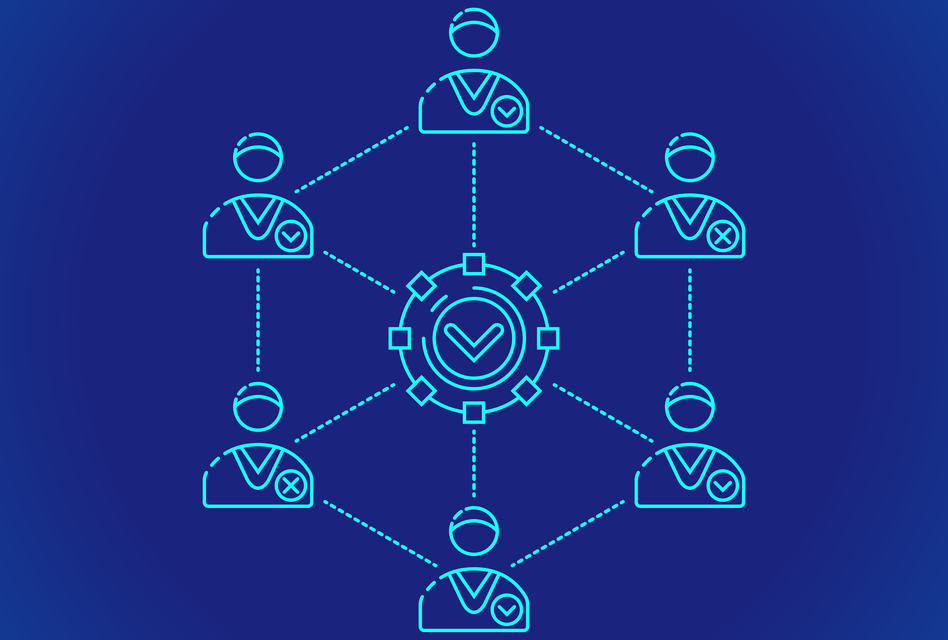
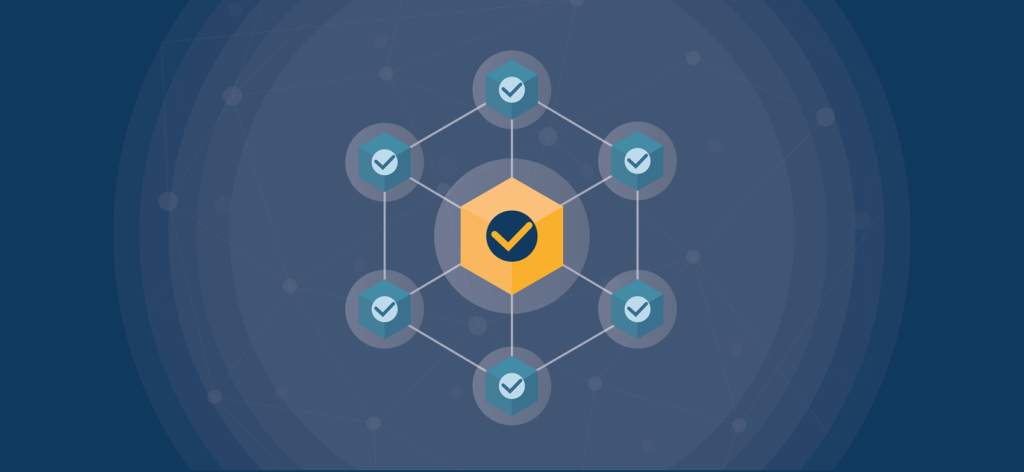
Multi-consensus algorithms address the shortcomings of single consensus mechanisms by leveraging the strengths of multiple protocols in a single blockchain. This hybrid approach allows blockchain networks to adapt to specific use cases and varying network conditions. For instance, a blockchain could use Proof of Work for transaction validation while incorporating Proof of Stake for governance and energy efficiency, thus optimizing both security and performance.

The ability to seamlessly integrate different consensus models provides a more versatile and scalable solution, particularly for complex or enterprise-level applications. As blockchain technology continues to mature, hybrid consensus mechanisms are becoming increasingly popular, allowing projects to balance the competing needs of security, scalability, and decentralization.


Chapter 2: Key Types of Multi-Consensus Algorithms

2.1. Hybrid PoW/PoS Systems

One of the most common forms of multi-consensus systems is the PoW/PoS hybrid, which combines the security of Proof of Work with the energy efficiency and scalability of Proof of Stake.

  • How it Works: In a PoW/PoS hybrid system, PoW is used to ensure security by preventing attacks such as Sybil attacks, while PoS is used for governance and to select validators for block creation. This approach allows the blockchain to remain decentralized and secure while reducing the energy consumption associated with PoW.
  • Advantages: The hybrid model can offer the best of both worlds. PoW ensures that malicious actors cannot take control of the network, while PoS ensures that validators are incentivized to act in the best interests of the network. Additionally, PoS reduces the overall energy consumption compared to pure PoW systems.
  • Examples: One example of a hybrid PoW/PoS blockchain is Decred. Decred uses PoW to secure its network but allows PoS participants to vote on governance issues, giving token holders a voice in the direction of the network.

2.2. Proof of Authority (PoA) with PoS

Another hybrid consensus mechanism combines Proof of Authority (PoA) with Proof of Stake (PoS). This hybrid model is particularly suited for private or consortium blockchains where a limited number of trusted validators are required.

  • How it Works: In PoA, validators are pre-approved entities that are responsible for validating transactions and creating new blocks. PoS is used to provide governance and incentivize participants, such as allowing stakers to vote on key decisions or select trusted validators.
  • Advantages: This hybrid model offers high scalability and security, making it ideal for private blockchains or applications where control needs to be exercised by a small, trusted group. By using PoS for governance and PoA for validation, these blockchains can maintain decentralization while reducing operational overhead.
  • Examples: VeChain is a blockchain project that uses PoA for transaction validation in its enterprise-focused applications, combined with PoS for consensus and governance.

2.3. Delegated Proof of Stake (DPoS) with Proof of Authority (PoA)

Combining Delegated Proof of Stake (DPoS) with Proof of Authority (PoA) creates a consensus model that focuses on both scalability and governance, leveraging the benefits of both mechanisms.

  • How it Works: In this hybrid system, DPoS is used to elect a set of trusted delegates who are responsible for block validation. PoA is then used to ensure that only pre-approved validators can create new blocks and validate transactions, further enhancing security and reliability.
  • Advantages: The combination of DPoS and PoA ensures both efficient governance and a high degree of decentralization while maintaining security. DPoS allows for fast consensus and scalability, while PoA ensures that only trusted nodes are involved in critical network functions.
  • Examples: EOS is a well-known blockchain that utilizes DPoS, and some versions of the system have incorporated PoA elements in their governance frameworks.

2.4. Proof of Space (PoSpace) and Proof of Stake (PoS)

Proof of Space (PoSpace) is a consensus mechanism that uses storage capacity as a resource instead of computational power or cryptocurrency holdings. When combined with PoS, PoSpace can provide both energy efficiency and governance flexibility.

  • How it Works: In a PoSpace-based blockchain, participants use their available storage to “plot” data and prove that they are contributing to the network. This storage space is then used to validate transactions and secure the network. PoS is incorporated to manage network governance and validator selection.
  • Advantages: PoSpace significantly reduces energy consumption compared to PoW while providing a more scalable and decentralized network. The integration of PoS adds an extra layer of governance, ensuring that validators are incentivized to act in the best interests of the network.
  • Examples: Chia Network is a notable project that uses Proof of Space in combination with Proof of Time, another consensus algorithm designed to complement PoSpace.
Chapter 3: Benefits of Multi-Consensus Systems

3.1. Increased Security

Multi-consensus algorithms enhance blockchain security by combining the strengths of different consensus models. For example, a PoW/PoS hybrid ensures that a malicious actor cannot take over the network by relying solely on computational power or staked tokens. The combination of models helps prevent a range of attacks, such as Sybil attacks, double-spending, and long-range attacks.

3.2. Scalability and Performance

Blockchain networks using hybrid consensus mechanisms can achieve higher throughput and faster transaction speeds. By using DPoS or PoA for block validation, these systems can process transactions in parallel, reducing network congestion and latency. This makes multi-consensus systems ideal for enterprise applications and high-frequency trading platforms.

3.3. Flexibility and Adaptability

Hybrid consensus systems are highly adaptable to different use cases. For example, PoA is useful in private blockchains where trust among participants is already established, while PoS is more suitable for public networks where token holders need a voice in governance. By offering a combination of different models, multi-consensus systems can tailor blockchain performance to meet the specific requirements of different industries.

3.4. Energy Efficiency

A key driver behind multi-consensus algorithms is energy efficiency. By integrating Proof of Space or Proof of Stake with PoW or PoA, blockchain networks can significantly reduce their environmental impact. These systems often rely on less energy-intensive resources like storage capacity or staked tokens, offering a greener alternative to traditional PoW-based systems.


Chapter 4: Challenges of Multi-Consensus Systems

4.1. Complexity and Overhead

One of the biggest challenges of multi-consensus algorithms is the complexity of managing multiple consensus models within a single network. The integration of different protocols requires sophisticated mechanisms for coordination and can increase operational overhead. Developers must ensure that these systems work harmoniously, without introducing vulnerabilities or inefficiencies.

4.2. Centralization Risks

While multi-consensus algorithms can enhance decentralization, they can also inadvertently lead to centralization in some cases. For instance, relying on a small group of pre-approved validators in PoA or delegates in DPoS may centralize power within the network, undermining the principles of blockchain’s trustless nature.

4.3. Governance Challenges

Multi-consensus systems introduce additional complexity in governance. Deciding which consensus model to use for a particular function (e.g., block creation, governance, or validation) can be contentious, especially in decentralized networks where stakeholders may have different priorities. Moreover, the interaction between different consensus mechanisms can make it harder to reach consensus on protocol upgrades or rule changes.


Conclusion

Multi-consensus algorithms represent the future of blockchain technology, offering a dynamic and flexible approach to addressing the challenges faced by traditional consensus models. By combining the strengths of different consensus mechanisms, these hybrid systems can optimize security, scalability, decentralization, and energy efficiency. However, like all new technologies, they come with their own set of challenges that need to be carefully managed.

As blockchain continues to expand beyond cryptocurrencies into fields like enterprise applications, supply chain management, and decentralized governance, the adoption of multi-consensus algorithms will play a key role in shaping the next generation of decentralized systems. With the right balance of security, scalability, and decentralization, multi-consensus blockchain networks have the potential to power the future of digital economies, paving the way for more sustainable, efficient, and inclusive blockchain ecosystems.

Tags: BlockchainChain coreMulti-Consensus Algorithms
ShareTweetShare

Related Posts

Cross-Chain Compatibility: Addressing the Challenges and Solutions
Chain Core

Cross-Chain Compatibility: Addressing the Challenges and Solutions

December 1, 2025
The Security Issues of Consensus Mechanisms: An Ongoing Debate
Chain Core

The Security Issues of Consensus Mechanisms: An Ongoing Debate

November 30, 2025
The Lightning Network: The Most Famous Layer 2 Solution on Bitcoin
Chain Core

The Lightning Network: The Most Famous Layer 2 Solution on Bitcoin

November 29, 2025
Consensus Mechanisms of Layer 1 and Layer 2: The Backbone of Blockchain Scalability
Chain Core

Consensus Mechanisms of Layer 1 and Layer 2: The Backbone of Blockchain Scalability

November 28, 2025
Proof of Stake vs Proof of Work
Chain Core

Proof of Stake vs Proof of Work

November 27, 2025
Exploring Next-Generation Consensus Mechanisms: Beyond Proof of Work (PoW) and Proof of Stake (PoS)
Chain Core

Exploring Next-Generation Consensus Mechanisms: Beyond Proof of Work (PoW) and Proof of Stake (PoS)

November 25, 2025
Leave Comment
  • Trending
  • Comments
  • Latest
Combining Virtual Reality in the Metaverse with NFTs: Creating Richer Digital Experiences and Business Models

Combining Virtual Reality in the Metaverse with NFTs: Creating Richer Digital Experiences and Business Models

October 21, 2025
Leveraging Limited Edition NFT Merchandise to Attract Young Consumers, Enhance Brand Uniqueness, and Build Loyalty

Leveraging Limited Edition NFT Merchandise to Attract Young Consumers, Enhance Brand Uniqueness, and Build Loyalty

October 21, 2025
The Explosive Growth of the NFT Art Market: Scale, Activity, and Future Prospects

The Explosive Growth of the NFT Art Market: Scale, Activity, and Future Prospects

October 21, 2025
Brands and the Future of Commerce: Selling Virtual Goods through NFTs Tied to Physical Products

Brands and the Future of Commerce: Selling Virtual Goods through NFTs Tied to Physical Products

October 21, 2025
The Future Development Trend of Bitcoin

The Future Development Trend of Bitcoin

The Rise of Layer 2 Technology: Scaling Ethereum with Solutions like Optimism and Arbitrum

The Rise of Layer 2 Technology: Scaling Ethereum with Solutions like Optimism and Arbitrum

How Businesses Can Enhance Supply Chain Flexibility and Resilience Through Diversified Sourcing, Localized Production, and Risk Management Frameworks to Face Future Global Crises or Geopolitical Risks

How Businesses Can Enhance Supply Chain Flexibility and Resilience Through Diversified Sourcing, Localized Production, and Risk Management Frameworks to Face Future Global Crises or Geopolitical Risks

The Role of Blockchain in the Metaverse: New Infrastructure for the Virtual World

The Role of Blockchain in the Metaverse: New Infrastructure for the Virtual World

Environmental Concerns in the NFT Industry: Balancing Innovation with Sustainability

Environmental Concerns in the NFT Industry: Balancing Innovation with Sustainability

December 1, 2025
Electronic Health Records (EHR): Transforming Healthcare for the Future

Electronic Health Records (EHR): Transforming Healthcare for the Future

December 1, 2025
Sustainable Yield: Unlocking the Potential for Long-Term Financial Growth

Sustainable Yield: Unlocking the Potential for Long-Term Financial Growth

December 1, 2025
Cross-Chain Compatibility: Addressing the Challenges and Solutions

Cross-Chain Compatibility: Addressing the Challenges and Solutions

December 1, 2025
BlockChainIndex.net

From Layer2 technical deep dives to NFT market forecasting, we curate professional perspectives through on-chain analytics and industry expert collaborations. Stay ahead in blockchain innovation.

© 2025 blockchainindex.com. contacts:[email protected]

No Result
View All Result
  • Home
  • Chain Core
  • Crypto Markets
  • Enterprise Chain
  • NFT Frontier
  • On-Chain Lens
  • Reg Radar

© 2025 blockchainindex.com. contacts:[email protected]

Welcome Back!

Login to your account below

Forgotten Password?

Retrieve your password

Please enter your username or email address to reset your password.

Log In