



















Introduction
The advent of Non-Fungible Tokens (NFTs) has revolutionized the global art market, challenging traditional paradigms of ownership, provenance, and value. Historically, the art market has been dominated by galleries, auction houses, and private collectors, often creating barriers for emerging artists and limiting accessibility for broader audiences. NFTs, powered by blockchain technology, have introduced a decentralized system where artists can directly mint, sell, and authenticate digital artworks, fundamentally altering the dynamics of creation, distribution, and monetization.
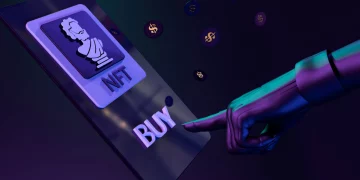
NFTs are digital certificates of ownership linked to unique digital assets, enabling digital art to be bought, sold, and traded as verifiable, scarce commodities. This innovation has not only opened new revenue streams for artists but also reshaped the economic, cultural, and social frameworks of the art world. This article explores the transformative impact of NFTs on the traditional art market, examining economic implications, technological underpinnings, market adoption, regulatory considerations, and long-term prospects.
Chapter 1: Traditional Art Market Challenges
1.1. Barriers to Entry for Artists
Historically, emerging artists faced significant obstacles in gaining recognition. Gatekeepers, such as galleries, curators, and auction houses, controlled which works received exposure, creating a hierarchical system that often prioritized established names over new talent. This resulted in limited access to global audiences and restricted income streams for independent creators.
1.2. Issues of Provenance and Authentication
Authenticity and provenance have long been critical issues in the art market. Traditional verification processes are manual, involving certificates, expert appraisals, and historical documentation. These processes are time-consuming and prone to fraud, limiting transparency and creating opportunities for counterfeit art to infiltrate the market.
1.3. Market Liquidity Constraints
Art is inherently illiquid, and traditional markets often require intermediaries to facilitate transactions. Artists and collectors alike encounter delays and high transaction costs, which limit market efficiency and accessibility. Additionally, fractional ownership of high-value art is difficult under conventional structures, constraining investment opportunities for a wider audience.
Chapter 2: The Emergence of NFTs in the Art Market
2.1. Defining NFTs and Their Unique Properties
NFTs are unique digital tokens on a blockchain that represent ownership of a specific digital asset. Unlike cryptocurrencies such as Bitcoin or Ethereum, NFTs are non-fungible, meaning each token is distinct and cannot be exchanged one-to-one with another.
Key properties of NFTs include:
- Digital Scarcity: Each NFT is unique, ensuring scarcity even in digital environments.
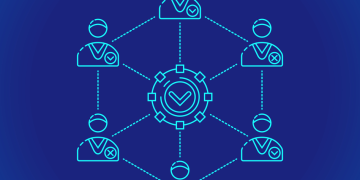
- Provenance Tracking: Ownership history is recorded on a blockchain, providing verifiable proof of authenticity.
- Programmable Royalties: Artists can embed smart contracts to receive automatic royalties on secondary sales.
- Global Accessibility: NFTs can be minted, bought, and sold globally without reliance on intermediaries.
2.2. How NFTs Alter Art Transactions
NFTs introduce a direct-to-collector model. Artists can mint their works as NFTs on blockchain platforms such as Ethereum, Solana, and Flow, and sell them directly through online marketplaces like OpenSea, Rarible, and Foundation. This bypasses traditional gatekeepers, democratizing access to global collectors and creating new economic models for creators.
NFTs also enable fractionalized ownership, allowing collectors to purchase shares of high-value artworks and facilitating broader market participation. This liquidity enhancement contrasts sharply with traditional art markets, where ownership transfer is slow and expensive.
Chapter 3: Economic Implications of NFTs
3.1. Revenue Streams for Artists
NFTs provide artists with immediate and recurring income. Through programmable smart contracts, creators can earn royalties on secondary sales, ensuring continuous revenue as their work appreciates in value. For example, Beeple, an NFT artist, reportedly earned millions through initial sales and ongoing royalties from resales.
3.2. Market Expansion and Investor Participation
NFTs have expanded the art market by attracting crypto investors and digital collectors, who may not participate in traditional art auctions. This diversification of participants has increased market liquidity and valuation of digital art. Additionally, the accessibility of NFTs allows emerging artists to tap into global markets without physical galleries.
3.3. Speculation and Market Volatility
The NFT market is characterized by high volatility, with rapid fluctuations in value driven by trends, social media, and celebrity endorsements. While this speculative behavior has accelerated adoption, it also raises concerns about market sustainability and the potential for bubbles.
Chapter 4: Technological Underpinnings of NFTs
4.1. Blockchain as the Foundation
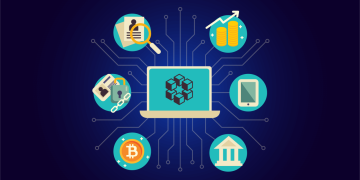
NFTs rely on blockchain technology, providing decentralization, immutability, and transparency. Ethereum is the most widely used blockchain for NFT minting, offering a robust infrastructure for smart contracts and token standards like ERC-721 and ERC-1155.
4.2. Smart Contracts and Automation
Smart contracts embedded in NFTs allow automated royalty distribution, conditional ownership transfer, and enforcement of contractual agreements without intermediaries. This programmable nature reduces disputes and ensures fair compensation for artists.
4.3. Interoperability and Marketplaces
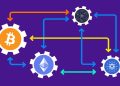
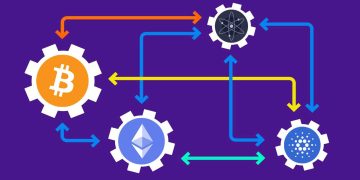
NFTs can be traded across multiple marketplaces and platforms, creating a liquid, interconnected ecosystem. Cross-chain solutions are emerging, enabling NFTs to move between blockchains and broadening market accessibility.
4.4. Environmental Considerations
NFTs have faced criticism for their environmental impact, particularly those minted on Proof-of-Work blockchains like Ethereum. However, the transition to Proof-of-Stake and the development of eco-friendly chains are mitigating these concerns.
Chapter 5: Case Studies and Market Adoption
5.1. Beeple and the Mainstream Breakthrough
In March 2021, Beeple’s NFT artwork “Everydays: The First 5000 Days” sold at Christie’s for $69 million, marking the first major NFT auction by a traditional house. This event validated NFTs as a legitimate asset class and demonstrated their potential to disrupt traditional art market valuation.
5.2. CryptoPunks and Collectible Culture
CryptoPunks, a series of 10,000 pixelated characters, became highly coveted digital collectibles, emphasizing the role of community and rarity in NFT valuation. These projects highlight how NFTs blend art, culture, and technology to create new markets.
5.3. Brands and Institutional Adoption
Brands such as Nike, Gucci, and Sotheby’s are increasingly leveraging NFTs for digital art, collectibles, and branding. Institutional adoption signals the legitimization of NFTs as a financial and cultural asset, bridging traditional and digital art markets.
Chapter 6: Challenges and Criticisms
6.1. Market Speculation and Bubble Risks
The NFT market has experienced rapid price escalation, prompting concerns about speculation and potential market bubbles. While some investors achieve high returns, the lack of intrinsic valuation models poses risks for market stability.
6.2. Legal and Regulatory Uncertainty
NFTs operate in a nascent regulatory environment, raising questions about intellectual property rights, copyright enforcement, and taxation. As the market matures, legal frameworks will need to evolve to provide clarity and protect stakeholders.
6.3. Digital Divide and Accessibility
While NFTs democratize access to art, participation requires technical literacy, cryptocurrency wallets, and internet access, which can exclude some creators and collectors. Bridging this gap is essential for inclusive growth.
Chapter 7: The Future of NFTs in the Art Market
7.1. Integration with Physical Art
NFTs are increasingly linked to physical art pieces, enabling hybrid ownership models where a digital token represents a tangible artwork. This integration enhances provenance tracking and expands market possibilities.
7.2. Sustainability and Eco-Friendly Practices
The development of Proof-of-Stake blockchains and carbon offset initiatives is reducing the environmental footprint of NFT creation, addressing one of the main criticisms of digital art markets.
7.3. Cultural and Social Impacts
NFTs are reshaping cultural production by empowering artists globally, fostering new communities, and creating participatory experiences for collectors. Digital art ownership is becoming a social and economic phenomenon, not just a financial asset.
7.4. Long-Term Market Evolution
The NFT market is likely to stabilize and mature, with professional infrastructure, standardized valuation methods, and broader institutional participation. Over time, NFTs may become a mainstream component of art investment portfolios and cultural preservation strategies.
Conclusion
NFTs have undeniably transformed the traditional art market, breaking down barriers for emerging artists, enhancing transparency, and creating new economic models for creators and collectors. By combining blockchain technology, smart contracts, and digital scarcity, NFTs have introduced a paradigm shift in ownership, provenance, and monetization of art.
While challenges remain—such as market volatility, regulatory uncertainty, and environmental concerns—the long-term potential of NFTs to reshape cultural and economic frameworks is profound. As the technology matures, NFTs are poised to become an integral part of the art ecosystem, bridging digital innovation with traditional practices and redefining the future of art itself.