






























Introduction
The world of blockchain and cryptocurrency is inherently transparent, offering unprecedented opportunities for both security and analysis. Every transaction made on a blockchain is publicly recorded, creating an environment rich with data. This transparency has led to the development of numerous on-chain analytics tools, each providing unique insights into the behavior of users, assets, and networks. Among these, wallet behavior analysis has emerged as one of the most important and powerful methods for understanding the dynamics of blockchain ecosystems.
Wallet behavior analysis is a crucial component of on-chain lens technology, a suite of tools and methodologies designed to extract meaningful patterns from blockchain data. By tracking the interactions of individual or group wallets, analysts can gain insights into market trends, identify potential risks, and uncover patterns of illicit behavior such as money laundering, market manipulation, and fraud. For blockchain developers, businesses, and regulators, the ability to analyze wallet behavior is not only valuable for market strategies but also for maintaining the integrity of the ecosystem.
In this article, we will delve into wallet behavior analysis, exploring its role within on-chain lens technology, its methodologies, and its applications across various industries. We will also examine the challenges and potential future developments in this rapidly evolving field.
Chapter 1: Understanding Wallet Behavior Analysis
1.1. What is Wallet Behavior Analysis?
Wallet behavior analysis involves the study of how wallets interact with one another and the broader blockchain network. Every wallet in a blockchain ecosystem is associated with a series of transactions that can be traced, categorized, and analyzed. By observing patterns in these transactions, analysts can gain insights into an individual’s or a group’s financial activity, motivations, and behavioral tendencies.
The behavior of a wallet is typically examined in the following contexts:
- Transaction Frequency: The number of transactions made by a wallet within a specific period.
- Transaction Size: The value of assets transferred through the wallet.
- Transaction Direction: Whether assets are being sent or received by the wallet.
- Wallet Interactions: Which addresses a wallet interacts with, and how often.
- Types of Assets: What types of tokens or cryptocurrencies are being handled.
1.2. The Role of Blockchain Transparency
Blockchain networks like Bitcoin, Ethereum, and Solana are built on transparent, immutable ledgers, meaning that every transaction is recorded and publicly available for anyone to analyze. Each wallet is identified by a unique address, and the blockchain logs every transfer associated with that address. While personal identification data is not directly linked to wallet addresses (ensuring some degree of privacy), the transactional data itself is fully traceable.
This public transparency enables powerful tools like wallet behavior analysis to be applied to track the movement of funds, identify patterns, and evaluate market sentiment. By studying the actions of wallets, analysts can identify trends in user behavior, liquidity flows, and potential signals of market shifts.
1.3. On-Chain Lens Technology: An Overview
On-chain lens technology refers to a collection of techniques and tools designed to extract actionable insights from blockchain data. These tools focus on visualizing and analyzing on-chain behavior to provide a clearer understanding of how assets and users interact within a blockchain network.
Wallet behavior analysis is one of the core components of this technology, but it is complemented by other analytical tools such as:
- Blockchain Explorers: Visual tools that allow users to navigate and examine blockchain data.
- Smart Contract Analytics: Analyzing the behavior of smart contracts and how they interact with wallets and assets.
- Token Movement Tracking: Following the movement of specific tokens across wallets to track trends or suspicious activity.
- Sentiment Analysis: Analyzing the emotional tone or sentiment behind blockchain discussions (often sourced from social media or forums) to assess market sentiment.
Chapter 2: Methods and Tools for Wallet Behavior Analysis
2.1. Address Tagging and Clustering
A fundamental method in wallet behavior analysis is address tagging, which involves associating certain wallet addresses with known entities or activities. For example, exchanges, market makers, or large-scale investors can be identified by their wallet addresses and grouped together. This helps analysts to track the movements of significant players in the market and understand how these players influence the broader ecosystem.
In addition to tagging individual wallets, clustering is used to identify groups of wallets that may belong to the same entity or actor. Clustering algorithms analyze patterns of interaction between wallets and group them based on shared characteristics, such as transaction volume, timing, and common addresses. By clustering wallets, analysts can uncover the behaviors of large-scale actors and track the flow of funds more accurately.
2.2. Transaction Graph Analysis
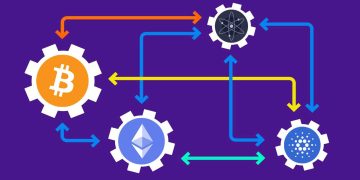
Another key tool in wallet behavior analysis is transaction graph analysis, which visualizes the flow of funds between wallets. By mapping out how assets move across different addresses, analysts can identify clusters of activity, detect unusual transactions, and uncover potential fraudulent behavior.
Transaction graph analysis can reveal several important insights:
- High-Risk Activity: By tracking the movement of funds from wallets associated with illicit activity (such as those linked to hacks, money laundering, or dark market transactions), analysts can flag suspicious activity in real-time.
- Market Trends: By identifying wallets associated with large institutional investors or whales, analysts can gauge the impact of their transactions on the market and detect signals of price movement.
- Liquidity Flows: Transaction graph analysis helps track liquidity movement within the ecosystem, which is useful for understanding where money is flowing (e.g., from decentralized exchanges to centralized exchanges).
2.3. Behavioral Modeling
To go beyond raw transaction data, behavioral modeling techniques are used to analyze the habits and patterns of wallet owners. These models aim to understand the intent and motivations behind wallet transactions, providing deeper insights into user behavior.
For example, wallet owners may exhibit certain patterns over time, such as consistent trading strategies, frequent small transactions, or large infrequent transactions. By developing behavioral models based on these patterns, analysts can predict future actions, such as the likelihood of a wallet holder making a large purchase, selling off assets, or shifting funds into different cryptocurrencies.
2.4. Machine Learning and AI in Wallet Behavior Analysis
As the volume of blockchain data continues to grow, machine learning (ML) and artificial intelligence (AI) are playing an increasingly significant role in wallet behavior analysis. These technologies are used to:
- Detect Anomalies: ML algorithms can be trained to identify unusual transaction patterns, such as a sudden surge in transaction volume or a wallet that engages in behavior typical of a hacker or scammer.
- Predict Market Movements: AI models can analyze the behavior of large groups of wallets to predict potential market shifts or trends, such as the likelihood of a whale moving assets out of the market or the emergence of new market participants.
- Optimize Trading Strategies: Traders and institutional investors use AI-based wallet behavior analysis tools to refine their strategies, identify arbitrage opportunities, and gauge market sentiment in real time.
Chapter 3: Applications of Wallet Behavior Analysis
3.1. Detecting Fraud and Money Laundering
One of the most critical applications of wallet behavior analysis is fraud detection. Due to the anonymity and pseudonymity of blockchain transactions, illicit actors can exploit the system for activities like money laundering, theft, and fraud. However, by analyzing wallet behavior, it is possible to spot suspicious patterns indicative of these crimes.
- Money Laundering: Wallet behavior analysis can detect signs of layering—a tactic used by money launderers to obscure the origin of illicit funds. This involves making numerous small transactions between various wallets before the funds are integrated back into the legitimate financial system.
- Pump and Dump Schemes: Analysts can identify wallets that are engaging in market manipulation, such as artificially inflating the price of a token through coordinated buy/sell actions, often referred to as “pump and dump” schemes.
By identifying suspicious wallet behavior early, regulatory bodies and blockchain companies can take proactive measures to prevent illegal activities within the ecosystem.
3.2. Market Sentiment Analysis
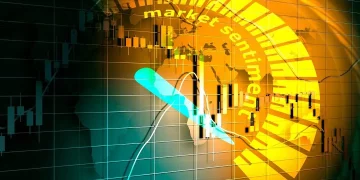
Wallet behavior analysis is also useful for gauging market sentiment. By tracking the actions of large institutional investors, whale wallets, and market movers, analysts can understand the broader mood of the market.
- Whale Activity: When large holders of cryptocurrency move substantial amounts of assets, it often signals changes in market sentiment. Whether they are buying or selling, these actions can have a significant impact on market prices and are often monitored closely by traders and investors.
- Token Adoption Trends: By analyzing the frequency of transactions involving specific tokens, analysts can gauge the level of interest in certain blockchain projects or applications. This helps identify which projects are gaining traction and which may be losing momentum.
3.3. Enhancing Blockchain Security
Blockchain networks rely on decentralized consensus mechanisms for security, but these systems are not immune to attacks. Wallet behavior analysis can contribute to enhanced security by monitoring suspicious or malicious wallet activity.
- Hacks and Exploits: By tracking the movement of funds from wallets linked to hacks or exploits, analysts can quickly respond to security threats and mitigate potential damage.
- Smart Contract Vulnerabilities: Through transaction graph analysis, analysts can identify patterns that suggest the exploitation of smart contract vulnerabilities, such as excessive gas fees or abnormal contract interactions.
3.4. Optimizing Blockchain Protocols and Ecosystem Health
For blockchain developers and ecosystem managers, wallet behavior analysis is essential for understanding the health and performance of a blockchain network. By tracking the behavior of users and wallets, developers can identify bottlenecks in the network, improve transaction throughput, and ensure that the blockchain ecosystem remains efficient and robust.
Chapter 4: Challenges and Future Directions
4.1. Privacy Concerns and Regulatory Compliance
While wallet behavior analysis provides valuable insights, it also raises important privacy concerns. Although blockchain networks are transparent, they are pseudonymous, meaning that wallet addresses do not directly reveal the identity of their owners. This creates a tension between the need for privacy and the desire for transparency in analyzing transactions.
Regulatory bodies are increasingly concerned with ensuring that wallet behavior analysis complies with data protection laws, such as the General Data Protection Regulation (GDPR) in Europe, which imposes strict rules on the processing of personal data.
4.2. Data Volume and Complexity
As blockchain networks continue to scale, the volume of transaction data becomes more difficult to manage and analyze. The complexity of analyzing large datasets, combined with the evolving nature of blockchain protocols, requires advanced data processing tools and technologies, such as AI and machine learning.
4.3. Improving Analytics Accuracy
To improve the accuracy and effectiveness of wallet behavior analysis, more advanced clustering algorithms, pattern recognition tools, and predictive modeling techniques are needed. As the field matures, future innovations will likely allow analysts to uncover deeper insights and provide more precise predictions about user behavior.
Conclusion
Wallet behavior analysis plays a pivotal role in the broader field of on-chain analytics and lens technology. By examining wallet transactions, analysts can gain insights into market trends, detect illicit activity, and optimize blockchain ecosystems. However, challenges such as privacy concerns, regulatory compliance, and data scalability remain.
As blockchain technology evolves, so too will the tools and methodologies for analyzing wallet behavior. The increasing adoption of AI, machine learning, and advanced data visualization techniques will continue to enhance the accuracy and effectiveness of wallet behavior analysis, making it an indispensable tool for both businesses and regulators in the blockchain space.