
























BlockChainIndex.net
  • Home
  • Chain Core
    Cross-Chain Compatibility: Addressing the Challenges and Solutions

    Cross-Chain Compatibility: Addressing the Challenges and Solutions

    The Security Issues of Consensus Mechanisms: An Ongoing Debate

    The Security Issues of Consensus Mechanisms: An Ongoing Debate

    The Lightning Network: The Most Famous Layer 2 Solution on Bitcoin

    The Lightning Network: The Most Famous Layer 2 Solution on Bitcoin

    Consensus Mechanisms of Layer 1 and Layer 2: The Backbone of Blockchain Scalability

    Consensus Mechanisms of Layer 1 and Layer 2: The Backbone of Blockchain Scalability

    Proof of Stake vs Proof of Work

    Proof of Stake vs Proof of Work

    Multi-Consensus Algorithms: Evolving the Future of Blockchain Technology

    Multi-Consensus Algorithms: Evolving the Future of Blockchain Technology

  • Crypto Markets
    Sustainable Yield: Unlocking the Potential for Long-Term Financial Growth

    Sustainable Yield: Unlocking the Potential for Long-Term Financial Growth

    Market Sentiment and Macroeconomic Factors: Interactions and Impacts

    Market Sentiment and Macroeconomic Factors: Interactions and Impacts

    Leveraging On-Chain Data for Real-Time Market Analysis and Intelligence for Investors

    Leveraging On-Chain Data for Real-Time Market Analysis and Intelligence for Investors

    The Stock-to-Flow Model: Analyzing Bitcoin’s Scarcity and Price Predictions

    The Stock-to-Flow Model: Analyzing Bitcoin’s Scarcity and Price Predictions

    Bitcoin Price Volatility and Its Impact on the Entire Market Trend

    Bitcoin Price Volatility and Its Impact on the Entire Market Trend

    The Shifting Dominance of Bitcoin in the Cryptocurrency Market: A Key Indicator for Market Analysis

    The Shifting Dominance of Bitcoin in the Cryptocurrency Market: A Key Indicator for Market Analysis

  • Enterprise Chain
    Electronic Health Records (EHR): Transforming Healthcare for the Future

    Electronic Health Records (EHR): Transforming Healthcare for the Future

    The Integration of Supply Chains and the Internet of Things (IoT)

    The Integration of Supply Chains and the Internet of Things (IoT)

    Supply Chain Financing and Payments

    Supply Chain Financing and Payments

    Optimizing Supply Chain Protocols with Smart Contracts

    Optimizing Supply Chain Protocols with Smart Contracts

    Walmart and IBM’s Food Safety Blockchain Collaboration: Using Blockchain Technology to Track Food Sources and Movement

    Walmart and IBM’s Food Safety Blockchain Collaboration: Using Blockchain Technology to Track Food Sources and Movement

    Global Food Traceability: Ensuring Safety, Transparency, and Sustainability in the Food Supply Chain

    Global Food Traceability: Ensuring Safety, Transparency, and Sustainability in the Food Supply Chain

  • NFT Frontier
    Environmental Concerns in the NFT Industry: Balancing Innovation with Sustainability

    Environmental Concerns in the NFT Industry: Balancing Innovation with Sustainability

    NFT Copyright and Intellectual Property Issues

    NFT Copyright and Intellectual Property Issues

    Decentralization of the Art Market: A New Era of Digital Ownership

    Decentralization of the Art Market: A New Era of Digital Ownership

    NFTs Disrupting the Traditional Art Market

    NFTs Disrupting the Traditional Art Market

    The Explosion of Digital Art and the NFT Market: Revolutionizing the Art World

    The Explosion of Digital Art and the NFT Market: Revolutionizing the Art World

    Emerging Trends in Digital Collectibles: The Future of Ownership in the Digital Age

    Emerging Trends in Digital Collectibles: The Future of Ownership in the Digital Age

  • On-Chain Lens
    Balancing Privacy and Security: A Critical Exploration in the Digital Age

    Balancing Privacy and Security: A Critical Exploration in the Digital Age

    Despite Blockchain Transactions Being Public and Transparent, the Anonymity of Wallets Remains a Challenge

    Despite Blockchain Transactions Being Public and Transparent, the Anonymity of Wallets Remains a Challenge

    Wallet and Smart Contract Interaction: Key Analysis Objects of On-Chain Lens Technology

    Wallet and Smart Contract Interaction: Key Analysis Objects of On-Chain Lens Technology

    On-Chain Lens: Analyzing the Flow of Funds Between Wallets Using Blockchain’s Public Ledger

    On-Chain Lens: Analyzing the Flow of Funds Between Wallets Using Blockchain’s Public Ledger

    Tracking and Analyzing Capital Flows: A Comprehensive Guide to Understanding Financial Movements

    Tracking and Analyzing Capital Flows: A Comprehensive Guide to Understanding Financial Movements

    Wallet Behavior Analysis: The Core of On-Chain Lens Technology

    Wallet Behavior Analysis: The Core of On-Chain Lens Technology

  • Reg Radar
    Building Compliance Frameworks: The Increasing Importance for Crypto Companies in Addressing Regulatory Challenges

    Building Compliance Frameworks: The Increasing Importance for Crypto Companies in Addressing Regulatory Challenges

    Global Consistency and Diversity: Navigating the Balance in a Connected World

    Global Consistency and Diversity: Navigating the Balance in a Connected World

    The European Union’s MiCA Regulation: A New Era for Crypto-Asset Regulation

    The European Union’s MiCA Regulation: A New Era for Crypto-Asset Regulation

    The Evolving Regulatory Landscape: Challenges and Opportunities for Crypto Businesses

    The Evolving Regulatory Landscape: Challenges and Opportunities for Crypto Businesses

    The Evolving Regulatory Frameworks Across Global Regions: Progress and Adjustments in the Face of Emerging Challenges

    The Evolving Regulatory Frameworks Across Global Regions: Progress and Adjustments in the Face of Emerging Challenges

    The U.S. SEC: One of the Most Important Regulatory Bodies for the Crypto Market

    The U.S. SEC: One of the Most Important Regulatory Bodies for the Crypto Market

BlockChainIndex.net
  • Home
  • Chain Core
    Cross-Chain Compatibility: Addressing the Challenges and Solutions

    Cross-Chain Compatibility: Addressing the Challenges and Solutions

    The Security Issues of Consensus Mechanisms: An Ongoing Debate

    The Security Issues of Consensus Mechanisms: An Ongoing Debate

    The Lightning Network: The Most Famous Layer 2 Solution on Bitcoin

    The Lightning Network: The Most Famous Layer 2 Solution on Bitcoin

    Consensus Mechanisms of Layer 1 and Layer 2: The Backbone of Blockchain Scalability

    Consensus Mechanisms of Layer 1 and Layer 2: The Backbone of Blockchain Scalability

    Proof of Stake vs Proof of Work

    Proof of Stake vs Proof of Work

    Multi-Consensus Algorithms: Evolving the Future of Blockchain Technology

    Multi-Consensus Algorithms: Evolving the Future of Blockchain Technology

  • Crypto Markets
    Sustainable Yield: Unlocking the Potential for Long-Term Financial Growth

    Sustainable Yield: Unlocking the Potential for Long-Term Financial Growth

    Market Sentiment and Macroeconomic Factors: Interactions and Impacts

    Market Sentiment and Macroeconomic Factors: Interactions and Impacts

    Leveraging On-Chain Data for Real-Time Market Analysis and Intelligence for Investors

    Leveraging On-Chain Data for Real-Time Market Analysis and Intelligence for Investors

    The Stock-to-Flow Model: Analyzing Bitcoin’s Scarcity and Price Predictions

    The Stock-to-Flow Model: Analyzing Bitcoin’s Scarcity and Price Predictions

    Bitcoin Price Volatility and Its Impact on the Entire Market Trend

    Bitcoin Price Volatility and Its Impact on the Entire Market Trend

    The Shifting Dominance of Bitcoin in the Cryptocurrency Market: A Key Indicator for Market Analysis

    The Shifting Dominance of Bitcoin in the Cryptocurrency Market: A Key Indicator for Market Analysis

  • Enterprise Chain
    Electronic Health Records (EHR): Transforming Healthcare for the Future

    Electronic Health Records (EHR): Transforming Healthcare for the Future

    The Integration of Supply Chains and the Internet of Things (IoT)

    The Integration of Supply Chains and the Internet of Things (IoT)

    Supply Chain Financing and Payments

    Supply Chain Financing and Payments

    Optimizing Supply Chain Protocols with Smart Contracts

    Optimizing Supply Chain Protocols with Smart Contracts

    Walmart and IBM’s Food Safety Blockchain Collaboration: Using Blockchain Technology to Track Food Sources and Movement

    Walmart and IBM’s Food Safety Blockchain Collaboration: Using Blockchain Technology to Track Food Sources and Movement

    Global Food Traceability: Ensuring Safety, Transparency, and Sustainability in the Food Supply Chain

    Global Food Traceability: Ensuring Safety, Transparency, and Sustainability in the Food Supply Chain

  • NFT Frontier
    Environmental Concerns in the NFT Industry: Balancing Innovation with Sustainability

    Environmental Concerns in the NFT Industry: Balancing Innovation with Sustainability

    NFT Copyright and Intellectual Property Issues

    NFT Copyright and Intellectual Property Issues

    Decentralization of the Art Market: A New Era of Digital Ownership

    Decentralization of the Art Market: A New Era of Digital Ownership

    NFTs Disrupting the Traditional Art Market

    NFTs Disrupting the Traditional Art Market

    The Explosion of Digital Art and the NFT Market: Revolutionizing the Art World

    The Explosion of Digital Art and the NFT Market: Revolutionizing the Art World

    Emerging Trends in Digital Collectibles: The Future of Ownership in the Digital Age

    Emerging Trends in Digital Collectibles: The Future of Ownership in the Digital Age

  • On-Chain Lens
    Balancing Privacy and Security: A Critical Exploration in the Digital Age

    Balancing Privacy and Security: A Critical Exploration in the Digital Age

    Despite Blockchain Transactions Being Public and Transparent, the Anonymity of Wallets Remains a Challenge

    Despite Blockchain Transactions Being Public and Transparent, the Anonymity of Wallets Remains a Challenge

    Wallet and Smart Contract Interaction: Key Analysis Objects of On-Chain Lens Technology

    Wallet and Smart Contract Interaction: Key Analysis Objects of On-Chain Lens Technology

    On-Chain Lens: Analyzing the Flow of Funds Between Wallets Using Blockchain’s Public Ledger

    On-Chain Lens: Analyzing the Flow of Funds Between Wallets Using Blockchain’s Public Ledger

    Tracking and Analyzing Capital Flows: A Comprehensive Guide to Understanding Financial Movements

    Tracking and Analyzing Capital Flows: A Comprehensive Guide to Understanding Financial Movements

    Wallet Behavior Analysis: The Core of On-Chain Lens Technology

    Wallet Behavior Analysis: The Core of On-Chain Lens Technology

  • Reg Radar
    Building Compliance Frameworks: The Increasing Importance for Crypto Companies in Addressing Regulatory Challenges

    Building Compliance Frameworks: The Increasing Importance for Crypto Companies in Addressing Regulatory Challenges

    Global Consistency and Diversity: Navigating the Balance in a Connected World

    Global Consistency and Diversity: Navigating the Balance in a Connected World

    The European Union’s MiCA Regulation: A New Era for Crypto-Asset Regulation

    The European Union’s MiCA Regulation: A New Era for Crypto-Asset Regulation

    The Evolving Regulatory Landscape: Challenges and Opportunities for Crypto Businesses

    The Evolving Regulatory Landscape: Challenges and Opportunities for Crypto Businesses

    The Evolving Regulatory Frameworks Across Global Regions: Progress and Adjustments in the Face of Emerging Challenges

    The Evolving Regulatory Frameworks Across Global Regions: Progress and Adjustments in the Face of Emerging Challenges

    The U.S. SEC: One of the Most Important Regulatory Bodies for the Crypto Market

    The U.S. SEC: One of the Most Important Regulatory Bodies for the Crypto Market

BlockChainIndex.net
No Result
View All Result
Home Crypto Markets

Sustainable Yield: Unlocking the Potential for Long-Term Financial Growth

December 1, 2025
in Crypto Markets
Sustainable Yield: Unlocking the Potential for Long-Term Financial Growth

Introduction

In today’s rapidly evolving financial landscape, the quest for sustainable yield has become increasingly important for investors, businesses, and policymakers alike. As traditional investment strategies face challenges such as market volatility, rising inflation, and environmental concerns, sustainable yield has emerged as a key focal point for achieving long-term, stable financial returns. Sustainable yield refers to the ability to generate consistent returns over time while considering factors such as environmental sustainability, social responsibility, and economic resilience.

The idea of sustainable yield is not just about financial returns; it encompasses a broader definition of sustainability that aligns with global trends toward responsible investing. Whether you’re an institutional investor, a financial planner, or an individual looking to grow your wealth, understanding the principles of sustainable yield is crucial for navigating the complexities of the modern investment world.

In this article, we will explore what sustainable yield means, why it is important, and how it can be achieved through a variety of investment strategies, including green bonds, impact investing, and ESG (Environmental, Social, Governance) investing. We will also delve into the challenges and opportunities that sustainable yield presents, examining the role of governments, corporations, and investors in fostering a more sustainable financial future.


Understanding Sustainable Yield

1. The Concept of Yield

Before diving into the specifics of sustainable yield, it is important to define the term yield in a financial context. Yield refers to the income return on an investment, typically expressed as a percentage. It can come in various forms, including:

  • Interest income: The return on investments like bonds, savings accounts, or fixed-income securities.
  • Dividend income: The income generated from stocks or equity investments.
  • Capital gains: The return on the sale of an asset that has appreciated in value.

Traditional investors have often sought high-yield opportunities, focusing on investments that generate a quick return. However, this approach can be short-sighted, especially in an era where long-term sustainability has become a critical consideration.

2. Sustainable Yield Defined

Sustainable yield, in its essence, represents the ability to generate consistent, stable, and long-term returns while minimizing negative social, environmental, or economic impacts. Unlike traditional yield, which may focus solely on financial returns, sustainable yield incorporates the broader concept of responsible investing.

Sustainable yield is closely associated with the growing movement of Sustainable Finance, which aims to direct capital toward initiatives that promote sustainable development, such as renewable energy, social equity, and environmental protection. The goal is to create a financial ecosystem that supports sustainable growth while providing investors with adequate returns over time.

This approach is particularly important as environmental concerns, social responsibility, and corporate governance have taken on more prominence in investment decisions. Sustainable yield considers how investments impact not just the financial markets, but also society and the planet as a whole.


The Importance of Sustainable Yield

1. Adapting to Changing Market Conditions

The traditional model of seeking high returns with little regard for external factors is increasingly being seen as unsustainable. As global markets face growing challenges such as climate change, social inequality, and resource depletion, the need for sustainable investment strategies has never been more urgent.

For investors, focusing on sustainable yield is not only an ethical choice, but also a pragmatic one. Investments that fail to consider long-term risks, such as environmental degradation or social unrest, can underperform or even result in significant financial losses. Conversely, investments that align with sustainable practices tend to offer more resilience in the face of market volatility.

2. Risk Mitigation

Sustainable investments often come with lower long-term risk, as they tend to prioritize stability over quick gains. For example, companies that adhere to ESG (Environmental, Social, Governance) principles are less likely to be embroiled in scandals or regulatory issues, which can lead to financial losses. By investing in companies and assets that prioritize sustainability, investors can avoid risks associated with environmental damage, labor disputes, or poor governance.

Moreover, sustainable yield encourages diversification. By incorporating sustainable assets like green bonds, renewable energy stocks, or sustainable real estate, investors can reduce their exposure to traditional, high-risk sectors such as fossil fuels, which face increasing regulatory pressures and market uncertainty.

3. Aligning Investments with Values

For many investors, achieving sustainable yield is not just about financial returns. It’s also about aligning their investments with personal or organizational values. Impact investing and socially responsible investing (SRI) are two prominent strategies that allow individuals and institutions to direct their capital toward projects that promote social good while generating returns.

Sustainable yield helps align investments with broader societal goals, such as addressing climate change, promoting diversity and inclusion, and supporting clean energy transitions. This has become particularly important for millennials and younger generations, who are more likely to prioritize environmental and social issues when making investment decisions.

4. Regulatory and Stakeholder Pressure

As regulatory bodies increasingly push for sustainable financial practices, companies that fail to adopt sustainable practices may face higher compliance costs, regulatory penalties, and reputational risks. For example, many countries are adopting carbon pricing, sustainable finance regulations, and mandatory ESG disclosures, which will force companies to adapt their operations to meet these requirements.

Sustainable yield strategies enable companies and investors to proactively comply with these regulations and avoid the financial fallout associated with non-compliance. Moreover, consumers and stakeholders are increasingly demanding that businesses demonstrate corporate responsibility and ethical behavior, which can directly impact profitability.
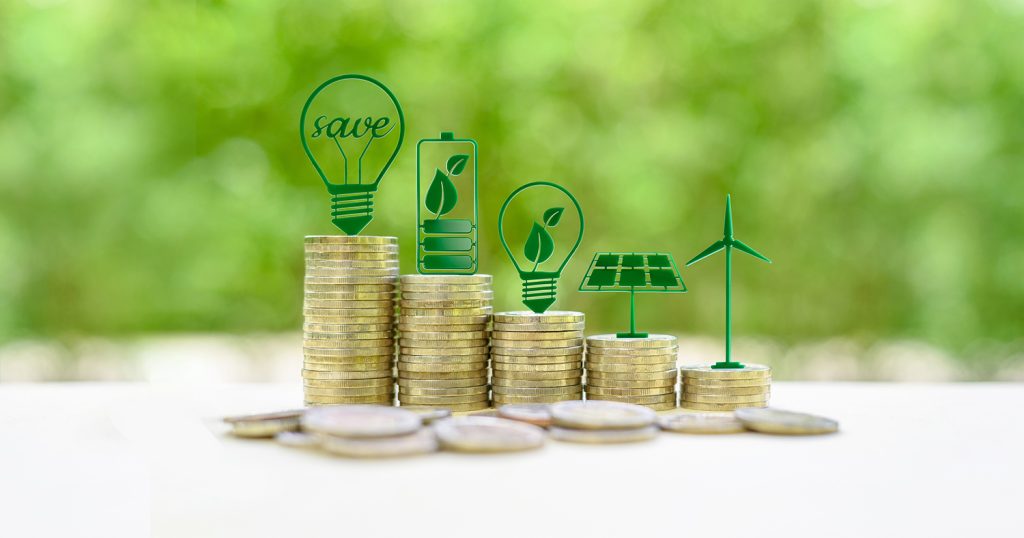

Achieving Sustainable Yield: Key Investment Strategies

To achieve sustainable yield, investors can adopt various strategies that promote long-term growth while incorporating environmental, social, and governance considerations. Some of the most effective strategies include:

1. ESG Investing (Environmental, Social, Governance)

ESG investing focuses on three critical factors—environmental sustainability, social responsibility, and corporate governance—in selecting investments. Investors assess companies based on how they manage their environmental impact, how they treat their employees and communities, and the strength of their governance structures.

  • Environmental: Does the company reduce its carbon footprint, manage resources efficiently, and support green initiatives?
  • Social: How does the company impact society, such as its approach to labor practices, diversity, and community engagement?
  • Governance: Does the company have a strong governance framework, with transparency, accountability, and sound leadership?

By integrating ESG factors into their investment analysis, investors can identify companies that are well-positioned for long-term success, not only from a financial perspective but also in terms of ethical and sustainable practices.

2. Impact Investing

Impact investing goes a step further than ESG investing by focusing on investments that actively aim to achieve specific social or environmental outcomes, alongside a financial return. For example, an impact investor might allocate funds to a clean energy project, a microfinance initiative, or a healthcare startup in underserved regions.

The goal of impact investing is not just to avoid harm but to create measurable positive impacts. Impact investors look for opportunities where their capital can directly contribute to solving global challenges, such as poverty, climate change, and healthcare access, while still providing a competitive return.

3. Green Bonds

Green bonds are fixed-income securities designed specifically to finance projects that have positive environmental benefits, such as renewable energy installations, energy efficiency upgrades, or sustainable infrastructure projects. Green bonds provide investors with the opportunity to support environmentally friendly initiatives while receiving a fixed income return.

The global market for green bonds has expanded significantly in recent years, as governments and corporations alike seek to meet their sustainability goals. Green bonds offer an attractive option for conservative investors who wish to maintain a stable income stream while aligning their investments with their environmental values.

4. Renewable Energy Investments

Investing in renewable energy is one of the most effective ways to achieve sustainable yield. As the world transitions away from fossil fuels, renewable energy sources such as solar, wind, geothermal, and hydropower are becoming increasingly competitive in terms of cost and efficiency.

Investing in renewable energy companies or funds allows investors to benefit from long-term growth in the clean energy sector. Moreover, the global push for decarbonization and the growing demand for renewable energy solutions provide strong growth prospects for businesses in this space.

5. Sustainable Real Estate

Sustainable real estate focuses on developing and investing in properties that meet high environmental standards. This includes energy-efficient buildings, green-certified properties, and developments that promote sustainability in terms of water conservation, waste management, and sustainable materials.

Real estate is traditionally seen as a stable, long-term investment, and sustainable properties are becoming increasingly attractive to investors due to their lower operational costs, reduced environmental impact, and growing demand for eco-friendly buildings.


Challenges and Barriers to Achieving Sustainable Yield

While the benefits of sustainable yield are clear, there are several challenges and barriers that investors and companies must overcome to fully realize its potential:

1. Lack of Standardization and Transparency

One of the major hurdles in sustainable investing is the lack of standardized metrics and reporting frameworks. While organizations like the Global Reporting Initiative (GRI) and SASB have developed frameworks for ESG reporting, there is still significant variation in how companies disclose their sustainability efforts. This lack of standardization makes it difficult for investors to compare companies and accurately assess their sustainability practices.

2. Greenwashing

Greenwashing refers to the practice of companies exaggerating or misrepresenting their environmental or social credentials to attract investors. In a landscape where sustainability is becoming a key selling point, some companies may engage in greenwashing to improve their image without making substantial changes to their operations.

Investors need to be vigilant and conduct thorough due diligence to ensure that the companies they invest in are genuinely committed to sustainability and not just using it as a marketing tool.

3. Short-Term Focus vs. Long-Term Thinking

Many traditional investors are primarily focused on short-term returns, which can make it difficult to adopt long-term sustainable yield strategies. Sustainable investing often requires a more patient, long-term approach, as the full benefits of sustainability initiatives may not materialize immediately.

Overcoming this short-term mentality is crucial for achieving sustainable yield. Investors must be willing to look beyond quarterly earnings and understand the broader impact of their investments on long-term value creation.


Conclusion

Achieving sustainable yield is no longer just a choice for investors—it is a necessity for those seeking long-term financial growth in a rapidly changing world. By aligning financial goals with sustainability principles, investors can not only generate consistent returns but also contribute to a more equitable, resilient, and environmentally sustainable future.

As we continue to confront global challenges such as climate change, inequality, and resource depletion, the importance of sustainable investing will only grow. By embracing strategies like ESG investing, impact investing, green bonds, and renewable energy investments, investors can play a pivotal role in shaping a more sustainable world while generating attractive financial returns.

The road to sustainable yield may not always be straightforward, but the rewards—both financial and societal—are worth the effort. Through thoughtful investment strategies and a commitment to responsible practices, investors can create a future where profitability and sustainability go hand in hand.

Tags: Crypto MarketsFinancial GrowthSustainable Yield
ShareTweetShare

Related Posts

Market Sentiment and Macroeconomic Factors: Interactions and Impacts
Crypto Markets

Market Sentiment and Macroeconomic Factors: Interactions and Impacts

November 30, 2025
Leveraging On-Chain Data for Real-Time Market Analysis and Intelligence for Investors
Crypto Markets

Leveraging On-Chain Data for Real-Time Market Analysis and Intelligence for Investors

November 29, 2025
The Stock-to-Flow Model: Analyzing Bitcoin’s Scarcity and Price Predictions
Crypto Markets

The Stock-to-Flow Model: Analyzing Bitcoin’s Scarcity and Price Predictions

November 28, 2025
Bitcoin Price Volatility and Its Impact on the Entire Market Trend
Crypto Markets

Bitcoin Price Volatility and Its Impact on the Entire Market Trend

November 27, 2025
The Shifting Dominance of Bitcoin in the Cryptocurrency Market: A Key Indicator for Market Analysis
Crypto Markets

The Shifting Dominance of Bitcoin in the Cryptocurrency Market: A Key Indicator for Market Analysis

November 26, 2025
Market Cycles and Bitcoin Market Dominance: Understanding the Dynamics of Cryptocurrency Markets
Crypto Markets

Market Cycles and Bitcoin Market Dominance: Understanding the Dynamics of Cryptocurrency Markets

November 25, 2025
Leave Comment
  • Trending
  • Comments
  • Latest
Combining Virtual Reality in the Metaverse with NFTs: Creating Richer Digital Experiences and Business Models

Combining Virtual Reality in the Metaverse with NFTs: Creating Richer Digital Experiences and Business Models

October 21, 2025
Leveraging Limited Edition NFT Merchandise to Attract Young Consumers, Enhance Brand Uniqueness, and Build Loyalty

Leveraging Limited Edition NFT Merchandise to Attract Young Consumers, Enhance Brand Uniqueness, and Build Loyalty

October 21, 2025
The Explosive Growth of the NFT Art Market: Scale, Activity, and Future Prospects

The Explosive Growth of the NFT Art Market: Scale, Activity, and Future Prospects

October 21, 2025
Brands and the Future of Commerce: Selling Virtual Goods through NFTs Tied to Physical Products

Brands and the Future of Commerce: Selling Virtual Goods through NFTs Tied to Physical Products

October 21, 2025
The Future Development Trend of Bitcoin

The Future Development Trend of Bitcoin

The Rise of Layer 2 Technology: Scaling Ethereum with Solutions like Optimism and Arbitrum

The Rise of Layer 2 Technology: Scaling Ethereum with Solutions like Optimism and Arbitrum

How Businesses Can Enhance Supply Chain Flexibility and Resilience Through Diversified Sourcing, Localized Production, and Risk Management Frameworks to Face Future Global Crises or Geopolitical Risks

How Businesses Can Enhance Supply Chain Flexibility and Resilience Through Diversified Sourcing, Localized Production, and Risk Management Frameworks to Face Future Global Crises or Geopolitical Risks

The Role of Blockchain in the Metaverse: New Infrastructure for the Virtual World

The Role of Blockchain in the Metaverse: New Infrastructure for the Virtual World

Environmental Concerns in the NFT Industry: Balancing Innovation with Sustainability

Environmental Concerns in the NFT Industry: Balancing Innovation with Sustainability

December 1, 2025
Electronic Health Records (EHR): Transforming Healthcare for the Future

Electronic Health Records (EHR): Transforming Healthcare for the Future

December 1, 2025
Sustainable Yield: Unlocking the Potential for Long-Term Financial Growth

Sustainable Yield: Unlocking the Potential for Long-Term Financial Growth

December 1, 2025
Cross-Chain Compatibility: Addressing the Challenges and Solutions

Cross-Chain Compatibility: Addressing the Challenges and Solutions

December 1, 2025
BlockChainIndex.net

From Layer2 technical deep dives to NFT market forecasting, we curate professional perspectives through on-chain analytics and industry expert collaborations. Stay ahead in blockchain innovation.

© 2025 blockchainindex.com. contacts:[email protected]

No Result
View All Result
  • Home
  • Chain Core
  • Crypto Markets
  • Enterprise Chain
  • NFT Frontier
  • On-Chain Lens
  • Reg Radar

© 2025 blockchainindex.com. contacts:[email protected]

Welcome Back!

Login to your account below

Forgotten Password?

Retrieve your password

Please enter your username or email address to reset your password.

Log In