




























Introduction
In recent years, the world of digital collectibles has surged in popularity, thanks to the advent of technologies like non-fungible tokens (NFTs), blockchain, and virtual environments. Once seen as a niche interest, digital collectibles have quickly become a mainstream phenomenon, attracting significant investment and attention from both tech enthusiasts and traditional collectors alike. These digital assets—ranging from virtual art and trading cards to virtual real estate—have introduced a new way of owning, trading, and engaging with unique digital items.
The concept of ownership is central to the appeal of digital collectibles. Unlike traditional physical items, digital collectibles are typically verified through blockchain technology, allowing for verifiable ownership, provenance, and scarcity. This technological infrastructure has not only redefined what it means to “own” something in the digital age but has also opened up new possibilities for creators, collectors, and investors.
This article will explore the emerging trends in the world of digital collectibles, examining the factors driving their growth, the types of digital assets involved, and the evolving landscape of virtual ownership. We will also look at the challenges and opportunities for creators and investors, the impact of NFTs on traditional markets, and the future potential of digital collectibles in a rapidly evolving digital economy.
Chapter 1: The Rise of Digital Collectibles
1.1. What Are Digital Collectibles?
Digital collectibles are unique, verifiable digital items that are often bought, sold, and traded in virtual markets. They are typically powered by blockchain technology, which ensures that each item is immutable and scarce, making them desirable to collectors. Non-fungible tokens (NFTs) are the most well-known form of digital collectibles, representing ownership of digital assets such as art, music, videos, and even tweets.
- Blockchain Verification: Unlike traditional collectibles, which rely on physical provenance and authentication, digital collectibles use blockchain technology to verify their uniqueness and ownership. This allows for the creation of digital assets that cannot be duplicated or forged, making them more secure and valuable.
- NFTs as the Backbone: NFTs, a type of cryptocurrency token, are non-interchangeable, meaning each token is unique or has a limited supply. This contrasts with traditional cryptocurrencies like Bitcoin or Ethereum, which are fungible and can be exchanged one for another. NFTs can represent anything from art and music to virtual real estate and collectibles in digital games.
1.2. The Evolution of Collectibles in the Digital World
Historically, collectibles have been physical objects—stamps, coins, artworks, and sports memorabilia—that held value based on rarity, condition, and historical significance. However, the digital age has introduced a new type of collectible that exists purely in the virtual realm. Digital collectibles offer several advantages over traditional collectibles, including:
- Global Accessibility: Digital items can be bought, sold, and traded across the globe with ease. Blockchain technology allows transactions to occur securely and transparently without the need for intermediaries such as auction houses or galleries.
- Instant Transferability: Unlike physical collectibles, digital items can be transferred instantly and securely between owners without the need for physical shipping or delivery.
- Permanent Provenance: Blockchain ensures that the history of a digital collectible can be traced back to its creation, giving collectors confidence in its authenticity and value.
1.3. Key Drivers of the Digital Collectibles Boom
Several factors have contributed to the rapid rise of digital collectibles in recent years:
- The Rise of NFTs: NFTs have gained tremendous popularity, particularly in the art, gaming, and entertainment sectors. High-profile NFT sales, such as the $69 million sale of a digital artwork by Beeple, have brought mainstream attention to the potential of digital assets.
- Increased Digital Consumption: As more people engage with digital content through social media, gaming, and online entertainment, the appetite for digital collectibles has grown. Collectors are increasingly interested in owning unique digital items that reflect their online personas or interests.
- Investment Potential: Digital collectibles have emerged as a new asset class for investors looking for high-risk, high-reward opportunities. The speculative nature of NFTs and other digital assets has led to a surge in trading volumes and value appreciation.
- Celebrity Endorsement: Celebrities and high-profile influencers have embraced NFTs and digital collectibles, further driving their popularity. This includes musicians like Kings of Leon and sports figures like LeBron James, who have launched their own NFT collections.
Chapter 2: Key Categories of Digital Collectibles
2.1. Digital Art: The Crown Jewel of Digital Collectibles
Digital art has been one of the most prominent categories within the digital collectibles space, with artists and creators using NFTs to sell unique works of art directly to collectors. The rise of NFT art has sparked debates about the value of digital creations, with many arguing that it democratizes the art market, giving new artists the ability to gain recognition and financial reward.
- NFT Art Sales: High-profile NFT art sales, such as the aforementioned Beeple artwork, have reshaped the digital art world. These sales not only highlight the growing demand for digital art but also underscore the potential for artists to bypass traditional gallery systems and sell directly to their audience.
- Provenance and Ownership: Blockchain ensures that digital artworks can be authenticated and traced back to the original creator. Each NFT represents a unique piece of artwork, with verifiable ownership, enabling buyers to own a one-of-a-kind digital creation that cannot be replicated or stolen.
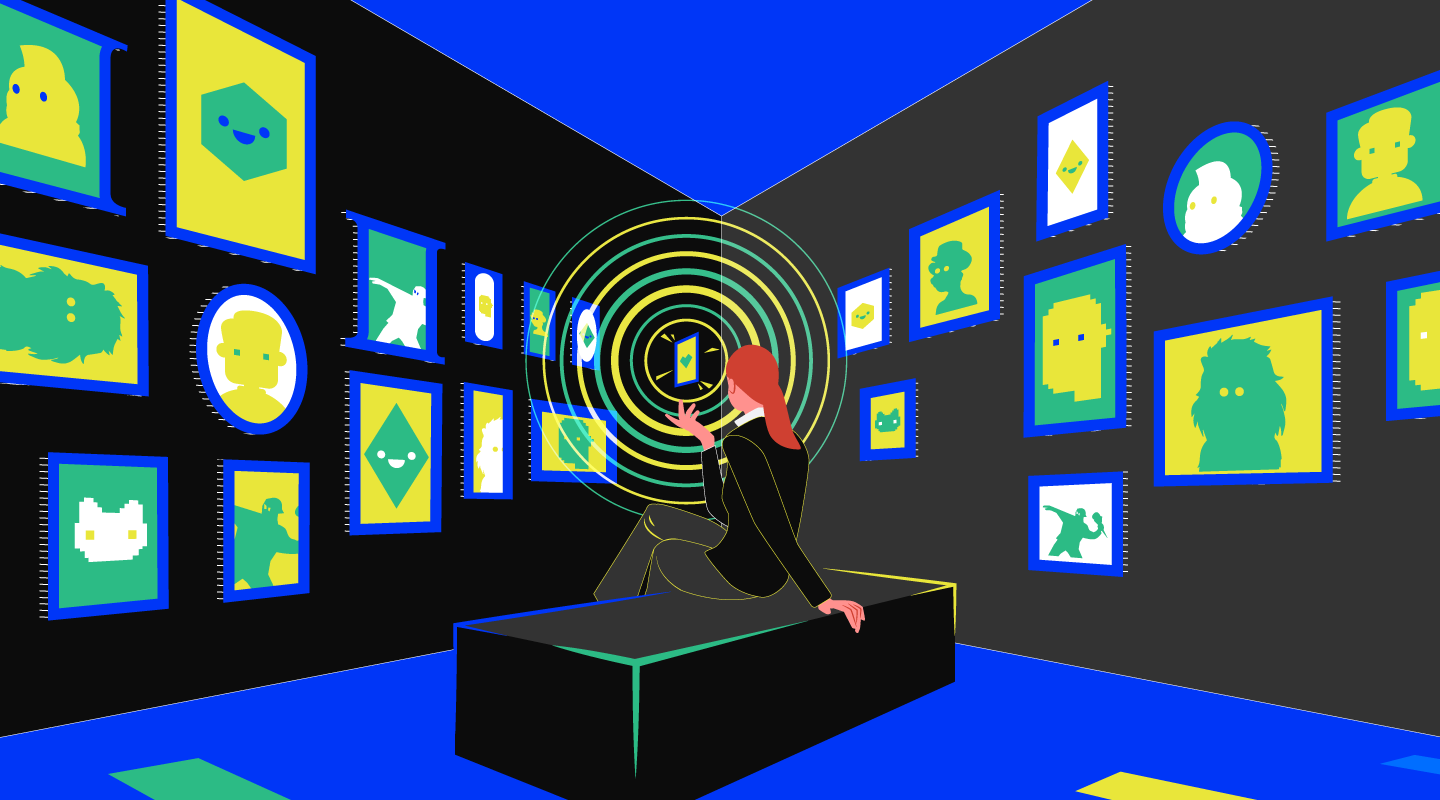
- Gallery Spaces and Virtual Exhibitions: Virtual galleries and digital exhibitions are emerging as platforms for artists to showcase their work in the metaverse. These virtual spaces allow for global access to art, further enhancing the potential of digital art as a mainstream collectible.
2.2. Virtual Real Estate: A New Frontier in Digital Collectibles
The rise of virtual worlds and metaverses has introduced a new category of digital collectibles: virtual real estate. Platforms like Decentraland, Cryptovoxels, and The Sandbox enable users to buy, sell, and develop virtual land within digital environments. These virtual spaces are often used for entertainment, socializing, gaming, or even building virtual businesses.
- Metaverse Economy: Virtual real estate in the metaverse is becoming an increasingly valuable asset. Users can develop virtual properties, host events, and engage in virtual commerce. The sale of virtual real estate has already reached millions of dollars, with some plots of land appreciating in value at a rate comparable to physical real estate markets.
- Play-to-Earn (P2E) Games: The P2E gaming model, where players can earn tokens or assets by playing games, has become a major driver of virtual real estate interest. Players can buy virtual properties within games and monetize them through in-game activities or by selling them on secondary markets.
2.3. Digital Trading Cards: A Blend of Tradition and Innovation
Digital trading cards are another significant category of digital collectibles, blending the nostalgia of physical card collecting with the advantages of digital ownership. Sports organizations, gaming companies, and media companies are embracing digital trading cards as a way to engage fans and collectors.
- Blockchain-Based Trading Cards: Platforms like TopShot, powered by NBA, allow users to buy, sell, and trade officially licensed digital basketball trading cards. These cards are tied to a unique NFT, ensuring scarcity and authenticity.
- Cross-Platform Trading: Many digital trading cards can be traded across platforms, allowing collectors to interact with a wider market. This has expanded the appeal of digital trading cards to a global audience, increasing their value and potential for investment.
2.4. Music and Video: Reimagining Ownership in the Entertainment Industry
Digital collectibles are also finding their way into the music and video industries. Musicians and content creators are using NFTs to release exclusive content and create new forms of fan engagement.
- NFT Music Releases: Musicians like Grimes, Kings of Leon, and Snoop Dogg have embraced NFTs to release exclusive albums, tracks, and concert tickets. These releases offer fans unique opportunities to own a piece of music history and access special experiences.
- Video Clips and Moments: Short-form videos and highlights, such as viral moments or clips from sports events, are also being sold as NFTs. These collectibles provide fans with a chance to own rare, iconic digital media.
Chapter 3: The Future of Digital Collectibles
3.1. The Rise of the Metaverse: A New Era for Digital Ownership
The metaverse, a fully immersive virtual environment, is poised to be a game-changer for digital collectibles. The metaverse offers a space where digital assets like art, real estate, and virtual goods can be bought, sold, and experienced in ways that extend far beyond traditional markets.
- Virtual Goods as Currency: In the metaverse, digital goods (including digital collectibles) could serve as the primary currency. Users may own, trade, and use digital collectibles to enhance their virtual lives, whether that means customizing avatars, participating in virtual economies, or attending events.
- Interoperability: One of the key advantages of the metaverse is the potential for interoperability across different virtual worlds. NFTs and digital assets that are created in one platform may be transferable and usable in another, creating a more seamless experience for users.
3.2. The Role of Artificial Intelligence (AI) in Digital Collectibles
As AI continues to evolve, it could play an important role in the creation and valuation of digital collectibles. AI-powered tools may assist artists in generating unique pieces of digital art, while AI-based systems could provide more accurate assessments of value for digital collectibles.
- AI-Generated Art: AI is already being used to generate digital artwork, with programs like DeepArt and Artbreeder allowing users to create one-of-a-kind pieces. As AI continues to improve, these tools could become integral to the creation of digital art collectibles.
- AI Valuation Tools: The valuation of digital collectibles is currently a largely subjective process. AI could help create more objective frameworks for determining the worth of digital assets, based on factors like rarity, provenance, and demand.
3.3. Sustainability and Environmental Impact of NFTs
One concern surrounding the rise of NFTs and digital collectibles is their environmental impact. Many blockchain networks, especially Ethereum, rely on proof-of-work consensus mechanisms, which are energy-intensive. As the demand for NFTs continues to grow, the environmental footprint of blockchain-based collectibles may come under scrutiny.
- Proof-of-Stake Solutions: The shift towards more energy-efficient blockchain technologies, such as Ethereum 2.0 (which uses proof-of-stake), could help mitigate the environmental impact of NFTs.
- Carbon Offsetting: Some platforms and creators are already taking steps to offset the carbon emissions generated by NFT transactions by purchasing carbon credits or supporting sustainability projects.
Conclusion
Digital collectibles have emerged as one of the most exciting and transformative trends in the world of digital assets. Powered by technologies like blockchain and NFTs, digital collectibles offer new possibilities for ownership, investment, and creativity in a fully digital world. As the market for these assets continues to expand, the ways in which we perceive ownership and value will likely undergo a profound shift.
While challenges such as environmental impact and market volatility remain, the growing interest in digital collectibles signals a fundamental change in how we engage with art, entertainment, and digital assets. As the metaverse continues to take shape and new technologies emerge, the future of digital collectibles looks promising, with opportunities for creators, collectors, and investors to redefine the concept of ownership in the digital age.