


























Introduction
The world of blockchain technology has fundamentally transformed industries by offering decentralized, secure, and transparent systems for recording data. At the core of this transformation is the public ledger, which maintains a comprehensive record of every transaction that occurs on a blockchain network. One of the most significant use cases of blockchain’s public ledger is the ability to track and analyze funds flow between wallets. This capability forms a crucial component of on-chain analytics, a rapidly growing field that leverages blockchain data to uncover patterns, track transactions, and gain insights into the behavior of users on a network.
Blockchain’s transparent nature allows for the creation of sophisticated tools and platforms to analyze how funds move between different wallets, providing insights that were previously difficult to obtain in traditional financial systems. This has far-reaching implications for applications ranging from financial auditing to fraud detection, and even market analysis within the cryptocurrency space.
In this article, we will explore the importance of analyzing funds flow between wallets on the blockchain, the methodologies employed to extract meaningful insights, and the broader implications of such analysis for businesses, regulators, and the crypto community. We will also address the challenges and potential privacy concerns that come with on-chain analysis and discuss the future trajectory of this technology in an increasingly decentralized world.
Chapter 1: The Blockchain Public Ledger and Its Role in Transparency
1.1. What is a Blockchain Public Ledger?
A blockchain public ledger is a decentralized database that records all transactions that occur within a specific blockchain network. This ledger is distributed across a network of nodes (computers), which makes it tamper-resistant and transparent. Each entry, or “block,” contains a record of a transaction, including details such as the sender’s wallet address, the recipient’s wallet address, and the amount of cryptocurrency transferred.
- Transparency: Since the ledger is public, anyone can view the transactions that occur on the blockchain, providing a high level of transparency and accountability.
- Immutability: Once a transaction is recorded on the blockchain, it cannot be altered or deleted. This ensures that the record of funds flow is permanent and secure.
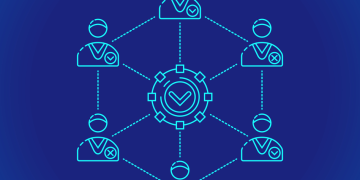
- Decentralization: The blockchain’s decentralized nature means that no single entity controls the ledger. This helps ensure that transactions are verified by the network through consensus mechanisms, making the system more resilient to fraud and tampering.
Because of these characteristics, the blockchain public ledger is an invaluable tool for tracking and analyzing transactions in a way that is both secure and verifiable.
1.2. On-Chain Data and Wallets
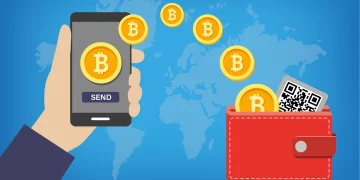
Blockchain transactions occur between digital wallets, which are cryptographic entities that store the keys used to access and transfer assets on the blockchain. Wallets can be controlled by individuals, exchanges, or smart contracts, and they serve as the primary means by which users interact with blockchain networks.
Each wallet has a unique public address that is recorded on the blockchain when transactions are initiated. While wallet addresses do not inherently reveal personal information about the wallet owner, the transparency of blockchain transactions allows for analysis of funds flow between different addresses. This forms the core of on-chain analytics—the process of examining the data stored on the blockchain to gain insights into the movement of funds.
Chapter 2: Methods of Analyzing Funds Flow Between Wallets
2.1. Blockchain Explorers: The First Step in On-Chain Analysis
One of the most basic tools for analyzing blockchain transactions is a blockchain explorer. These platforms provide a user-friendly interface for browsing the blockchain and inspecting individual transactions. Examples of blockchain explorers include Etherscan for Ethereum, Blockchain.com for Bitcoin, and Solscan for Solana.
Blockchain explorers allow users to:
- View transaction details, including the sender’s and receiver’s wallet addresses, transaction amounts, and timestamps.
- Track wallet activity by entering a wallet address and seeing all incoming and outgoing transactions associated with that address.
- Analyze block details such as block height, timestamp, and the number of transactions in each block.
However, while blockchain explorers are useful for basic transaction lookups, advanced on-chain analytics tools are required for more in-depth analysis.
2.2. Advanced On-Chain Analytics Tools
For deeper insights into the flow of funds and wallet behaviors, specialized on-chain analytics platforms are necessary. These tools provide more sophisticated features for tracking and analyzing blockchain transactions at scale. Some of the most prominent on-chain analytics platforms include Chainalysis, Glassnode, and Santiment.
- Chainalysis: One of the leading blockchain analytics firms, Chainalysis offers a suite of tools that allow users to track the movement of funds across different wallets, identify potentially suspicious activities, and conduct thorough investigations into blockchain transactions. Chainalysis is widely used by law enforcement and financial institutions for compliance and fraud detection.
- Glassnode: Glassnode focuses on delivering blockchain data and insights for both retail and institutional investors. It offers metrics like active addresses, network value-to-transactions ratio (NVT), and transaction volume, all of which help users understand the broader trends in funds flow.
- Santiment: Santiment provides tools for tracking on-chain activity, including the movement of funds between wallets. Their platform includes customizable alerts and visualization tools for real-time tracking of transactions, helping traders and analysts stay ahead of market trends.
2.3. Address Clustering and Entity Identification
One of the more sophisticated methods of analyzing funds flow between wallets involves address clustering. This technique groups together addresses that likely belong to the same entity (such as an individual or organization) based on transaction patterns and behavioral analysis.
- Heuristics-Based Clustering: By analyzing transaction patterns, such as funds being sent from multiple addresses to a single address, on-chain analysts can identify groups of addresses controlled by the same entity.
- Entity Recognition: In addition to clustering, more advanced analytics can identify specific entities, such as cryptocurrency exchanges, DeFi platforms, and even whale accounts (large holders of cryptocurrency), based on their transaction activity.
2.4. Tracking Flow of Funds Through Layer 2 Solutions and DeFi Protocols
The rise of Layer 2 solutions (such as Polygon and Optimism) and DeFi (Decentralized Finance) platforms has added complexity to on-chain analysis. These solutions allow for faster and cheaper transactions by processing them off the main blockchain, and they often involve sophisticated smart contract interactions.
- Layer 2: Transactions on Layer 2 platforms often result in aggregate transactions that are later settled on the main chain, which can complicate the analysis of individual wallet movements.
- DeFi Protocols: DeFi platforms, including Uniswap, Aave, and Compound, allow users to borrow, lend, and trade cryptocurrency in decentralized ways. Tracking funds flow through these platforms requires the analysis of smart contracts and decentralized exchange activity, which adds an additional layer of complexity to on-chain analytics.

Chapter 3: Applications of Wallet Funds Flow Analysis
3.1. Market Analysis and Sentiment Analysis
One of the primary use cases of wallet funds flow analysis is in market analysis. By tracking how funds are flowing between wallets, analysts can gain valuable insights into the sentiment and behavior of market participants.
- Whale Tracking: Monitoring the movement of large amounts of cryptocurrency between wallets (often referred to as whale activity) can signal significant market movements. For example, if a large wallet suddenly transfers a significant amount of Bitcoin to an exchange, it could signal that the owner is preparing to sell, potentially causing a price drop.
- Investor Behavior: By analyzing wallet addresses, analysts can determine whether funds are flowing into or out of long-term holding wallets, which could indicate investor confidence or the opposite.
3.2. Compliance and Anti-Money Laundering (AML)
The ability to trace the flow of funds between wallets is crucial for ensuring compliance with regulations like Know Your Customer (KYC) and Anti-Money Laundering (AML). By tracking transactions and identifying patterns associated with money laundering or fraud, organizations can ensure that they are not facilitating illegal activities.
- Suspicious Activity Monitoring: Tools like Chainalysis can help identify suspicious transactions, such as funds being sent to wallets associated with criminal activities or exchanges that do not comply with AML standards.
- Regulatory Reporting: On-chain analytics can help organizations generate reports for regulatory authorities, ensuring that they remain compliant with laws governing cryptocurrency transactions.
3.3. Risk Management and Fraud Detection
In addition to market analysis, tracking wallet funds flow is essential for risk management and fraud detection. Identifying unusual or anomalous behavior can help prevent fraudulent activity before it becomes a significant issue.
- Anomaly Detection: By establishing baseline patterns of normal activity on a blockchain network, analytics platforms can flag transactions that deviate from the norm, potentially indicating fraud or security breaches.
- Tracking Stolen Funds: In the case of hacks or scams, funds often flow through multiple wallets before being laundered or withdrawn. On-chain analysis can help trace stolen funds and prevent the movement of assets to bad actors.
3.4. Supply Chain and Product Tracking
Beyond financial transactions, wallet funds flow analysis can be used for supply chain management and product tracking. By associating blockchain transactions with physical goods, companies can trace the movement of products throughout the supply chain, ensuring transparency and accountability.
Chapter 4: Challenges and Limitations of On-Chain Funds Flow Analysis
4.1. Privacy Concerns
While blockchain transactions are transparent, they are also pseudonymous, meaning that wallet addresses do not directly reveal the identity of the owner. This creates a delicate balance between transparency and privacy. On-chain analytics platforms can identify the movement of funds, but it is often challenging to link wallet addresses to specific individuals or organizations without additional data.
4.2. Data Overload
The vast amount of transaction data on public blockchains can overwhelm analysts. Parsing through millions of transactions to uncover meaningful insights requires significant computational power and advanced algorithms.
4.3. Evolving Blockchain Technologies
The emergence of new blockchain technologies, such as Layer 2 solutions and sidechains, presents challenges for traditional on-chain analysis methods. Transactions on these networks may not be recorded on the main blockchain, making it more difficult to track funds flow accurately.
Conclusion
Analyzing the flow of funds between wallets using blockchain’s public ledger is a powerful tool for gaining insights into market behavior, ensuring compliance, detecting fraud, and improving transparency across industries. The advent of advanced on-chain analytics platforms has opened up new possibilities for blockchain analysis, enabling users to track funds flow in real time and uncover valuable patterns.
As blockchain technology continues to evolve, so too will the methodologies and tools used to analyze wallet activity. While challenges remain, particularly regarding privacy concerns and the increasing complexity of blockchain ecosystems, the future of on-chain analytics is bright, with vast potential to revolutionize industries from finance to supply chain management.