

































BlockChainIndex.net
  • Home
  • Chain Core
    Cross-Chain Compatibility: Addressing the Challenges and Solutions

    Cross-Chain Compatibility: Addressing the Challenges and Solutions

    The Security Issues of Consensus Mechanisms: An Ongoing Debate

    The Security Issues of Consensus Mechanisms: An Ongoing Debate

    The Lightning Network: The Most Famous Layer 2 Solution on Bitcoin

    The Lightning Network: The Most Famous Layer 2 Solution on Bitcoin

    Consensus Mechanisms of Layer 1 and Layer 2: The Backbone of Blockchain Scalability

    Consensus Mechanisms of Layer 1 and Layer 2: The Backbone of Blockchain Scalability

    Proof of Stake vs Proof of Work

    Proof of Stake vs Proof of Work

    Multi-Consensus Algorithms: Evolving the Future of Blockchain Technology

    Multi-Consensus Algorithms: Evolving the Future of Blockchain Technology

  • Crypto Markets
    Sustainable Yield: Unlocking the Potential for Long-Term Financial Growth

    Sustainable Yield: Unlocking the Potential for Long-Term Financial Growth

    Market Sentiment and Macroeconomic Factors: Interactions and Impacts

    Market Sentiment and Macroeconomic Factors: Interactions and Impacts

    Leveraging On-Chain Data for Real-Time Market Analysis and Intelligence for Investors

    Leveraging On-Chain Data for Real-Time Market Analysis and Intelligence for Investors

    The Stock-to-Flow Model: Analyzing Bitcoin’s Scarcity and Price Predictions

    The Stock-to-Flow Model: Analyzing Bitcoin’s Scarcity and Price Predictions

    Bitcoin Price Volatility and Its Impact on the Entire Market Trend

    Bitcoin Price Volatility and Its Impact on the Entire Market Trend

    The Shifting Dominance of Bitcoin in the Cryptocurrency Market: A Key Indicator for Market Analysis

    The Shifting Dominance of Bitcoin in the Cryptocurrency Market: A Key Indicator for Market Analysis

  • Enterprise Chain
    Electronic Health Records (EHR): Transforming Healthcare for the Future

    Electronic Health Records (EHR): Transforming Healthcare for the Future

    The Integration of Supply Chains and the Internet of Things (IoT)

    The Integration of Supply Chains and the Internet of Things (IoT)

    Supply Chain Financing and Payments

    Supply Chain Financing and Payments

    Optimizing Supply Chain Protocols with Smart Contracts

    Optimizing Supply Chain Protocols with Smart Contracts

    Walmart and IBM’s Food Safety Blockchain Collaboration: Using Blockchain Technology to Track Food Sources and Movement

    Walmart and IBM’s Food Safety Blockchain Collaboration: Using Blockchain Technology to Track Food Sources and Movement

    Global Food Traceability: Ensuring Safety, Transparency, and Sustainability in the Food Supply Chain

    Global Food Traceability: Ensuring Safety, Transparency, and Sustainability in the Food Supply Chain

  • NFT Frontier
    Environmental Concerns in the NFT Industry: Balancing Innovation with Sustainability

    Environmental Concerns in the NFT Industry: Balancing Innovation with Sustainability

    NFT Copyright and Intellectual Property Issues

    NFT Copyright and Intellectual Property Issues

    Decentralization of the Art Market: A New Era of Digital Ownership

    Decentralization of the Art Market: A New Era of Digital Ownership

    NFTs Disrupting the Traditional Art Market

    NFTs Disrupting the Traditional Art Market

    The Explosion of Digital Art and the NFT Market: Revolutionizing the Art World

    The Explosion of Digital Art and the NFT Market: Revolutionizing the Art World

    Emerging Trends in Digital Collectibles: The Future of Ownership in the Digital Age

    Emerging Trends in Digital Collectibles: The Future of Ownership in the Digital Age

  • On-Chain Lens
    Balancing Privacy and Security: A Critical Exploration in the Digital Age

    Balancing Privacy and Security: A Critical Exploration in the Digital Age

    Despite Blockchain Transactions Being Public and Transparent, the Anonymity of Wallets Remains a Challenge

    Despite Blockchain Transactions Being Public and Transparent, the Anonymity of Wallets Remains a Challenge

    Wallet and Smart Contract Interaction: Key Analysis Objects of On-Chain Lens Technology

    Wallet and Smart Contract Interaction: Key Analysis Objects of On-Chain Lens Technology

    On-Chain Lens: Analyzing the Flow of Funds Between Wallets Using Blockchain’s Public Ledger

    On-Chain Lens: Analyzing the Flow of Funds Between Wallets Using Blockchain’s Public Ledger

    Tracking and Analyzing Capital Flows: A Comprehensive Guide to Understanding Financial Movements

    Tracking and Analyzing Capital Flows: A Comprehensive Guide to Understanding Financial Movements

    Wallet Behavior Analysis: The Core of On-Chain Lens Technology

    Wallet Behavior Analysis: The Core of On-Chain Lens Technology

  • Reg Radar
    Building Compliance Frameworks: The Increasing Importance for Crypto Companies in Addressing Regulatory Challenges

    Building Compliance Frameworks: The Increasing Importance for Crypto Companies in Addressing Regulatory Challenges

    Global Consistency and Diversity: Navigating the Balance in a Connected World

    Global Consistency and Diversity: Navigating the Balance in a Connected World

    The European Union’s MiCA Regulation: A New Era for Crypto-Asset Regulation

    The European Union’s MiCA Regulation: A New Era for Crypto-Asset Regulation

    The Evolving Regulatory Landscape: Challenges and Opportunities for Crypto Businesses

    The Evolving Regulatory Landscape: Challenges and Opportunities for Crypto Businesses

    The Evolving Regulatory Frameworks Across Global Regions: Progress and Adjustments in the Face of Emerging Challenges

    The Evolving Regulatory Frameworks Across Global Regions: Progress and Adjustments in the Face of Emerging Challenges

    The U.S. SEC: One of the Most Important Regulatory Bodies for the Crypto Market

    The U.S. SEC: One of the Most Important Regulatory Bodies for the Crypto Market

BlockChainIndex.net
  • Home
  • Chain Core
    Cross-Chain Compatibility: Addressing the Challenges and Solutions

    Cross-Chain Compatibility: Addressing the Challenges and Solutions

    The Security Issues of Consensus Mechanisms: An Ongoing Debate

    The Security Issues of Consensus Mechanisms: An Ongoing Debate

    The Lightning Network: The Most Famous Layer 2 Solution on Bitcoin

    The Lightning Network: The Most Famous Layer 2 Solution on Bitcoin

    Consensus Mechanisms of Layer 1 and Layer 2: The Backbone of Blockchain Scalability

    Consensus Mechanisms of Layer 1 and Layer 2: The Backbone of Blockchain Scalability

    Proof of Stake vs Proof of Work

    Proof of Stake vs Proof of Work

    Multi-Consensus Algorithms: Evolving the Future of Blockchain Technology

    Multi-Consensus Algorithms: Evolving the Future of Blockchain Technology

  • Crypto Markets
    Sustainable Yield: Unlocking the Potential for Long-Term Financial Growth

    Sustainable Yield: Unlocking the Potential for Long-Term Financial Growth

    Market Sentiment and Macroeconomic Factors: Interactions and Impacts

    Market Sentiment and Macroeconomic Factors: Interactions and Impacts

    Leveraging On-Chain Data for Real-Time Market Analysis and Intelligence for Investors

    Leveraging On-Chain Data for Real-Time Market Analysis and Intelligence for Investors

    The Stock-to-Flow Model: Analyzing Bitcoin’s Scarcity and Price Predictions

    The Stock-to-Flow Model: Analyzing Bitcoin’s Scarcity and Price Predictions

    Bitcoin Price Volatility and Its Impact on the Entire Market Trend

    Bitcoin Price Volatility and Its Impact on the Entire Market Trend

    The Shifting Dominance of Bitcoin in the Cryptocurrency Market: A Key Indicator for Market Analysis

    The Shifting Dominance of Bitcoin in the Cryptocurrency Market: A Key Indicator for Market Analysis

  • Enterprise Chain
    Electronic Health Records (EHR): Transforming Healthcare for the Future

    Electronic Health Records (EHR): Transforming Healthcare for the Future

    The Integration of Supply Chains and the Internet of Things (IoT)

    The Integration of Supply Chains and the Internet of Things (IoT)

    Supply Chain Financing and Payments

    Supply Chain Financing and Payments

    Optimizing Supply Chain Protocols with Smart Contracts

    Optimizing Supply Chain Protocols with Smart Contracts

    Walmart and IBM’s Food Safety Blockchain Collaboration: Using Blockchain Technology to Track Food Sources and Movement

    Walmart and IBM’s Food Safety Blockchain Collaboration: Using Blockchain Technology to Track Food Sources and Movement

    Global Food Traceability: Ensuring Safety, Transparency, and Sustainability in the Food Supply Chain

    Global Food Traceability: Ensuring Safety, Transparency, and Sustainability in the Food Supply Chain

  • NFT Frontier
    Environmental Concerns in the NFT Industry: Balancing Innovation with Sustainability

    Environmental Concerns in the NFT Industry: Balancing Innovation with Sustainability

    NFT Copyright and Intellectual Property Issues

    NFT Copyright and Intellectual Property Issues

    Decentralization of the Art Market: A New Era of Digital Ownership

    Decentralization of the Art Market: A New Era of Digital Ownership

    NFTs Disrupting the Traditional Art Market

    NFTs Disrupting the Traditional Art Market

    The Explosion of Digital Art and the NFT Market: Revolutionizing the Art World

    The Explosion of Digital Art and the NFT Market: Revolutionizing the Art World

    Emerging Trends in Digital Collectibles: The Future of Ownership in the Digital Age

    Emerging Trends in Digital Collectibles: The Future of Ownership in the Digital Age

  • On-Chain Lens
    Balancing Privacy and Security: A Critical Exploration in the Digital Age

    Balancing Privacy and Security: A Critical Exploration in the Digital Age

    Despite Blockchain Transactions Being Public and Transparent, the Anonymity of Wallets Remains a Challenge

    Despite Blockchain Transactions Being Public and Transparent, the Anonymity of Wallets Remains a Challenge

    Wallet and Smart Contract Interaction: Key Analysis Objects of On-Chain Lens Technology

    Wallet and Smart Contract Interaction: Key Analysis Objects of On-Chain Lens Technology

    On-Chain Lens: Analyzing the Flow of Funds Between Wallets Using Blockchain’s Public Ledger

    On-Chain Lens: Analyzing the Flow of Funds Between Wallets Using Blockchain’s Public Ledger

    Tracking and Analyzing Capital Flows: A Comprehensive Guide to Understanding Financial Movements

    Tracking and Analyzing Capital Flows: A Comprehensive Guide to Understanding Financial Movements

    Wallet Behavior Analysis: The Core of On-Chain Lens Technology

    Wallet Behavior Analysis: The Core of On-Chain Lens Technology

  • Reg Radar
    Building Compliance Frameworks: The Increasing Importance for Crypto Companies in Addressing Regulatory Challenges

    Building Compliance Frameworks: The Increasing Importance for Crypto Companies in Addressing Regulatory Challenges

    Global Consistency and Diversity: Navigating the Balance in a Connected World

    Global Consistency and Diversity: Navigating the Balance in a Connected World

    The European Union’s MiCA Regulation: A New Era for Crypto-Asset Regulation

    The European Union’s MiCA Regulation: A New Era for Crypto-Asset Regulation

    The Evolving Regulatory Landscape: Challenges and Opportunities for Crypto Businesses

    The Evolving Regulatory Landscape: Challenges and Opportunities for Crypto Businesses

    The Evolving Regulatory Frameworks Across Global Regions: Progress and Adjustments in the Face of Emerging Challenges

    The Evolving Regulatory Frameworks Across Global Regions: Progress and Adjustments in the Face of Emerging Challenges

    The U.S. SEC: One of the Most Important Regulatory Bodies for the Crypto Market

    The U.S. SEC: One of the Most Important Regulatory Bodies for the Crypto Market

BlockChainIndex.net
No Result
View All Result
Home Crypto Markets

Bitcoin Price Volatility and Its Impact on the Entire Market Trend

November 27, 2025
in Crypto Markets
Bitcoin Price Volatility and Its Impact on the Entire Market Trend

Introduction

Bitcoin, the first and most well-known cryptocurrency, has experienced significant price fluctuations since its inception in 2009. Its volatile nature has made it both a subject of fascination and a source of concern for investors, analysts, and regulators alike. As the cryptocurrency market has expanded, Bitcoin’s price movements have become a key indicator for the broader digital asset market, often setting the tone for the entire ecosystem.

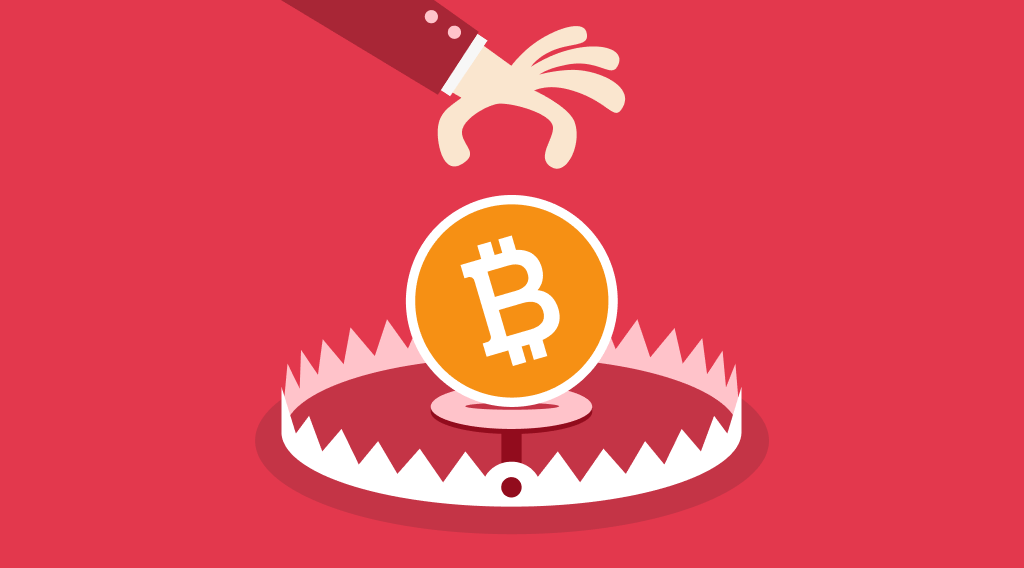
Bitcoin’s price volatility—its tendency to swing dramatically in a short period—has a profound effect not only on Bitcoin itself but also on altcoins (other cryptocurrencies), traditional financial markets, and investor sentiment. This phenomenon has earned Bitcoin the reputation of being a “market mover,” as its price shifts often lead to ripple effects throughout the entire crypto market.

This article will explore the factors that contribute to Bitcoin’s price volatility, examine its influence on the broader cryptocurrency market, and analyze the wider implications of its fluctuations on global financial markets. We will also explore how traders, investors, and institutions interpret and react to Bitcoin’s price movements and how these reactions, in turn, impact market behavior.


Chapter 1: Understanding Bitcoin Price Volatility

1.1. What is Price Volatility?

Price volatility refers to the degree of variation in the price of an asset over time. Highly volatile assets, such as Bitcoin, experience large and rapid price movements in short periods, while less volatile assets show more stable and gradual price changes. Volatility is often measured using the standard deviation of price changes, which reflects how much the asset’s price deviates from its average value.

For Bitcoin, volatility has been a characteristic since its early days. In its early years, Bitcoin’s price was relatively low, making percentage changes appear even more drastic. However, as Bitcoin has gained market recognition, its volatility has attracted both individual investors and institutional players seeking to capitalize on these price swings.

1.2. Factors Contributing to Bitcoin’s Volatility

Several factors contribute to the volatility of Bitcoin’s price:

  • Market Sentiment: Bitcoin’s price is heavily influenced by investor sentiment. Positive news, such as institutional adoption, regulatory clarity, or technological advancements, can cause a surge in demand, driving up prices. Conversely, negative news, such as security breaches, government crackdowns, or macroeconomic concerns, can lead to sharp declines in price.
  • Liquidity: Despite Bitcoin’s growing popularity, its market size is still small compared to traditional financial markets. This limited liquidity makes Bitcoin susceptible to large price swings when significant buy or sell orders are placed. When institutional investors or high-net-worth individuals enter or exit the market, they can trigger substantial price movements.
  • Speculation: A significant portion of Bitcoin’s volatility is driven by speculative trading. Traders often buy or sell Bitcoin based on short-term price movements, amplifying its fluctuations. Bitcoin is often seen as a high-risk, high-reward asset, attracting speculators looking to profit from its volatility.
  • Regulation: Regulatory news plays a crucial role in Bitcoin’s price movements. Announcements regarding regulatory crackdowns or favorable policies can lead to sharp price movements. For example, when China banned cryptocurrency mining and trading, Bitcoin’s price dropped dramatically. Conversely, when countries like El Salvador announced Bitcoin as legal tender, prices surged.
  • Market Maturity: As Bitcoin and the broader cryptocurrency market mature, volatility is expected to decrease. However, due to the still-developing nature of the market, Bitcoin remains prone to swings as it adapts to increasing institutional participation and regulatory changes.

Chapter 2: Bitcoin’s Influence on the Cryptocurrency Market

2.1. Bitcoin as a Market Leader

Bitcoin is widely considered the “market leader” in the cryptocurrency ecosystem. It dominates the market in terms of market capitalization, brand recognition, and overall influence. Bitcoin’s price movements often dictate the sentiment and behavior of other cryptocurrencies, known as altcoins.

When Bitcoin experiences significant price changes, the effects ripple through the altcoin market. For instance, if Bitcoin sees a sharp price increase, many altcoins follow suit, experiencing price surges due to the general positive sentiment in the market. Conversely, when Bitcoin’s price falls sharply, altcoins often suffer similar declines, as investors panic and sell off their holdings across the entire market.

2.2. Correlation Between Bitcoin and Altcoins

Many altcoins exhibit a high correlation with Bitcoin. Studies have shown that Bitcoin’s price movements tend to lead those of altcoins, with the altcoins often experiencing amplified price fluctuations compared to Bitcoin. This is because many altcoins are traded in Bitcoin pairs, meaning their prices are often tied to Bitcoin’s movements.

  • Positive Correlation: When Bitcoin experiences a price increase, many altcoins follow, as investor confidence in the overall market increases. This can lead to a “bull market,” where most cryptocurrencies see price gains.
  • Negative Correlation: Conversely, when Bitcoin experiences a significant price drop, altcoins often suffer larger losses. This is often due to the correlation of investor sentiment and the fear of market-wide downturns.

However, some altcoins, especially those with unique use cases or strong community backing, may decouple from Bitcoin and exhibit independent price movements, either outperforming or underperforming Bitcoin based on their specific fundamentals.

2.3. Altcoins and Bitcoin’s Price Cycle

Bitcoin’s price cycle, characterized by periods of bullish trends followed by bearish corrections, often dictates the overall market cycle. During bull markets, altcoins may experience “altseason”, a period when altcoins outperform Bitcoin due to increased demand and speculation.

Conversely, during bear markets, altcoins tend to fall more sharply than Bitcoin, as they are seen as more speculative and riskier assets. The cyclical nature of Bitcoin’s price movements thus plays a critical role in determining the broader market’s behavior, with altcoins amplifying the effects of Bitcoin’s volatility.

Chapter 3: Bitcoin’s Impact on Traditional Financial Markets

3.1. Spillover Effects on Equity and Commodities Markets

While Bitcoin’s primary influence is on the cryptocurrency market, its price movements can also have indirect effects on traditional financial markets, such as stocks, commodities, and forex.

  • Equity Markets: Bitcoin’s price swings can influence investor sentiment in traditional equity markets. During periods of extreme volatility in Bitcoin’s price, institutional investors may adjust their portfolios, either by increasing their exposure to Bitcoin or by reducing their holdings in the asset. Bitcoin’s correlation with traditional stocks, especially tech stocks, has become more pronounced as more institutional investors enter the space.
  • Commodities: Bitcoin’s volatility can also affect commodities, particularly gold. Often viewed as a “safe haven” asset, gold has been compared to Bitcoin as a store of value. During periods of Bitcoin price surges, some investors view Bitcoin as a competitor to gold, leading to shifts in demand for both assets. Conversely, when Bitcoin prices fall, investors may flock back to gold as a more stable investment.
  • Forex: Bitcoin’s volatility can also influence currency markets. As Bitcoin’s price increases, it can attract investment from countries with unstable currencies, further driving the demand for Bitcoin. Conversely, regulatory crackdowns or Bitcoin market crashes can prompt a flight to traditional fiat currencies, particularly in emerging markets.

3.2. Institutional Adoption and Market Integration

The increasing integration of Bitcoin into the traditional financial system has led to greater scrutiny and reaction from financial institutions, regulators, and investors. Institutional adoption—from hedge funds to publicly traded companies—has created a more interconnected market where Bitcoin’s price movements can have cascading effects on traditional asset classes.

For example, large institutional players like Tesla and MicroStrategy have added Bitcoin to their balance sheets, and Bitcoin futures products offered by exchanges like CME have allowed traditional investors to gain exposure to Bitcoin without directly purchasing it. The growth of Bitcoin-based exchange-traded funds (ETFs) has further cemented its role in the broader financial ecosystem.

3.3. The Role of Bitcoin in Global Economic Uncertainty

During times of economic uncertainty, such as inflation fears, geopolitical crises, or financial recessions, Bitcoin’s price often becomes a barometer for investor sentiment. As an emerging digital asset, Bitcoin is sometimes viewed as a hedge against traditional financial instability, similar to how gold is used in times of economic crisis.

Bitcoin’s decentralized nature, limited supply, and ability to operate outside of traditional banking systems have made it increasingly attractive during times of inflation or currency devaluation. This can lead to surges in Bitcoin’s price, as investors seek alternative stores of value.


Chapter 4: How Traders and Investors React to Bitcoin’s Volatility

4.1. The Role of Technical Analysis

Due to its volatility, Bitcoin is a favorite asset for technical traders who rely on charts, patterns, and indicators to predict short-term price movements. The cyclical nature of Bitcoin’s price changes often leads to predictable patterns, allowing traders to profit from both upward and downward price movements.

  • Support and Resistance Levels: Bitcoin’s price often follows certain support and resistance levels, which traders monitor to make buy or sell decisions. These levels can indicate potential price reversals or breakouts.
  • Indicators and Momentum: Tools like Relative Strength Index (RSI), Moving Average Convergence Divergence (MACD), and Bollinger Bands are commonly used by Bitcoin traders to assess the momentum of price movements and predict future trends.

4.2. Long-Term Investors vs. Short-Term Traders

Bitcoin’s volatility can also create different strategies for long-term investors and short-term traders.

  • Long-Term Investors: Many Bitcoin investors view the asset as a store of value, focusing on the long-term potential of Bitcoin rather than short-term price fluctuations. These investors are often less concerned with short-term volatility and are willing to hold through periods of price decline, betting on Bitcoin’s future as a global asset.
  • Short-Term Traders: On the other hand, short-term traders capitalize on Bitcoin’s price swings, entering and exiting the market quickly to take advantage of short-term volatility. These traders often use leverage and margin to amplify their returns, increasing their exposure to Bitcoin’s price movements.

4.3. The Influence of News and Market Sentiment

Bitcoin’s price is particularly sensitive to news and market sentiment. Positive news, such as institutional adoption, regulatory clarity, or major technological advancements, can lead to rapid price increases. Conversely, negative news, like regulatory crackdowns, security breaches, or economic instability, can lead to sharp declines.

Market sentiment often drives much of Bitcoin’s volatility, as emotions such as greed and fear can cause investors to act impulsively. This creates an environment where Bitcoin’s price movements are not always based on fundamental factors but on investor psychology and sentiment shifts.


Conclusion

Bitcoin’s price volatility is a defining characteristic of the cryptocurrency market. Its dramatic price movements not only affect Bitcoin itself but also have a cascading impact on the broader cryptocurrency ecosystem, traditional financial markets, and global investor sentiment. While volatility presents significant risks, it also offers opportunities for profit, making Bitcoin an attractive asset for traders and investors alike.

As Bitcoin continues to mature and attract institutional investment, its volatility is expected to decrease over time, but it will likely remain a key feature of its market dynamics. Understanding the factors that drive Bitcoin’s price fluctuations and how they impact other assets is crucial for anyone involved in the cryptocurrency or broader financial markets.

Tags: Bitcoin PriceCrypto MarketsMarket Trend
ShareTweetShare

Related Posts

Sustainable Yield: Unlocking the Potential for Long-Term Financial Growth
Crypto Markets

Sustainable Yield: Unlocking the Potential for Long-Term Financial Growth

December 1, 2025
Market Sentiment and Macroeconomic Factors: Interactions and Impacts
Crypto Markets

Market Sentiment and Macroeconomic Factors: Interactions and Impacts

November 30, 2025
Leveraging On-Chain Data for Real-Time Market Analysis and Intelligence for Investors
Crypto Markets

Leveraging On-Chain Data for Real-Time Market Analysis and Intelligence for Investors

November 29, 2025
The Stock-to-Flow Model: Analyzing Bitcoin’s Scarcity and Price Predictions
Crypto Markets

The Stock-to-Flow Model: Analyzing Bitcoin’s Scarcity and Price Predictions

November 28, 2025
The Shifting Dominance of Bitcoin in the Cryptocurrency Market: A Key Indicator for Market Analysis
Crypto Markets

The Shifting Dominance of Bitcoin in the Cryptocurrency Market: A Key Indicator for Market Analysis

November 26, 2025
Market Cycles and Bitcoin Market Dominance: Understanding the Dynamics of Cryptocurrency Markets
Crypto Markets

Market Cycles and Bitcoin Market Dominance: Understanding the Dynamics of Cryptocurrency Markets

November 25, 2025
Leave Comment
  • Trending
  • Comments
  • Latest
Combining Virtual Reality in the Metaverse with NFTs: Creating Richer Digital Experiences and Business Models

Combining Virtual Reality in the Metaverse with NFTs: Creating Richer Digital Experiences and Business Models

October 21, 2025
Leveraging Limited Edition NFT Merchandise to Attract Young Consumers, Enhance Brand Uniqueness, and Build Loyalty

Leveraging Limited Edition NFT Merchandise to Attract Young Consumers, Enhance Brand Uniqueness, and Build Loyalty

October 21, 2025
The Explosive Growth of the NFT Art Market: Scale, Activity, and Future Prospects

The Explosive Growth of the NFT Art Market: Scale, Activity, and Future Prospects

October 21, 2025
Brands and the Future of Commerce: Selling Virtual Goods through NFTs Tied to Physical Products

Brands and the Future of Commerce: Selling Virtual Goods through NFTs Tied to Physical Products

October 21, 2025
The Future Development Trend of Bitcoin

The Future Development Trend of Bitcoin

The Rise of Layer 2 Technology: Scaling Ethereum with Solutions like Optimism and Arbitrum

The Rise of Layer 2 Technology: Scaling Ethereum with Solutions like Optimism and Arbitrum

How Businesses Can Enhance Supply Chain Flexibility and Resilience Through Diversified Sourcing, Localized Production, and Risk Management Frameworks to Face Future Global Crises or Geopolitical Risks

How Businesses Can Enhance Supply Chain Flexibility and Resilience Through Diversified Sourcing, Localized Production, and Risk Management Frameworks to Face Future Global Crises or Geopolitical Risks

The Role of Blockchain in the Metaverse: New Infrastructure for the Virtual World

The Role of Blockchain in the Metaverse: New Infrastructure for the Virtual World

Environmental Concerns in the NFT Industry: Balancing Innovation with Sustainability

Environmental Concerns in the NFT Industry: Balancing Innovation with Sustainability

December 1, 2025
Electronic Health Records (EHR): Transforming Healthcare for the Future

Electronic Health Records (EHR): Transforming Healthcare for the Future

December 1, 2025
Sustainable Yield: Unlocking the Potential for Long-Term Financial Growth

Sustainable Yield: Unlocking the Potential for Long-Term Financial Growth

December 1, 2025
Cross-Chain Compatibility: Addressing the Challenges and Solutions

Cross-Chain Compatibility: Addressing the Challenges and Solutions

December 1, 2025
BlockChainIndex.net

From Layer2 technical deep dives to NFT market forecasting, we curate professional perspectives through on-chain analytics and industry expert collaborations. Stay ahead in blockchain innovation.

© 2025 blockchainindex.com. contacts:[email protected]

No Result
View All Result
  • Home
  • Chain Core
  • Crypto Markets
  • Enterprise Chain
  • NFT Frontier
  • On-Chain Lens
  • Reg Radar

© 2025 blockchainindex.com. contacts:[email protected]

Welcome Back!

Login to your account below

Forgotten Password?

Retrieve your password

Please enter your username or email address to reset your password.

Log In