



































BlockChainIndex.net
  • Home
  • Chain Core
    Cross-Chain Compatibility: Addressing the Challenges and Solutions

    Cross-Chain Compatibility: Addressing the Challenges and Solutions

    The Security Issues of Consensus Mechanisms: An Ongoing Debate

    The Security Issues of Consensus Mechanisms: An Ongoing Debate

    The Lightning Network: The Most Famous Layer 2 Solution on Bitcoin

    The Lightning Network: The Most Famous Layer 2 Solution on Bitcoin

    Consensus Mechanisms of Layer 1 and Layer 2: The Backbone of Blockchain Scalability

    Consensus Mechanisms of Layer 1 and Layer 2: The Backbone of Blockchain Scalability

    Proof of Stake vs Proof of Work

    Proof of Stake vs Proof of Work

    Multi-Consensus Algorithms: Evolving the Future of Blockchain Technology

    Multi-Consensus Algorithms: Evolving the Future of Blockchain Technology

  • Crypto Markets
    Sustainable Yield: Unlocking the Potential for Long-Term Financial Growth

    Sustainable Yield: Unlocking the Potential for Long-Term Financial Growth

    Market Sentiment and Macroeconomic Factors: Interactions and Impacts

    Market Sentiment and Macroeconomic Factors: Interactions and Impacts

    Leveraging On-Chain Data for Real-Time Market Analysis and Intelligence for Investors

    Leveraging On-Chain Data for Real-Time Market Analysis and Intelligence for Investors

    The Stock-to-Flow Model: Analyzing Bitcoin’s Scarcity and Price Predictions

    The Stock-to-Flow Model: Analyzing Bitcoin’s Scarcity and Price Predictions

    Bitcoin Price Volatility and Its Impact on the Entire Market Trend

    Bitcoin Price Volatility and Its Impact on the Entire Market Trend

    The Shifting Dominance of Bitcoin in the Cryptocurrency Market: A Key Indicator for Market Analysis

    The Shifting Dominance of Bitcoin in the Cryptocurrency Market: A Key Indicator for Market Analysis

  • Enterprise Chain
    Electronic Health Records (EHR): Transforming Healthcare for the Future

    Electronic Health Records (EHR): Transforming Healthcare for the Future

    The Integration of Supply Chains and the Internet of Things (IoT)

    The Integration of Supply Chains and the Internet of Things (IoT)

    Supply Chain Financing and Payments

    Supply Chain Financing and Payments

    Optimizing Supply Chain Protocols with Smart Contracts

    Optimizing Supply Chain Protocols with Smart Contracts

    Walmart and IBM’s Food Safety Blockchain Collaboration: Using Blockchain Technology to Track Food Sources and Movement

    Walmart and IBM’s Food Safety Blockchain Collaboration: Using Blockchain Technology to Track Food Sources and Movement

    Global Food Traceability: Ensuring Safety, Transparency, and Sustainability in the Food Supply Chain

    Global Food Traceability: Ensuring Safety, Transparency, and Sustainability in the Food Supply Chain

  • NFT Frontier
    Environmental Concerns in the NFT Industry: Balancing Innovation with Sustainability

    Environmental Concerns in the NFT Industry: Balancing Innovation with Sustainability

    NFT Copyright and Intellectual Property Issues

    NFT Copyright and Intellectual Property Issues

    Decentralization of the Art Market: A New Era of Digital Ownership

    Decentralization of the Art Market: A New Era of Digital Ownership

    NFTs Disrupting the Traditional Art Market

    NFTs Disrupting the Traditional Art Market

    The Explosion of Digital Art and the NFT Market: Revolutionizing the Art World

    The Explosion of Digital Art and the NFT Market: Revolutionizing the Art World

    Emerging Trends in Digital Collectibles: The Future of Ownership in the Digital Age

    Emerging Trends in Digital Collectibles: The Future of Ownership in the Digital Age

  • On-Chain Lens
    Balancing Privacy and Security: A Critical Exploration in the Digital Age

    Balancing Privacy and Security: A Critical Exploration in the Digital Age

    Despite Blockchain Transactions Being Public and Transparent, the Anonymity of Wallets Remains a Challenge

    Despite Blockchain Transactions Being Public and Transparent, the Anonymity of Wallets Remains a Challenge

    Wallet and Smart Contract Interaction: Key Analysis Objects of On-Chain Lens Technology

    Wallet and Smart Contract Interaction: Key Analysis Objects of On-Chain Lens Technology

    On-Chain Lens: Analyzing the Flow of Funds Between Wallets Using Blockchain’s Public Ledger

    On-Chain Lens: Analyzing the Flow of Funds Between Wallets Using Blockchain’s Public Ledger

    Tracking and Analyzing Capital Flows: A Comprehensive Guide to Understanding Financial Movements

    Tracking and Analyzing Capital Flows: A Comprehensive Guide to Understanding Financial Movements

    Wallet Behavior Analysis: The Core of On-Chain Lens Technology

    Wallet Behavior Analysis: The Core of On-Chain Lens Technology

  • Reg Radar
    Building Compliance Frameworks: The Increasing Importance for Crypto Companies in Addressing Regulatory Challenges

    Building Compliance Frameworks: The Increasing Importance for Crypto Companies in Addressing Regulatory Challenges

    Global Consistency and Diversity: Navigating the Balance in a Connected World

    Global Consistency and Diversity: Navigating the Balance in a Connected World

    The European Union’s MiCA Regulation: A New Era for Crypto-Asset Regulation

    The European Union’s MiCA Regulation: A New Era for Crypto-Asset Regulation

    The Evolving Regulatory Landscape: Challenges and Opportunities for Crypto Businesses

    The Evolving Regulatory Landscape: Challenges and Opportunities for Crypto Businesses

    The Evolving Regulatory Frameworks Across Global Regions: Progress and Adjustments in the Face of Emerging Challenges

    The Evolving Regulatory Frameworks Across Global Regions: Progress and Adjustments in the Face of Emerging Challenges

    The U.S. SEC: One of the Most Important Regulatory Bodies for the Crypto Market

    The U.S. SEC: One of the Most Important Regulatory Bodies for the Crypto Market

BlockChainIndex.net
  • Home
  • Chain Core
    Cross-Chain Compatibility: Addressing the Challenges and Solutions

    Cross-Chain Compatibility: Addressing the Challenges and Solutions

    The Security Issues of Consensus Mechanisms: An Ongoing Debate

    The Security Issues of Consensus Mechanisms: An Ongoing Debate

    The Lightning Network: The Most Famous Layer 2 Solution on Bitcoin

    The Lightning Network: The Most Famous Layer 2 Solution on Bitcoin

    Consensus Mechanisms of Layer 1 and Layer 2: The Backbone of Blockchain Scalability

    Consensus Mechanisms of Layer 1 and Layer 2: The Backbone of Blockchain Scalability

    Proof of Stake vs Proof of Work

    Proof of Stake vs Proof of Work

    Multi-Consensus Algorithms: Evolving the Future of Blockchain Technology

    Multi-Consensus Algorithms: Evolving the Future of Blockchain Technology

  • Crypto Markets
    Sustainable Yield: Unlocking the Potential for Long-Term Financial Growth

    Sustainable Yield: Unlocking the Potential for Long-Term Financial Growth

    Market Sentiment and Macroeconomic Factors: Interactions and Impacts

    Market Sentiment and Macroeconomic Factors: Interactions and Impacts

    Leveraging On-Chain Data for Real-Time Market Analysis and Intelligence for Investors

    Leveraging On-Chain Data for Real-Time Market Analysis and Intelligence for Investors

    The Stock-to-Flow Model: Analyzing Bitcoin’s Scarcity and Price Predictions

    The Stock-to-Flow Model: Analyzing Bitcoin’s Scarcity and Price Predictions

    Bitcoin Price Volatility and Its Impact on the Entire Market Trend

    Bitcoin Price Volatility and Its Impact on the Entire Market Trend

    The Shifting Dominance of Bitcoin in the Cryptocurrency Market: A Key Indicator for Market Analysis

    The Shifting Dominance of Bitcoin in the Cryptocurrency Market: A Key Indicator for Market Analysis

  • Enterprise Chain
    Electronic Health Records (EHR): Transforming Healthcare for the Future

    Electronic Health Records (EHR): Transforming Healthcare for the Future

    The Integration of Supply Chains and the Internet of Things (IoT)

    The Integration of Supply Chains and the Internet of Things (IoT)

    Supply Chain Financing and Payments

    Supply Chain Financing and Payments

    Optimizing Supply Chain Protocols with Smart Contracts

    Optimizing Supply Chain Protocols with Smart Contracts

    Walmart and IBM’s Food Safety Blockchain Collaboration: Using Blockchain Technology to Track Food Sources and Movement

    Walmart and IBM’s Food Safety Blockchain Collaboration: Using Blockchain Technology to Track Food Sources and Movement

    Global Food Traceability: Ensuring Safety, Transparency, and Sustainability in the Food Supply Chain

    Global Food Traceability: Ensuring Safety, Transparency, and Sustainability in the Food Supply Chain

  • NFT Frontier
    Environmental Concerns in the NFT Industry: Balancing Innovation with Sustainability

    Environmental Concerns in the NFT Industry: Balancing Innovation with Sustainability

    NFT Copyright and Intellectual Property Issues

    NFT Copyright and Intellectual Property Issues

    Decentralization of the Art Market: A New Era of Digital Ownership

    Decentralization of the Art Market: A New Era of Digital Ownership

    NFTs Disrupting the Traditional Art Market

    NFTs Disrupting the Traditional Art Market

    The Explosion of Digital Art and the NFT Market: Revolutionizing the Art World

    The Explosion of Digital Art and the NFT Market: Revolutionizing the Art World

    Emerging Trends in Digital Collectibles: The Future of Ownership in the Digital Age

    Emerging Trends in Digital Collectibles: The Future of Ownership in the Digital Age

  • On-Chain Lens
    Balancing Privacy and Security: A Critical Exploration in the Digital Age

    Balancing Privacy and Security: A Critical Exploration in the Digital Age

    Despite Blockchain Transactions Being Public and Transparent, the Anonymity of Wallets Remains a Challenge

    Despite Blockchain Transactions Being Public and Transparent, the Anonymity of Wallets Remains a Challenge

    Wallet and Smart Contract Interaction: Key Analysis Objects of On-Chain Lens Technology

    Wallet and Smart Contract Interaction: Key Analysis Objects of On-Chain Lens Technology

    On-Chain Lens: Analyzing the Flow of Funds Between Wallets Using Blockchain’s Public Ledger

    On-Chain Lens: Analyzing the Flow of Funds Between Wallets Using Blockchain’s Public Ledger

    Tracking and Analyzing Capital Flows: A Comprehensive Guide to Understanding Financial Movements

    Tracking and Analyzing Capital Flows: A Comprehensive Guide to Understanding Financial Movements

    Wallet Behavior Analysis: The Core of On-Chain Lens Technology

    Wallet Behavior Analysis: The Core of On-Chain Lens Technology

  • Reg Radar
    Building Compliance Frameworks: The Increasing Importance for Crypto Companies in Addressing Regulatory Challenges

    Building Compliance Frameworks: The Increasing Importance for Crypto Companies in Addressing Regulatory Challenges

    Global Consistency and Diversity: Navigating the Balance in a Connected World

    Global Consistency and Diversity: Navigating the Balance in a Connected World

    The European Union’s MiCA Regulation: A New Era for Crypto-Asset Regulation

    The European Union’s MiCA Regulation: A New Era for Crypto-Asset Regulation

    The Evolving Regulatory Landscape: Challenges and Opportunities for Crypto Businesses

    The Evolving Regulatory Landscape: Challenges and Opportunities for Crypto Businesses

    The Evolving Regulatory Frameworks Across Global Regions: Progress and Adjustments in the Face of Emerging Challenges

    The Evolving Regulatory Frameworks Across Global Regions: Progress and Adjustments in the Face of Emerging Challenges

    The U.S. SEC: One of the Most Important Regulatory Bodies for the Crypto Market

    The U.S. SEC: One of the Most Important Regulatory Bodies for the Crypto Market

BlockChainIndex.net
No Result
View All Result
Home On-Chain Lens

Despite Blockchain Transactions Being Public and Transparent, the Anonymity of Wallets Remains a Challenge

November 29, 2025
in On-Chain Lens
Despite Blockchain Transactions Being Public and Transparent, the Anonymity of Wallets Remains a Challenge

Introduction

The advent of blockchain technology has brought about revolutionary changes in the way we conduct transactions and store value. At its core, blockchain offers a public ledger system that ensures transparency and immutability. Every transaction on the blockchain is recorded in a manner that allows anyone to trace its history and verify its authenticity. However, while the transactions themselves are visible to all, the anonymity of users remains a paradox that has sparked considerable debate within the cryptographic and blockchain communities.

This tension between public visibility and user anonymity is particularly evident in cryptocurrency wallets. Wallets, though integral to the blockchain ecosystem, operate under a layer of pseudonymity, often making it difficult to tie specific actions to real-world identities. While blockchain promises a level of privacy, it does not guarantee full anonymity. This creates challenges for both individual users and regulators, as well as ethical and legal questions regarding privacy, security, and the potential for misuse.

In this article, we will explore the nuances of blockchain transaction transparency, the role of cryptocurrency wallets, the challenges of maintaining anonymity in a public ledger system, and the ongoing solutions being proposed to bridge this gap.


Blockchain: Public and Transparent, But Not Fully Anonymous

Blockchain, by design, is a distributed ledger that records transactions across multiple nodes in a network. This decentralized structure ensures that data is immutable and transparent. Every transaction, including the sender, recipient, and amount transferred, is stored publicly on the blockchain. This level of transparency is one of the most celebrated features of blockchain technology, as it allows for verifiable audit trails, greater trust, and security in digital transactions.

However, while blockchain transactions are visible, the identities behind these transactions are not immediately apparent. Most blockchains, such as Bitcoin and Ethereum, utilize public keys (also called wallet addresses) rather than identifiable personal information. A public key is a long string of alphanumeric characters that acts as an address for a user’s wallet, and it is visible to anyone who accesses the blockchain. Yet, without additional context or metadata, a public key does not directly link to a specific individual.

This means that while a blockchain transaction is publicly visible, it is often pseudonymous, rather than fully anonymous. The challenge here is that even though one can see the transaction history and movement of funds between wallet addresses, the actual identity of the person behind the wallet address can remain obscured.

The Privacy Dilemma: Anonymity vs. Transparency

The core dilemma arises from the tradeoff between privacy and transparency. For users, the desire for privacy is essential, especially in a world where data breaches and surveillance are becoming increasingly common. On the other hand, transparency is necessary for the integrity and trustworthiness of the blockchain. It allows individuals to verify that transactions are legitimate, that coins are not being double-spent, and that fraudulent activity is detectable.

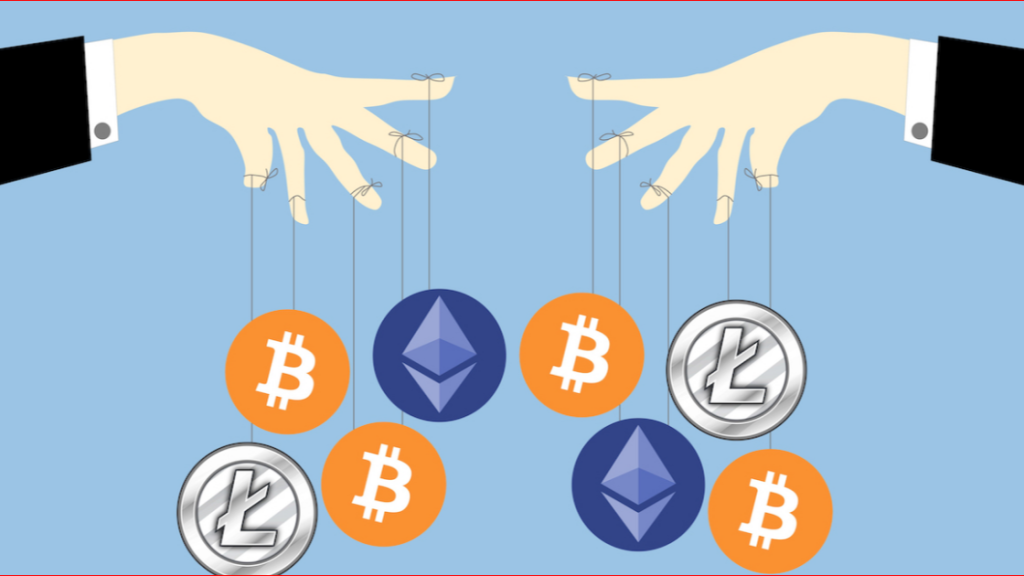
For instance, the transparent nature of blockchain can expose patterns of activity that could potentially be used to infer private information about the user. By tracking transactions associated with a wallet, one could hypothetically link multiple wallet addresses or even correlate addresses with real-world identities through various means, such as social media or data leaks. This raises serious concerns about privacy and the potential for unwanted surveillance.

Cryptocurrency Wallets: A Layer of Anonymity

Cryptocurrency wallets are essential tools for interacting with blockchains. These wallets are used to store, send, and receive digital assets such as Bitcoin, Ethereum, or other cryptocurrencies. A wallet typically consists of a private key, which is kept secure by the user, and a public key, which is used to identify the wallet on the blockchain.

Despite the transparency of blockchain transactions, the wallets themselves are designed to maintain a certain level of anonymity. The public key does not directly correspond to a person’s real-world identity, and thus the wallet offers a layer of pseudonymity. However, the extent of this pseudonymity depends on several factors:

  1. Blockchain Type: Not all blockchains are designed with the same level of privacy in mind. For example, Bitcoin and Ethereum are considered transparent blockchains. While they offer pseudonymity, they don’t offer full privacy. On the other hand, privacy-focused blockchains like Monero and Zcash use advanced cryptographic techniques (e.g., ring signatures, zk-SNARKs) to ensure that transaction details, including wallet addresses, remain private.
  2. Wallet Usage: The more a wallet address is used and exposed in different contexts (e.g., public forums, exchanges), the easier it becomes to associate that address with a real-world identity. Many cryptocurrency exchanges and platforms require users to undergo Know Your Customer (KYC) procedures, which can potentially link a wallet address to an individual’s personal information.
  3. Transaction Patterns: Blockchain explorers allow anyone to trace transactions across the network. By analyzing patterns of transactions, one can identify how much value has been transferred, when, and to where. Sophisticated techniques like blockchain analysis can even cluster addresses to reveal an individual’s financial activities or social interactions.

The Impact of Wallet Anonymity on Security and Privacy

The anonymity or pseudonymity provided by cryptocurrency wallets has profound implications for both security and privacy. On one hand, it enhances user privacy, protecting individuals from surveillance and financial profiling. This is particularly important for people in oppressive regimes or those who wish to keep their financial activities private.

However, on the flip side, this same anonymity can be exploited for illicit purposes. The lack of identifiable information tied to a wallet means that bad actors can use the system to launder money, evade taxes, or finance illegal activities without fear of detection. As such, regulators and law enforcement agencies face challenges in tracking illegal activities on the blockchain.

For example, ransomware attacks often demand payment in Bitcoin or other cryptocurrencies, leveraging the pseudonymity of wallet addresses to evade detection. Similarly, darknet marketplaces thrive on the anonymity provided by cryptocurrencies, allowing users to buy and sell illegal goods and services with relative impunity.


Regulatory Responses: Striking a Balance

In response to concerns over anonymity and illicit activity, many governments and regulatory bodies have begun to implement policies that seek to balance privacy with the need for transparency. One such approach is the regulation of cryptocurrency exchanges. These exchanges are often required to comply with Anti-Money Laundering (AML) and Know Your Customer (KYC) regulations, which help ensure that transactions can be traced back to real-world identities.

For instance, in the United States, the Financial Crimes Enforcement Network (FinCEN) has issued guidance that requires cryptocurrency exchanges to collect identifying information from users. The European Union’s Fifth Anti-Money Laundering Directive (5AMLD) similarly places obligations on crypto-related businesses to ensure that they monitor and report suspicious activities.

While these regulations are designed to mitigate the risks associated with the misuse of cryptocurrencies, they also come with drawbacks. They can infringe on individual privacy rights and make it more difficult for users to maintain the level of anonymity they may desire. Furthermore, these regulations may force cryptocurrency users to move their activities to less regulated platforms or peer-to-peer networks, making it harder for authorities to track illicit behavior.


Privacy Solutions and the Future of Wallet Anonymity

As blockchain technology continues to evolve, several privacy-enhancing solutions are being explored to address the issue of wallet anonymity while maintaining the integrity of the public ledger. Some of the key developments include:

  1. Privacy-Focused Cryptocurrencies: Cryptocurrencies such as Monero and Zcash have been specifically designed to provide enhanced privacy through advanced cryptographic techniques. Monero uses ring signatures, which obfuscate the origin of a transaction, while Zcash uses zk-SNARKs (zero-knowledge succinct non-interactive arguments of knowledge) to shield transaction details from public view.
  2. Layer 2 Solutions: Layer 2 solutions like the Lightning Network (for Bitcoin) aim to improve both scalability and privacy by conducting transactions off-chain and only recording the final result on the main blockchain. This can reduce the visibility of individual transactions, making it harder to trace specific wallet activities.
  3. Mixers and Tumblers: Cryptocurrency mixing services, also known as tumblers, combine multiple transactions from different users to obfuscate the origin of funds. These services are often used to increase privacy and make it more difficult to trace the flow of funds across wallets.
  4. Zero-Knowledge Proofs: Zero-knowledge proofs are a cryptographic method that allows one party to prove to another that a transaction is valid without revealing any information about the transaction itself. These proofs can enhance privacy while preserving the security and transparency of the blockchain.

Conclusion

While blockchain transactions are transparent and public, the anonymity or pseudonymity of cryptocurrency wallets presents a complex challenge. The tension between privacy and transparency is fundamental to the ongoing development of blockchain technologies. On one hand, the ability to remain anonymous is crucial for personal privacy, but on the other hand, it creates opportunities for illicit activity.

As the blockchain ecosystem evolves, it will be important to find a balance between these competing interests. Privacy-focused solutions, regulatory approaches, and technological innovations all play a role in shaping the future of cryptocurrency and blockchain. The journey toward truly private, yet transparent, blockchain systems is ongoing, and it remains to be seen how these challenges will be resolved in the coming years.

Tags: AnonymityBlockchainOn-chain lens
ShareTweetShare

Related Posts

Balancing Privacy and Security: A Critical Exploration in the Digital Age
On-Chain Lens

Balancing Privacy and Security: A Critical Exploration in the Digital Age

November 30, 2025
Wallet and Smart Contract Interaction: Key Analysis Objects of On-Chain Lens Technology
On-Chain Lens

Wallet and Smart Contract Interaction: Key Analysis Objects of On-Chain Lens Technology

November 28, 2025
On-Chain Lens: Analyzing the Flow of Funds Between Wallets Using Blockchain’s Public Ledger
On-Chain Lens

On-Chain Lens: Analyzing the Flow of Funds Between Wallets Using Blockchain’s Public Ledger

November 27, 2025
Tracking and Analyzing Capital Flows: A Comprehensive Guide to Understanding Financial Movements
On-Chain Lens

Tracking and Analyzing Capital Flows: A Comprehensive Guide to Understanding Financial Movements

November 26, 2025
Wallet Behavior Analysis: The Core of On-Chain Lens Technology
On-Chain Lens

Wallet Behavior Analysis: The Core of On-Chain Lens Technology

November 25, 2025
On-Chain Lens: Leveraging Blockchain Transaction Data to Help Investors Understand and Predict Market Dynamics
On-Chain Lens

On-Chain Lens: Leveraging Blockchain Transaction Data to Help Investors Understand and Predict Market Dynamics

October 21, 2025
Leave Comment
  • Trending
  • Comments
  • Latest
Combining Virtual Reality in the Metaverse with NFTs: Creating Richer Digital Experiences and Business Models

Combining Virtual Reality in the Metaverse with NFTs: Creating Richer Digital Experiences and Business Models

October 21, 2025
Leveraging Limited Edition NFT Merchandise to Attract Young Consumers, Enhance Brand Uniqueness, and Build Loyalty

Leveraging Limited Edition NFT Merchandise to Attract Young Consumers, Enhance Brand Uniqueness, and Build Loyalty

October 21, 2025
The Explosive Growth of the NFT Art Market: Scale, Activity, and Future Prospects

The Explosive Growth of the NFT Art Market: Scale, Activity, and Future Prospects

October 21, 2025
Brands and the Future of Commerce: Selling Virtual Goods through NFTs Tied to Physical Products

Brands and the Future of Commerce: Selling Virtual Goods through NFTs Tied to Physical Products

October 21, 2025
The Future Development Trend of Bitcoin

The Future Development Trend of Bitcoin

The Rise of Layer 2 Technology: Scaling Ethereum with Solutions like Optimism and Arbitrum

The Rise of Layer 2 Technology: Scaling Ethereum with Solutions like Optimism and Arbitrum

How Businesses Can Enhance Supply Chain Flexibility and Resilience Through Diversified Sourcing, Localized Production, and Risk Management Frameworks to Face Future Global Crises or Geopolitical Risks

How Businesses Can Enhance Supply Chain Flexibility and Resilience Through Diversified Sourcing, Localized Production, and Risk Management Frameworks to Face Future Global Crises or Geopolitical Risks

The Role of Blockchain in the Metaverse: New Infrastructure for the Virtual World

The Role of Blockchain in the Metaverse: New Infrastructure for the Virtual World

Environmental Concerns in the NFT Industry: Balancing Innovation with Sustainability

Environmental Concerns in the NFT Industry: Balancing Innovation with Sustainability

December 1, 2025
Electronic Health Records (EHR): Transforming Healthcare for the Future

Electronic Health Records (EHR): Transforming Healthcare for the Future

December 1, 2025
Sustainable Yield: Unlocking the Potential for Long-Term Financial Growth

Sustainable Yield: Unlocking the Potential for Long-Term Financial Growth

December 1, 2025
Cross-Chain Compatibility: Addressing the Challenges and Solutions

Cross-Chain Compatibility: Addressing the Challenges and Solutions

December 1, 2025
BlockChainIndex.net

From Layer2 technical deep dives to NFT market forecasting, we curate professional perspectives through on-chain analytics and industry expert collaborations. Stay ahead in blockchain innovation.

© 2025 blockchainindex.com. contacts:[email protected]

No Result
View All Result
  • Home
  • Chain Core
  • Crypto Markets
  • Enterprise Chain
  • NFT Frontier
  • On-Chain Lens
  • Reg Radar

© 2025 blockchainindex.com. contacts:[email protected]

Welcome Back!

Login to your account below

Forgotten Password?

Retrieve your password

Please enter your username or email address to reset your password.

Log In