



























1. Introduction
In today’s interconnected world, businesses are no longer confined by borders. Cross-border transactions, international supply chains, and global financial operations have become the norm for many multinational enterprises. However, with these opportunities come complex regulatory challenges. As regulations around the world continue to evolve, organizations must remain agile and informed to ensure that they comply with a multitude of national, regional, and international standards.
Blockchain, cryptocurrencies, and digital assets are revolutionizing the way businesses operate. These innovations present new opportunities, but they also require enhanced scrutiny and compliance measures. Regulatory bodies worldwide are catching up with these technological advances, and businesses need up-to-the-minute insights to comply with the latest regulations. Reg Radar is an advanced technology that provides just that—real-time regulatory updates and monitoring, enabling businesses to remain compliant with both global standards and local laws.
2. The Regulatory Challenges Faced by Multinational Enterprises
2.1 Complexity of Global Regulations
Multinational enterprises are tasked with understanding and complying with a range of regulations that differ not only by country but also by industry. Some of the key challenges they face include:
- Diverse Regulatory Frameworks: Each country or region has its own set of regulations, which can create confusion and complexity when businesses are trying to operate globally.
- Cross-border Compliance: For businesses involved in international transactions or digital trade, cross-border regulatory compliance can be particularly challenging. These businesses must understand the nuances of laws across different regions, especially when financial transactions or blockchain-based assets are involved.
- Dynamic and Evolving Regulations: Regulatory frameworks, particularly in fast-developing sectors such as blockchain and cryptocurrency, change frequently. Keeping track of these changes manually can be overwhelming for compliance teams.
2.2 Regulatory Areas of Concern for Multinational Enterprises
Several regulatory areas are especially critical for businesses operating internationally:
- Data Privacy: Different countries have varying regulations regarding data privacy (e.g., GDPR in the EU, CCPA in California). Businesses must ensure that they are compliant with all relevant data protection laws when handling customer data.
- Anti-Money Laundering (AML) and Know Your Customer (KYC): Compliance with AML and KYC regulations is crucial for financial institutions and businesses dealing with cross-border payments, cryptocurrency exchanges, and other digital assets.
- Consumer Protection and Trade Regulations: Companies must adhere to local consumer protection laws and trade regulations, which differ by jurisdiction.
3. The Need for Real-Time Regulatory Compliance Solutions
3.1 Real-time Regulatory Insights
The traditional method of relying on periodic regulatory updates, which may not capture the most current changes, is no longer effective for multinational enterprises. Given the rapid pace of regulatory change, especially in emerging industries like blockchain and cryptocurrencies, businesses need real-time solutions to stay compliant. Reg Radar meets this need by providing up-to-date regulatory information, helping companies react to new regulations swiftly and efficiently.
3.2 Compliance in a Digital World
With the advent of decentralized technologies like blockchain, traditional compliance methods may no longer suffice. Blockchain transactions are immutable, anonymous, and borderless, making it difficult for regulators to monitor activities in real time. Reg Radar uses advanced technology to monitor blockchain data and ensure that companies are complying with regulations across multiple jurisdictions, offering a proactive approach to compliance.
4. Overview of Reg Radar Technology
4.1 Key Features of Reg Radar
Reg Radar’s real-time monitoring and analytics offer multinational enterprises a comprehensive solution for regulatory compliance. Its key features include:
- Real-Time Global Monitoring: Reg Radar tracks regulatory changes in real time, providing businesses with the latest updates on rules and laws across the world.
- Cross-border Compliance Tracking: The technology monitors transactions and operations across multiple countries and regions, ensuring compliance with local and international standards.
- Customizable Alerts: Reg Radar sends customized alerts to compliance teams whenever new regulations or risks are identified, enabling businesses to respond promptly.
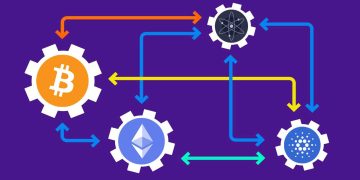
- Integration with Blockchain Data: The system integrates with blockchain data to monitor digital asset transactions and ensure compliance with financial and privacy regulations.
4.2 How Reg Radar Works: Real-Time Monitoring
Reg Radar continuously collects data from regulatory bodies worldwide and processes it using advanced algorithms to identify any significant changes in compliance requirements. The platform offers an easy-to-use dashboard, where businesses can track updates and receive alerts about potential risks or new laws that may affect their operations. This ensures that businesses are always up to date on regulatory matters, no matter where they operate.
4.3 Ensuring Cross-Border Compliance with Reg Radar
For multinational enterprises, staying compliant with regulations across various countries and regions can be a monumental task. Reg Radar helps by centralizing regulatory information from multiple jurisdictions, offering businesses a unified platform to monitor and enforce compliance. This reduces the risk of violations, fines, and reputational damage.

5. Reg Radar’s Impact on Cross-Border Compliance
5.1 Managing Compliance Across Multiple Jurisdictions
Multinational enterprises often operate in multiple jurisdictions, each with its own regulatory framework. Reg Radar simplifies this by aggregating regulatory information from different countries and ensuring that businesses are adhering to all relevant laws. This centralized monitoring system reduces the complexity of managing compliance across borders.
5.2 Adapting to Varying Regulations Across Different Countries
One of the core challenges of global operations is adapting to the different regulatory requirements in various regions. Reg Radar allows businesses to stay ahead of regulatory changes in each region, providing specific insights into local regulatory requirements and offering guidance on how to adapt to them.
6. AI and Machine Learning: Powering Reg Radar
6.1 AI-Driven Data Processing for Regulatory Updates
Reg Radar leverages artificial intelligence (AI) to process vast amounts of regulatory data quickly and efficiently. AI algorithms analyze new regulations, cross-check them against existing rules, and automatically update the platform with the latest compliance requirements.
6.2 Predicting Regulatory Shifts Using Machine Learning
Machine learning capabilities allow Reg Radar to predict regulatory shifts before they occur. By analyzing historical regulatory trends, the system can identify patterns and foresee changes in the legal landscape. This helps businesses prepare for future regulatory requirements and minimize compliance risks.
7. Ensuring Compliance with International Standards and Local Regulations
7.1 Global Standards: GDPR, CCPA, and More
Global standards such as the GDPR (General Data Protection Regulation) in Europe and the CCPA (California Consumer Privacy Act) in the United States are pivotal for companies operating internationally. Reg Radar tracks updates to these laws and ensures compliance for businesses handling personal data across borders.
7.2 Local Regulations: Adapting to Regional Needs
While global standards are important, local regulations vary from country to country. Reg Radar monitors local laws in key markets, providing businesses with tailored information that enables them to adapt their operations to meet specific regional needs.
7.3 Regulatory Frameworks in Blockchain and Cryptocurrency
In the rapidly evolving space of blockchain and cryptocurrency, regulations are often in flux. Reg Radar tracks global developments in cryptocurrency regulations and ensures that businesses comply with anti-money laundering (AML) and know your customer (KYC) requirements.
8. Practical Use Cases for Reg Radar in Multinational Enterprises
8.1 Financial Institutions and Cross-border Transactions
For financial institutions involved in cross-border transactions, Reg Radar ensures that all operations comply with international financial regulations and AML/KYC rules, reducing the risk of illegal activity and regulatory violations.
8.2 Global Supply Chain Management
Businesses in global supply chains must comply with trade regulations, labor laws, and sustainability standards. Reg Radar helps companies ensure that all their suppliers and partners meet these requirements, reducing the risk of supply chain disruptions or penalties.
8.3 Healthcare and Data Privacy Compliance
Reg Radar also benefits healthcare organizations by helping them stay compliant with data privacy laws such as HIPAA and GDPR. This is essential for maintaining patient confidentiality and avoiding legal repercussions.
9. Enhancing Operational Efficiency and Risk Management
9.1 Proactive Risk Management with Real-Time Insights
With Reg Radar’s real-time updates, companies can proactively manage regulatory risks by receiving timely alerts about changes in laws and potential threats to compliance. This helps organizations make informed decisions and avoid costly mistakes.
9.2 Minimizing Compliance Violations and Penalties
By staying up to date with global regulations, companies can significantly reduce the risk of non-compliance. This, in turn, minimizes the likelihood of incurring penalties, fines, or damage to their reputation.
9.3 Strengthening Transparency and Trust
Reg Radar helps businesses maintain transparency by ensuring compliance with regulatory requirements. This transparency builds trust with customers, investors, and regulators, which is essential for long-term business success.
10. The Future of Global Compliance and the Role of Reg Radar
10.1 Predicting the Future of Regulatory Compliance
As regulations continue to evolve in response to technological advancements like blockchain, AI, and cryptocurrency, the role of real-time compliance solutions like Reg Radar will become even more crucial. The future will see more emphasis on AI and automation in compliance processes.
10.2 The Role of AI in Shaping Future Compliance Solutions
AI will continue to drive innovation in regulatory compliance, making it easier for businesses to stay ahead of changes and ensure continuous compliance with evolving regulations.
10.3 Expanding Reg Radar’s Capabilities
In the future, Reg Radar may expand its capabilities to monitor additional sectors and regions, offering a broader range of regulatory insights for multinational enterprises. This will further enhance its ability to help businesses navigate the global regulatory landscape.
11. Conclusion
In today’s interconnected global economy, staying compliant with a diverse range of regulations is a daunting challenge for multinational enterprises. Reg Radar offers a cutting-edge solution to this problem by providing real-time regulatory updates, cross-border compliance tracking, and AI-driven insights. By leveraging this technology, businesses can ensure they are always in line with international standards and local regulations, avoiding penalties and maintaining trust with customers and regulators alike. As regulatory landscapes continue to evolve, Reg Radar will remain at the forefront of global compliance, empowering businesses to navigate the complexities of the modern world.