






















1. Introduction
Blockchain technology has quickly evolved from a niche innovation into a mainstream technological advancement, enabling decentralized finance (DeFi), smart contracts, and tokenized assets across global markets. However, as the adoption of blockchain increases, so too does the need for effective regulatory oversight. The very characteristics that make blockchain appealing—such as its decentralization, immutability, and transparency—also pose significant challenges for regulators who are tasked with ensuring compliance with existing financial regulations.
Blockchain networks are designed to operate without central authorities, which complicates the enforcement of regulatory frameworks like Anti-Money Laundering (AML) and Know Your Customer (KYC). As blockchain transactions occur in a decentralized and often anonymous manner, regulators struggle to ensure compliance and detect illicit activities such as money laundering, fraud, and market manipulation.
To address these challenges, innovative solutions like Reg Radar have emerged. Reg Radar leverages the power of Artificial Intelligence (AI) and Machine Learning (ML) to provide real-time monitoring of blockchain transactions, enabling stakeholders to track, verify, and secure transactions effectively. Reg Radar plays a crucial role in bridging the gap between the fast-evolving blockchain ecosystem and the static regulatory frameworks that are often slow to adapt.
2. The Growing Regulatory Challenges in Blockchain
2.1 The Need for Regulatory Oversight
As blockchain applications expand, the need for regulatory oversight becomes more pressing. Decentralized platforms, such as DeFi applications, facilitate the creation of financial products and services that bypass traditional intermediaries like banks. While this offers increased accessibility and transparency, it also creates significant opportunities for financial crimes, including:
- Money Laundering: The anonymity of blockchain transactions makes it easy for illicit actors to move money across borders without detection.
- Fraud: DeFi platforms are prone to attacks and fraud, including rug pulls, flash loan exploits, and Ponzi schemes.
- Terrorist Financing: The unregulated nature of some blockchain platforms makes it difficult to trace the source of funds used for illicit purposes.
To combat these risks, regulators around the world are increasingly turning their attention to blockchain-based platforms. However, existing regulatory frameworks are ill-equipped to deal with the decentralized nature of these technologies. In response, platforms and organizations have begun exploring innovative solutions to enforce compliance without stifling innovation.
3. Introducing Reg Radar
3.1 Overview of Reg Radar
Reg Radar is an AI-driven platform designed to address the complex regulatory challenges in the blockchain industry. It provides real-time surveillance and monitoring of blockchain transactions, helping to detect suspicious activities, enforce regulatory compliance, and ensure transparency across blockchain networks. By integrating machine learning algorithms and advanced data analytics, Reg Radar enhances the security of blockchain applications and helps industry players mitigate risk.
3.2 Key Features and Functionalities
- Real-Time Transaction Monitoring: Reg Radar continuously monitors blockchain transactions in real time, instantly flagging any suspicious or potentially illegal activities.
- Suspicious Activity Detection: By leveraging machine learning, Reg Radar identifies unusual patterns of behavior that might indicate fraudulent activity, such as abnormal transaction sizes or patterns of fund movement.
- Compliance Alerts: Once suspicious activities are detected, Reg Radar sends immediate alerts to regulators, exchanges, or platform administrators, allowing them to take appropriate action.
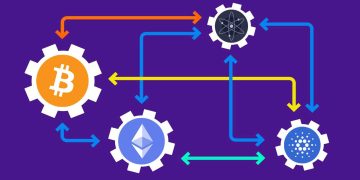
- Cross-Chain Monitoring: Reg Radar can monitor multiple blockchains simultaneously, providing a comprehensive view of transactions across different platforms.
- AI-Powered Risk Scoring: The platform uses AI algorithms to assign risk scores to transactions, helping stakeholders prioritize which activities require immediate attention.
3.3 How Reg Radar Works
Reg Radar works by analyzing on-chain data in real time, focusing on transaction metadata, wallet addresses, and interaction patterns. Its machine learning algorithms detect anomalies and suspicious behaviors by comparing each new transaction to a historical dataset of known activities. Reg Radar’s ability to learn from these patterns ensures that it can adapt to emerging fraud tactics and threats.
- Data Aggregation: Reg Radar collects blockchain data from various sources, including public blockchains and private networks.
- Pattern Recognition: The system uses pattern recognition algorithms to understand typical transaction behaviors and identify deviations from the norm.
- Alert Generation: When abnormal activities are detected, Reg Radar triggers an automatic alert, notifying stakeholders for further investigation.
4. The Role of AI in Regulatory Compliance
4.1 AI-Powered Blockchain Monitoring
AI plays a crucial role in the monitoring and analysis of blockchain transactions. Traditional compliance systems rely on rule-based models that often fail to adapt to new and evolving threats. AI, however, enables continuous learning and refinement, making it an ideal solution for the ever-changing landscape of blockchain transactions.
Reg Radar’s AI-powered approach enables automatic detection of suspicious activities that may otherwise go unnoticed. By using Supervised Learning, Unsupervised Learning, and Anomaly Detection techniques, the platform ensures high accuracy in detecting fraud, money laundering, and other illicit behaviors.
4.2 Machine Learning Algorithms for Suspicious Activity Detection
Machine learning algorithms enhance Reg Radar’s ability to detect complex fraud schemes. These algorithms are trained on large datasets of historical blockchain transactions, allowing them to recognize patterns and behaviors associated with illegal activities. By continuously learning from new data, Reg Radar evolves to detect emerging fraud tactics and compliance risks.
4.3 Real-Time Risk Analysis
In addition to detecting suspicious activities, Reg Radar performs real-time risk analysis, enabling businesses to assess the severity of potential violations. Risk scores are calculated for each transaction, and high-risk transactions are flagged for further scrutiny. This proactive approach to risk management ensures that organizations can mitigate threats before they escalate.

5. Addressing Regulatory Compliance with Reg Radar
5.1 Anti-Money Laundering (AML) and Know Your Customer (KYC) Compliance
Reg Radar helps blockchain platforms comply with AML and KYC regulations by continuously monitoring transactions for signs of money laundering or terrorist financing. By analyzing transaction patterns and user behavior, the platform can identify suspicious fund movements and flag potentially illegal activities.
Reg Radar also facilitates the verification of customer identities and ensures that platforms are adhering to KYC procedures. This is especially important for cryptocurrency exchanges, which face growing pressure to comply with international AML and KYC standards.
5.2 Compliance with Global Blockchain Regulations
As governments around the world begin to implement stricter regulatory frameworks for blockchain technologies, Reg Radar offers a way for businesses to stay ahead of compliance requirements. The platform’s ability to adapt to different regulatory environments ensures that organizations can maintain compliance with local and international laws.
5.3 Ensuring Privacy and Data Protection
While monitoring blockchain transactions, Reg Radar ensures that user privacy and data protection standards are upheld. By anonymizing sensitive information and only focusing on the necessary data points for compliance purposes, Reg Radar ensures that it balances security with privacy.
6. Practical Applications of Reg Radar
6.1 Enhancing Security in DeFi Platforms
DeFi platforms are especially vulnerable to fraudulent activities and security breaches. Reg Radar plays a pivotal role in securing these platforms by monitoring smart contracts, transactions, and liquidity pools for any signs of unusual or suspicious activity. It helps DeFi platforms adhere to regulatory guidelines while protecting users from financial crime.
6.2 Monitoring Cryptocurrency Exchanges
Cryptocurrency exchanges are central hubs for blockchain transactions and are often targeted by criminals. Reg Radar assists exchanges in detecting fraudulent trading activities, market manipulation, and other illegal actions, thereby ensuring a safer trading environment for users and protecting the integrity of the exchange.
6.3 Optimizing Enterprise Blockchain Solutions
Enterprise blockchains, particularly those used for supply chain management, finance, and healthcare, benefit from Reg Radar’s ability to monitor transactions and ensure compliance with industry-specific regulations. The platform helps enterprises mitigate operational risks by detecting potential vulnerabilities in their blockchain systems.
7. Reg Radar’s Impact on Blockchain Ecosystems
7.1 Ensuring Trust and Integrity in Blockchain Networks
By providing real-time monitoring and ensuring compliance, Reg Radar enhances the trust and integrity of blockchain networks. Users, investors, and businesses can engage in blockchain transactions with greater confidence, knowing that suspicious activities are promptly flagged and addressed.
7.2 Reducing Fraud and Financial Crime
Reg Radar’s ability to detect fraud, money laundering, and other illicit activities helps reduce the risk of financial crime within the blockchain ecosystem. This fosters a safer and more transparent environment, which is essential for the long-term success and mainstream adoption of blockchain technology.
7.3 Improving User and Investor Confidence
As blockchain platforms become more secure and compliant with regulations, user and investor confidence grows. Reg Radar helps organizations achieve the necessary transparency and security to attract and retain customers, ensuring long-term success in a competitive market.
8. Challenges in Implementing Blockchain Compliance Solutions
8.1 Technological and Infrastructure Barriers
Implementing real-time blockchain monitoring requires substantial technological infrastructure and computational power. Many blockchain platforms, especially smaller or new projects, may struggle to integrate AI-driven monitoring solutions like Reg Radar.
8.2 Privacy Concerns and User Anonymity
The balance between regulatory compliance and user privacy is a persistent challenge. Reg Radar must ensure that it adheres to privacy laws while maintaining the effectiveness of its monitoring capabilities.
8.3 Regulatory Uncertainty
As regulatory frameworks for blockchain are still evolving, the lack of clear guidelines presents challenges for platforms trying to implement compliance solutions. Reg Radar must remain adaptable to the shifting regulatory landscape.
9. The Future of Blockchain and Reg Radar’s Role
9.1 The Evolution of Regulatory Standards in Blockchain
As blockchain technology matures, so too will the regulatory standards surrounding it. Reg Radar will continue to evolve to meet new compliance requirements, incorporating new AI algorithms and data analytics techniques.
9.2 Integration with Other Blockchain Security Solutions
Future advancements may include greater integration with other blockchain security solutions, such as fraud prevention systems and decentralized identity verification technologies. Reg Radar could play a central role in these integrated ecosystems.
9.3 The Expanding Role of AI and Data Analytics
As AI and data analytics continue to advance, Reg Radar will benefit from more powerful algorithms that can detect even the most complex fraudulent activities. AI will play an increasingly central role in maintaining the security and compliance of blockchain networks.
10. Conclusion
Reg Radar provides a much-needed solution to the complex regulatory challenges facing the blockchain ecosystem. By leveraging AI-powered analytics to monitor and verify blockchain transactions, it helps ensure compliance with key regulatory frameworks, such as AML and KYC, while also improving transparency, security, and user confidence. As the blockchain industry continues to grow, tools like Reg Radar will play an essential role in facilitating the responsible and compliant use of this transformative technology.