


















BlockChainIndex.net
  • Home
  • Chain Core
    Cross-Chain Compatibility: Addressing the Challenges and Solutions

    Cross-Chain Compatibility: Addressing the Challenges and Solutions

    The Security Issues of Consensus Mechanisms: An Ongoing Debate

    The Security Issues of Consensus Mechanisms: An Ongoing Debate

    The Lightning Network: The Most Famous Layer 2 Solution on Bitcoin

    The Lightning Network: The Most Famous Layer 2 Solution on Bitcoin

    Consensus Mechanisms of Layer 1 and Layer 2: The Backbone of Blockchain Scalability

    Consensus Mechanisms of Layer 1 and Layer 2: The Backbone of Blockchain Scalability

    Proof of Stake vs Proof of Work

    Proof of Stake vs Proof of Work

    Multi-Consensus Algorithms: Evolving the Future of Blockchain Technology

    Multi-Consensus Algorithms: Evolving the Future of Blockchain Technology

  • Crypto Markets
    Sustainable Yield: Unlocking the Potential for Long-Term Financial Growth

    Sustainable Yield: Unlocking the Potential for Long-Term Financial Growth

    Market Sentiment and Macroeconomic Factors: Interactions and Impacts

    Market Sentiment and Macroeconomic Factors: Interactions and Impacts

    Leveraging On-Chain Data for Real-Time Market Analysis and Intelligence for Investors

    Leveraging On-Chain Data for Real-Time Market Analysis and Intelligence for Investors

    The Stock-to-Flow Model: Analyzing Bitcoin’s Scarcity and Price Predictions

    The Stock-to-Flow Model: Analyzing Bitcoin’s Scarcity and Price Predictions

    Bitcoin Price Volatility and Its Impact on the Entire Market Trend

    Bitcoin Price Volatility and Its Impact on the Entire Market Trend

    The Shifting Dominance of Bitcoin in the Cryptocurrency Market: A Key Indicator for Market Analysis

    The Shifting Dominance of Bitcoin in the Cryptocurrency Market: A Key Indicator for Market Analysis

  • Enterprise Chain
    Electronic Health Records (EHR): Transforming Healthcare for the Future

    Electronic Health Records (EHR): Transforming Healthcare for the Future

    The Integration of Supply Chains and the Internet of Things (IoT)

    The Integration of Supply Chains and the Internet of Things (IoT)

    Supply Chain Financing and Payments

    Supply Chain Financing and Payments

    Optimizing Supply Chain Protocols with Smart Contracts

    Optimizing Supply Chain Protocols with Smart Contracts

    Walmart and IBM’s Food Safety Blockchain Collaboration: Using Blockchain Technology to Track Food Sources and Movement

    Walmart and IBM’s Food Safety Blockchain Collaboration: Using Blockchain Technology to Track Food Sources and Movement

    Global Food Traceability: Ensuring Safety, Transparency, and Sustainability in the Food Supply Chain

    Global Food Traceability: Ensuring Safety, Transparency, and Sustainability in the Food Supply Chain

  • NFT Frontier
    Environmental Concerns in the NFT Industry: Balancing Innovation with Sustainability

    Environmental Concerns in the NFT Industry: Balancing Innovation with Sustainability

    NFT Copyright and Intellectual Property Issues

    NFT Copyright and Intellectual Property Issues

    Decentralization of the Art Market: A New Era of Digital Ownership

    Decentralization of the Art Market: A New Era of Digital Ownership

    NFTs Disrupting the Traditional Art Market

    NFTs Disrupting the Traditional Art Market

    The Explosion of Digital Art and the NFT Market: Revolutionizing the Art World

    The Explosion of Digital Art and the NFT Market: Revolutionizing the Art World

    Emerging Trends in Digital Collectibles: The Future of Ownership in the Digital Age

    Emerging Trends in Digital Collectibles: The Future of Ownership in the Digital Age

  • On-Chain Lens
    Balancing Privacy and Security: A Critical Exploration in the Digital Age

    Balancing Privacy and Security: A Critical Exploration in the Digital Age

    Despite Blockchain Transactions Being Public and Transparent, the Anonymity of Wallets Remains a Challenge

    Despite Blockchain Transactions Being Public and Transparent, the Anonymity of Wallets Remains a Challenge

    Wallet and Smart Contract Interaction: Key Analysis Objects of On-Chain Lens Technology

    Wallet and Smart Contract Interaction: Key Analysis Objects of On-Chain Lens Technology

    On-Chain Lens: Analyzing the Flow of Funds Between Wallets Using Blockchain’s Public Ledger

    On-Chain Lens: Analyzing the Flow of Funds Between Wallets Using Blockchain’s Public Ledger

    Tracking and Analyzing Capital Flows: A Comprehensive Guide to Understanding Financial Movements

    Tracking and Analyzing Capital Flows: A Comprehensive Guide to Understanding Financial Movements

    Wallet Behavior Analysis: The Core of On-Chain Lens Technology

    Wallet Behavior Analysis: The Core of On-Chain Lens Technology

  • Reg Radar
    Building Compliance Frameworks: The Increasing Importance for Crypto Companies in Addressing Regulatory Challenges

    Building Compliance Frameworks: The Increasing Importance for Crypto Companies in Addressing Regulatory Challenges

    Global Consistency and Diversity: Navigating the Balance in a Connected World

    Global Consistency and Diversity: Navigating the Balance in a Connected World

    The European Union’s MiCA Regulation: A New Era for Crypto-Asset Regulation

    The European Union’s MiCA Regulation: A New Era for Crypto-Asset Regulation

    The Evolving Regulatory Landscape: Challenges and Opportunities for Crypto Businesses

    The Evolving Regulatory Landscape: Challenges and Opportunities for Crypto Businesses

    The Evolving Regulatory Frameworks Across Global Regions: Progress and Adjustments in the Face of Emerging Challenges

    The Evolving Regulatory Frameworks Across Global Regions: Progress and Adjustments in the Face of Emerging Challenges

    The U.S. SEC: One of the Most Important Regulatory Bodies for the Crypto Market

    The U.S. SEC: One of the Most Important Regulatory Bodies for the Crypto Market

BlockChainIndex.net
  • Home
  • Chain Core
    Cross-Chain Compatibility: Addressing the Challenges and Solutions

    Cross-Chain Compatibility: Addressing the Challenges and Solutions

    The Security Issues of Consensus Mechanisms: An Ongoing Debate

    The Security Issues of Consensus Mechanisms: An Ongoing Debate

    The Lightning Network: The Most Famous Layer 2 Solution on Bitcoin

    The Lightning Network: The Most Famous Layer 2 Solution on Bitcoin

    Consensus Mechanisms of Layer 1 and Layer 2: The Backbone of Blockchain Scalability

    Consensus Mechanisms of Layer 1 and Layer 2: The Backbone of Blockchain Scalability

    Proof of Stake vs Proof of Work

    Proof of Stake vs Proof of Work

    Multi-Consensus Algorithms: Evolving the Future of Blockchain Technology

    Multi-Consensus Algorithms: Evolving the Future of Blockchain Technology

  • Crypto Markets
    Sustainable Yield: Unlocking the Potential for Long-Term Financial Growth

    Sustainable Yield: Unlocking the Potential for Long-Term Financial Growth

    Market Sentiment and Macroeconomic Factors: Interactions and Impacts

    Market Sentiment and Macroeconomic Factors: Interactions and Impacts

    Leveraging On-Chain Data for Real-Time Market Analysis and Intelligence for Investors

    Leveraging On-Chain Data for Real-Time Market Analysis and Intelligence for Investors

    The Stock-to-Flow Model: Analyzing Bitcoin’s Scarcity and Price Predictions

    The Stock-to-Flow Model: Analyzing Bitcoin’s Scarcity and Price Predictions

    Bitcoin Price Volatility and Its Impact on the Entire Market Trend

    Bitcoin Price Volatility and Its Impact on the Entire Market Trend

    The Shifting Dominance of Bitcoin in the Cryptocurrency Market: A Key Indicator for Market Analysis

    The Shifting Dominance of Bitcoin in the Cryptocurrency Market: A Key Indicator for Market Analysis

  • Enterprise Chain
    Electronic Health Records (EHR): Transforming Healthcare for the Future

    Electronic Health Records (EHR): Transforming Healthcare for the Future

    The Integration of Supply Chains and the Internet of Things (IoT)

    The Integration of Supply Chains and the Internet of Things (IoT)

    Supply Chain Financing and Payments

    Supply Chain Financing and Payments

    Optimizing Supply Chain Protocols with Smart Contracts

    Optimizing Supply Chain Protocols with Smart Contracts

    Walmart and IBM’s Food Safety Blockchain Collaboration: Using Blockchain Technology to Track Food Sources and Movement

    Walmart and IBM’s Food Safety Blockchain Collaboration: Using Blockchain Technology to Track Food Sources and Movement

    Global Food Traceability: Ensuring Safety, Transparency, and Sustainability in the Food Supply Chain

    Global Food Traceability: Ensuring Safety, Transparency, and Sustainability in the Food Supply Chain

  • NFT Frontier
    Environmental Concerns in the NFT Industry: Balancing Innovation with Sustainability

    Environmental Concerns in the NFT Industry: Balancing Innovation with Sustainability

    NFT Copyright and Intellectual Property Issues

    NFT Copyright and Intellectual Property Issues

    Decentralization of the Art Market: A New Era of Digital Ownership

    Decentralization of the Art Market: A New Era of Digital Ownership

    NFTs Disrupting the Traditional Art Market

    NFTs Disrupting the Traditional Art Market

    The Explosion of Digital Art and the NFT Market: Revolutionizing the Art World

    The Explosion of Digital Art and the NFT Market: Revolutionizing the Art World

    Emerging Trends in Digital Collectibles: The Future of Ownership in the Digital Age

    Emerging Trends in Digital Collectibles: The Future of Ownership in the Digital Age

  • On-Chain Lens
    Balancing Privacy and Security: A Critical Exploration in the Digital Age

    Balancing Privacy and Security: A Critical Exploration in the Digital Age

    Despite Blockchain Transactions Being Public and Transparent, the Anonymity of Wallets Remains a Challenge

    Despite Blockchain Transactions Being Public and Transparent, the Anonymity of Wallets Remains a Challenge

    Wallet and Smart Contract Interaction: Key Analysis Objects of On-Chain Lens Technology

    Wallet and Smart Contract Interaction: Key Analysis Objects of On-Chain Lens Technology

    On-Chain Lens: Analyzing the Flow of Funds Between Wallets Using Blockchain’s Public Ledger

    On-Chain Lens: Analyzing the Flow of Funds Between Wallets Using Blockchain’s Public Ledger

    Tracking and Analyzing Capital Flows: A Comprehensive Guide to Understanding Financial Movements

    Tracking and Analyzing Capital Flows: A Comprehensive Guide to Understanding Financial Movements

    Wallet Behavior Analysis: The Core of On-Chain Lens Technology

    Wallet Behavior Analysis: The Core of On-Chain Lens Technology

  • Reg Radar
    Building Compliance Frameworks: The Increasing Importance for Crypto Companies in Addressing Regulatory Challenges

    Building Compliance Frameworks: The Increasing Importance for Crypto Companies in Addressing Regulatory Challenges

    Global Consistency and Diversity: Navigating the Balance in a Connected World

    Global Consistency and Diversity: Navigating the Balance in a Connected World

    The European Union’s MiCA Regulation: A New Era for Crypto-Asset Regulation

    The European Union’s MiCA Regulation: A New Era for Crypto-Asset Regulation

    The Evolving Regulatory Landscape: Challenges and Opportunities for Crypto Businesses

    The Evolving Regulatory Landscape: Challenges and Opportunities for Crypto Businesses

    The Evolving Regulatory Frameworks Across Global Regions: Progress and Adjustments in the Face of Emerging Challenges

    The Evolving Regulatory Frameworks Across Global Regions: Progress and Adjustments in the Face of Emerging Challenges

    The U.S. SEC: One of the Most Important Regulatory Bodies for the Crypto Market

    The U.S. SEC: One of the Most Important Regulatory Bodies for the Crypto Market

BlockChainIndex.net
No Result
View All Result
Home Reg Radar

Reg Radar: Real-Time Blockchain Monitoring with AI Algorithms for Detecting Suspicious Transactions

October 21, 2025
in Reg Radar
Reg Radar: Real-Time Blockchain Monitoring with AI Algorithms for Detecting Suspicious Transactions

1. Introduction

Blockchain technology has emerged as a revolutionary force, offering decentralized, transparent, and immutable solutions to a variety of industries, including finance, supply chain, healthcare, and more. However, its rapid growth has brought significant challenges, particularly concerning the security and integrity of transactions. In traditional financial systems, regulatory bodies and centralized institutions can monitor transactions to detect and prevent illicit activities. Blockchain, by contrast, is decentralized, making it difficult for a single entity to oversee and enforce compliance.

The rise of Decentralized Finance (DeFi) platforms, where transactions are executed on smart contracts without intermediaries, has amplified these concerns. While DeFi offers advantages in terms of accessibility and innovation, it also opens the door to potential fraudulent activities, including money laundering, Ponzi schemes, and market manipulation.

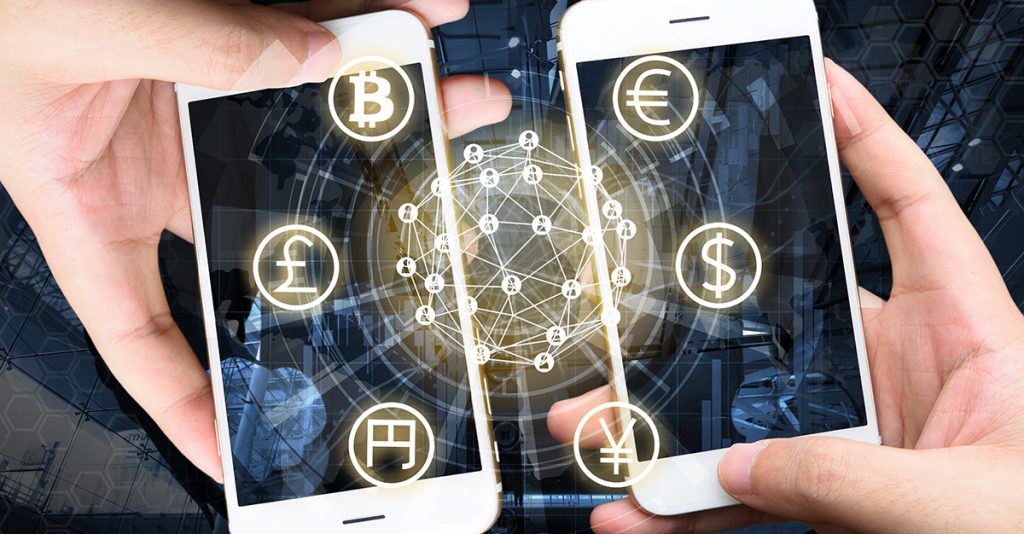
Enter Reg Radar, an AI-powered platform designed to address these concerns by integrating advanced algorithms to monitor blockchain transactions in real-time. Through continuous analysis of on-chain data, Reg Radar can detect suspicious behaviors, trigger alerts, and provide real-time insights into transaction activities, offering an enhanced layer of security and regulatory compliance in the blockchain ecosystem.


2. The Need for Real-Time Monitoring in Blockchain

2.1 The Evolution of Blockchain and Security Challenges

Blockchain’s decentralized nature allows for peer-to-peer transactions without relying on trusted intermediaries like banks or regulatory authorities. While this creates efficiencies and reduces costs, it also introduces risks related to security and fraud prevention. Traditional financial systems employ real-time transaction monitoring systems, which flag suspicious activities such as unusual transaction sizes or patterns indicative of fraud. However, in the blockchain space, such monitoring is not as straightforward.

On-chain data, while transparent, is not inherently analyzed in real-time to detect illegal activities. The rapid pace of transaction volume, particularly within fast-moving DeFi platforms, further complicates monitoring efforts. This gap in real-time transaction surveillance has created an urgent need for advanced monitoring systems that can process large amounts of blockchain data instantly and identify anomalies as they occur.


3. Understanding Reg Radar

3.1 What is Reg Radar?

Reg Radar is an innovative security platform that uses artificial intelligence (AI) and machine learning algorithms to monitor blockchain transactions in real time. Its primary goal is to enhance the security of blockchain-based platforms by detecting suspicious activities that may signal fraudulent transactions, money laundering, or other forms of illicit conduct.

By continuously analyzing on-chain data, Reg Radar provides alerts on potential threats, helping users take action to prevent harm before it occurs. This system is designed to operate across a range of blockchain environments, including public chains like Bitcoin and Ethereum, as well as private and permissioned blockchains used by enterprises.

3.2 Key Features and Functionalities

  • Real-Time Blockchain Monitoring: Reg Radar’s AI algorithms continuously monitor blockchain transactions and interactions across multiple platforms, analyzing each transaction as it occurs to identify any suspicious activity.
  • Suspicious Activity Detection: Using machine learning, Reg Radar detects anomalies that deviate from normal transaction patterns, such as large transfers, rapid shifts in asset ownership, or inconsistent trading behaviors.
  • Alert System: Once suspicious behavior is detected, Reg Radar automatically triggers alerts to relevant stakeholders, allowing them to respond promptly and investigate potential risks.
  • Cross-Chain Surveillance: Reg Radar can monitor multiple blockchain networks simultaneously, enabling cross-chain analysis and detection of suspicious activity across various decentralized platforms.

3.3 How Reg Radar Works

Reg Radar uses a combination of blockchain analytics, AI-based machine learning, and data aggregation to continuously monitor and assess transactions. Here’s how it works:

  1. Data Collection: Reg Radar collects and aggregates blockchain transaction data in real-time from various sources, including public ledgers and decentralized applications (dApps).
  2. Transaction Analysis: The AI algorithms analyze transaction data based on predefined risk indicators and patterns, such as transaction size, frequency, wallet addresses, and interaction with known addresses or smart contracts.
  3. Anomaly Detection: Using machine learning models, the platform identifies outlier activities or behaviors that deviate from normal patterns, such as rapid movement of large sums of cryptocurrency or interactions with addresses flagged for previous illicit activity.
  4. Alerts and Actions: Once suspicious activity is detected, Reg Radar sends alerts to relevant stakeholders, such as exchanges, wallet providers, or regulatory authorities, enabling them to take preventive or corrective actions.

4. AI in Blockchain Security

4.1 The Role of AI in Transaction Monitoring

Artificial intelligence has become a game-changer in the realm of blockchain security. Traditional transaction monitoring systems depend on rule-based models that require manual inputs for defining suspicious activities. However, these systems are not scalable and often fail to adapt to new, evolving patterns of fraud.

Reg Radar, on the other hand, integrates AI and machine learning to enable automated detection of suspicious transactions. The use of AI allows the system to evolve and adapt continuously, learning from historical transaction data and adjusting to new patterns of behavior. This means that it can identify emerging threats without human intervention, a crucial feature in the fast-paced world of blockchain.

4.2 Machine Learning Algorithms for Suspicious Activity Detection

Machine learning algorithms enable Reg Radar to continuously improve its ability to identify potential threats. These algorithms analyze transaction patterns and develop models based on historical data to detect behavior that deviates from the norm. Some common machine learning techniques used include:

  • Supervised Learning: In this method, the algorithm is trained on a labeled dataset of known suspicious and non-suspicious transactions. Over time, it learns to differentiate between normal and fraudulent activities.
  • Unsupervised Learning: This method allows Reg Radar to identify new, previously unseen patterns of suspicious activity by analyzing unstructured transaction data.
  • Anomaly Detection: By setting thresholds for what constitutes “normal” behavior, Reg Radar can detect when an outlier transaction occurs, flagging it as suspicious for further review.

5. Addressing Regulatory Compliance with Reg Radar

5.1 Anti-Money Laundering (AML) and Know Your Customer (KYC) Requirements

As blockchain adoption continues to grow, regulators around the world are focusing more on the need for compliance with Anti-Money Laundering (AML) and Know Your Customer (KYC) regulations. Reg Radar plays a critical role in helping blockchain platforms meet these regulatory requirements. By monitoring blockchain transactions and verifying that they comply with AML and KYC rules, Reg Radar helps prevent illicit financial activities, such as money laundering and terrorist financing.

5.2 Ensuring DeFi Platforms Remain Compliant

DeFi platforms are particularly vulnerable to regulatory scrutiny due to their decentralized nature and the anonymity provided to users. Reg Radar helps DeFi platforms maintain compliance with financial regulations by providing tools to monitor transactions, track illicit activities, and ensure that users are not engaged in illegal behavior such as money laundering or fraud.

5.3 Preventing Fraud and Market Manipulation

Blockchain networks, particularly DeFi platforms, are at risk of being exploited by bad actors who manipulate markets, perform flash loan attacks, or execute pump-and-dump schemes. Reg Radar’s real-time monitoring and AI-powered analysis detect these suspicious activities, preventing potential fraud and protecting market integrity.

6. Real-World Applications of Reg Radar

6.1 DeFi Security

Reg Radar provides essential security for DeFi protocols by continuously analyzing transactions and identifying threats before they escalate. By monitoring asset flows, user behavior, and interactions with smart contracts, Reg Radar ensures that DeFi platforms remain safe and compliant.

6.2 Cryptocurrency Exchanges

Exchanges are prime targets for fraud, money laundering, and market manipulation. Reg Radar helps cryptocurrency exchanges detect suspicious activities, identify abnormal transaction patterns, and meet compliance requirements, ensuring a secure environment for users and investors.

6.3 Smart Contracts and DApps

Smart contracts and decentralized applications (dApps) are fundamental to the blockchain ecosystem. Reg Radar assists developers and platform owners in ensuring that smart contracts and dApps are not exploited for fraudulent purposes, offering real-time monitoring to prevent abuse.


7. Advantages of Using Reg Radar

  • Real-Time Detection: Instant detection of suspicious activities and immediate alerts.
  • AI-Driven Insights: Continuous learning and adaptation to new patterns of fraud.
  • Cross-Chain Surveillance: Monitoring of multiple blockchain networks in parallel.
  • Scalability: Capable of handling large transaction volumes without compromising performance.
  • Compliance Support: Assists platforms in meeting AML, KYC, and regulatory requirements.

8. Challenges in Implementing Real-Time Blockchain Monitoring

While Reg Radar offers tremendous potential, there are challenges to its implementation:

  • Complexity of Blockchain Data: Processing and analyzing vast amounts of blockchain data in real-time requires powerful infrastructure and sophisticated algorithms.
  • Privacy Concerns: Ensuring the privacy of users while monitoring on-chain transactions remains a delicate balance.
  • Adoption: Widespread adoption of AI-powered monitoring tools across various blockchain networks and platforms is still a work in progress.

9. The Future of Blockchain Security: AI and Beyond

As blockchain technology continues to evolve, the role of AI in blockchain security will only grow. Future advancements may include even more sophisticated anomaly detection models, integration with IoT (Internet of Things) devices, and better cross-chain interoperability. AI will continue to play a pivotal role in safeguarding decentralized networks and ensuring regulatory compliance.


10. Conclusion

Reg Radar represents a significant leap forward in the effort to secure blockchain networks and ensure compliance with regulatory frameworks. By leveraging AI algorithms to monitor transactions in real-time, it helps detect suspicious activities, protect users, and maintain the integrity of the blockchain ecosystem. As the technology continues to evolve and blockchain platforms grow in complexity, tools like Reg Radar will become essential in the fight against financial crime and fraud in the decentralized world.

Tags: BlockchainReg RadarSuspicious Transactions
ShareTweetShare

Related Posts

Building Compliance Frameworks: The Increasing Importance for Crypto Companies in Addressing Regulatory Challenges
Reg Radar

Building Compliance Frameworks: The Increasing Importance for Crypto Companies in Addressing Regulatory Challenges

November 30, 2025
Global Consistency and Diversity: Navigating the Balance in a Connected World
Reg Radar

Global Consistency and Diversity: Navigating the Balance in a Connected World

November 29, 2025
The European Union’s MiCA Regulation: A New Era for Crypto-Asset Regulation
Reg Radar

The European Union’s MiCA Regulation: A New Era for Crypto-Asset Regulation

November 28, 2025
The Evolving Regulatory Landscape: Challenges and Opportunities for Crypto Businesses
Reg Radar

The Evolving Regulatory Landscape: Challenges and Opportunities for Crypto Businesses

November 27, 2025
The Evolving Regulatory Frameworks Across Global Regions: Progress and Adjustments in the Face of Emerging Challenges
Reg Radar

The Evolving Regulatory Frameworks Across Global Regions: Progress and Adjustments in the Face of Emerging Challenges

November 26, 2025
The U.S. SEC: One of the Most Important Regulatory Bodies for the Crypto Market
Reg Radar

The U.S. SEC: One of the Most Important Regulatory Bodies for the Crypto Market

November 25, 2025
Leave Comment
  • Trending
  • Comments
  • Latest
Combining Virtual Reality in the Metaverse with NFTs: Creating Richer Digital Experiences and Business Models

Combining Virtual Reality in the Metaverse with NFTs: Creating Richer Digital Experiences and Business Models

October 21, 2025
Leveraging Limited Edition NFT Merchandise to Attract Young Consumers, Enhance Brand Uniqueness, and Build Loyalty

Leveraging Limited Edition NFT Merchandise to Attract Young Consumers, Enhance Brand Uniqueness, and Build Loyalty

October 21, 2025
The Explosive Growth of the NFT Art Market: Scale, Activity, and Future Prospects

The Explosive Growth of the NFT Art Market: Scale, Activity, and Future Prospects

October 21, 2025
Brands and the Future of Commerce: Selling Virtual Goods through NFTs Tied to Physical Products

Brands and the Future of Commerce: Selling Virtual Goods through NFTs Tied to Physical Products

October 21, 2025
The Future Development Trend of Bitcoin

The Future Development Trend of Bitcoin

The Rise of Layer 2 Technology: Scaling Ethereum with Solutions like Optimism and Arbitrum

The Rise of Layer 2 Technology: Scaling Ethereum with Solutions like Optimism and Arbitrum

How Businesses Can Enhance Supply Chain Flexibility and Resilience Through Diversified Sourcing, Localized Production, and Risk Management Frameworks to Face Future Global Crises or Geopolitical Risks

How Businesses Can Enhance Supply Chain Flexibility and Resilience Through Diversified Sourcing, Localized Production, and Risk Management Frameworks to Face Future Global Crises or Geopolitical Risks

The Role of Blockchain in the Metaverse: New Infrastructure for the Virtual World

The Role of Blockchain in the Metaverse: New Infrastructure for the Virtual World

Environmental Concerns in the NFT Industry: Balancing Innovation with Sustainability

Environmental Concerns in the NFT Industry: Balancing Innovation with Sustainability

December 1, 2025
Electronic Health Records (EHR): Transforming Healthcare for the Future

Electronic Health Records (EHR): Transforming Healthcare for the Future

December 1, 2025
Sustainable Yield: Unlocking the Potential for Long-Term Financial Growth

Sustainable Yield: Unlocking the Potential for Long-Term Financial Growth

December 1, 2025
Cross-Chain Compatibility: Addressing the Challenges and Solutions

Cross-Chain Compatibility: Addressing the Challenges and Solutions

December 1, 2025
BlockChainIndex.net

From Layer2 technical deep dives to NFT market forecasting, we curate professional perspectives through on-chain analytics and industry expert collaborations. Stay ahead in blockchain innovation.

© 2025 blockchainindex.com. contacts:[email protected]

No Result
View All Result
  • Home
  • Chain Core
  • Crypto Markets
  • Enterprise Chain
  • NFT Frontier
  • On-Chain Lens
  • Reg Radar

© 2025 blockchainindex.com. contacts:[email protected]

Welcome Back!

Login to your account below

Forgotten Password?

Retrieve your password

Please enter your username or email address to reset your password.

Log In