









1. Introduction: The Intersection of Art and Technology
1.1 The Rise of Digital Art
Over the past few decades, digital art has steadily gained recognition in the global art market. However, the concept of ownership and authenticity in digital art remained a challenge. Traditional art markets have always been based on physical artworks—paintings, sculptures, and prints—where ownership is clear and traceable. The digital nature of art, on the other hand, meant that anyone could copy or distribute a digital artwork, making it difficult for creators to maintain control over their work.
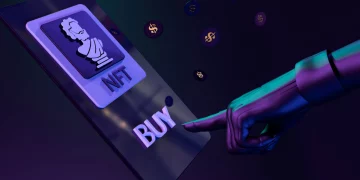
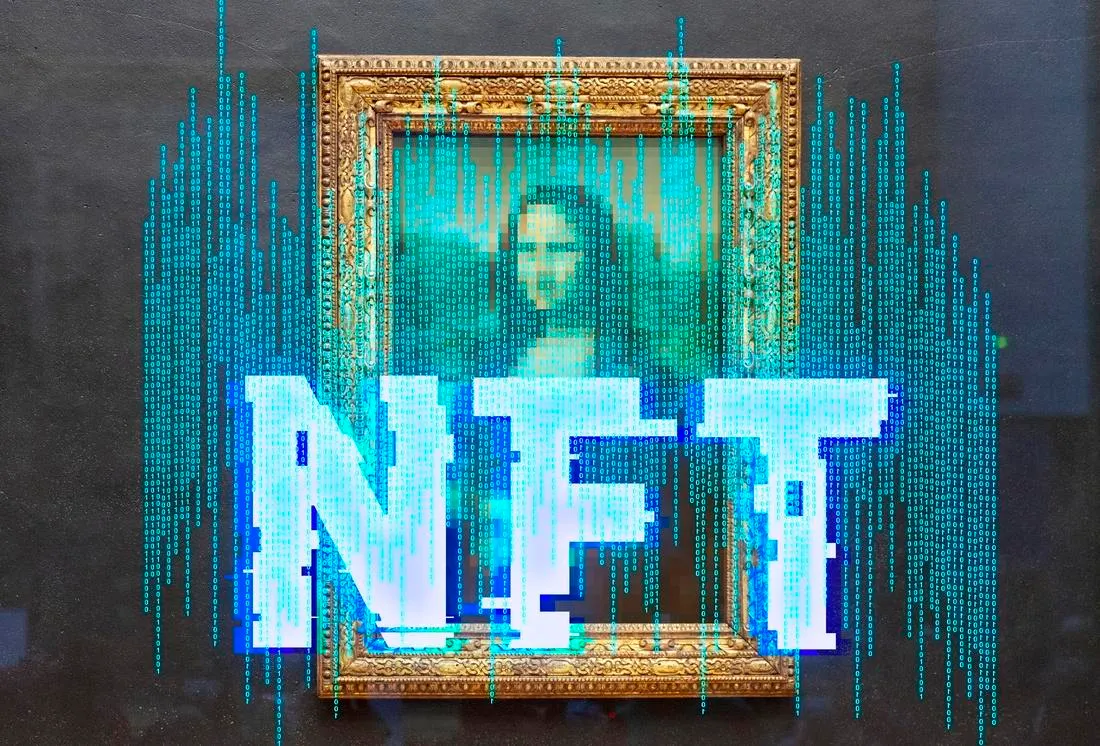
The introduction of NFTs has fundamentally changed this dynamic. By leveraging the power of blockchain, NFTs allow digital artworks to be uniquely owned, verifiable, and traded. Artists can now sell their creations in digital formats, ensuring that buyers receive verifiable proof of ownership and authenticity, even though the artwork itself is digital.
1.2 Defining NFTs: What Makes Them Unique?
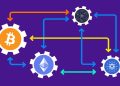
A Non-Fungible Token (NFT) is a type of digital asset that represents ownership or proof of authenticity for a unique item or piece of content. Unlike cryptocurrencies such as Bitcoin or Ethereum, which are fungible and interchangeable, NFTs are one-of-a-kind. Each NFT contains distinct metadata that makes it unique and verifiable on a blockchain. This uniqueness is crucial for art, where provenance (the history of ownership) is key to establishing the value of an artwork.
NFTs use blockchain technology to establish an immutable ledger of ownership. The decentralized nature of blockchain ensures that transactions are transparent, secure, and permanent, making it almost impossible to alter the history of an NFT once it’s been recorded.
2. NFTs and Artistic Creation: A New Era for Artists
2.1 Empowering Artists with Direct Monetization
Before the advent of NFTs, many artists faced barriers to entry in the traditional art market. Established galleries, auction houses, and art institutions often controlled which artists gained recognition and success. With NFTs, this power dynamic has shifted. Artists can now directly mint their work into NFTs and sell it to buyers without the need for intermediaries such as galleries or auction houses. This direct-to-consumer model offers several benefits:
- Increased Financial Control: Artists retain full control over the pricing and distribution of their work, potentially increasing their earnings by eliminating middlemen.
- Global Reach: The internet and NFT marketplaces allow artists to reach global audiences, enabling them to sell their work to collectors anywhere in the world without geographic limitations.
- Royalties on Resale: A key feature of NFTs is the ability for artists to program royalties into their smart contracts. This means that whenever an NFT is resold on the secondary market, the artist receives a percentage of the sale, ensuring continued revenue from their work’s future transactions.
2.2 Digital Art Creation and Ownership Redefined
NFTs have redefined what it means to create and own art in the digital age. Prior to NFTs, digital art could be easily copied, shared, and distributed, leading to a lack of clear ownership. NFTs resolve this issue by creating a unique, traceable record of ownership on the blockchain.
- New Forms of Digital Art: With NFTs, artists have the freedom to experiment with digital mediums that were once undervalued or difficult to monetize. This includes animated images, virtual reality (VR) art, interactive installations, and more.
- Ownership of Digital Goods: While digital assets like images and videos can be easily copied, NFTs ensure that the original work is uniquely owned. The buyer of an NFT is not simply purchasing a digital file, but the rights associated with the original work, including the verifiable ownership recorded on the blockchain.
2.3 Democratization of Art Production
NFTs have enabled a democratization of the art world, providing opportunities for lesser-known and emerging artists to showcase their work. Online NFT platforms like OpenSea, Rarible, and SuperRare have become major hubs for creators to mint and sell their work without the constraints of traditional art markets. These platforms have leveled the playing field, allowing anyone with the requisite skills to create and sell art digitally.
- Inclusion of Diverse Artists: NFTs have opened the doors for diverse forms of expression, encouraging the participation of underrepresented groups in the art world, including women, LGBTQ+ artists, and artists from different cultural backgrounds.
- Accessibility: NFTs have lowered the barriers for entry into the art market. Unlike traditional galleries, which may charge hefty commission fees or require artists to have significant recognition, NFT platforms are accessible to virtually anyone with an internet connection.
3. NFTs in Art Trading: Disruption of Traditional Markets
3.1 Rewriting the Rules of Art Sales
NFTs have not only changed how art is created but also how it is bought and sold. The marketplace for digital art has expanded exponentially, and NFTs have attracted significant attention from collectors, investors, and speculators alike. NFT art trading has become a multibillion-dollar industry, with high-profile sales such as Beeple’s digital collage “Everydays: The First 5000 Days,” which sold for $69 million at a Christie’s auction in 2021.
- Auctioning NFTs: Major auction houses like Sotheby’s and Christie’s have embraced NFTs, conducting sales of high-value digital art. This legitimizes NFTs in the eyes of traditional collectors and investors and signals that NFTs are becoming an accepted form of valuable art.
- Digital Art Collecting: Collectors are no longer limited to physical works of art. Instead, they can invest in NFTs, which can be held in digital wallets and displayed in virtual galleries. The blockchain serves as an immutable ledger, offering transparency in terms of the artwork’s provenance and ownership history.
- Speculation and Investment: Like traditional art, NFTs are increasingly seen as an investment vehicle. Some collectors purchase NFTs with the expectation that the value of the digital artwork will appreciate over time, similar to how rare physical art is treated as an asset.
3.2 Transparency and Provenance with Blockchain
One of the key features of NFTs is the transparency they offer. The blockchain provides a permanent, publicly accessible record of every transaction related to an NFT, including:
- Creation and Minting: When an NFT is created (or “minted”), the blockchain records the event. This establishes the artwork’s origin, creating a clear history of the work’s creation and ownership.
- Ownership Transfers: Each time the NFT is bought, sold, or transferred, the transaction is recorded on the blockchain. This creates a verifiable and traceable record of ownership, ensuring that the NFT cannot be counterfeited.
- Attribution: The blockchain also ensures that artists are properly attributed for their work. Since the metadata of an NFT is tied to the blockchain, artists’ names and the specific details of their creations are always publicly linked to the artwork.
3.3 Challenges and Controversies in the NFT Art Market
Despite the excitement surrounding NFTs, the market for digital art and NFTs has also been marked by challenges:
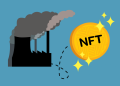
- Environmental Impact: The energy consumption required for minting and trading NFTs on blockchains like Ethereum has sparked significant criticism due to the carbon footprint associated with these processes. However, blockchain platforms are actively working on more sustainable solutions, such as Ethereum’s transition to Proof of Stake (PoS).
- Market Volatility: The NFT art market is highly speculative, and prices can fluctuate dramatically. Some argue that the rush to invest in NFTs creates a bubble akin to the dot-com crash or the art market speculation seen in the 20th century.
- Copyright Issues: The ownership of an NFT does not automatically grant the buyer copyright over the underlying artwork. Some buyers may mistakenly believe that owning an NFT gives them full intellectual property rights, which can lead to legal disputes.
4. The Future of NFTs in the Art World
4.1 Increasing Institutional Adoption
While NFTs have already gained significant traction among artists and independent collectors, institutions are also beginning to recognize their potential. Museums, galleries, and art collectors are increasingly exploring how NFTs can be integrated into traditional art markets. For example, some museums are planning to display NFTs alongside physical art in hybrid exhibitions that merge the physical and digital worlds.
- Physical-Digital Hybrid Art: The future of art may see more hybrid works that blend physical and digital mediums. For instance, artists could create digital art NFTs tied to physical objects or installations, allowing collectors to own both the digital and physical representations of the artwork.
4.2 New Models for Art Collaboration and Crowdfunding
NFTs also open up new possibilities for collaborative art creation and crowdfunding. Artists can collaborate in decentralized environments where multiple creators contribute to a single NFT project. Additionally, NFTs can be used for crowdfunding new artistic ventures, with backers receiving NFTs as a form of investment or reward.
4.3 Evolution of Virtual Art Galleries
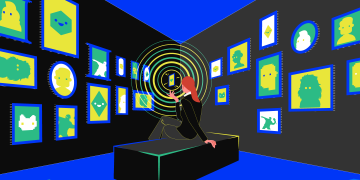
As virtual and augmented reality technologies advance, NFT platforms are likely to develop immersive virtual art galleries where collectors can experience digital art in three-dimensional spaces. These virtual galleries could offer a new way to interact with art and create unique experiences for viewers, further bridging the gap between the physical and digital worlds.
5. Conclusion
NFTs have had a profound impact on the art world, fundamentally altering how artists create, own, and sell their work. While the NFT art market faces challenges, including environmental concerns, legal issues, and market volatility, it has undoubtedly opened up new opportunities for creators and collectors alike. As the technology matures, NFTs are likely to play an increasingly central role in shaping the future of art, providing new ways to democratize artistic production, expand the reach of creators, and offer transparent, verifiable ownership in the digital realm.