

















1. Introduction: The Growing Need for Data Privacy and Integrity
1.1 The Digital Transformation and Data Vulnerabilities
As businesses and individuals increasingly rely on digital platforms to store, manage, and share personal information, the risks associated with data breaches and privacy violations have escalated. User data, ranging from personal identification details to financial information, is being stored and transmitted across centralized systems, which are often vulnerable to cyber-attacks, unauthorized access, and malicious actors.
- Data Breaches: High-profile data breaches are frequent in today’s digital ecosystem. Hackers target centralized databases, gaining unauthorized access to sensitive user information.
- Data Tampering: In centralized systems, data integrity can be compromised. Users’ personal information can be modified, leading to fraudulent activities and other malicious consequences.
- Lack of Privacy: Traditional data management systems often fail to give users full control over their personal data. Many businesses collect excessive amounts of personal information without proper user consent, leaving data exposed and vulnerable.
1.2 The Role of Blockchain in Data Privacy and Integrity
Blockchain technology offers a robust solution to these issues by providing a decentralized ledger that records transactions (or data exchanges) in a manner that is immutable, secure, and transparent. This allows businesses to ensure the privacy, integrity, and security of user data. Additionally, the use of cryptographic encryption ensures that only authorized individuals can access or alter the data.
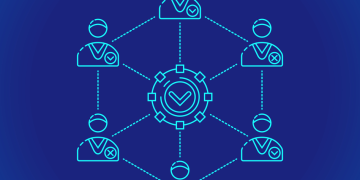
Blockchain operates on a peer-to-peer network where each participant holds a copy of the data. Any change made to the data requires consensus from the majority of participants, making it extremely difficult to tamper with or alter the records.
2. Blockchain for User Data Privacy
2.1 The Basics of Blockchain for Data Privacy
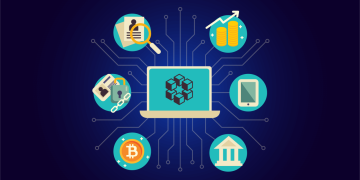
At its core, blockchain is a distributed ledger technology (DLT) that records data across multiple nodes (computers or devices) in a network. Each piece of data (or “block”) is securely linked to the next through a cryptographic hash, forming a chain. This structure makes blockchain highly resistant to modification.
In the context of data privacy, blockchain offers several key advantages:
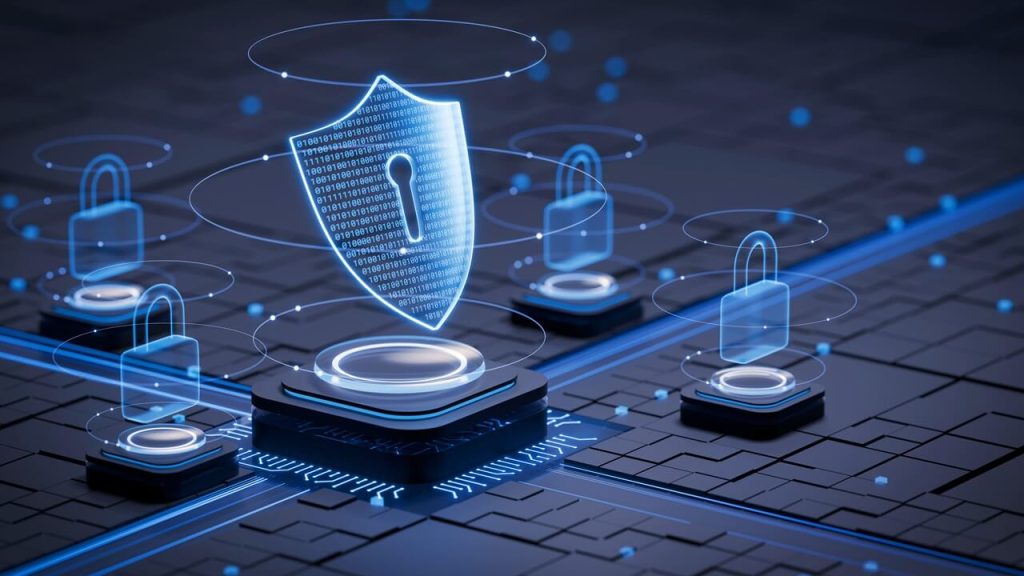
- Decentralization: Data is not stored on a single server or centralized database. Instead, it is distributed across multiple nodes, making it more resilient to cyber-attacks and preventing unauthorized access from centralized points of failure.
- Cryptographic Security: Blockchain relies on advanced cryptography to ensure the confidentiality of data. Each transaction or data entry is encrypted, making it unreadable to anyone without the appropriate decryption keys.
- User Control: Blockchain empowers users to have control over their own data. By using private keys, users can grant or revoke access to their personal information, enhancing privacy and reducing the risk of unauthorized use.
2.2 Use Cases of Blockchain for Data Privacy
- Personal Data Protection: Companies like SelfKey and uPort are using blockchain to enable users to store and manage their personal data in a secure and private manner. These platforms allow users to retain control over their data, sharing it only when needed and with the appropriate consent.
- Secure Identity Management: Blockchain provides a decentralized approach to identity management, enabling users to create, manage, and authenticate their digital identities without relying on central authorities or third-party entities.
- GDPR Compliance: In response to stricter data privacy laws like the General Data Protection Regulation (GDPR) in Europe, businesses are turning to blockchain to ensure compliance. Blockchain’s immutable ledger ensures that once data is recorded, it cannot be tampered with, helping businesses maintain transparent records of data processing activities.
3. Enhancing Data Integrity with Blockchain
3.1 Blockchain’s Immutability and Data Integrity
One of the core features of blockchain technology is its immutability. Once data is written to the blockchain, it cannot be altered, deleted, or tampered with. This makes blockchain an ideal tool for ensuring data integrity in a wide range of applications.
When data is stored on a blockchain, it is verified by multiple participants in the network before being added to the ledger. This consensus mechanism ensures that the data is legitimate and accurate. If anyone attempts to alter a record, the modification would be immediately visible to all network participants, making tampering virtually impossible.
3.2 Use Cases of Blockchain for Data Integrity
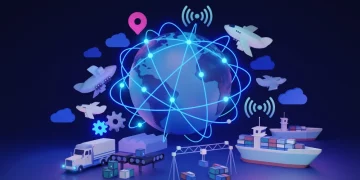
- Supply Chain Management: Companies like IBM Food Trust are using blockchain to track goods as they move through the supply chain. Each transaction or movement of goods is recorded on the blockchain, ensuring that the data remains accurate, transparent, and tamper-proof. This improves both data integrity and accountability.
- Financial Data Integrity: In the finance industry, blockchain is being used to enhance the integrity of transaction records. Blockchain’s immutable ledger ensures that financial transactions are recorded without the possibility of modification, reducing the risk of fraud and enhancing auditability.
- Health Data Integrity: Blockchain is increasingly being explored for maintaining the integrity of medical records. By storing patient information on a secure blockchain, healthcare providers can ensure that the data is accurate, up-to-date, and tamper-proof, improving patient care and reducing errors.
4. Preventing Data Breaches and Ensuring Security
4.1 How Blockchain Prevents Data Breaches
A key benefit of blockchain technology is its ability to prevent data breaches. Traditional centralized databases are prime targets for hackers, who can often access sensitive user information by breaching a single server. Blockchain’s decentralized nature means that there is no central point of failure, making it much more difficult for malicious actors to compromise the data.
Additionally, blockchain’s cryptographic encryption ensures that even if hackers gain access to the network, the data remains unreadable without the necessary decryption keys.
4.2 Use Cases of Blockchain for Security
- Encrypted Transactions: Blockchain’s built-in encryption mechanisms ensure that data is transmitted securely. Every transaction recorded on a blockchain is encrypted with cryptographic hashes, ensuring that unauthorized parties cannot access or manipulate the data.
- Access Control: Blockchain-based platforms, like Hyperledger Fabric, allow for fine-grained access control. Organizations can grant specific permissions to different stakeholders, ensuring that only authorized users can access or modify sensitive data.
- Data Provenance and Auditing: Blockchain provides a transparent record of data provenance, or the history of data. This makes it easy to trace where data came from, who modified it, and when. This feature is especially valuable for auditing purposes, providing an immutable audit trail that can prevent fraud and errors.
5. Challenges and Limitations of Blockchain for Data Privacy and Integrity
5.1 Scalability Issues
While blockchain offers tremendous potential for securing and protecting user data, scalability remains a challenge. As more transactions are recorded on the blockchain, the size of the distributed ledger grows, which can lead to performance issues. Solutions such as sharding and layer-two protocols are being explored to address this limitation.
5.2 Regulatory Challenges
Blockchain’s decentralized nature presents challenges when it comes to regulatory compliance. Traditional laws around data privacy, such as the General Data Protection Regulation (GDPR), assume that personal data is stored in a centralized manner. Blockchain’s immutable ledger creates challenges for businesses in meeting the “right to be forgotten” clause of GDPR.
5.3 Adoption Barriers
Despite its benefits, blockchain adoption remains slow due to a variety of factors, including technical complexity, high costs of implementation, and a lack of understanding about the technology. Additionally, many industries remain hesitant to move away from traditional systems due to the perceived risks associated with new technologies.
6. The Future of Blockchain in Data Privacy and Integrity
Blockchain’s potential for improving data privacy and integrity is immense. As the technology continues to evolve, we can expect further innovations that will address scalability, regulatory challenges, and adoption barriers. With advancements in privacy-preserving technologies, such as zero-knowledge proofs (ZKPs), blockchain could soon enable even more secure and private data management systems.
In the coming years, blockchain is likely to play a central role in not only enhancing data security but also transforming how businesses and governments manage personal information. As blockchain adoption grows, organizations will increasingly leverage this technology to provide greater privacy and integrity for user data, helping to build trust and transparency in the digital age.
Conclusion
Blockchain technology offers a promising solution to the growing concerns around data privacy and integrity. By leveraging its decentralized nature, cryptographic security, and immutable ledger, organizations can ensure that user data remains secure, private, and tamper-proof. While challenges remain, the future of blockchain in data security looks bright, and its potential to transform industries ranging from healthcare to finance is profound. As blockchain continues to mature, businesses must embrace it as a core element of their data protection strategies to ensure the privacy and integrity of user information in the digital age.