































BlockChainIndex.net
  • Home
  • Chain Core
    Cross-Chain Compatibility: Addressing the Challenges and Solutions

    Cross-Chain Compatibility: Addressing the Challenges and Solutions

    The Security Issues of Consensus Mechanisms: An Ongoing Debate

    The Security Issues of Consensus Mechanisms: An Ongoing Debate

    The Lightning Network: The Most Famous Layer 2 Solution on Bitcoin

    The Lightning Network: The Most Famous Layer 2 Solution on Bitcoin

    Consensus Mechanisms of Layer 1 and Layer 2: The Backbone of Blockchain Scalability

    Consensus Mechanisms of Layer 1 and Layer 2: The Backbone of Blockchain Scalability

    Proof of Stake vs Proof of Work

    Proof of Stake vs Proof of Work

    Multi-Consensus Algorithms: Evolving the Future of Blockchain Technology

    Multi-Consensus Algorithms: Evolving the Future of Blockchain Technology

  • Crypto Markets
    Sustainable Yield: Unlocking the Potential for Long-Term Financial Growth

    Sustainable Yield: Unlocking the Potential for Long-Term Financial Growth

    Market Sentiment and Macroeconomic Factors: Interactions and Impacts

    Market Sentiment and Macroeconomic Factors: Interactions and Impacts

    Leveraging On-Chain Data for Real-Time Market Analysis and Intelligence for Investors

    Leveraging On-Chain Data for Real-Time Market Analysis and Intelligence for Investors

    The Stock-to-Flow Model: Analyzing Bitcoin’s Scarcity and Price Predictions

    The Stock-to-Flow Model: Analyzing Bitcoin’s Scarcity and Price Predictions

    Bitcoin Price Volatility and Its Impact on the Entire Market Trend

    Bitcoin Price Volatility and Its Impact on the Entire Market Trend

    The Shifting Dominance of Bitcoin in the Cryptocurrency Market: A Key Indicator for Market Analysis

    The Shifting Dominance of Bitcoin in the Cryptocurrency Market: A Key Indicator for Market Analysis

  • Enterprise Chain
    Electronic Health Records (EHR): Transforming Healthcare for the Future

    Electronic Health Records (EHR): Transforming Healthcare for the Future

    The Integration of Supply Chains and the Internet of Things (IoT)

    The Integration of Supply Chains and the Internet of Things (IoT)

    Supply Chain Financing and Payments

    Supply Chain Financing and Payments

    Optimizing Supply Chain Protocols with Smart Contracts

    Optimizing Supply Chain Protocols with Smart Contracts

    Walmart and IBM’s Food Safety Blockchain Collaboration: Using Blockchain Technology to Track Food Sources and Movement

    Walmart and IBM’s Food Safety Blockchain Collaboration: Using Blockchain Technology to Track Food Sources and Movement

    Global Food Traceability: Ensuring Safety, Transparency, and Sustainability in the Food Supply Chain

    Global Food Traceability: Ensuring Safety, Transparency, and Sustainability in the Food Supply Chain

  • NFT Frontier
    Environmental Concerns in the NFT Industry: Balancing Innovation with Sustainability

    Environmental Concerns in the NFT Industry: Balancing Innovation with Sustainability

    NFT Copyright and Intellectual Property Issues

    NFT Copyright and Intellectual Property Issues

    Decentralization of the Art Market: A New Era of Digital Ownership

    Decentralization of the Art Market: A New Era of Digital Ownership

    NFTs Disrupting the Traditional Art Market

    NFTs Disrupting the Traditional Art Market

    The Explosion of Digital Art and the NFT Market: Revolutionizing the Art World

    The Explosion of Digital Art and the NFT Market: Revolutionizing the Art World

    Emerging Trends in Digital Collectibles: The Future of Ownership in the Digital Age

    Emerging Trends in Digital Collectibles: The Future of Ownership in the Digital Age

  • On-Chain Lens
    Balancing Privacy and Security: A Critical Exploration in the Digital Age

    Balancing Privacy and Security: A Critical Exploration in the Digital Age

    Despite Blockchain Transactions Being Public and Transparent, the Anonymity of Wallets Remains a Challenge

    Despite Blockchain Transactions Being Public and Transparent, the Anonymity of Wallets Remains a Challenge

    Wallet and Smart Contract Interaction: Key Analysis Objects of On-Chain Lens Technology

    Wallet and Smart Contract Interaction: Key Analysis Objects of On-Chain Lens Technology

    On-Chain Lens: Analyzing the Flow of Funds Between Wallets Using Blockchain’s Public Ledger

    On-Chain Lens: Analyzing the Flow of Funds Between Wallets Using Blockchain’s Public Ledger

    Tracking and Analyzing Capital Flows: A Comprehensive Guide to Understanding Financial Movements

    Tracking and Analyzing Capital Flows: A Comprehensive Guide to Understanding Financial Movements

    Wallet Behavior Analysis: The Core of On-Chain Lens Technology

    Wallet Behavior Analysis: The Core of On-Chain Lens Technology

  • Reg Radar
    Building Compliance Frameworks: The Increasing Importance for Crypto Companies in Addressing Regulatory Challenges

    Building Compliance Frameworks: The Increasing Importance for Crypto Companies in Addressing Regulatory Challenges

    Global Consistency and Diversity: Navigating the Balance in a Connected World

    Global Consistency and Diversity: Navigating the Balance in a Connected World

    The European Union’s MiCA Regulation: A New Era for Crypto-Asset Regulation

    The European Union’s MiCA Regulation: A New Era for Crypto-Asset Regulation

    The Evolving Regulatory Landscape: Challenges and Opportunities for Crypto Businesses

    The Evolving Regulatory Landscape: Challenges and Opportunities for Crypto Businesses

    The Evolving Regulatory Frameworks Across Global Regions: Progress and Adjustments in the Face of Emerging Challenges

    The Evolving Regulatory Frameworks Across Global Regions: Progress and Adjustments in the Face of Emerging Challenges

    The U.S. SEC: One of the Most Important Regulatory Bodies for the Crypto Market

    The U.S. SEC: One of the Most Important Regulatory Bodies for the Crypto Market

BlockChainIndex.net
  • Home
  • Chain Core
    Cross-Chain Compatibility: Addressing the Challenges and Solutions

    Cross-Chain Compatibility: Addressing the Challenges and Solutions

    The Security Issues of Consensus Mechanisms: An Ongoing Debate

    The Security Issues of Consensus Mechanisms: An Ongoing Debate

    The Lightning Network: The Most Famous Layer 2 Solution on Bitcoin

    The Lightning Network: The Most Famous Layer 2 Solution on Bitcoin

    Consensus Mechanisms of Layer 1 and Layer 2: The Backbone of Blockchain Scalability

    Consensus Mechanisms of Layer 1 and Layer 2: The Backbone of Blockchain Scalability

    Proof of Stake vs Proof of Work

    Proof of Stake vs Proof of Work

    Multi-Consensus Algorithms: Evolving the Future of Blockchain Technology

    Multi-Consensus Algorithms: Evolving the Future of Blockchain Technology

  • Crypto Markets
    Sustainable Yield: Unlocking the Potential for Long-Term Financial Growth

    Sustainable Yield: Unlocking the Potential for Long-Term Financial Growth

    Market Sentiment and Macroeconomic Factors: Interactions and Impacts

    Market Sentiment and Macroeconomic Factors: Interactions and Impacts

    Leveraging On-Chain Data for Real-Time Market Analysis and Intelligence for Investors

    Leveraging On-Chain Data for Real-Time Market Analysis and Intelligence for Investors

    The Stock-to-Flow Model: Analyzing Bitcoin’s Scarcity and Price Predictions

    The Stock-to-Flow Model: Analyzing Bitcoin’s Scarcity and Price Predictions

    Bitcoin Price Volatility and Its Impact on the Entire Market Trend

    Bitcoin Price Volatility and Its Impact on the Entire Market Trend

    The Shifting Dominance of Bitcoin in the Cryptocurrency Market: A Key Indicator for Market Analysis

    The Shifting Dominance of Bitcoin in the Cryptocurrency Market: A Key Indicator for Market Analysis

  • Enterprise Chain
    Electronic Health Records (EHR): Transforming Healthcare for the Future

    Electronic Health Records (EHR): Transforming Healthcare for the Future

    The Integration of Supply Chains and the Internet of Things (IoT)

    The Integration of Supply Chains and the Internet of Things (IoT)

    Supply Chain Financing and Payments

    Supply Chain Financing and Payments

    Optimizing Supply Chain Protocols with Smart Contracts

    Optimizing Supply Chain Protocols with Smart Contracts

    Walmart and IBM’s Food Safety Blockchain Collaboration: Using Blockchain Technology to Track Food Sources and Movement

    Walmart and IBM’s Food Safety Blockchain Collaboration: Using Blockchain Technology to Track Food Sources and Movement

    Global Food Traceability: Ensuring Safety, Transparency, and Sustainability in the Food Supply Chain

    Global Food Traceability: Ensuring Safety, Transparency, and Sustainability in the Food Supply Chain

  • NFT Frontier
    Environmental Concerns in the NFT Industry: Balancing Innovation with Sustainability

    Environmental Concerns in the NFT Industry: Balancing Innovation with Sustainability

    NFT Copyright and Intellectual Property Issues

    NFT Copyright and Intellectual Property Issues

    Decentralization of the Art Market: A New Era of Digital Ownership

    Decentralization of the Art Market: A New Era of Digital Ownership

    NFTs Disrupting the Traditional Art Market

    NFTs Disrupting the Traditional Art Market

    The Explosion of Digital Art and the NFT Market: Revolutionizing the Art World

    The Explosion of Digital Art and the NFT Market: Revolutionizing the Art World

    Emerging Trends in Digital Collectibles: The Future of Ownership in the Digital Age

    Emerging Trends in Digital Collectibles: The Future of Ownership in the Digital Age

  • On-Chain Lens
    Balancing Privacy and Security: A Critical Exploration in the Digital Age

    Balancing Privacy and Security: A Critical Exploration in the Digital Age

    Despite Blockchain Transactions Being Public and Transparent, the Anonymity of Wallets Remains a Challenge

    Despite Blockchain Transactions Being Public and Transparent, the Anonymity of Wallets Remains a Challenge

    Wallet and Smart Contract Interaction: Key Analysis Objects of On-Chain Lens Technology

    Wallet and Smart Contract Interaction: Key Analysis Objects of On-Chain Lens Technology

    On-Chain Lens: Analyzing the Flow of Funds Between Wallets Using Blockchain’s Public Ledger

    On-Chain Lens: Analyzing the Flow of Funds Between Wallets Using Blockchain’s Public Ledger

    Tracking and Analyzing Capital Flows: A Comprehensive Guide to Understanding Financial Movements

    Tracking and Analyzing Capital Flows: A Comprehensive Guide to Understanding Financial Movements

    Wallet Behavior Analysis: The Core of On-Chain Lens Technology

    Wallet Behavior Analysis: The Core of On-Chain Lens Technology

  • Reg Radar
    Building Compliance Frameworks: The Increasing Importance for Crypto Companies in Addressing Regulatory Challenges

    Building Compliance Frameworks: The Increasing Importance for Crypto Companies in Addressing Regulatory Challenges

    Global Consistency and Diversity: Navigating the Balance in a Connected World

    Global Consistency and Diversity: Navigating the Balance in a Connected World

    The European Union’s MiCA Regulation: A New Era for Crypto-Asset Regulation

    The European Union’s MiCA Regulation: A New Era for Crypto-Asset Regulation

    The Evolving Regulatory Landscape: Challenges and Opportunities for Crypto Businesses

    The Evolving Regulatory Landscape: Challenges and Opportunities for Crypto Businesses

    The Evolving Regulatory Frameworks Across Global Regions: Progress and Adjustments in the Face of Emerging Challenges

    The Evolving Regulatory Frameworks Across Global Regions: Progress and Adjustments in the Face of Emerging Challenges

    The U.S. SEC: One of the Most Important Regulatory Bodies for the Crypto Market

    The U.S. SEC: One of the Most Important Regulatory Bodies for the Crypto Market

BlockChainIndex.net
No Result
View All Result
Home Enterprise Chain

The Growing Adoption of Enterprise Blockchain Platforms by Banks to Simplify Traditional Financial Transaction Processes and Reduce Time and Costs

October 21, 2025
in Enterprise Chain
The Growing Adoption of Enterprise Blockchain Platforms by Banks to Simplify Traditional Financial Transaction Processes and Reduce Time and Costs

1. Introduction: The Rise of Blockchain in the Banking Sector

Blockchain technology, originally popularized by cryptocurrencies like Bitcoin, has evolved far beyond its initial scope. Today, it has become a transformative tool in enterprise solutions, particularly within the banking sector. In an era where financial institutions are grappling with challenges like operational inefficiencies, costly transaction fees, and slow processing times, blockchain offers promising solutions.

Enterprise blockchain, a permissioned version of blockchain designed for businesses, is being adopted by banks to streamline a wide range of financial services, including cross-border payments, clearing and settlement, and trade finance. The blockchain’s decentralized, transparent, and immutable nature makes it an attractive alternative to traditional centralized systems.

This article will explore how blockchain-based enterprise platforms are simplifying traditional banking processes. We will analyze their role in improving operational efficiencies, lowering costs, and enhancing security, alongside discussing how blockchain is reshaping financial services and the future trajectory of these technologies in the banking industry.


2. Traditional Banking Challenges and the Need for Blockchain Solutions

2.1 Legacy Systems and Operational Inefficiencies

Traditional banks have relied on legacy systems for decades to process financial transactions, manage accounts, and ensure the security of operations. While these systems have served their purpose, they come with several notable drawbacks:

  • Complexity and Fragmentation: Traditional banking systems often involve multiple intermediaries (e.g., clearinghouses, correspondent banks, and custodians) in processing transactions, leading to complexity and delays.
  • High Transaction Costs: Every intermediary in the transaction chain requires compensation, which drives up costs. For example, international money transfers involve significant fees due to the involvement of multiple banks and payment providers.
  • Slow Processing Times: Traditional financial transactions, especially in cross-border payments, can take several days to settle. This is due to the time needed for reconciliation, clearing, and settlement across different banks and time zones.
  • Security and Fraud Risks: Legacy systems can be vulnerable to security breaches, fraud, and errors in reconciliation. Despite advances in security protocols, manual processes and centralized databases still present opportunities for compromise.

2.2 The Need for Blockchain in Banking

Blockchain technology is seen as the solution to these challenges. By leveraging decentralized networks, blockchain eliminates the need for intermediaries, streamlines workflows, and enhances security. Blockchain enables real-time transaction processing and improves transparency while reducing fraud risks.

Key drivers for blockchain adoption in the banking sector include:

  • Faster Transactions: Blockchain’s ability to process transactions in near real-time is a huge advantage over traditional systems, which often require days to settle international payments.
  • Lower Costs: By cutting out intermediaries, blockchain reduces transaction fees and operational costs for banks and their customers.
  • Enhanced Transparency: Blockchain’s immutable ledger provides a transparent record of all transactions, making it easier to trace and verify financial activities.
  • Improved Security: The cryptographic nature of blockchain ensures that transactions are secure and resistant to tampering.

3. How Blockchain Simplifies Traditional Financial Transaction Processes

3.1 Blockchain in Cross-Border Payments

One of the most significant areas where blockchain is simplifying traditional financial transactions is cross-border payments. Traditionally, sending money across borders involves multiple intermediaries—such as correspondent banks—each charging fees and adding delays to the transaction. The process is also prone to errors and discrepancies, resulting in lengthy reconciliation processes.

By using blockchain for cross-border payments, banks can eliminate these intermediaries, allowing for direct transfers between parties. Blockchain’s ability to settle transactions in real time ensures that cross-border payments can be completed much faster—often in just a few minutes—while reducing transaction fees.

Example of Blockchain in Cross-Border Payments:

  • Ripple: Ripple is a blockchain-based payment platform that enables fast, low-cost international money transfers. It allows financial institutions to process transactions in real time, bypassing traditional intermediaries like correspondent banks.

3.2 Blockchain in Clearing and Settlement

Clearing and settlement, the process through which banks ensure that transactions are accurately recorded and verified, is another area where blockchain brings value. Traditionally, this process involves multiple steps, including reconciliation and confirmation by different parties, which can take several days.

Blockchain’s distributed ledger allows banks to record transactions in real time, reducing the need for manual reconciliation and accelerating the settlement process. This has the potential to significantly improve the efficiency and speed of securities transactions, reducing settlement times from days to hours or even minutes.

Example of Blockchain in Clearing and Settlement:

  • Project Ion by DTCC: The Depository Trust & Clearing Corporation (DTCC) has been experimenting with blockchain technology to enhance its clearing and settlement processes. The Project Ion initiative aims to reduce settlement times and improve operational efficiency using distributed ledger technology.

3.3 Blockchain in Trade Finance

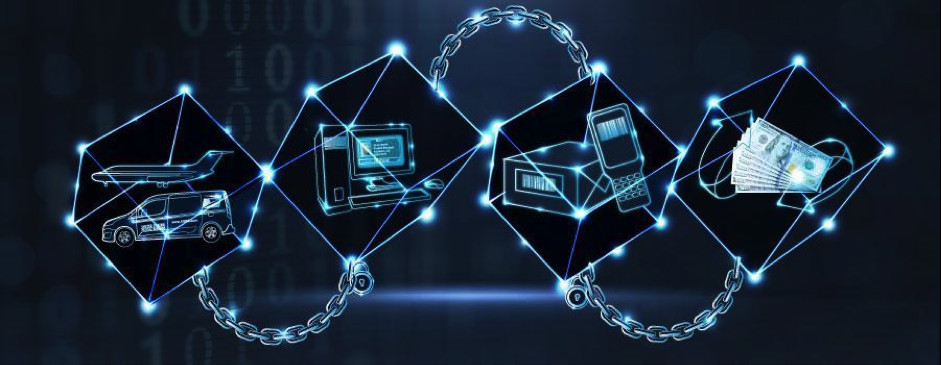
Trade finance, the financing of goods and services across borders, often involves complex paperwork, long approval processes, and multiple intermediaries. Blockchain simplifies trade finance by providing a single platform for all participants—buyers, sellers, and banks—to access and update trade documents in real time.

Smart contracts, which are self-executing contracts with the terms of the agreement directly written into code, further streamline trade finance by automatically executing payment and delivery once certain conditions are met. This eliminates the need for intermediaries, reduces risks, and speeds up transactions.

Example of Blockchain in Trade Finance:

  • We.trade: We.trade is a blockchain-based trade finance platform that simplifies cross-border trade by providing a digital ecosystem for real-time tracking of documents, enabling secure and efficient transactions between buyers, sellers, and financial institutions.
4. Key Benefits of Blockchain in Banking Transactions

4.1 Cost Reduction

Blockchain eliminates intermediaries from the financial transaction process, leading to lower transaction fees. For example, the use of blockchain in cross-border payments has the potential to significantly reduce the high fees associated with international wire transfers.

Additionally, by automating processes like clearing and settlement and trade finance through smart contracts, blockchain reduces the need for manual intervention and costly administrative tasks, further cutting operational costs.

4.2 Increased Efficiency

Blockchain can process transactions in near real-time, improving the efficiency of financial services like payments, clearing, and settlement. The technology reduces delays associated with traditional methods, making it possible for financial transactions to be completed almost instantly, even across borders.

By automating key tasks through blockchain, banks also reduce the time spent on reconciliation, compliance checks, and other routine processes.

4.3 Enhanced Security and Transparency

Blockchain’s decentralized, cryptographic nature ensures that all transactions are secure and cannot be tampered with. Once a transaction is recorded on the blockchain, it becomes immutable and transparent, providing a secure, tamper-proof record for all participants to access.

This transparency is crucial in industries like trade finance, where multiple parties need to verify the authenticity of trade documents and transactions.


5. Challenges in Blockchain Adoption in the Banking Sector

Despite the many advantages, the adoption of blockchain in the banking sector faces several challenges:

  • Regulatory Uncertainty: Blockchain technology is still relatively new, and many countries have not yet developed clear regulatory frameworks. Banks need to navigate uncertain legal environments and ensure that blockchain solutions comply with existing financial regulations, such as KYC (Know Your Customer) and AML (Anti-Money Laundering) requirements.
  • Integration with Legacy Systems: Many banks still rely on legacy systems that are not compatible with blockchain. Integrating blockchain into these systems can be complex and costly.
  • Scalability: While blockchain offers faster transactions than traditional systems, scalability remains an issue. Blockchain networks need to handle large transaction volumes without sacrificing performance or security.

6. The Future of Blockchain in Banking

As enterprise blockchain technology matures, its adoption within the banking sector is expected to grow. The benefits of blockchain in reducing costs, enhancing efficiency, and improving security are too significant for financial institutions to ignore. As more banks begin to experiment with and adopt blockchain-based platforms, the financial ecosystem will continue to evolve, creating new opportunities for innovation.

In the future, blockchain could play an even larger role in transforming the global financial landscape, creating a more transparent, secure, and efficient system that benefits both financial institutions and their customers.


Conclusion

The growing adoption of enterprise blockchain platforms by banks is helping to simplify traditional financial transaction processes, offering benefits in terms of cost reduction, efficiency, security, and transparency. While challenges such as regulatory uncertainty and integration with legacy systems remain, the potential of blockchain to transform the banking sector is undeniable. As the technology continues to mature, we can expect an even greater shift toward blockchain-driven solutions in financial services, heralding a new era of innovation in global finance.


Tags: BanksBlockchainEnterprise chain
ShareTweetShare

Related Posts

Electronic Health Records (EHR): Transforming Healthcare for the Future
Enterprise Chain

Electronic Health Records (EHR): Transforming Healthcare for the Future

December 1, 2025
The Integration of Supply Chains and the Internet of Things (IoT)
Enterprise Chain

The Integration of Supply Chains and the Internet of Things (IoT)

November 30, 2025
Supply Chain Financing and Payments
Enterprise Chain

Supply Chain Financing and Payments

November 29, 2025
Optimizing Supply Chain Protocols with Smart Contracts
Enterprise Chain

Optimizing Supply Chain Protocols with Smart Contracts

November 28, 2025
Walmart and IBM’s Food Safety Blockchain Collaboration: Using Blockchain Technology to Track Food Sources and Movement
Enterprise Chain

Walmart and IBM’s Food Safety Blockchain Collaboration: Using Blockchain Technology to Track Food Sources and Movement

November 27, 2025
Global Food Traceability: Ensuring Safety, Transparency, and Sustainability in the Food Supply Chain
Enterprise Chain

Global Food Traceability: Ensuring Safety, Transparency, and Sustainability in the Food Supply Chain

November 26, 2025
Leave Comment
  • Trending
  • Comments
  • Latest
Combining Virtual Reality in the Metaverse with NFTs: Creating Richer Digital Experiences and Business Models

Combining Virtual Reality in the Metaverse with NFTs: Creating Richer Digital Experiences and Business Models

October 21, 2025
Leveraging Limited Edition NFT Merchandise to Attract Young Consumers, Enhance Brand Uniqueness, and Build Loyalty

Leveraging Limited Edition NFT Merchandise to Attract Young Consumers, Enhance Brand Uniqueness, and Build Loyalty

October 21, 2025
The Explosive Growth of the NFT Art Market: Scale, Activity, and Future Prospects

The Explosive Growth of the NFT Art Market: Scale, Activity, and Future Prospects

October 21, 2025
Brands and the Future of Commerce: Selling Virtual Goods through NFTs Tied to Physical Products

Brands and the Future of Commerce: Selling Virtual Goods through NFTs Tied to Physical Products

October 21, 2025
The Future Development Trend of Bitcoin

The Future Development Trend of Bitcoin

The Rise of Layer 2 Technology: Scaling Ethereum with Solutions like Optimism and Arbitrum

The Rise of Layer 2 Technology: Scaling Ethereum with Solutions like Optimism and Arbitrum

How Businesses Can Enhance Supply Chain Flexibility and Resilience Through Diversified Sourcing, Localized Production, and Risk Management Frameworks to Face Future Global Crises or Geopolitical Risks

How Businesses Can Enhance Supply Chain Flexibility and Resilience Through Diversified Sourcing, Localized Production, and Risk Management Frameworks to Face Future Global Crises or Geopolitical Risks

The Role of Blockchain in the Metaverse: New Infrastructure for the Virtual World

The Role of Blockchain in the Metaverse: New Infrastructure for the Virtual World

Environmental Concerns in the NFT Industry: Balancing Innovation with Sustainability

Environmental Concerns in the NFT Industry: Balancing Innovation with Sustainability

December 1, 2025
Electronic Health Records (EHR): Transforming Healthcare for the Future

Electronic Health Records (EHR): Transforming Healthcare for the Future

December 1, 2025
Sustainable Yield: Unlocking the Potential for Long-Term Financial Growth

Sustainable Yield: Unlocking the Potential for Long-Term Financial Growth

December 1, 2025
Cross-Chain Compatibility: Addressing the Challenges and Solutions

Cross-Chain Compatibility: Addressing the Challenges and Solutions

December 1, 2025
BlockChainIndex.net

From Layer2 technical deep dives to NFT market forecasting, we curate professional perspectives through on-chain analytics and industry expert collaborations. Stay ahead in blockchain innovation.

© 2025 blockchainindex.com. contacts:[email protected]

No Result
View All Result
  • Home
  • Chain Core
  • Crypto Markets
  • Enterprise Chain
  • NFT Frontier
  • On-Chain Lens
  • Reg Radar

© 2025 blockchainindex.com. contacts:[email protected]

Welcome Back!

Login to your account below

Forgotten Password?

Retrieve your password

Please enter your username or email address to reset your password.

Log In