




























BlockChainIndex.net
  • Home
  • Chain Core
    Cross-Chain Compatibility: Addressing the Challenges and Solutions

    Cross-Chain Compatibility: Addressing the Challenges and Solutions

    The Security Issues of Consensus Mechanisms: An Ongoing Debate

    The Security Issues of Consensus Mechanisms: An Ongoing Debate

    The Lightning Network: The Most Famous Layer 2 Solution on Bitcoin

    The Lightning Network: The Most Famous Layer 2 Solution on Bitcoin

    Consensus Mechanisms of Layer 1 and Layer 2: The Backbone of Blockchain Scalability

    Consensus Mechanisms of Layer 1 and Layer 2: The Backbone of Blockchain Scalability

    Proof of Stake vs Proof of Work

    Proof of Stake vs Proof of Work

    Multi-Consensus Algorithms: Evolving the Future of Blockchain Technology

    Multi-Consensus Algorithms: Evolving the Future of Blockchain Technology

  • Crypto Markets
    Sustainable Yield: Unlocking the Potential for Long-Term Financial Growth

    Sustainable Yield: Unlocking the Potential for Long-Term Financial Growth

    Market Sentiment and Macroeconomic Factors: Interactions and Impacts

    Market Sentiment and Macroeconomic Factors: Interactions and Impacts

    Leveraging On-Chain Data for Real-Time Market Analysis and Intelligence for Investors

    Leveraging On-Chain Data for Real-Time Market Analysis and Intelligence for Investors

    The Stock-to-Flow Model: Analyzing Bitcoin’s Scarcity and Price Predictions

    The Stock-to-Flow Model: Analyzing Bitcoin’s Scarcity and Price Predictions

    Bitcoin Price Volatility and Its Impact on the Entire Market Trend

    Bitcoin Price Volatility and Its Impact on the Entire Market Trend

    The Shifting Dominance of Bitcoin in the Cryptocurrency Market: A Key Indicator for Market Analysis

    The Shifting Dominance of Bitcoin in the Cryptocurrency Market: A Key Indicator for Market Analysis

  • Enterprise Chain
    Electronic Health Records (EHR): Transforming Healthcare for the Future

    Electronic Health Records (EHR): Transforming Healthcare for the Future

    The Integration of Supply Chains and the Internet of Things (IoT)

    The Integration of Supply Chains and the Internet of Things (IoT)

    Supply Chain Financing and Payments

    Supply Chain Financing and Payments

    Optimizing Supply Chain Protocols with Smart Contracts

    Optimizing Supply Chain Protocols with Smart Contracts

    Walmart and IBM’s Food Safety Blockchain Collaboration: Using Blockchain Technology to Track Food Sources and Movement

    Walmart and IBM’s Food Safety Blockchain Collaboration: Using Blockchain Technology to Track Food Sources and Movement

    Global Food Traceability: Ensuring Safety, Transparency, and Sustainability in the Food Supply Chain

    Global Food Traceability: Ensuring Safety, Transparency, and Sustainability in the Food Supply Chain

  • NFT Frontier
    Environmental Concerns in the NFT Industry: Balancing Innovation with Sustainability

    Environmental Concerns in the NFT Industry: Balancing Innovation with Sustainability

    NFT Copyright and Intellectual Property Issues

    NFT Copyright and Intellectual Property Issues

    Decentralization of the Art Market: A New Era of Digital Ownership

    Decentralization of the Art Market: A New Era of Digital Ownership

    NFTs Disrupting the Traditional Art Market

    NFTs Disrupting the Traditional Art Market

    The Explosion of Digital Art and the NFT Market: Revolutionizing the Art World

    The Explosion of Digital Art and the NFT Market: Revolutionizing the Art World

    Emerging Trends in Digital Collectibles: The Future of Ownership in the Digital Age

    Emerging Trends in Digital Collectibles: The Future of Ownership in the Digital Age

  • On-Chain Lens
    Balancing Privacy and Security: A Critical Exploration in the Digital Age

    Balancing Privacy and Security: A Critical Exploration in the Digital Age

    Despite Blockchain Transactions Being Public and Transparent, the Anonymity of Wallets Remains a Challenge

    Despite Blockchain Transactions Being Public and Transparent, the Anonymity of Wallets Remains a Challenge

    Wallet and Smart Contract Interaction: Key Analysis Objects of On-Chain Lens Technology

    Wallet and Smart Contract Interaction: Key Analysis Objects of On-Chain Lens Technology

    On-Chain Lens: Analyzing the Flow of Funds Between Wallets Using Blockchain’s Public Ledger

    On-Chain Lens: Analyzing the Flow of Funds Between Wallets Using Blockchain’s Public Ledger

    Tracking and Analyzing Capital Flows: A Comprehensive Guide to Understanding Financial Movements

    Tracking and Analyzing Capital Flows: A Comprehensive Guide to Understanding Financial Movements

    Wallet Behavior Analysis: The Core of On-Chain Lens Technology

    Wallet Behavior Analysis: The Core of On-Chain Lens Technology

  • Reg Radar
    Building Compliance Frameworks: The Increasing Importance for Crypto Companies in Addressing Regulatory Challenges

    Building Compliance Frameworks: The Increasing Importance for Crypto Companies in Addressing Regulatory Challenges

    Global Consistency and Diversity: Navigating the Balance in a Connected World

    Global Consistency and Diversity: Navigating the Balance in a Connected World

    The European Union’s MiCA Regulation: A New Era for Crypto-Asset Regulation

    The European Union’s MiCA Regulation: A New Era for Crypto-Asset Regulation

    The Evolving Regulatory Landscape: Challenges and Opportunities for Crypto Businesses

    The Evolving Regulatory Landscape: Challenges and Opportunities for Crypto Businesses

    The Evolving Regulatory Frameworks Across Global Regions: Progress and Adjustments in the Face of Emerging Challenges

    The Evolving Regulatory Frameworks Across Global Regions: Progress and Adjustments in the Face of Emerging Challenges

    The U.S. SEC: One of the Most Important Regulatory Bodies for the Crypto Market

    The U.S. SEC: One of the Most Important Regulatory Bodies for the Crypto Market

BlockChainIndex.net
  • Home
  • Chain Core
    Cross-Chain Compatibility: Addressing the Challenges and Solutions

    Cross-Chain Compatibility: Addressing the Challenges and Solutions

    The Security Issues of Consensus Mechanisms: An Ongoing Debate

    The Security Issues of Consensus Mechanisms: An Ongoing Debate

    The Lightning Network: The Most Famous Layer 2 Solution on Bitcoin

    The Lightning Network: The Most Famous Layer 2 Solution on Bitcoin

    Consensus Mechanisms of Layer 1 and Layer 2: The Backbone of Blockchain Scalability

    Consensus Mechanisms of Layer 1 and Layer 2: The Backbone of Blockchain Scalability

    Proof of Stake vs Proof of Work

    Proof of Stake vs Proof of Work

    Multi-Consensus Algorithms: Evolving the Future of Blockchain Technology

    Multi-Consensus Algorithms: Evolving the Future of Blockchain Technology

  • Crypto Markets
    Sustainable Yield: Unlocking the Potential for Long-Term Financial Growth

    Sustainable Yield: Unlocking the Potential for Long-Term Financial Growth

    Market Sentiment and Macroeconomic Factors: Interactions and Impacts

    Market Sentiment and Macroeconomic Factors: Interactions and Impacts

    Leveraging On-Chain Data for Real-Time Market Analysis and Intelligence for Investors

    Leveraging On-Chain Data for Real-Time Market Analysis and Intelligence for Investors

    The Stock-to-Flow Model: Analyzing Bitcoin’s Scarcity and Price Predictions

    The Stock-to-Flow Model: Analyzing Bitcoin’s Scarcity and Price Predictions

    Bitcoin Price Volatility and Its Impact on the Entire Market Trend

    Bitcoin Price Volatility and Its Impact on the Entire Market Trend

    The Shifting Dominance of Bitcoin in the Cryptocurrency Market: A Key Indicator for Market Analysis

    The Shifting Dominance of Bitcoin in the Cryptocurrency Market: A Key Indicator for Market Analysis

  • Enterprise Chain
    Electronic Health Records (EHR): Transforming Healthcare for the Future

    Electronic Health Records (EHR): Transforming Healthcare for the Future

    The Integration of Supply Chains and the Internet of Things (IoT)

    The Integration of Supply Chains and the Internet of Things (IoT)

    Supply Chain Financing and Payments

    Supply Chain Financing and Payments

    Optimizing Supply Chain Protocols with Smart Contracts

    Optimizing Supply Chain Protocols with Smart Contracts

    Walmart and IBM’s Food Safety Blockchain Collaboration: Using Blockchain Technology to Track Food Sources and Movement

    Walmart and IBM’s Food Safety Blockchain Collaboration: Using Blockchain Technology to Track Food Sources and Movement

    Global Food Traceability: Ensuring Safety, Transparency, and Sustainability in the Food Supply Chain

    Global Food Traceability: Ensuring Safety, Transparency, and Sustainability in the Food Supply Chain

  • NFT Frontier
    Environmental Concerns in the NFT Industry: Balancing Innovation with Sustainability

    Environmental Concerns in the NFT Industry: Balancing Innovation with Sustainability

    NFT Copyright and Intellectual Property Issues

    NFT Copyright and Intellectual Property Issues

    Decentralization of the Art Market: A New Era of Digital Ownership

    Decentralization of the Art Market: A New Era of Digital Ownership

    NFTs Disrupting the Traditional Art Market

    NFTs Disrupting the Traditional Art Market

    The Explosion of Digital Art and the NFT Market: Revolutionizing the Art World

    The Explosion of Digital Art and the NFT Market: Revolutionizing the Art World

    Emerging Trends in Digital Collectibles: The Future of Ownership in the Digital Age

    Emerging Trends in Digital Collectibles: The Future of Ownership in the Digital Age

  • On-Chain Lens
    Balancing Privacy and Security: A Critical Exploration in the Digital Age

    Balancing Privacy and Security: A Critical Exploration in the Digital Age

    Despite Blockchain Transactions Being Public and Transparent, the Anonymity of Wallets Remains a Challenge

    Despite Blockchain Transactions Being Public and Transparent, the Anonymity of Wallets Remains a Challenge

    Wallet and Smart Contract Interaction: Key Analysis Objects of On-Chain Lens Technology

    Wallet and Smart Contract Interaction: Key Analysis Objects of On-Chain Lens Technology

    On-Chain Lens: Analyzing the Flow of Funds Between Wallets Using Blockchain’s Public Ledger

    On-Chain Lens: Analyzing the Flow of Funds Between Wallets Using Blockchain’s Public Ledger

    Tracking and Analyzing Capital Flows: A Comprehensive Guide to Understanding Financial Movements

    Tracking and Analyzing Capital Flows: A Comprehensive Guide to Understanding Financial Movements

    Wallet Behavior Analysis: The Core of On-Chain Lens Technology

    Wallet Behavior Analysis: The Core of On-Chain Lens Technology

  • Reg Radar
    Building Compliance Frameworks: The Increasing Importance for Crypto Companies in Addressing Regulatory Challenges

    Building Compliance Frameworks: The Increasing Importance for Crypto Companies in Addressing Regulatory Challenges

    Global Consistency and Diversity: Navigating the Balance in a Connected World

    Global Consistency and Diversity: Navigating the Balance in a Connected World

    The European Union’s MiCA Regulation: A New Era for Crypto-Asset Regulation

    The European Union’s MiCA Regulation: A New Era for Crypto-Asset Regulation

    The Evolving Regulatory Landscape: Challenges and Opportunities for Crypto Businesses

    The Evolving Regulatory Landscape: Challenges and Opportunities for Crypto Businesses

    The Evolving Regulatory Frameworks Across Global Regions: Progress and Adjustments in the Face of Emerging Challenges

    The Evolving Regulatory Frameworks Across Global Regions: Progress and Adjustments in the Face of Emerging Challenges

    The U.S. SEC: One of the Most Important Regulatory Bodies for the Crypto Market

    The U.S. SEC: One of the Most Important Regulatory Bodies for the Crypto Market

BlockChainIndex.net
No Result
View All Result
Home Enterprise Chain

Enabling Real-time Tracking of Products from Raw Materials to Final Consumers

October 21, 2025
in Enterprise Chain
Enabling Real-time Tracking of Products from Raw Materials to Final Consumers

1. Introduction: The Need for Real-time Tracking in the Modern Supply Chain

The traditional supply chain model relies heavily on manual processes, paper-based documentation, and time-consuming coordination between various parties involved. However, this outdated system often results in delays, inefficiencies, and a lack of transparency, making it difficult for businesses to monitor the movement of goods in real time. Additionally, the increasing complexity of global supply chains—spanning multiple countries, suppliers, and transportation modes—further exacerbates these issues.

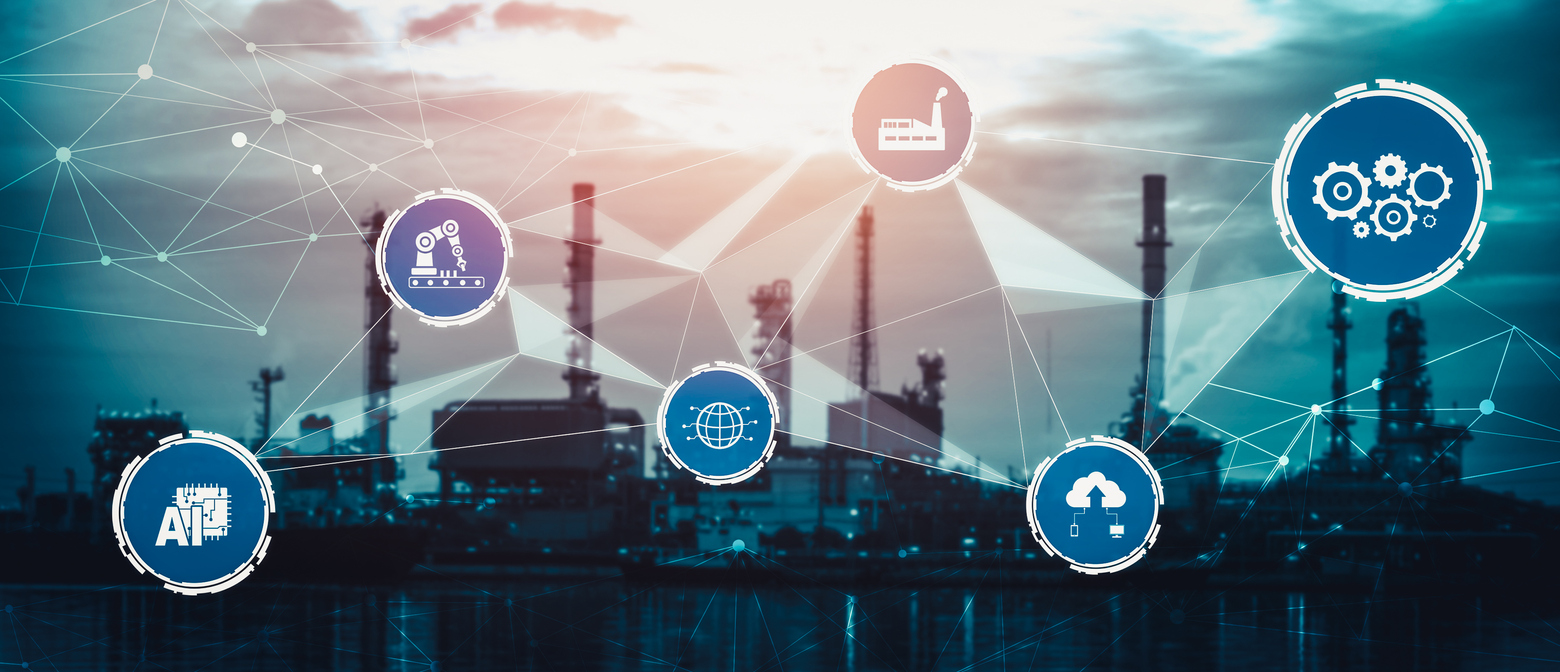
Real-time tracking of goods, which allows businesses to monitor the entire journey of products from raw materials to the final consumer, offers an innovative solution to these challenges. By digitizing the supply chain and incorporating technologies like Blockchain, IoT, and AI, companies can ensure better transparency, traceability, and accountability, leading to enhanced operational efficiency and improved customer satisfaction.


2. The Evolution of Supply Chain Tracking

2.1 Traditional Supply Chain Management: Challenges and Limitations

In traditional supply chain systems, businesses rely on a series of disconnected systems and manual tracking methods to monitor product movements. This process is often time-consuming, error-prone, and susceptible to fraud. Some of the key challenges of traditional supply chain management include:

  • Lack of Visibility: Companies are often unable to track the movement of goods in real time, making it difficult to predict delays or resolve issues quickly.
  • Fraud and Counterfeiting: Without a secure, verifiable system to track the authenticity of goods, supply chains are vulnerable to fraud, counterfeiting, and the circulation of substandard products.
  • Inefficiency: Due to the lack of automation, manual processes such as paperwork, phone calls, and emails can lead to delays and higher operational costs.

2.2 The Digital Transformation of Supply Chains

With the advent of digitization and automation, businesses are increasingly adopting advanced technologies to streamline supply chain operations. Real-time tracking, enabled by technologies such as IoT sensors, Blockchain, and cloud computing, is at the forefront of this transformation. These innovations provide the ability to capture data at every stage of the supply chain and share it seamlessly between stakeholders.

For example, a smart RFID tag or QR code attached to a product can provide real-time updates on its location, condition, and status throughout its journey, from the manufacturer to the final point of sale. By collecting and sharing this data through digital platforms, companies can gain unprecedented visibility into their supply chains and make informed decisions to improve operations.


3. Real-time Tracking Technologies: Blockchain, IoT, and AI

3.1 Blockchain Technology: Ensuring Transparency and Security

One of the most powerful technologies enabling real-time tracking in supply chains is Blockchain. Blockchain is a distributed ledger that records transactions in a secure, immutable, and transparent manner. Each transaction or data entry is encrypted and timestamped, and once recorded, it cannot be altered or deleted. This immutability and transparency make Blockchain ideal for tracking the flow of goods across complex supply chains.

Key Benefits of Blockchain for Real-time Supply Chain Tracking:

  • Immutable Record: Blockchain ensures that all transactions are securely recorded, providing an unchangeable history of the product’s journey, from raw materials to the final consumer.
  • Transparency: Blockchain’s decentralized nature means that every stakeholder—whether a supplier, manufacturer, distributor, or retailer—can access the same real-time data, enhancing collaboration and trust.
  • Reduced Fraud and Counterfeiting: Blockchain’s secure, transparent nature helps ensure the authenticity of products, reducing the risk of counterfeiting and fraud.
  • Improved Efficiency: By automating the process of recording and verifying transactions, Blockchain eliminates the need for manual data entry, reducing errors and inefficiencies.

Several companies, including Walmart, IBM, and Maersk, have implemented Blockchain-based traceability systems to enhance transparency and track the movement of products in real-time.

3.2 Internet of Things (IoT): Real-time Data Collection and Monitoring

The Internet of Things (IoT) refers to the network of interconnected devices that collect, transmit, and exchange data. In the context of supply chain management, IoT sensors and devices play a critical role in enabling real-time tracking of goods. These sensors can be attached to products, containers, pallets, or vehicles to capture data on location, temperature, humidity, and other environmental factors that affect the quality and condition of the goods.

Key Applications of IoT in Supply Chain Tracking:

  • Tracking the Movement of Goods: GPS-enabled devices and RFID tags can track the real-time location of goods as they move through the supply chain, providing businesses with valuable insights into the progress of their shipments.
  • Monitoring Environmental Conditions: IoT sensors can monitor environmental factors such as temperature, humidity, and light exposure. This is particularly important for industries like food and pharmaceuticals, where product quality is highly sensitive to environmental changes.
  • Predictive Maintenance: IoT devices embedded in vehicles or machinery can monitor equipment performance and predict maintenance needs, reducing downtime and optimizing operational efficiency.
  • Enhanced Data Analytics: IoT devices generate vast amounts of data that can be used for advanced data analytics. By leveraging this data, businesses can gain insights into supply chain bottlenecks, inventory levels, and consumer demand patterns.

3.3 Artificial Intelligence (AI) and Machine Learning: Optimizing Supply Chain Decisions

Artificial Intelligence (AI) and Machine Learning (ML) algorithms can be applied to real-time supply chain data to optimize decision-making and improve operational efficiency. AI can analyze large datasets to identify patterns, predict demand, and automate routine tasks, allowing companies to make better, data-driven decisions.

Key Applications of AI in Real-time Tracking:

  • Demand Forecasting: AI algorithms can analyze historical data and real-time market trends to predict future demand for products, allowing businesses to optimize inventory levels and reduce the risk of stockouts or overstocking.
  • Supply Chain Optimization: AI can optimize the routing and scheduling of shipments, ensuring that goods are delivered on time and at the lowest possible cost.
  • Real-time Risk Management: AI systems can assess potential risks in the supply chain, such as disruptions caused by weather, political events, or supplier issues. By identifying these risks in real time, businesses can take proactive measures to mitigate their impact.

4. Benefits of Real-time Tracking for Enterprises

4.1 Improved Operational Efficiency

By implementing real-time tracking systems, businesses can automate routine processes, reduce manual work, and minimize human error. This leads to enhanced operational efficiency, reduced lead times, and more effective inventory management. Businesses can also optimize their production schedules and distribution routes, leading to cost savings and improved resource allocation.

4.2 Increased Transparency and Trust

Real-time tracking provides transparency at every stage of the supply chain, allowing businesses to ensure that products are sourced ethically and sustainably. Blockchain technology, in particular, plays a significant role in building trust between stakeholders, as all parties have access to the same real-time data. This level of transparency can also improve consumer confidence, as customers can track the journey of their products and verify their authenticity.

4.3 Enhanced Customer Experience

With real-time tracking, businesses can provide customers with accurate and up-to-date information about the status of their orders. This enhances the customer experience by offering visibility into delivery times and product quality. Real-time updates can also improve customer satisfaction by allowing businesses to resolve issues quickly and proactively.

4.4 Risk Mitigation and Compliance

Real-time tracking can help businesses identify potential risks and disruptions in their supply chains, such as delayed shipments or quality issues. By monitoring product conditions throughout the supply chain, companies can also ensure compliance with industry regulations and standards, particularly in sectors like pharmaceuticals, food, and electronics.


5. Challenges and Limitations of Real-time Tracking

While the benefits of real-time tracking are significant, businesses may face several challenges when implementing these systems:

  • High Initial Investment: The cost of setting up real-time tracking systems, including IoT sensors, Blockchain infrastructure, and AI algorithms, can be substantial.
  • Data Privacy and Security Concerns: The use of IoT and Blockchain technology requires the collection and sharing of large amounts of data. Businesses must ensure that sensitive information is protected against cyberattacks and unauthorized access.
  • Interoperability: Different stakeholders in the supply chain may use various technologies and platforms. Ensuring seamless integration and interoperability between these systems is crucial for effective real-time tracking.

6. Conclusion: The Future of Real-time Tracking in Supply Chains

Real-time tracking represents a monumental shift in the way businesses manage their supply chains. By embracing technologies like Blockchain, IoT, and AI, companies can achieve enhanced visibility, improved efficiency, and greater transparency. While challenges remain, the benefits of real-time tracking are clear: better operational management, reduced fraud, optimized resources, and increased customer trust.

As supply chain technology continues to evolve, real-time tracking will become an essential tool for businesses looking to stay competitive in an increasingly globalized and complex market. The future of supply chain management lies in digital transformation, and real-time tracking is a cornerstone of that transformation.


Tags: Enterprise chainProductssupply chain
ShareTweetShare

Related Posts

Electronic Health Records (EHR): Transforming Healthcare for the Future
Enterprise Chain

Electronic Health Records (EHR): Transforming Healthcare for the Future

December 1, 2025
The Integration of Supply Chains and the Internet of Things (IoT)
Enterprise Chain

The Integration of Supply Chains and the Internet of Things (IoT)

November 30, 2025
Supply Chain Financing and Payments
Enterprise Chain

Supply Chain Financing and Payments

November 29, 2025
Optimizing Supply Chain Protocols with Smart Contracts
Enterprise Chain

Optimizing Supply Chain Protocols with Smart Contracts

November 28, 2025
Walmart and IBM’s Food Safety Blockchain Collaboration: Using Blockchain Technology to Track Food Sources and Movement
Enterprise Chain

Walmart and IBM’s Food Safety Blockchain Collaboration: Using Blockchain Technology to Track Food Sources and Movement

November 27, 2025
Global Food Traceability: Ensuring Safety, Transparency, and Sustainability in the Food Supply Chain
Enterprise Chain

Global Food Traceability: Ensuring Safety, Transparency, and Sustainability in the Food Supply Chain

November 26, 2025
Leave Comment
  • Trending
  • Comments
  • Latest
Combining Virtual Reality in the Metaverse with NFTs: Creating Richer Digital Experiences and Business Models

Combining Virtual Reality in the Metaverse with NFTs: Creating Richer Digital Experiences and Business Models

October 21, 2025
Leveraging Limited Edition NFT Merchandise to Attract Young Consumers, Enhance Brand Uniqueness, and Build Loyalty

Leveraging Limited Edition NFT Merchandise to Attract Young Consumers, Enhance Brand Uniqueness, and Build Loyalty

October 21, 2025
The Explosive Growth of the NFT Art Market: Scale, Activity, and Future Prospects

The Explosive Growth of the NFT Art Market: Scale, Activity, and Future Prospects

October 21, 2025
Brands and the Future of Commerce: Selling Virtual Goods through NFTs Tied to Physical Products

Brands and the Future of Commerce: Selling Virtual Goods through NFTs Tied to Physical Products

October 21, 2025
The Future Development Trend of Bitcoin

The Future Development Trend of Bitcoin

The Rise of Layer 2 Technology: Scaling Ethereum with Solutions like Optimism and Arbitrum

The Rise of Layer 2 Technology: Scaling Ethereum with Solutions like Optimism and Arbitrum

How Businesses Can Enhance Supply Chain Flexibility and Resilience Through Diversified Sourcing, Localized Production, and Risk Management Frameworks to Face Future Global Crises or Geopolitical Risks

How Businesses Can Enhance Supply Chain Flexibility and Resilience Through Diversified Sourcing, Localized Production, and Risk Management Frameworks to Face Future Global Crises or Geopolitical Risks

The Role of Blockchain in the Metaverse: New Infrastructure for the Virtual World

The Role of Blockchain in the Metaverse: New Infrastructure for the Virtual World

Environmental Concerns in the NFT Industry: Balancing Innovation with Sustainability

Environmental Concerns in the NFT Industry: Balancing Innovation with Sustainability

December 1, 2025
Electronic Health Records (EHR): Transforming Healthcare for the Future

Electronic Health Records (EHR): Transforming Healthcare for the Future

December 1, 2025
Sustainable Yield: Unlocking the Potential for Long-Term Financial Growth

Sustainable Yield: Unlocking the Potential for Long-Term Financial Growth

December 1, 2025
Cross-Chain Compatibility: Addressing the Challenges and Solutions

Cross-Chain Compatibility: Addressing the Challenges and Solutions

December 1, 2025
BlockChainIndex.net

From Layer2 technical deep dives to NFT market forecasting, we curate professional perspectives through on-chain analytics and industry expert collaborations. Stay ahead in blockchain innovation.

© 2025 blockchainindex.com. contacts:[email protected]

No Result
View All Result
  • Home
  • Chain Core
  • Crypto Markets
  • Enterprise Chain
  • NFT Frontier
  • On-Chain Lens
  • Reg Radar

© 2025 blockchainindex.com. contacts:[email protected]

Welcome Back!

Login to your account below

Forgotten Password?

Retrieve your password

Please enter your username or email address to reset your password.

Log In