


































1. Introduction: The Evolution of Blockchain Ecosystems
Blockchain technology was initially conceived as a decentralized, transparent, and immutable ledger, primarily used for tracking cryptocurrency transactions. Bitcoin, the first blockchain-based cryptocurrency, introduced the world to the possibilities of decentralized networks, where trust is established not through intermediaries but through cryptography and consensus mechanisms. However, as the utility of blockchain technology expanded, so did the need for different types of blockchain networks to serve various use cases.
The blockchain ecosystem has diversified significantly over the years, giving rise to three distinct types of blockchain architectures: public blockchains, consortium (or permissioned) blockchains, and private blockchains. These variations aim to address specific issues such as scalability, privacy, governance, and control, while also offering tailored solutions for specific industry needs.
This article explores the increasing diversity of the blockchain ecosystem and provides an in-depth analysis of the various blockchain models, highlighting their respective use cases, advantages, and challenges. Additionally, we will explore how these blockchain models are shaping the future of decentralized applications and the broader digital economy.
2. Public Blockchains: The Cornerstone of Decentralization
2.1 Defining Public Blockchains
Public blockchains are the most well-known type of blockchain and are primarily characterized by their permissionless nature. In a public blockchain, anyone can join the network, participate in the consensus process (such as mining or staking), and access the data stored on the blockchain. These blockchains are open to the public and typically operate without a central authority or intermediary.
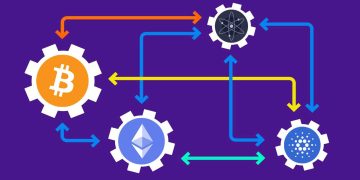
Bitcoin and Ethereum are the two most prominent examples of public blockchains. These blockchains are decentralized and rely on consensus mechanisms such as Proof of Work (PoW) or Proof of Stake (PoS) to validate transactions and add them to the ledger.
2.2 Advantages of Public Blockchains
- Decentralization: Public blockchains are designed to operate without a central authority, making them more resistant to censorship and centralized control. This decentralized nature ensures that no single entity has the power to manipulate the system.
- Transparency and Immutability: Every transaction on a public blockchain is visible to all participants in the network, making the system highly transparent. Additionally, once data is recorded on the blockchain, it is immutable, meaning it cannot be altered or deleted, providing a high level of data integrity.
- Security: The consensus mechanisms used by public blockchains, such as Proof of Work (PoW) or Proof of Stake (PoS), ensure that the network remains secure and resistant to attacks. These mechanisms require participants to invest computational or financial resources to participate in the validation process, making malicious attacks costly and impractical.
2.3 Challenges of Public Blockchains
- Scalability: One of the main challenges of public blockchains is scalability. Due to the large number of participants and the need for consensus mechanisms, transaction processing speeds on public blockchains tend to be slower compared to traditional centralized systems. For instance, Bitcoin can process only about 7 transactions per second (TPS), and Ethereum handles around 30 TPS.
- Energy Consumption: Public blockchains, particularly those that use Proof of Work, require significant energy to secure the network. This has raised concerns about the environmental impact of such networks, especially as the number of participants and the complexity of the network grows.
- Privacy: Public blockchains are transparent, meaning that all transaction details are visible to everyone. While this ensures transparency, it can also be a disadvantage for applications that require privacy, such as healthcare or financial services.
2.4 Use Cases for Public Blockchains
Public blockchains are ideal for applications where decentralization, transparency, and immutability are paramount. Key use cases include:
- Cryptocurrency and Digital Payments: Bitcoin and Ethereum are the most well-known public blockchains, enabling secure, decentralized transactions without the need for intermediaries.
- Decentralized Finance (DeFi): Public blockchains, especially Ethereum, serve as the backbone for the DeFi ecosystem, allowing users to engage in lending, borrowing, and trading of digital assets in a decentralized manner.
- Decentralized Applications (dApps): Public blockchains provide the foundation for dApps, which leverage blockchain’s security, transparency, and immutability to build decentralized services and applications.
3. Consortium Blockchains: The Hybrid Approach
3.1 Defining Consortium Blockchains
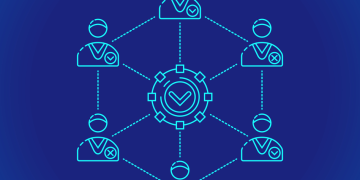
A consortium blockchain is a type of permissioned blockchain that is governed by a group of organizations rather than a single entity. Unlike public blockchains, consortium blockchains restrict access to a set of trusted participants. These participants can be pre-selected or invited to join the network and play roles such as validators or decision-makers in the governance of the blockchain.
Consortium blockchains are often used in scenarios where multiple organizations need to collaborate and share data while maintaining some level of control over the network. They offer a compromise between the decentralization of public blockchains and the controlled, permissioned nature of private blockchains.
3.2 Advantages of Consortium Blockchains
- Governance Flexibility: Consortium blockchains allow organizations to create a governance structure that fits their specific needs. Decision-making is distributed among a select group of trusted entities, which can lead to faster consensus and more efficient operations.
- Scalability and Speed: Since the number of validators in a consortium blockchain is limited, transaction processing speeds are generally faster compared to public blockchains. This makes consortium blockchains well-suited for enterprise applications that require high throughput.
- Security and Privacy: Consortium blockchains can offer a higher level of privacy than public blockchains, as access to the network is restricted to authorized participants. This is particularly important for industries such as finance, supply chain, and healthcare, where sensitive data needs to be protected.
3.3 Challenges of Consortium Blockchains
- Centralization Risk: While consortium blockchains are more decentralized than private blockchains, they can still be more centralized than public blockchains. The governance structure may create a concentration of power among a small group of organizations, potentially leading to conflicts of interest.
- Complexity in Governance: Managing a consortium blockchain can be challenging, as it requires consensus and collaboration between multiple parties. The governance structure must be carefully designed to ensure fair participation and avoid conflicts among consortium members.
3.4 Use Cases for Consortium Blockchains
Consortium blockchains are particularly suited for industries where multiple organizations need to collaborate and share information in a trusted, secure environment. Key use cases include:
- Supply Chain Management: Consortium blockchains can be used to track goods as they move through the supply chain, ensuring transparency and authenticity while protecting sensitive business data.
- Financial Institutions: Consortium blockchains can facilitate cross-border payments, trade finance, and clearing and settlement systems, allowing banks and financial institutions to collaborate on a shared infrastructure while maintaining privacy.
- Healthcare: Consortium blockchains can enable secure and efficient sharing of medical records and data across healthcare providers, ensuring privacy while improving data accessibility.

4. Private Blockchains: Control and Efficiency
4.1 Defining Private Blockchains
Private blockchains, also known as permissioned blockchains, are blockchain networks where access is restricted to a specific group of participants. Unlike public blockchains, private blockchains do not allow anyone to join the network. Instead, organizations control who can access the network and validate transactions.
Private blockchains are typically used in enterprise settings where control, privacy, and performance are the primary concerns. They are commonly used for internal operations, data management, and business transactions within a single organization or a group of trusted entities.
4.2 Advantages of Private Blockchains
- Control and Privacy: Private blockchains offer organizations complete control over who can access the network, ensuring that sensitive data remains confidential. This makes private blockchains ideal for use cases where data privacy is critical.
- High Performance and Scalability: Since private blockchains involve fewer participants and transactions, they can handle a higher volume of transactions per second (TPS) compared to public blockchains. This makes them more suitable for high-performance applications.
- Cost Efficiency: Private blockchains often have lower transaction costs compared to public blockchains, as there is no need to incentivize a large number of miners or validators. Additionally, private blockchains can be optimized for specific use cases, reducing unnecessary overhead.
4.3 Challenges of Private Blockchains
- Centralization: Private blockchains are typically governed by a single organization or a small group of trusted entities, which can lead to centralization. This centralization contradicts the decentralized ethos that blockchain technology was initially designed to uphold.
- Lack of Transparency: The closed nature of private blockchains means that transactions are not visible to the public, reducing transparency. This can be a disadvantage in situations where trust and accountability are important.
4.4 Use Cases for Private Blockchains
Private blockchains are well-suited for use cases where privacy, control, and efficiency are paramount. Key use cases include:
- Enterprise Data Management: Private blockchains can be used by organizations to securely manage and share internal data across departments or partners, ensuring privacy and reducing operational inefficiencies.
- Financial Services: Private blockchains can be used by banks and financial institutions for clearing and settlement processes, where confidentiality and speed are critical.
- Digital Identity and Access Control: Private blockchains can be employed for secure identity management and access control in industries such as healthcare, government, and corporate environments.
5. Conclusion: The Future of Blockchain Diversity
The increasing diversification of the blockchain ecosystem—from public to consortium to private blockchains—represents a natural evolution of the technology as it matures and finds applications across various industries. Each type of blockchain offers distinct advantages and challenges, and the choice of blockchain model will depend on the specific needs of an organization or industry.
Public blockchains continue to drive the decentralization movement, offering transparency and security, while consortium and private blockchains provide more control, scalability, and privacy for enterprise use cases. As blockchain technology continues to evolve, we can expect more hybrid models and innovations aimed at overcoming the limitations of existing solutions.
In the future, interoperability between different types of blockchains will be crucial in enabling seamless integration of various blockchain networks, enhancing the overall functionality of decentralized ecosystems. By leveraging the strengths of each blockchain type, organizations will be able to harness the full potential of blockchain technology to transform industries, create new business models, and build trust in a decentralized world.