


































BlockChainIndex.net
  • Home
  • Chain Core
    Cross-Chain Compatibility: Addressing the Challenges and Solutions

    Cross-Chain Compatibility: Addressing the Challenges and Solutions

    The Security Issues of Consensus Mechanisms: An Ongoing Debate

    The Security Issues of Consensus Mechanisms: An Ongoing Debate

    The Lightning Network: The Most Famous Layer 2 Solution on Bitcoin

    The Lightning Network: The Most Famous Layer 2 Solution on Bitcoin

    Consensus Mechanisms of Layer 1 and Layer 2: The Backbone of Blockchain Scalability

    Consensus Mechanisms of Layer 1 and Layer 2: The Backbone of Blockchain Scalability

    Proof of Stake vs Proof of Work

    Proof of Stake vs Proof of Work

    Multi-Consensus Algorithms: Evolving the Future of Blockchain Technology

    Multi-Consensus Algorithms: Evolving the Future of Blockchain Technology

  • Crypto Markets
    Sustainable Yield: Unlocking the Potential for Long-Term Financial Growth

    Sustainable Yield: Unlocking the Potential for Long-Term Financial Growth

    Market Sentiment and Macroeconomic Factors: Interactions and Impacts

    Market Sentiment and Macroeconomic Factors: Interactions and Impacts

    Leveraging On-Chain Data for Real-Time Market Analysis and Intelligence for Investors

    Leveraging On-Chain Data for Real-Time Market Analysis and Intelligence for Investors

    The Stock-to-Flow Model: Analyzing Bitcoin’s Scarcity and Price Predictions

    The Stock-to-Flow Model: Analyzing Bitcoin’s Scarcity and Price Predictions

    Bitcoin Price Volatility and Its Impact on the Entire Market Trend

    Bitcoin Price Volatility and Its Impact on the Entire Market Trend

    The Shifting Dominance of Bitcoin in the Cryptocurrency Market: A Key Indicator for Market Analysis

    The Shifting Dominance of Bitcoin in the Cryptocurrency Market: A Key Indicator for Market Analysis

  • Enterprise Chain
    Electronic Health Records (EHR): Transforming Healthcare for the Future

    Electronic Health Records (EHR): Transforming Healthcare for the Future

    The Integration of Supply Chains and the Internet of Things (IoT)

    The Integration of Supply Chains and the Internet of Things (IoT)

    Supply Chain Financing and Payments

    Supply Chain Financing and Payments

    Optimizing Supply Chain Protocols with Smart Contracts

    Optimizing Supply Chain Protocols with Smart Contracts

    Walmart and IBM’s Food Safety Blockchain Collaboration: Using Blockchain Technology to Track Food Sources and Movement

    Walmart and IBM’s Food Safety Blockchain Collaboration: Using Blockchain Technology to Track Food Sources and Movement

    Global Food Traceability: Ensuring Safety, Transparency, and Sustainability in the Food Supply Chain

    Global Food Traceability: Ensuring Safety, Transparency, and Sustainability in the Food Supply Chain

  • NFT Frontier
    Environmental Concerns in the NFT Industry: Balancing Innovation with Sustainability

    Environmental Concerns in the NFT Industry: Balancing Innovation with Sustainability

    NFT Copyright and Intellectual Property Issues

    NFT Copyright and Intellectual Property Issues

    Decentralization of the Art Market: A New Era of Digital Ownership

    Decentralization of the Art Market: A New Era of Digital Ownership

    NFTs Disrupting the Traditional Art Market

    NFTs Disrupting the Traditional Art Market

    The Explosion of Digital Art and the NFT Market: Revolutionizing the Art World

    The Explosion of Digital Art and the NFT Market: Revolutionizing the Art World

    Emerging Trends in Digital Collectibles: The Future of Ownership in the Digital Age

    Emerging Trends in Digital Collectibles: The Future of Ownership in the Digital Age

  • On-Chain Lens
    Balancing Privacy and Security: A Critical Exploration in the Digital Age

    Balancing Privacy and Security: A Critical Exploration in the Digital Age

    Despite Blockchain Transactions Being Public and Transparent, the Anonymity of Wallets Remains a Challenge

    Despite Blockchain Transactions Being Public and Transparent, the Anonymity of Wallets Remains a Challenge

    Wallet and Smart Contract Interaction: Key Analysis Objects of On-Chain Lens Technology

    Wallet and Smart Contract Interaction: Key Analysis Objects of On-Chain Lens Technology

    On-Chain Lens: Analyzing the Flow of Funds Between Wallets Using Blockchain’s Public Ledger

    On-Chain Lens: Analyzing the Flow of Funds Between Wallets Using Blockchain’s Public Ledger

    Tracking and Analyzing Capital Flows: A Comprehensive Guide to Understanding Financial Movements

    Tracking and Analyzing Capital Flows: A Comprehensive Guide to Understanding Financial Movements

    Wallet Behavior Analysis: The Core of On-Chain Lens Technology

    Wallet Behavior Analysis: The Core of On-Chain Lens Technology

  • Reg Radar
    Building Compliance Frameworks: The Increasing Importance for Crypto Companies in Addressing Regulatory Challenges

    Building Compliance Frameworks: The Increasing Importance for Crypto Companies in Addressing Regulatory Challenges

    Global Consistency and Diversity: Navigating the Balance in a Connected World

    Global Consistency and Diversity: Navigating the Balance in a Connected World

    The European Union’s MiCA Regulation: A New Era for Crypto-Asset Regulation

    The European Union’s MiCA Regulation: A New Era for Crypto-Asset Regulation

    The Evolving Regulatory Landscape: Challenges and Opportunities for Crypto Businesses

    The Evolving Regulatory Landscape: Challenges and Opportunities for Crypto Businesses

    The Evolving Regulatory Frameworks Across Global Regions: Progress and Adjustments in the Face of Emerging Challenges

    The Evolving Regulatory Frameworks Across Global Regions: Progress and Adjustments in the Face of Emerging Challenges

    The U.S. SEC: One of the Most Important Regulatory Bodies for the Crypto Market

    The U.S. SEC: One of the Most Important Regulatory Bodies for the Crypto Market

BlockChainIndex.net
  • Home
  • Chain Core
    Cross-Chain Compatibility: Addressing the Challenges and Solutions

    Cross-Chain Compatibility: Addressing the Challenges and Solutions

    The Security Issues of Consensus Mechanisms: An Ongoing Debate

    The Security Issues of Consensus Mechanisms: An Ongoing Debate

    The Lightning Network: The Most Famous Layer 2 Solution on Bitcoin

    The Lightning Network: The Most Famous Layer 2 Solution on Bitcoin

    Consensus Mechanisms of Layer 1 and Layer 2: The Backbone of Blockchain Scalability

    Consensus Mechanisms of Layer 1 and Layer 2: The Backbone of Blockchain Scalability

    Proof of Stake vs Proof of Work

    Proof of Stake vs Proof of Work

    Multi-Consensus Algorithms: Evolving the Future of Blockchain Technology

    Multi-Consensus Algorithms: Evolving the Future of Blockchain Technology

  • Crypto Markets
    Sustainable Yield: Unlocking the Potential for Long-Term Financial Growth

    Sustainable Yield: Unlocking the Potential for Long-Term Financial Growth

    Market Sentiment and Macroeconomic Factors: Interactions and Impacts

    Market Sentiment and Macroeconomic Factors: Interactions and Impacts

    Leveraging On-Chain Data for Real-Time Market Analysis and Intelligence for Investors

    Leveraging On-Chain Data for Real-Time Market Analysis and Intelligence for Investors

    The Stock-to-Flow Model: Analyzing Bitcoin’s Scarcity and Price Predictions

    The Stock-to-Flow Model: Analyzing Bitcoin’s Scarcity and Price Predictions

    Bitcoin Price Volatility and Its Impact on the Entire Market Trend

    Bitcoin Price Volatility and Its Impact on the Entire Market Trend

    The Shifting Dominance of Bitcoin in the Cryptocurrency Market: A Key Indicator for Market Analysis

    The Shifting Dominance of Bitcoin in the Cryptocurrency Market: A Key Indicator for Market Analysis

  • Enterprise Chain
    Electronic Health Records (EHR): Transforming Healthcare for the Future

    Electronic Health Records (EHR): Transforming Healthcare for the Future

    The Integration of Supply Chains and the Internet of Things (IoT)

    The Integration of Supply Chains and the Internet of Things (IoT)

    Supply Chain Financing and Payments

    Supply Chain Financing and Payments

    Optimizing Supply Chain Protocols with Smart Contracts

    Optimizing Supply Chain Protocols with Smart Contracts

    Walmart and IBM’s Food Safety Blockchain Collaboration: Using Blockchain Technology to Track Food Sources and Movement

    Walmart and IBM’s Food Safety Blockchain Collaboration: Using Blockchain Technology to Track Food Sources and Movement

    Global Food Traceability: Ensuring Safety, Transparency, and Sustainability in the Food Supply Chain

    Global Food Traceability: Ensuring Safety, Transparency, and Sustainability in the Food Supply Chain

  • NFT Frontier
    Environmental Concerns in the NFT Industry: Balancing Innovation with Sustainability

    Environmental Concerns in the NFT Industry: Balancing Innovation with Sustainability

    NFT Copyright and Intellectual Property Issues

    NFT Copyright and Intellectual Property Issues

    Decentralization of the Art Market: A New Era of Digital Ownership

    Decentralization of the Art Market: A New Era of Digital Ownership

    NFTs Disrupting the Traditional Art Market

    NFTs Disrupting the Traditional Art Market

    The Explosion of Digital Art and the NFT Market: Revolutionizing the Art World

    The Explosion of Digital Art and the NFT Market: Revolutionizing the Art World

    Emerging Trends in Digital Collectibles: The Future of Ownership in the Digital Age

    Emerging Trends in Digital Collectibles: The Future of Ownership in the Digital Age

  • On-Chain Lens
    Balancing Privacy and Security: A Critical Exploration in the Digital Age

    Balancing Privacy and Security: A Critical Exploration in the Digital Age

    Despite Blockchain Transactions Being Public and Transparent, the Anonymity of Wallets Remains a Challenge

    Despite Blockchain Transactions Being Public and Transparent, the Anonymity of Wallets Remains a Challenge

    Wallet and Smart Contract Interaction: Key Analysis Objects of On-Chain Lens Technology

    Wallet and Smart Contract Interaction: Key Analysis Objects of On-Chain Lens Technology

    On-Chain Lens: Analyzing the Flow of Funds Between Wallets Using Blockchain’s Public Ledger

    On-Chain Lens: Analyzing the Flow of Funds Between Wallets Using Blockchain’s Public Ledger

    Tracking and Analyzing Capital Flows: A Comprehensive Guide to Understanding Financial Movements

    Tracking and Analyzing Capital Flows: A Comprehensive Guide to Understanding Financial Movements

    Wallet Behavior Analysis: The Core of On-Chain Lens Technology

    Wallet Behavior Analysis: The Core of On-Chain Lens Technology

  • Reg Radar
    Building Compliance Frameworks: The Increasing Importance for Crypto Companies in Addressing Regulatory Challenges

    Building Compliance Frameworks: The Increasing Importance for Crypto Companies in Addressing Regulatory Challenges

    Global Consistency and Diversity: Navigating the Balance in a Connected World

    Global Consistency and Diversity: Navigating the Balance in a Connected World

    The European Union’s MiCA Regulation: A New Era for Crypto-Asset Regulation

    The European Union’s MiCA Regulation: A New Era for Crypto-Asset Regulation

    The Evolving Regulatory Landscape: Challenges and Opportunities for Crypto Businesses

    The Evolving Regulatory Landscape: Challenges and Opportunities for Crypto Businesses

    The Evolving Regulatory Frameworks Across Global Regions: Progress and Adjustments in the Face of Emerging Challenges

    The Evolving Regulatory Frameworks Across Global Regions: Progress and Adjustments in the Face of Emerging Challenges

    The U.S. SEC: One of the Most Important Regulatory Bodies for the Crypto Market

    The U.S. SEC: One of the Most Important Regulatory Bodies for the Crypto Market

BlockChainIndex.net
No Result
View All Result
Home Crypto Markets

The Volatility of the Cryptocurrency Market: A Focus for Investors

September 23, 2025
in Crypto Markets
The Volatility of the Cryptocurrency Market: A Focus for Investors

Cryptocurrency markets have captured the world’s attention in recent years, becoming a dominant force in the global financial ecosystem. With Bitcoin, Ethereum, and other altcoins reaching new highs and breaking records, digital currencies are no longer just a niche investment— they are central to discussions about the future of finance. However, the one constant that remains in the cryptocurrency space is its extreme volatility. While this volatility has created substantial opportunities for traders, it has also raised concerns for investors, both retail and institutional, who are wary of the inherent risks.

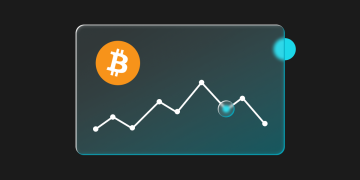
Cryptocurrency prices are notoriously unpredictable, sometimes swinging 10%, 20%, or more within a single day. This volatility is driven by several factors ranging from market sentiment to regulatory uncertainty and even macro-economic trends. But why does the cryptocurrency market experience such high levels of price fluctuations? What are the implications for investors, and how can they navigate this volatility?

This article will delve into the factors that contribute to volatility in cryptocurrency markets, the impact of volatility on investors, and the strategies that can be used to manage and mitigate risks. We will also explore the potential for greater market stability in the future as the cryptocurrency ecosystem matures.


1. The Nature of Cryptocurrency Volatility

1.1 Defining Volatility in the Financial Context

In financial markets, volatility refers to the extent to which an asset’s price fluctuates over a specific period. Higher volatility means a larger degree of price movement, while lower volatility indicates more stable prices. Volatility can be a double-edged sword: it creates opportunities for profit, but it also increases risk. In traditional markets like stocks or bonds, volatility is generally lower, driven by factors such as earnings reports, economic indicators, and geopolitical events. However, cryptocurrency markets are fundamentally different in nature, making them far more volatile.

Cryptocurrencies like Bitcoin, Ethereum, and smaller altcoins often experience extreme price movements, even within short timeframes. It is not uncommon to see a price drop of 10%, 20%, or more within 24 hours, sometimes without any clear fundamental reason. This kind of volatility is both a source of investment opportunity and investment risk, making it essential for investors to carefully navigate the crypto markets.

1.2 Speculation: The Driving Force Behind Volatility

One of the key contributors to cryptocurrency market volatility is speculation. A significant portion of cryptocurrency trading is driven by short-term traders and speculators, who aim to profit from rapid price fluctuations rather than the long-term fundamentals of the asset. These traders are often influenced by news, social media, price trends, and market sentiment, which can cause sudden and dramatic price swings.

Unlike traditional markets, where prices are often driven by earnings reports, dividends, and long-term growth potential, cryptocurrencies do not have such fundamental valuation metrics. As a result, their prices are heavily influenced by emotional trading, news cycles, and broader market psychology. The frequent FOMO (fear of missing out) and FUD (fear, uncertainty, and doubt) that dominate crypto markets further exacerbate volatility, as large numbers of retail investors react impulsively to news and market trends.

1.3 Limited Market Liquidity

Liquidity refers to how easily an asset can be bought or sold without affecting its price. In cryptocurrency markets, many assets—especially smaller altcoins—suffer from low liquidity, which can contribute to extreme price swings. Low liquidity means that a small trade can cause significant price movements, as there aren’t enough buyers or sellers to absorb the volume of a single transaction without impacting the price.

This lack of liquidity is especially evident in lesser-known altcoins that may not have deep market pools. A single large buy or sell order can drastically move the price, creating a volatile market environment. As more institutional players enter the market and liquidity improves, volatility may be mitigated somewhat, but smaller cryptocurrencies will likely continue to experience price swings.


2. Key Drivers of Cryptocurrency Market Volatility

2.1 Regulatory Uncertainty

One of the most significant contributors to volatility in cryptocurrency markets is regulatory uncertainty. Since their inception, cryptocurrencies have existed in a gray area with respect to regulation, and governments worldwide continue to debate how best to regulate them. Countries such as China, India, and Russia have introduced and sometimes rescinded regulations related to cryptocurrency trading, mining, and Initial Coin Offerings (ICOs). These regulatory moves can lead to sudden price changes.

For example, in 2021, when China announced a ban on cryptocurrency mining and trading, Bitcoin’s price plummeted by over 50%. Similarly, when governments propose new tax regulations or AML (anti-money laundering) policies, investors often react by selling off their holdings, fearing stricter oversight or enforcement. Such regulatory news can lead to increased market volatility, as investors try to anticipate the future regulatory environment and adjust their positions accordingly.

2.2 Market Sentiment and News Influence

Unlike traditional assets, where prices are driven by a combination of fundamentals and economic data, cryptocurrencies are largely sentiment-driven. The market’s perception of news, announcements, and trends often leads to rapid price swings. Positive news can fuel massive price surges, while negative news can lead to panic selling and steep declines.

For example, when prominent figures such as Elon Musk or Jack Dorsey make public statements about Bitcoin or other cryptocurrencies, the market reacts quickly—either pushing prices higher or causing a dramatic sell-off. Similarly, announcements of partnerships, exchange listings, or technological developments (such as Ethereum’s transition to Proof of Stake) can cause massive price jumps, driven by speculative buying.

Conversely, regulatory crackdowns, security breaches, or news of hacking incidents can create negative sentiment, triggering price declines. The decentralized nature of the cryptocurrency space means that it is particularly vulnerable to rumors and misinformation, amplifying volatility.

2.3 Whale Movements and Market Manipulation

The cryptocurrency market is heavily influenced by whales, or individuals and entities who hold a significant amount of a particular cryptocurrency. Whales can manipulate the market by making large buy or sell orders, causing substantial price swings. A whale deciding to offload a large portion of their holdings can trigger a flash crash, while a whale buying up a cryptocurrency can lead to an unsustainable price spike.

Market manipulation is more prevalent in cryptocurrency markets due to the decentralized nature of the market, the anonymity of participants, and the absence of a central authority regulating trades. Pump and dump schemes—where whales artificially inflate the price of a cryptocurrency to sell at a profit, only to watch the price crash once the manipulation ends—are common in smaller altcoins. Such practices contribute to market volatility and make it harder for regular investors to predict price movements.

2.4 Macroeconomic Factors

Cryptocurrencies, despite being a relatively new asset class, are not immune to broader macroeconomic trends. Factors such as interest rates, inflation, and global financial crises can impact investor sentiment toward cryptocurrencies. For instance, during periods of economic uncertainty, cryptocurrencies like Bitcoin are sometimes viewed as a safe haven asset, akin to digital gold.

During times of financial instability, investors may turn to Bitcoin and other cryptocurrencies as a hedge against traditional market risks, such as inflation or currency devaluation. This can lead to a surge in prices. However, when the global economy stabilizes or interest rates rise, cryptocurrencies may lose their appeal as a speculative asset, contributing to price drops.


3. Impact of Cryptocurrency Volatility on Investors

3.1 Risks for Retail Investors

For retail investors, cryptocurrency market volatility presents both opportunities and risks. The allure of huge profits has led many individuals to enter the market, hoping to capitalize on price fluctuations. However, the volatility that accompanies these potential profits also exposes retail investors to significant risks.

Emotional trading often exacerbates the impact of volatility. Retail investors may panic sell during price declines, fearing further losses, only to watch the market rebound shortly afterward. Similarly, FOMO (fear of missing out) can drive investors to buy into a cryptocurrency during a price surge, only to face steep losses when the price corrects.

Volatility also makes it challenging to assess the intrinsic value of cryptocurrencies. Unlike traditional assets, which can be valued using well-established metrics such as earnings or dividends, cryptocurrencies often lack clear valuation benchmarks, making it difficult for investors to determine whether a particular asset is overpriced or undervalued.

3.2 Strategies for Institutional Investors

While retail investors may be more susceptible to emotional reactions to market volatility, institutional investors are generally better equipped to manage these risks. Institutional investors, such as hedge funds, family offices, and venture capital firms, use advanced risk management strategies to mitigate the risks of volatility.

One such strategy is hedging, where institutions use financial instruments such as futures contracts or options to protect against adverse price movements. By using these derivative instruments, institutions can lock in a price or limit their exposure to price fluctuations.

Furthermore, institutional investors tend to have longer investment horizons, which allows them to weather short-term volatility in anticipation of long-term growth. They also often engage in diversification, allocating their portfolios across a range of assets, including both cryptocurrencies and traditional investments, to spread risk.


4. Managing Volatility: Strategies for Cryptocurrency Investors

4.1 Dollar-Cost Averaging (DCA)

One of the most popular strategies for managing cryptocurrency market volatility is **Dollar-Cost Averaging (D

CA)**. This strategy involves investing a fixed amount of money into a cryptocurrency at regular intervals, regardless of its price. Over time, this strategy helps investors avoid the pitfalls of trying to time the market, as it smooths out the impact of short-term price fluctuations.

By purchasing cryptocurrency at regular intervals, DCA ensures that investors buy more when prices are low and fewer when prices are high. This can reduce the average cost per unit over time, mitigating the impact of volatility and making it easier to stick to a long-term investment plan.

4.2 Hedging with Derivatives

For more experienced investors, hedging with derivatives such as futures contracts, options, and perpetual swaps can help manage exposure to cryptocurrency price swings. These financial instruments allow investors to lock in future prices, hedge against downside risk, or amplify potential returns.

While derivatives can be powerful tools for managing volatility, they also come with their own set of risks. Improper use or over-leveraging can lead to significant losses, so investors must have a clear understanding of how these products work before utilizing them.

4.3 Diversification

Diversifying a portfolio across a range of cryptocurrencies, traditional assets, and other investment vehicles can help mitigate the risks associated with volatility. By not putting all investments in a single asset class, investors reduce the impact of any single asset’s price fluctuations.

Cryptocurrency-specific diversification can also help. By investing in Bitcoin, Ethereum, and other established cryptocurrencies, as well as emerging DeFi projects or layer-2 solutions, investors can spread risk across a broader range of assets. However, this strategy requires deep market knowledge and research to ensure that the assets chosen align with the investor’s risk tolerance and investment goals.


Conclusion

The volatility of the cryptocurrency market remains one of the central concerns for investors. While volatility can create opportunities for significant profits, it also exposes investors to substantial risks. Factors such as speculation, market sentiment, regulatory uncertainty, and low liquidity contribute to this volatility, making it essential for investors to approach the market with caution.

For retail investors, managing volatility requires a long-term perspective, sound risk management strategies like Dollar-Cost Averaging, and a well-diversified portfolio. Institutional investors, on the other hand, often rely on advanced tools like derivatives and hedging strategies to navigate volatility more effectively.

As the cryptocurrency market matures, increased regulation, improved liquidity, and broader adoption could potentially reduce volatility over time. However, the speculative nature of the market means that volatility is likely to remain a defining characteristic of cryptocurrencies for the foreseeable future.

Ultimately, investors must balance the potential for high returns with the understanding that volatility is an inherent part of the cryptocurrency landscape. For those willing to take on the risk, the rewards can be significant, but only if they approach the market with careful consideration and a solid strategy.

Tags: Crypto MarketsCryptocurrencyInvestor
ShareTweetShare

Related Posts

Sustainable Yield: Unlocking the Potential for Long-Term Financial Growth
Crypto Markets

Sustainable Yield: Unlocking the Potential for Long-Term Financial Growth

December 1, 2025
Market Sentiment and Macroeconomic Factors: Interactions and Impacts
Crypto Markets

Market Sentiment and Macroeconomic Factors: Interactions and Impacts

November 30, 2025
Leveraging On-Chain Data for Real-Time Market Analysis and Intelligence for Investors
Crypto Markets

Leveraging On-Chain Data for Real-Time Market Analysis and Intelligence for Investors

November 29, 2025
The Stock-to-Flow Model: Analyzing Bitcoin’s Scarcity and Price Predictions
Crypto Markets

The Stock-to-Flow Model: Analyzing Bitcoin’s Scarcity and Price Predictions

November 28, 2025
Bitcoin Price Volatility and Its Impact on the Entire Market Trend
Crypto Markets

Bitcoin Price Volatility and Its Impact on the Entire Market Trend

November 27, 2025
The Shifting Dominance of Bitcoin in the Cryptocurrency Market: A Key Indicator for Market Analysis
Crypto Markets

The Shifting Dominance of Bitcoin in the Cryptocurrency Market: A Key Indicator for Market Analysis

November 26, 2025
Leave Comment
  • Trending
  • Comments
  • Latest
Combining Virtual Reality in the Metaverse with NFTs: Creating Richer Digital Experiences and Business Models

Combining Virtual Reality in the Metaverse with NFTs: Creating Richer Digital Experiences and Business Models

October 21, 2025
Leveraging Limited Edition NFT Merchandise to Attract Young Consumers, Enhance Brand Uniqueness, and Build Loyalty

Leveraging Limited Edition NFT Merchandise to Attract Young Consumers, Enhance Brand Uniqueness, and Build Loyalty

October 21, 2025
The Explosive Growth of the NFT Art Market: Scale, Activity, and Future Prospects

The Explosive Growth of the NFT Art Market: Scale, Activity, and Future Prospects

October 21, 2025
Brands and the Future of Commerce: Selling Virtual Goods through NFTs Tied to Physical Products

Brands and the Future of Commerce: Selling Virtual Goods through NFTs Tied to Physical Products

October 21, 2025
The Future Development Trend of Bitcoin

The Future Development Trend of Bitcoin

The Rise of Layer 2 Technology: Scaling Ethereum with Solutions like Optimism and Arbitrum

The Rise of Layer 2 Technology: Scaling Ethereum with Solutions like Optimism and Arbitrum

How Businesses Can Enhance Supply Chain Flexibility and Resilience Through Diversified Sourcing, Localized Production, and Risk Management Frameworks to Face Future Global Crises or Geopolitical Risks

How Businesses Can Enhance Supply Chain Flexibility and Resilience Through Diversified Sourcing, Localized Production, and Risk Management Frameworks to Face Future Global Crises or Geopolitical Risks

The Role of Blockchain in the Metaverse: New Infrastructure for the Virtual World

The Role of Blockchain in the Metaverse: New Infrastructure for the Virtual World

Environmental Concerns in the NFT Industry: Balancing Innovation with Sustainability

Environmental Concerns in the NFT Industry: Balancing Innovation with Sustainability

December 1, 2025
Electronic Health Records (EHR): Transforming Healthcare for the Future

Electronic Health Records (EHR): Transforming Healthcare for the Future

December 1, 2025
Sustainable Yield: Unlocking the Potential for Long-Term Financial Growth

Sustainable Yield: Unlocking the Potential for Long-Term Financial Growth

December 1, 2025
Cross-Chain Compatibility: Addressing the Challenges and Solutions

Cross-Chain Compatibility: Addressing the Challenges and Solutions

December 1, 2025
BlockChainIndex.net

From Layer2 technical deep dives to NFT market forecasting, we curate professional perspectives through on-chain analytics and industry expert collaborations. Stay ahead in blockchain innovation.

© 2025 blockchainindex.com. contacts:[email protected]

No Result
View All Result
  • Home
  • Chain Core
  • Crypto Markets
  • Enterprise Chain
  • NFT Frontier
  • On-Chain Lens
  • Reg Radar

© 2025 blockchainindex.com. contacts:[email protected]

Welcome Back!

Login to your account below

Forgotten Password?

Retrieve your password

Please enter your username or email address to reset your password.

Log In