





























BlockChainIndex.net
  • Home
  • Chain Core
    Cross-Chain Compatibility: Addressing the Challenges and Solutions

    Cross-Chain Compatibility: Addressing the Challenges and Solutions

    The Security Issues of Consensus Mechanisms: An Ongoing Debate

    The Security Issues of Consensus Mechanisms: An Ongoing Debate

    The Lightning Network: The Most Famous Layer 2 Solution on Bitcoin

    The Lightning Network: The Most Famous Layer 2 Solution on Bitcoin

    Consensus Mechanisms of Layer 1 and Layer 2: The Backbone of Blockchain Scalability

    Consensus Mechanisms of Layer 1 and Layer 2: The Backbone of Blockchain Scalability

    Proof of Stake vs Proof of Work

    Proof of Stake vs Proof of Work

    Multi-Consensus Algorithms: Evolving the Future of Blockchain Technology

    Multi-Consensus Algorithms: Evolving the Future of Blockchain Technology

  • Crypto Markets
    Sustainable Yield: Unlocking the Potential for Long-Term Financial Growth

    Sustainable Yield: Unlocking the Potential for Long-Term Financial Growth

    Market Sentiment and Macroeconomic Factors: Interactions and Impacts

    Market Sentiment and Macroeconomic Factors: Interactions and Impacts

    Leveraging On-Chain Data for Real-Time Market Analysis and Intelligence for Investors

    Leveraging On-Chain Data for Real-Time Market Analysis and Intelligence for Investors

    The Stock-to-Flow Model: Analyzing Bitcoin’s Scarcity and Price Predictions

    The Stock-to-Flow Model: Analyzing Bitcoin’s Scarcity and Price Predictions

    Bitcoin Price Volatility and Its Impact on the Entire Market Trend

    Bitcoin Price Volatility and Its Impact on the Entire Market Trend

    The Shifting Dominance of Bitcoin in the Cryptocurrency Market: A Key Indicator for Market Analysis

    The Shifting Dominance of Bitcoin in the Cryptocurrency Market: A Key Indicator for Market Analysis

  • Enterprise Chain
    Electronic Health Records (EHR): Transforming Healthcare for the Future

    Electronic Health Records (EHR): Transforming Healthcare for the Future

    The Integration of Supply Chains and the Internet of Things (IoT)

    The Integration of Supply Chains and the Internet of Things (IoT)

    Supply Chain Financing and Payments

    Supply Chain Financing and Payments

    Optimizing Supply Chain Protocols with Smart Contracts

    Optimizing Supply Chain Protocols with Smart Contracts

    Walmart and IBM’s Food Safety Blockchain Collaboration: Using Blockchain Technology to Track Food Sources and Movement

    Walmart and IBM’s Food Safety Blockchain Collaboration: Using Blockchain Technology to Track Food Sources and Movement

    Global Food Traceability: Ensuring Safety, Transparency, and Sustainability in the Food Supply Chain

    Global Food Traceability: Ensuring Safety, Transparency, and Sustainability in the Food Supply Chain

  • NFT Frontier
    Environmental Concerns in the NFT Industry: Balancing Innovation with Sustainability

    Environmental Concerns in the NFT Industry: Balancing Innovation with Sustainability

    NFT Copyright and Intellectual Property Issues

    NFT Copyright and Intellectual Property Issues

    Decentralization of the Art Market: A New Era of Digital Ownership

    Decentralization of the Art Market: A New Era of Digital Ownership

    NFTs Disrupting the Traditional Art Market

    NFTs Disrupting the Traditional Art Market

    The Explosion of Digital Art and the NFT Market: Revolutionizing the Art World

    The Explosion of Digital Art and the NFT Market: Revolutionizing the Art World

    Emerging Trends in Digital Collectibles: The Future of Ownership in the Digital Age

    Emerging Trends in Digital Collectibles: The Future of Ownership in the Digital Age

  • On-Chain Lens
    Balancing Privacy and Security: A Critical Exploration in the Digital Age

    Balancing Privacy and Security: A Critical Exploration in the Digital Age

    Despite Blockchain Transactions Being Public and Transparent, the Anonymity of Wallets Remains a Challenge

    Despite Blockchain Transactions Being Public and Transparent, the Anonymity of Wallets Remains a Challenge

    Wallet and Smart Contract Interaction: Key Analysis Objects of On-Chain Lens Technology

    Wallet and Smart Contract Interaction: Key Analysis Objects of On-Chain Lens Technology

    On-Chain Lens: Analyzing the Flow of Funds Between Wallets Using Blockchain’s Public Ledger

    On-Chain Lens: Analyzing the Flow of Funds Between Wallets Using Blockchain’s Public Ledger

    Tracking and Analyzing Capital Flows: A Comprehensive Guide to Understanding Financial Movements

    Tracking and Analyzing Capital Flows: A Comprehensive Guide to Understanding Financial Movements

    Wallet Behavior Analysis: The Core of On-Chain Lens Technology

    Wallet Behavior Analysis: The Core of On-Chain Lens Technology

  • Reg Radar
    Building Compliance Frameworks: The Increasing Importance for Crypto Companies in Addressing Regulatory Challenges

    Building Compliance Frameworks: The Increasing Importance for Crypto Companies in Addressing Regulatory Challenges

    Global Consistency and Diversity: Navigating the Balance in a Connected World

    Global Consistency and Diversity: Navigating the Balance in a Connected World

    The European Union’s MiCA Regulation: A New Era for Crypto-Asset Regulation

    The European Union’s MiCA Regulation: A New Era for Crypto-Asset Regulation

    The Evolving Regulatory Landscape: Challenges and Opportunities for Crypto Businesses

    The Evolving Regulatory Landscape: Challenges and Opportunities for Crypto Businesses

    The Evolving Regulatory Frameworks Across Global Regions: Progress and Adjustments in the Face of Emerging Challenges

    The Evolving Regulatory Frameworks Across Global Regions: Progress and Adjustments in the Face of Emerging Challenges

    The U.S. SEC: One of the Most Important Regulatory Bodies for the Crypto Market

    The U.S. SEC: One of the Most Important Regulatory Bodies for the Crypto Market

BlockChainIndex.net
  • Home
  • Chain Core
    Cross-Chain Compatibility: Addressing the Challenges and Solutions

    Cross-Chain Compatibility: Addressing the Challenges and Solutions

    The Security Issues of Consensus Mechanisms: An Ongoing Debate

    The Security Issues of Consensus Mechanisms: An Ongoing Debate

    The Lightning Network: The Most Famous Layer 2 Solution on Bitcoin

    The Lightning Network: The Most Famous Layer 2 Solution on Bitcoin

    Consensus Mechanisms of Layer 1 and Layer 2: The Backbone of Blockchain Scalability

    Consensus Mechanisms of Layer 1 and Layer 2: The Backbone of Blockchain Scalability

    Proof of Stake vs Proof of Work

    Proof of Stake vs Proof of Work

    Multi-Consensus Algorithms: Evolving the Future of Blockchain Technology

    Multi-Consensus Algorithms: Evolving the Future of Blockchain Technology

  • Crypto Markets
    Sustainable Yield: Unlocking the Potential for Long-Term Financial Growth

    Sustainable Yield: Unlocking the Potential for Long-Term Financial Growth

    Market Sentiment and Macroeconomic Factors: Interactions and Impacts

    Market Sentiment and Macroeconomic Factors: Interactions and Impacts

    Leveraging On-Chain Data for Real-Time Market Analysis and Intelligence for Investors

    Leveraging On-Chain Data for Real-Time Market Analysis and Intelligence for Investors

    The Stock-to-Flow Model: Analyzing Bitcoin’s Scarcity and Price Predictions

    The Stock-to-Flow Model: Analyzing Bitcoin’s Scarcity and Price Predictions

    Bitcoin Price Volatility and Its Impact on the Entire Market Trend

    Bitcoin Price Volatility and Its Impact on the Entire Market Trend

    The Shifting Dominance of Bitcoin in the Cryptocurrency Market: A Key Indicator for Market Analysis

    The Shifting Dominance of Bitcoin in the Cryptocurrency Market: A Key Indicator for Market Analysis

  • Enterprise Chain
    Electronic Health Records (EHR): Transforming Healthcare for the Future

    Electronic Health Records (EHR): Transforming Healthcare for the Future

    The Integration of Supply Chains and the Internet of Things (IoT)

    The Integration of Supply Chains and the Internet of Things (IoT)

    Supply Chain Financing and Payments

    Supply Chain Financing and Payments

    Optimizing Supply Chain Protocols with Smart Contracts

    Optimizing Supply Chain Protocols with Smart Contracts

    Walmart and IBM’s Food Safety Blockchain Collaboration: Using Blockchain Technology to Track Food Sources and Movement

    Walmart and IBM’s Food Safety Blockchain Collaboration: Using Blockchain Technology to Track Food Sources and Movement

    Global Food Traceability: Ensuring Safety, Transparency, and Sustainability in the Food Supply Chain

    Global Food Traceability: Ensuring Safety, Transparency, and Sustainability in the Food Supply Chain

  • NFT Frontier
    Environmental Concerns in the NFT Industry: Balancing Innovation with Sustainability

    Environmental Concerns in the NFT Industry: Balancing Innovation with Sustainability

    NFT Copyright and Intellectual Property Issues

    NFT Copyright and Intellectual Property Issues

    Decentralization of the Art Market: A New Era of Digital Ownership

    Decentralization of the Art Market: A New Era of Digital Ownership

    NFTs Disrupting the Traditional Art Market

    NFTs Disrupting the Traditional Art Market

    The Explosion of Digital Art and the NFT Market: Revolutionizing the Art World

    The Explosion of Digital Art and the NFT Market: Revolutionizing the Art World

    Emerging Trends in Digital Collectibles: The Future of Ownership in the Digital Age

    Emerging Trends in Digital Collectibles: The Future of Ownership in the Digital Age

  • On-Chain Lens
    Balancing Privacy and Security: A Critical Exploration in the Digital Age

    Balancing Privacy and Security: A Critical Exploration in the Digital Age

    Despite Blockchain Transactions Being Public and Transparent, the Anonymity of Wallets Remains a Challenge

    Despite Blockchain Transactions Being Public and Transparent, the Anonymity of Wallets Remains a Challenge

    Wallet and Smart Contract Interaction: Key Analysis Objects of On-Chain Lens Technology

    Wallet and Smart Contract Interaction: Key Analysis Objects of On-Chain Lens Technology

    On-Chain Lens: Analyzing the Flow of Funds Between Wallets Using Blockchain’s Public Ledger

    On-Chain Lens: Analyzing the Flow of Funds Between Wallets Using Blockchain’s Public Ledger

    Tracking and Analyzing Capital Flows: A Comprehensive Guide to Understanding Financial Movements

    Tracking and Analyzing Capital Flows: A Comprehensive Guide to Understanding Financial Movements

    Wallet Behavior Analysis: The Core of On-Chain Lens Technology

    Wallet Behavior Analysis: The Core of On-Chain Lens Technology

  • Reg Radar
    Building Compliance Frameworks: The Increasing Importance for Crypto Companies in Addressing Regulatory Challenges

    Building Compliance Frameworks: The Increasing Importance for Crypto Companies in Addressing Regulatory Challenges

    Global Consistency and Diversity: Navigating the Balance in a Connected World

    Global Consistency and Diversity: Navigating the Balance in a Connected World

    The European Union’s MiCA Regulation: A New Era for Crypto-Asset Regulation

    The European Union’s MiCA Regulation: A New Era for Crypto-Asset Regulation

    The Evolving Regulatory Landscape: Challenges and Opportunities for Crypto Businesses

    The Evolving Regulatory Landscape: Challenges and Opportunities for Crypto Businesses

    The Evolving Regulatory Frameworks Across Global Regions: Progress and Adjustments in the Face of Emerging Challenges

    The Evolving Regulatory Frameworks Across Global Regions: Progress and Adjustments in the Face of Emerging Challenges

    The U.S. SEC: One of the Most Important Regulatory Bodies for the Crypto Market

    The U.S. SEC: One of the Most Important Regulatory Bodies for the Crypto Market

BlockChainIndex.net
No Result
View All Result
Home NFT Frontier

How to Address the Legal Risks of NFTs

September 19, 2025
in NFT Frontier
How to Address the Legal Risks of NFTs

Introduction

Non-Fungible Tokens (NFTs) have emerged as one of the most disruptive innovations in the digital world, revolutionizing the way we think about ownership, creativity, and value. By tokenizing unique digital or physical assets on the blockchain, NFTs have opened new avenues for creators, collectors, and investors. However, with the explosive rise of NFTs comes a range of legal risks that stakeholders must navigate to ensure compliance, protect their intellectual property, and minimize exposure to liability. These risks encompass everything from copyright infringement and fraud to regulatory uncertainty and contract disputes.

This article will explore the legal risks associated with NFTs and offer strategies for mitigating them. It will address key areas such as intellectual property, regulatory challenges, consumer protection, and the enforcement of smart contracts. Ultimately, this article aims to provide a comprehensive overview of how individuals and organizations can protect themselves in the rapidly evolving world of NFTs.


Understanding NFTs: A Brief Overview

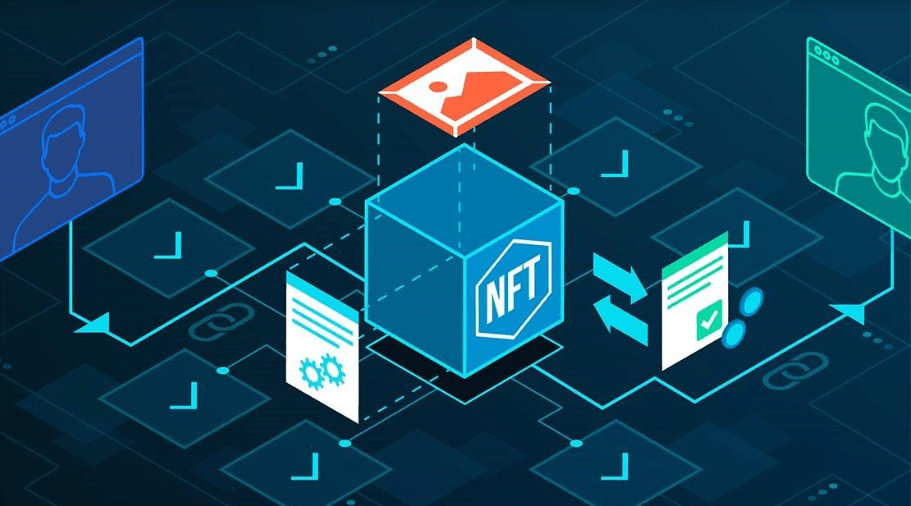
Before diving into the legal risks, it is essential to understand what NFTs are and why they have gained such traction in the digital economy. NFTs are digital assets stored on a blockchain, representing ownership or proof of authenticity of a unique item. Unlike cryptocurrencies like Bitcoin, which are interchangeable and hold the same value (fungible), each NFT is unique and can represent a variety of items, including digital art, music, video, virtual real estate, collectibles, and even physical goods.

NFTs leverage blockchain technology to offer a decentralized and immutable ledger of ownership, ensuring that the creator’s rights are securely represented, and the buyer can prove the authenticity and scarcity of their purchased asset. While NFTs have opened up significant opportunities, the technology’s novelty and lack of established regulatory frameworks have led to various legal complexities.


Legal Risks in NFTs: Key Areas of Concern

1. Intellectual Property (IP) Issues

One of the most significant legal challenges facing NFTs is the issue of intellectual property (IP) rights. NFTs often involve the sale and transfer of digital assets that may be subject to copyright or trademark protections. The rise of NFT marketplaces has led to many cases of unauthorized use of copyrighted works and infringement of IP rights.

Copyright Infringement

A common legal issue in the NFT space is whether the person minting an NFT has the proper copyright to the digital asset. For example, if an individual mints an NFT of a digital artwork that they do not own the rights to, the artist or original creator can pursue legal action for copyright infringement. This situation is particularly common with works of digital art, where unauthorized individuals may create and sell NFTs based on another person’s intellectual property.

Licensing and Ownership Clarity

NFTs can create confusion over licensing agreements and ownership rights. When purchasing an NFT, buyers may believe they are acquiring full ownership of the digital asset itself, but in reality, they may only receive a limited license to use the asset. For instance, when an artist sells an NFT, the purchaser might acquire the ownership of the token but not necessarily the underlying rights to the artwork, such as the right to reproduce, distribute, or modify the work.

To mitigate these risks, it is crucial for NFT creators to clearly define the rights associated with the token they are minting. This can include specifying the scope of usage rights, whether the buyer has the ability to resell, or whether the NFT is simply a digital certificate of ownership with no broader IP rights.


2. Fraud and Misrepresentation

Fraudulent activities and misrepresentation in the NFT space are becoming increasingly common. Since NFTs are digital assets and can be minted by anyone, including anonymous entities, bad actors have found ways to exploit the system.

Fake or Plagiarized NFTs

One of the most frequent instances of fraud is the creation and sale of fake NFTs, where a fraudulent party mints a token representing an artwork that is not theirs. These individuals may present plagiarized or stolen digital art as original works, thereby deceiving buyers and violating copyright laws.

Pump and Dump Schemes

Another concerning issue is the emergence of pump-and-dump schemes, where groups of individuals artificially inflate the price of an NFT by promoting it aggressively, only to sell their holdings at the inflated price, leaving other buyers with worthless tokens. This creates an ethical and legal dilemma regarding market manipulation.

Mitigation Strategies:
  1. Verification of Ownership: Platforms should implement mechanisms to verify the authenticity of digital assets before they can be minted into NFTs. This includes verifying the creator’s identity and ownership rights to the digital work.
  2. Market Monitoring: NFT marketplaces must create anti-fraud protocols to monitor transactions for suspicious activities, ensuring that buyers and sellers are protected from fraudulent actions.
3. Regulatory and Taxation Challenges

As NFTs continue to grow, regulatory authorities worldwide are beginning to examine how these assets should be treated under existing laws. The regulatory landscape for NFTs remains largely uncertain and fragmented across different jurisdictions, and this presents legal risks for both creators and investors.

Securities Regulation

In some cases, NFTs could be classified as securities if they offer the buyer a claim to future profits or an investment in a project. In the United States, the Securities and Exchange Commission (SEC) has already investigated whether certain types of digital assets, including NFTs, qualify as securities under the Howey Test. If NFTs are deemed securities, they would be subject to complex securities laws and regulations, including registration and disclosure requirements.

Taxation

Tax authorities also face challenges in properly assessing how NFTs should be taxed. Many jurisdictions are still grappling with how to classify NFTs for tax purposes. Should they be treated as capital gains or as collectibles? How should creators and resellers report their income from NFT transactions? Unclear tax rules can expose NFT participants to the risk of penalties for non-compliance.

Global Regulatory Compliance

NFTs are traded globally, and regulatory approaches can vary widely by country. For example, China has taken a hard stance against cryptocurrency trading, while the European Union is actively working on regulatory frameworks for digital assets. Creators and investors must stay informed about how NFTs are classified in different regions to avoid running afoul of local laws.

Mitigation Strategies:
  1. Legal Consultation: NFT creators and buyers should work with legal professionals to understand the applicable laws in their jurisdiction and ensure compliance with any relevant securities and tax regulations.
  2. Stay Informed: NFT platforms should monitor global regulatory developments and adapt to changing rules. This includes ensuring compliance with anti-money laundering (AML) and know-your-customer (KYC) requirements.

4. Consumer Protection and Dispute Resolution

With the increasing popularity of NFTs, consumer protection has become a major concern. The lack of standardization in the NFT space can lead to ambiguity regarding the rights of buyers and sellers, as well as the enforcement of contracts.

Disputes Over Ownership and Rights

NFT ownership can be difficult to dispute, but issues arise when an NFT is resold, or if it is found to be fraudulent. What happens if an individual purchases an NFT only to later discover that the underlying asset has been copied or stolen? What recourse does the buyer have in the absence of clear consumer protection laws?

Smart Contract Enforceability

Many NFTs are governed by smart contracts, which automatically execute and enforce the terms of an agreement. However, if there is a breach of contract or if the smart contract contains an error, it may be difficult for parties to resolve disputes, especially in decentralized environments where there may not be a clear party responsible for fixing issues.

Mitigation Strategies:
  1. Clear Terms and Conditions: NFT platforms and creators should develop clear and transparent terms of service and licensing agreements that outline the rights and obligations of buyers and sellers.
  2. Third-Party Mediation: Establishing independent dispute resolution mechanisms, such as third-party arbitration or mediation, can help resolve conflicts in a manner that is both efficient and legally sound.

Conclusion

NFTs have fundamentally changed the way we think about ownership, creativity, and digital assets. However, the legal landscape surrounding NFTs remains complex and evolving. From intellectual property and fraud to regulatory uncertainty and consumer protection, NFTs present several legal risks that must be carefully managed.

By implementing best practices such as clear IP rights definitions, fraud prevention measures, regulatory compliance, and robust dispute resolution frameworks, NFT creators, platforms, and investors can better navigate these risks. As the NFT space matures, stakeholders must remain vigilant and adaptable to ensure that this exciting new technology continues to thrive in a legally sound and ethically responsible manner.

In the fast-paced world of NFTs, knowledge is power. Understanding the legal risks and proactively addressing them will be critical in shaping the future of NFTs and their role in the global digital economy.

Tags: Legal RisksNFT FrontierNFTs
ShareTweetShare

Related Posts

Environmental Concerns in the NFT Industry: Balancing Innovation with Sustainability
NFT Frontier

Environmental Concerns in the NFT Industry: Balancing Innovation with Sustainability

December 1, 2025
NFT Copyright and Intellectual Property Issues
NFT Frontier

NFT Copyright and Intellectual Property Issues

November 30, 2025
Decentralization of the Art Market: A New Era of Digital Ownership
NFT Frontier

Decentralization of the Art Market: A New Era of Digital Ownership

November 29, 2025
NFTs Disrupting the Traditional Art Market
NFT Frontier

NFTs Disrupting the Traditional Art Market

November 28, 2025
The Explosion of Digital Art and the NFT Market: Revolutionizing the Art World
NFT Frontier

The Explosion of Digital Art and the NFT Market: Revolutionizing the Art World

November 27, 2025
Emerging Trends in Digital Collectibles: The Future of Ownership in the Digital Age
NFT Frontier

Emerging Trends in Digital Collectibles: The Future of Ownership in the Digital Age

November 26, 2025
Leave Comment
  • Trending
  • Comments
  • Latest
Combining Virtual Reality in the Metaverse with NFTs: Creating Richer Digital Experiences and Business Models

Combining Virtual Reality in the Metaverse with NFTs: Creating Richer Digital Experiences and Business Models

October 21, 2025
Leveraging Limited Edition NFT Merchandise to Attract Young Consumers, Enhance Brand Uniqueness, and Build Loyalty

Leveraging Limited Edition NFT Merchandise to Attract Young Consumers, Enhance Brand Uniqueness, and Build Loyalty

October 21, 2025
The Explosive Growth of the NFT Art Market: Scale, Activity, and Future Prospects

The Explosive Growth of the NFT Art Market: Scale, Activity, and Future Prospects

October 21, 2025
Brands and the Future of Commerce: Selling Virtual Goods through NFTs Tied to Physical Products

Brands and the Future of Commerce: Selling Virtual Goods through NFTs Tied to Physical Products

October 21, 2025
The Future Development Trend of Bitcoin

The Future Development Trend of Bitcoin

The Rise of Layer 2 Technology: Scaling Ethereum with Solutions like Optimism and Arbitrum

The Rise of Layer 2 Technology: Scaling Ethereum with Solutions like Optimism and Arbitrum

How Businesses Can Enhance Supply Chain Flexibility and Resilience Through Diversified Sourcing, Localized Production, and Risk Management Frameworks to Face Future Global Crises or Geopolitical Risks

How Businesses Can Enhance Supply Chain Flexibility and Resilience Through Diversified Sourcing, Localized Production, and Risk Management Frameworks to Face Future Global Crises or Geopolitical Risks

The Role of Blockchain in the Metaverse: New Infrastructure for the Virtual World

The Role of Blockchain in the Metaverse: New Infrastructure for the Virtual World

Environmental Concerns in the NFT Industry: Balancing Innovation with Sustainability

Environmental Concerns in the NFT Industry: Balancing Innovation with Sustainability

December 1, 2025
Electronic Health Records (EHR): Transforming Healthcare for the Future

Electronic Health Records (EHR): Transforming Healthcare for the Future

December 1, 2025
Sustainable Yield: Unlocking the Potential for Long-Term Financial Growth

Sustainable Yield: Unlocking the Potential for Long-Term Financial Growth

December 1, 2025
Cross-Chain Compatibility: Addressing the Challenges and Solutions

Cross-Chain Compatibility: Addressing the Challenges and Solutions

December 1, 2025
BlockChainIndex.net

From Layer2 technical deep dives to NFT market forecasting, we curate professional perspectives through on-chain analytics and industry expert collaborations. Stay ahead in blockchain innovation.

© 2025 blockchainindex.com. contacts:[email protected]

No Result
View All Result
  • Home
  • Chain Core
  • Crypto Markets
  • Enterprise Chain
  • NFT Frontier
  • On-Chain Lens
  • Reg Radar

© 2025 blockchainindex.com. contacts:[email protected]

Welcome Back!

Login to your account below

Forgotten Password?

Retrieve your password

Please enter your username or email address to reset your password.

Log In