


























Introduction
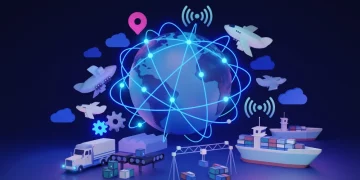
In recent years, the demand for food traceability has grown exponentially, driven by concerns over food safety, fraud prevention, sustainability, and consumer rights. From farm to table, consumers and regulators alike are increasingly demanding transparency regarding the origins, quality, and journey of the food products they consume. In response to these pressures, the food industry is turning to advanced technologies such as blockchain, IoT sensors, and data analytics to build more transparent and resilient supply chains.
Global food traceability refers to the ability to track and verify the journey of food products at each stage of the supply chain, from production and processing to distribution and consumption. This system of traceability not only ensures food safety and quality but also plays a critical role in addressing global challenges like food fraud, environmental sustainability, and labor conditions. With the rise of foodborne illnesses, supply chain disruptions, and consumer concerns, the importance of a robust traceability system cannot be overstated.
This article explores the current state of global food traceability, highlighting its importance in ensuring food safety, reducing food fraud, promoting sustainability, and enhancing consumer confidence. Additionally, we will examine the technologies and innovations driving traceability efforts, the challenges and opportunities faced by stakeholders, and the future outlook for global food traceability.
Chapter 1: The Importance of Food Traceability
1.1. Ensuring Food Safety
Foodborne illnesses are a global public health issue. According to the World Health Organization (WHO), one in ten people fall ill after consuming contaminated food each year, leading to an estimated 420,000 deaths annually. A robust traceability system can significantly reduce the risk of foodborne outbreaks by enabling quick identification of the source of contamination and facilitating efficient recalls.
- Recall Efficiency: In the event of a foodborne illness outbreak, having a clear and transparent traceability system enables food companies and regulators to quickly trace contaminated products back to their origin, minimizing the spread of illness and reducing the number of affected consumers.
- Consumer Confidence: When consumers know that a product is traceable from farm to table, they can be confident in the safety and quality of the food they consume. This transparency fosters trust in the food industry and encourages responsible consumption.
1.2. Preventing Food Fraud
Food fraud is a growing problem worldwide, costing the global food industry billions of dollars annually. It involves the intentional adulteration, misrepresentation, or substitution of food products, often for economic gain. Common examples include mislabeling products as organic or substituting expensive ingredients with cheaper alternatives.
- Combating Mislabeling: Food traceability systems can help verify product authenticity by tracking the journey of ingredients and finished products through the supply chain. Blockchain technology, for instance, can ensure that the claims on product labels (such as “organic” or “fair trade”) are accurate and verifiable.
- Reducing Substitution and Adulteration: By providing transparency into every step of the supply chain, traceability systems make it more difficult for fraudulent activities to go undetected. For example, traceability tools can identify discrepancies in ingredient sourcing or changes in product packaging that may indicate fraudulent behavior.
1.3. Promoting Sustainability
Sustainability is a key concern for both consumers and the food industry. As global food production places increasing pressure on natural resources, sustainable practices have become essential for the long-term viability of the industry. Food traceability systems can help promote sustainability by providing detailed information about the environmental and social impacts of food production.
- Environmental Impact: Traceability systems can provide data on the carbon footprint of food products, including the environmental costs of farming practices, transportation, and packaging. This transparency helps companies and consumers make informed choices about their environmental impact.
- Social Responsibility: Traceability also enables companies to ensure that food products are sourced from suppliers who adhere to ethical labor practices and fair wages. By verifying labor conditions and monitoring supply chain practices, companies can ensure their products align with social sustainability goals.
Chapter 2: Technologies Driving Global Food Traceability
2.1. Blockchain Technology
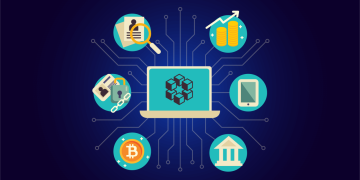
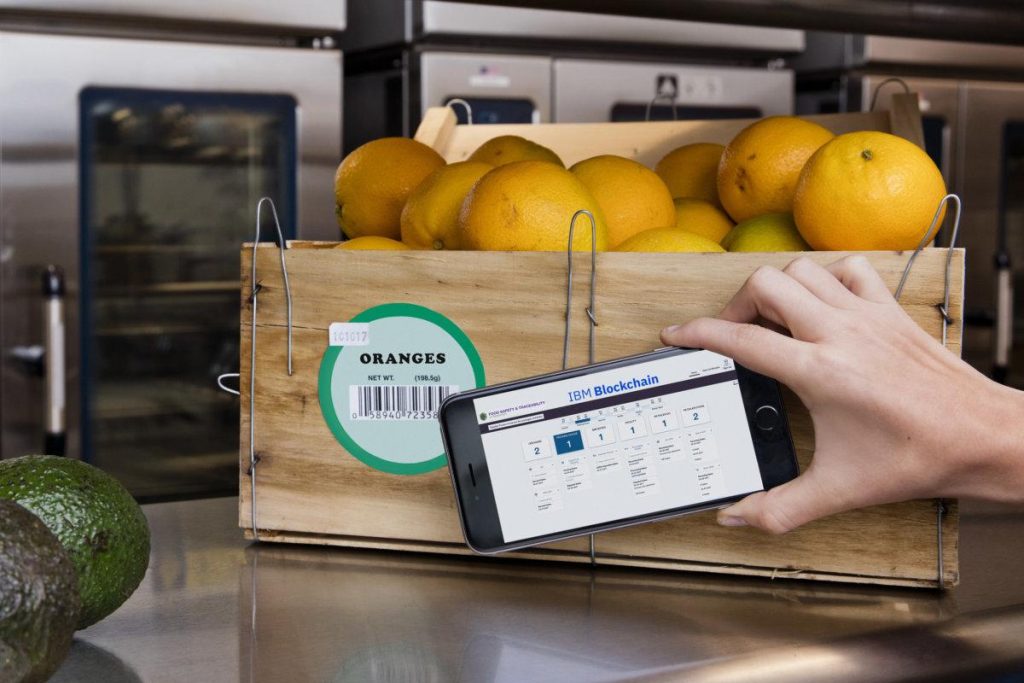
Blockchain technology is revolutionizing the food traceability sector by providing a secure, immutable, and transparent way to track the movement of goods across the supply chain. The decentralized nature of blockchain means that data is not controlled by a single party, ensuring greater transparency and security.
- Decentralized Ledger: Blockchain creates a digital ledger that records each transaction or movement of goods in a decentralized and tamper-proof manner. This makes it nearly impossible to alter the history of a product’s journey without being detected.
- End-to-End Visibility: Blockchain enables the creation of a digital thread that connects every stakeholder in the food supply chain, from farmers and processors to distributors and retailers. This transparency helps build trust among consumers, as they can access the full history of the products they purchase.
- Real-Time Data: Blockchain systems can be integrated with Internet of Things (IoT) sensors to collect real-time data on product conditions such as temperature, humidity, and location. This allows for continuous monitoring of food quality and safety throughout its journey.
2.2. Internet of Things (IoT) and Sensors
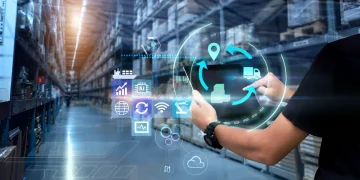
The Internet of Things (IoT) is a critical enabler of food traceability, providing real-time data on the status and condition of food products during transit and storage. IoT devices, such as RFID tags, GPS trackers, and temperature sensors, are integrated into the supply chain to track goods and ensure that products meet safety and quality standards.
- Smart Packaging: IoT-enabled smart packaging systems can track the temperature and humidity of perishable products, ensuring they are stored and transported within the required conditions. If the product exceeds a certain threshold (e.g., temperature for fresh produce or meat), alerts can be sent to supply chain stakeholders to take corrective action.
- Inventory Management: IoT devices can help optimize inventory management by providing real-time tracking of product movements and quantities. This reduces the risk of stockouts, spoilage, and wastage.
2.3. Data Analytics and Artificial Intelligence (AI)
Data analytics and artificial intelligence (AI) are also playing an increasing role in global food traceability by helping to analyze vast amounts of data collected from different points in the supply chain. These technologies enable the identification of patterns, optimization of supply chain processes, and predictive analysis for better decision-making.
- Predictive Analytics: By analyzing historical data and real-time information, AI tools can predict potential disruptions or quality issues before they occur. For example, predictive analytics can forecast demand spikes or identify when products are likely to be at risk of spoilage.
- Supply Chain Optimization: AI algorithms can optimize supply chain logistics by analyzing data on transportation routes, inventory levels, and supplier performance. This can lead to more efficient and sustainable supply chain management.
2.4. Cloud Computing and Big Data
Cloud computing and big data platforms have revolutionized how food traceability systems manage and store information. These platforms allow stakeholders to access and share data across different parts of the supply chain, enhancing collaboration and ensuring that traceability data is up-to-date and accurate.
- Cloud-Based Traceability Systems: Cloud computing enables companies to store and access traceability data securely from anywhere, making it easier for suppliers, manufacturers, and distributors to collaborate and share information in real-time.
- Big Data Analytics: Big data platforms can handle the massive volume of data generated by food traceability systems, allowing for more advanced analysis and insights. These platforms can identify trends and anomalies in the supply chain, helping companies improve efficiency and reduce costs.
Chapter 3: Challenges in Global Food Traceability
3.1. Complexity of Global Supply Chains
The food supply chain is incredibly complex, involving multiple actors, geographies, and processes. This complexity makes it difficult to establish a comprehensive traceability system that captures every movement of every product. Different regions and countries have varying standards and regulations, and integrating these into a global system poses significant challenges.
- Standardization: One of the key challenges is the lack of global standards for food traceability. Different countries have different regulatory requirements for food safety and traceability, making it difficult to create a system that works universally.
- Data Sharing: Ensuring data is shared across stakeholders in a seamless and secure manner is another challenge. Confidential business information, such as pricing or supplier relationships, may need to be protected, making transparency more difficult to achieve.
3.2. Cost of Implementation
Implementing a global food traceability system, particularly one that integrates cutting-edge technologies like blockchain, IoT sensors, and AI, can be costly. Smaller producers, particularly those in developing countries, may struggle to afford the technology and infrastructure required to participate in such a system.
- Initial Investment: The upfront costs of setting up traceability systems, including purchasing equipment, developing software, and training staff, can be prohibitive for small-scale food producers or suppliers.
- Ongoing Maintenance: Maintaining and updating traceability systems requires continuous investment in technology, training, and support, which can be a barrier for many smaller players in the food industry.
3.3. Consumer Awareness and Adoption
For a food traceability system to be effective, consumers must be able to access and understand the information provided. However, many consumers are still unaware of the benefits of food traceability or lack the knowledge to interpret the data provided by traceability systems.
- Education: There is a need for greater consumer education on the value of food traceability, especially in terms of food safety and sustainability. As consumer demand for transparency increases, companies must focus on educating their customers about how to access and interpret traceability information.
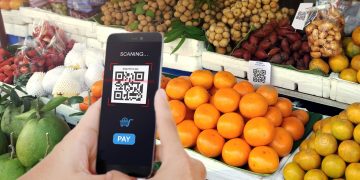
- User-Friendly Interfaces: Making traceability data accessible to consumers through user-friendly platforms, such as mobile apps or websites, is essential for widespread adoption. These platforms should provide clear and understandable information about the origins and quality of food products.
Conclusion
Global food traceability is becoming an essential component of the modern food supply chain, driven by the need for food safety, fraud prevention, and sustainability. By leveraging advanced technologies such as blockchain, IoT sensors, data analytics, and AI, the food industry can build more transparent, resilient, and efficient supply chains that benefit both businesses and consumers.
However, the journey toward global food traceability is not without its challenges. The complexity of global supply chains, the cost of implementation, and the need for consumer education all present significant hurdles. Nevertheless, the growing demand for transparency and accountability in the food industry presents an opportunity for innovation and collaboration across sectors.
As technology continues to evolve, food traceability systems will become more robust and accessible, enabling a safer, more sustainable, and more transparent food system for consumers worldwide.