






























1. Introduction
Blockchain technology has emerged as a revolutionary force, offering decentralized, transparent, and immutable solutions to a variety of industries, including finance, supply chain, healthcare, and more. However, its rapid growth has brought significant challenges, particularly concerning the security and integrity of transactions. In traditional financial systems, regulatory bodies and centralized institutions can monitor transactions to detect and prevent illicit activities. Blockchain, by contrast, is decentralized, making it difficult for a single entity to oversee and enforce compliance.
The rise of Decentralized Finance (DeFi) platforms, where transactions are executed on smart contracts without intermediaries, has amplified these concerns. While DeFi offers advantages in terms of accessibility and innovation, it also opens the door to potential fraudulent activities, including money laundering, Ponzi schemes, and market manipulation.
Enter Reg Radar, an AI-powered platform designed to address these concerns by integrating advanced algorithms to monitor blockchain transactions in real-time. Through continuous analysis of on-chain data, Reg Radar can detect suspicious behaviors, trigger alerts, and provide real-time insights into transaction activities, offering an enhanced layer of security and regulatory compliance in the blockchain ecosystem.
2. The Need for Real-Time Monitoring in Blockchain
2.1 The Evolution of Blockchain and Security Challenges
Blockchain’s decentralized nature allows for peer-to-peer transactions without relying on trusted intermediaries like banks or regulatory authorities. While this creates efficiencies and reduces costs, it also introduces risks related to security and fraud prevention. Traditional financial systems employ real-time transaction monitoring systems, which flag suspicious activities such as unusual transaction sizes or patterns indicative of fraud. However, in the blockchain space, such monitoring is not as straightforward.
On-chain data, while transparent, is not inherently analyzed in real-time to detect illegal activities. The rapid pace of transaction volume, particularly within fast-moving DeFi platforms, further complicates monitoring efforts. This gap in real-time transaction surveillance has created an urgent need for advanced monitoring systems that can process large amounts of blockchain data instantly and identify anomalies as they occur.
3. Understanding Reg Radar
3.1 What is Reg Radar?
Reg Radar is an innovative security platform that uses artificial intelligence (AI) and machine learning algorithms to monitor blockchain transactions in real time. Its primary goal is to enhance the security of blockchain-based platforms by detecting suspicious activities that may signal fraudulent transactions, money laundering, or other forms of illicit conduct.
By continuously analyzing on-chain data, Reg Radar provides alerts on potential threats, helping users take action to prevent harm before it occurs. This system is designed to operate across a range of blockchain environments, including public chains like Bitcoin and Ethereum, as well as private and permissioned blockchains used by enterprises.
3.2 Key Features and Functionalities
- Real-Time Blockchain Monitoring: Reg Radar’s AI algorithms continuously monitor blockchain transactions and interactions across multiple platforms, analyzing each transaction as it occurs to identify any suspicious activity.
- Suspicious Activity Detection: Using machine learning, Reg Radar detects anomalies that deviate from normal transaction patterns, such as large transfers, rapid shifts in asset ownership, or inconsistent trading behaviors.
- Alert System: Once suspicious behavior is detected, Reg Radar automatically triggers alerts to relevant stakeholders, allowing them to respond promptly and investigate potential risks.
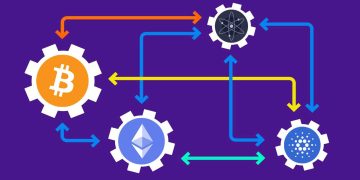
- Cross-Chain Surveillance: Reg Radar can monitor multiple blockchain networks simultaneously, enabling cross-chain analysis and detection of suspicious activity across various decentralized platforms.
3.3 How Reg Radar Works
Reg Radar uses a combination of blockchain analytics, AI-based machine learning, and data aggregation to continuously monitor and assess transactions. Here’s how it works:
- Data Collection: Reg Radar collects and aggregates blockchain transaction data in real-time from various sources, including public ledgers and decentralized applications (dApps).
- Transaction Analysis: The AI algorithms analyze transaction data based on predefined risk indicators and patterns, such as transaction size, frequency, wallet addresses, and interaction with known addresses or smart contracts.
- Anomaly Detection: Using machine learning models, the platform identifies outlier activities or behaviors that deviate from normal patterns, such as rapid movement of large sums of cryptocurrency or interactions with addresses flagged for previous illicit activity.
- Alerts and Actions: Once suspicious activity is detected, Reg Radar sends alerts to relevant stakeholders, such as exchanges, wallet providers, or regulatory authorities, enabling them to take preventive or corrective actions.
4. AI in Blockchain Security
4.1 The Role of AI in Transaction Monitoring
Artificial intelligence has become a game-changer in the realm of blockchain security. Traditional transaction monitoring systems depend on rule-based models that require manual inputs for defining suspicious activities. However, these systems are not scalable and often fail to adapt to new, evolving patterns of fraud.
Reg Radar, on the other hand, integrates AI and machine learning to enable automated detection of suspicious transactions. The use of AI allows the system to evolve and adapt continuously, learning from historical transaction data and adjusting to new patterns of behavior. This means that it can identify emerging threats without human intervention, a crucial feature in the fast-paced world of blockchain.
4.2 Machine Learning Algorithms for Suspicious Activity Detection
Machine learning algorithms enable Reg Radar to continuously improve its ability to identify potential threats. These algorithms analyze transaction patterns and develop models based on historical data to detect behavior that deviates from the norm. Some common machine learning techniques used include:
- Supervised Learning: In this method, the algorithm is trained on a labeled dataset of known suspicious and non-suspicious transactions. Over time, it learns to differentiate between normal and fraudulent activities.
- Unsupervised Learning: This method allows Reg Radar to identify new, previously unseen patterns of suspicious activity by analyzing unstructured transaction data.
- Anomaly Detection: By setting thresholds for what constitutes “normal” behavior, Reg Radar can detect when an outlier transaction occurs, flagging it as suspicious for further review.
5. Addressing Regulatory Compliance with Reg Radar
5.1 Anti-Money Laundering (AML) and Know Your Customer (KYC) Requirements
As blockchain adoption continues to grow, regulators around the world are focusing more on the need for compliance with Anti-Money Laundering (AML) and Know Your Customer (KYC) regulations. Reg Radar plays a critical role in helping blockchain platforms meet these regulatory requirements. By monitoring blockchain transactions and verifying that they comply with AML and KYC rules, Reg Radar helps prevent illicit financial activities, such as money laundering and terrorist financing.
5.2 Ensuring DeFi Platforms Remain Compliant
DeFi platforms are particularly vulnerable to regulatory scrutiny due to their decentralized nature and the anonymity provided to users. Reg Radar helps DeFi platforms maintain compliance with financial regulations by providing tools to monitor transactions, track illicit activities, and ensure that users are not engaged in illegal behavior such as money laundering or fraud.
5.3 Preventing Fraud and Market Manipulation
Blockchain networks, particularly DeFi platforms, are at risk of being exploited by bad actors who manipulate markets, perform flash loan attacks, or execute pump-and-dump schemes. Reg Radar’s real-time monitoring and AI-powered analysis detect these suspicious activities, preventing potential fraud and protecting market integrity.

6. Real-World Applications of Reg Radar
6.1 DeFi Security
Reg Radar provides essential security for DeFi protocols by continuously analyzing transactions and identifying threats before they escalate. By monitoring asset flows, user behavior, and interactions with smart contracts, Reg Radar ensures that DeFi platforms remain safe and compliant.
6.2 Cryptocurrency Exchanges
Exchanges are prime targets for fraud, money laundering, and market manipulation. Reg Radar helps cryptocurrency exchanges detect suspicious activities, identify abnormal transaction patterns, and meet compliance requirements, ensuring a secure environment for users and investors.
6.3 Smart Contracts and DApps
Smart contracts and decentralized applications (dApps) are fundamental to the blockchain ecosystem. Reg Radar assists developers and platform owners in ensuring that smart contracts and dApps are not exploited for fraudulent purposes, offering real-time monitoring to prevent abuse.
7. Advantages of Using Reg Radar
- Real-Time Detection: Instant detection of suspicious activities and immediate alerts.
- AI-Driven Insights: Continuous learning and adaptation to new patterns of fraud.
- Cross-Chain Surveillance: Monitoring of multiple blockchain networks in parallel.
- Scalability: Capable of handling large transaction volumes without compromising performance.
- Compliance Support: Assists platforms in meeting AML, KYC, and regulatory requirements.
8. Challenges in Implementing Real-Time Blockchain Monitoring
While Reg Radar offers tremendous potential, there are challenges to its implementation:
- Complexity of Blockchain Data: Processing and analyzing vast amounts of blockchain data in real-time requires powerful infrastructure and sophisticated algorithms.
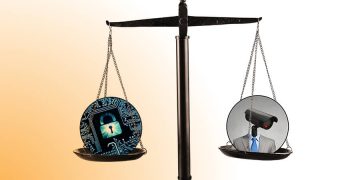
- Privacy Concerns: Ensuring the privacy of users while monitoring on-chain transactions remains a delicate balance.
- Adoption: Widespread adoption of AI-powered monitoring tools across various blockchain networks and platforms is still a work in progress.
9. The Future of Blockchain Security: AI and Beyond
As blockchain technology continues to evolve, the role of AI in blockchain security will only grow. Future advancements may include even more sophisticated anomaly detection models, integration with IoT (Internet of Things) devices, and better cross-chain interoperability. AI will continue to play a pivotal role in safeguarding decentralized networks and ensuring regulatory compliance.
10. Conclusion
Reg Radar represents a significant leap forward in the effort to secure blockchain networks and ensure compliance with regulatory frameworks. By leveraging AI algorithms to monitor transactions in real-time, it helps detect suspicious activities, protect users, and maintain the integrity of the blockchain ecosystem. As the technology continues to evolve and blockchain platforms grow in complexity, tools like Reg Radar will become essential in the fight against financial crime and fraud in the decentralized world.