

























Introduction
In recent years, blockchain technology has emerged as a powerful tool for enhancing transparency, efficiency, and security in various sectors. One of the most promising applications of blockchain is in the field of food safety and supply chain management. The collaboration between Walmart and IBM to utilize blockchain technology for tracking the origin and movement of food products has been a groundbreaking development in the industry. By implementing blockchain-based systems, these two companies are working to revolutionize how food is traced from farm to table, ensuring greater safety, efficiency, and accountability throughout the supply chain.
Walmart, one of the world’s largest retailers, and IBM, a global technology and consulting company, recognized early on the potential of blockchain technology to solve critical issues in food safety. This collaboration focuses on leveraging blockchain to improve food traceability, which can significantly reduce the risks associated with foodborne illnesses, fraud, and contamination.
This article explores the nature of Walmart and IBM’s partnership, the technical and operational aspects of their blockchain solution, the benefits it brings to the food industry, and the broader implications for the future of food safety and global supply chains.
Chapter 1: The Problem of Food Safety and Traceability
1.1. Food Safety Concerns in the Global Supply Chain
Foodborne illnesses and contamination are significant public health issues worldwide. According to the World Health Organization (WHO), an estimated 600 million people—almost 1 in 10 people—fall ill after eating contaminated food every year, with hundreds of thousands of deaths. The complexity of global food supply chains has made it increasingly difficult to trace the source of contamination quickly, which exacerbates the problem.
- Foodborne Illnesses: Outbreaks of diseases like E. coli, Salmonella, and Listeria are common, often resulting in widespread recalls and consumer harm. Traditional methods of tracking food sources involve manual and paper-based systems that are slow and inefficient, making it difficult to trace the source of contamination quickly.
- Fraud and Mislabeling: In addition to safety concerns, food fraud is also a significant issue in the industry. Mislabeling, such as selling inferior products under the guise of premium quality, or misrepresenting the origin of food products, not only harms consumers but undermines trust in the entire food system.
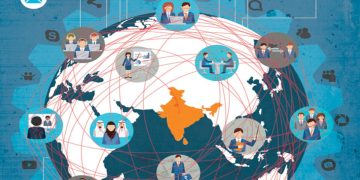
- Complex Supply Chains: The global food supply chain involves numerous intermediaries, including farmers, suppliers, distributors, processors, and retailers. This complexity creates opportunities for inefficiencies, errors, and fraud, all of which are exacerbated by the lack of a unified, transparent system for tracking food products.
1.2. The Need for Improved Traceability
Effective food traceability is critical for reducing food safety risks and improving the transparency of food production processes. The ability to trace a food product’s journey from farm to table can significantly enhance the ability to identify contaminated products during outbreaks, thus minimizing the impact on consumers and businesses alike.
Blockchain technology provides a solution to these problems by creating a transparent, immutable ledger that can securely record every step in the food supply chain. The potential benefits of blockchain-based traceability systems include:
- Real-Time Tracking: Blockchain allows for the real-time tracking of food products, enabling faster identification and response to food safety issues.
- Transparency and Accountability: Every step in the food production and distribution process is recorded on the blockchain, making it nearly impossible to alter or falsify information, increasing transparency and accountability.
- Reduction in Fraud: Blockchain’s immutability ensures that food products are accurately labeled and traced back to their origins, reducing the risk of food fraud and mislabeling.

Chapter 2: Walmart and IBM’s Collaboration: A Vision for the Future of Food Safety
2.1. The Genesis of the Partnership
Walmart and IBM first came together in 2016 to explore the potential of blockchain technology in the food supply chain. Walmart was already focused on improving food safety and traceability within its massive retail operations, and IBM, with its expertise in blockchain technology, was the perfect partner to bring that vision to life.
The two companies saw an opportunity to create a blockchain-based food safety solution that would address many of the long-standing issues in the food industry. Their collaboration resulted in the creation of Food Trust, a blockchain platform designed to enhance transparency, traceability, and accountability in food supply chains.
2.2. The Food Trust Blockchain
The IBM Food Trust Blockchain is a decentralized, permissioned blockchain network designed specifically for the food industry. It allows participants across the entire food supply chain—farmers, suppliers, distributors, processors, retailers, and consumers—to securely share information about food products in real-time.
Key features of the IBM Food Trust Blockchain include:
- Transparency: Every transaction, from production to distribution, is recorded on the blockchain, creating a transparent and traceable record of the food product’s journey.
- Security: The platform is based on permissioned blockchain technology, which ensures that only authorized participants can access and update the information on the network, adding an additional layer of security to food traceability.
- Speed: The IBM Food Trust Blockchain enables fast, real-time updates, meaning that participants can track and trace food products with greater efficiency and accuracy than traditional systems.
- Collaboration: The platform is designed to facilitate collaboration among a wide range of participants in the food supply chain, enabling them to share data in a secure and reliable manner.
2.3. Walmart’s Role in the Collaboration
As a major retailer, Walmart plays a pivotal role in the Food Trust initiative. The company has over 11,000 stores worldwide and a vast, complex supply chain. By using the blockchain platform, Walmart aims to ensure that food products sold in its stores are safe, traceable, and of the highest quality.
- Blockchain Pilots: Walmart has been actively piloting the use of blockchain technology in several areas, including tracking fresh produce like mangoes and lettuce. In one pilot project, Walmart tracked the journey of mangoes from a farm in Mexico to its stores in the United States in just 2.2 seconds, a process that previously took days to complete using traditional methods.
- Faster Recalls: The ability to trace the exact source of a contaminated product in real time is one of the most significant benefits for Walmart. In the past, recalls could take weeks, and the scope of affected products could be difficult to determine. With blockchain, Walmart can now pinpoint the source of a contamination much faster, reducing the impact on both consumers and businesses.
- Supplier Adoption: Walmart has encouraged its suppliers to join the Food Trust network, ensuring that the entire supply chain benefits from the platform’s capabilities. In fact, the retailer has made it mandatory for some suppliers, such as those providing leafy greens, to use the blockchain platform for tracking their products.
Chapter 3: The Benefits of Blockchain in Food Safety
3.1. Enhanced Traceability and Transparency
One of the key benefits of blockchain in food safety is enhanced traceability. By using blockchain technology, every step in the food supply chain can be documented and verified, from the farm where the food was produced to the store where it is sold. This transparency allows for faster identification of food products in case of contamination, helping to mitigate the effects of foodborne illnesses.
- Real-Time Access to Data: Food Trust enables real-time access to data about food products. If a problem arises, such as a contamination event, the affected products can be quickly located, removed from shelves, and traced back to their source.
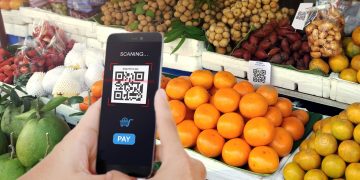
- Increased Consumer Confidence: The transparency provided by blockchain enhances consumer trust in the products they purchase. Shoppers can see where their food comes from, how it was produced, and who handled it, which can increase confidence in the safety and quality of the food.
3.2. Faster and More Efficient Food Recalls
Recalling contaminated food products can be a costly and time-consuming process. In traditional food supply chains, recalls often involve tracing products through paper-based systems or disconnected databases, which can take days or even weeks. With blockchain, Walmart and its partners can trace contaminated products in seconds, drastically reducing the time and resources required for recalls.
- Minimizing Food Waste: Faster and more targeted recalls can also reduce food waste. By accurately identifying which batches of food are affected, only the products that pose a risk are removed from shelves, reducing the overall loss of safe products.
3.3. Reducing Food Fraud and Mislabeling
Blockchain’s ability to create an immutable, transparent record of food products from their source to the consumer helps reduce food fraud and mislabeling. Whether it’s the misrepresentation of a product’s origin or the false labeling of organic produce, blockchain ensures that food companies are held accountable for their claims.
- Authentication of Food Claims: For consumers, blockchain provides the means to verify the authenticity of claims such as “organic,” “fair trade,” or “sustainably sourced.” This transparency not only protects consumers but also encourages companies to uphold their promises.
- Combating Counterfeit Products: Counterfeit food products, such as fake organic or premium goods, are a growing problem in the global food supply chain. Blockchain technology provides a reliable way to verify the true origins and quality of products, making it difficult for counterfeit goods to enter the market.
Chapter 4: The Future of Blockchain in the Food Industry
4.1. Widespread Adoption and Industry Collaboration
The success of Walmart and IBM’s Food Trust platform is just the beginning. As blockchain technology continues to mature, more companies are likely to join the effort to improve food safety, traceability, and transparency. As of now, over 100 companies, including major retailers like Nestlé, Unilever, and Dole, have joined the Food Trust network.
The growing adoption of blockchain in the food industry could lead to industry-wide standards for food traceability, setting the stage for a more transparent, secure, and efficient global food supply chain.
4.2. Expanding Beyond Food Safety
Blockchain’s impact on the food industry could go beyond safety and traceability. As the technology becomes more widespread, it could be used to streamline logistics, reduce inefficiencies, and improve inventory management. Smart contracts could automate payments and other business processes, further reducing administrative overhead and ensuring faster transactions across the supply chain.
4.3. Challenges and Considerations
While blockchain holds great promise for the food industry, there are still challenges to overcome, including:
- Scalability: As the blockchain network grows, ensuring its ability to handle large volumes of data without compromising speed and security is a key challenge.
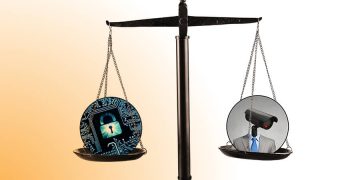
- Data Privacy: Balancing transparency with data privacy is important, especially when it comes to protecting sensitive business information.
- Adoption and Integration: For blockchain to reach its full potential, widespread adoption and integration across the food supply chain are essential. This requires cooperation from a diverse range of stakeholders, including farmers, distributors, retailers, and regulators.
Conclusion
Walmart and IBM’s collaboration to implement blockchain technology for food safety and traceability is a groundbreaking initiative that has the potential to transform the food industry. By providing real-time tracking, improving transparency, and enabling faster recalls, blockchain can significantly enhance food safety, reduce fraud, and build consumer trust. As more companies join the effort and the technology matures, blockchain could become the standard for global food supply chains, leading to safer, more efficient, and more transparent food systems worldwide.