
















1. Introduction: The Role of NFTs in Gaming
1.1 What are NFTs?
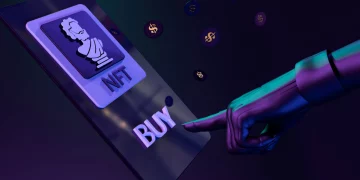
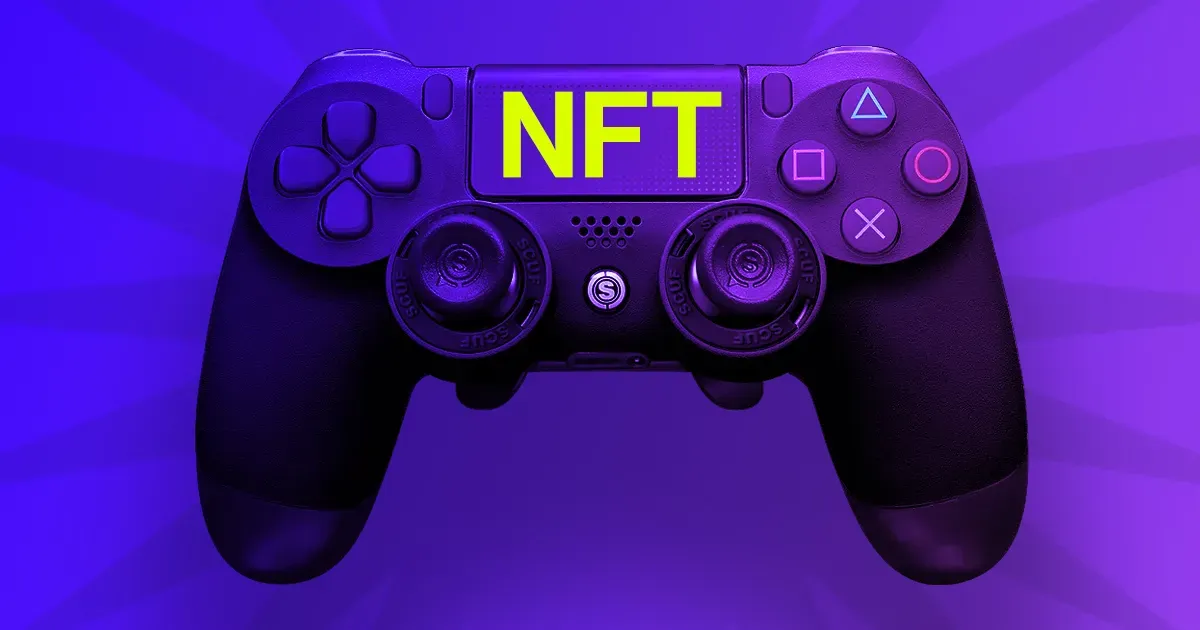
Non-fungible tokens (NFTs) are unique digital assets that represent ownership or proof of authenticity of a particular item or piece of content, most commonly using blockchain technology. Unlike cryptocurrencies, which are interchangeable, NFTs are indivisible and each token holds distinct value, making them ideal for representing assets such as digital art, collectibles, and in-game items.
In the context of gaming, NFTs allow players to own, buy, sell, and trade in-game assets—whether they be skins, weapons, land, avatars, or even entire virtual worlds. These assets are not simply rented from a game developer but are owned by the player themselves, and can be monetized outside of the game through secondary markets, further enhancing the player experience.
1.2 NFTs and Blockchain in Gaming: A Revolution in Ownership
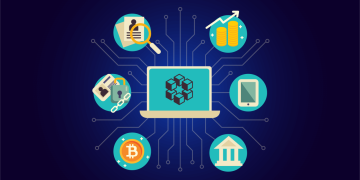
The integration of NFTs into gaming is a game-changer, primarily because of the concept of true ownership. Before NFTs, players’ assets were locked within the game and could not be traded, sold, or transferred outside the game ecosystem. This model limited the value of in-game assets to the duration of the game. With blockchain-backed NFTs, these assets are now decentralized, verifiable, and transferable, allowing for long-term ownership that extends beyond a single game.
Furthermore, blockchain technology ensures transparency and trust in the ownership process. NFTs are cryptographically secure, meaning that once an asset is created and traded, its ownership history is immutable, providing a sense of security to players and collectors alike.
2. Applications of NFTs in the Gaming Industry
2.1 In-Game Collectibles and Virtual Items
One of the most prominent uses of NFTs in gaming is the creation of digital collectibles. In-game items such as skins, weapons, avatars, and other assets can be tokenized as NFTs, giving players full ownership of these items. For example:
- Skins: Cosmetic items that modify the appearance of in-game characters or weapons.
- Weapons: Rare and powerful items that can be equipped or traded between players.
- Land: Virtual real estate in games or metaverse platforms, allowing players to own and develop their own spaces.
- Avatars: Customizable representations of players, which can be uniquely owned as NFTs.
These assets can be bought, sold, and traded across various platforms and games, fostering a marketplace for gamers to interact in ways never seen before.
2.2 Play-to-Earn (P2E) Games and NFT Rewards
NFTs are also a key component of the play-to-earn (P2E) gaming model, which allows players to earn cryptocurrency or NFTs by playing the game. P2E games are part of a larger trend toward decentralization in the gaming industry, where players are rewarded not just for their time but also for their in-game skills and efforts.
In Axie Infinity, for instance, players earn by collecting, breeding, and battling Axies, creatures that are represented as NFTs. Each Axie is unique and can be traded on the marketplace for a profit. The more players invest in the game and its economy, the more potential they have to earn.
Other games that have adopted P2E mechanics include The Sandbox, Gods Unchained, and Illuvium, where players can earn rewards such as land, NFTs, or tokens, giving them the ability to generate real-world value from their gameplay.
2.3 Interoperability Across Games and Virtual Worlds
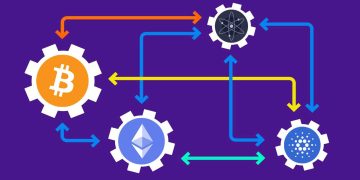
One of the most innovative aspects of NFTs in gaming is their ability to facilitate interoperability across different games and virtual worlds. Thanks to the decentralized nature of NFTs, players can use assets across multiple platforms, as long as they adhere to the same standards.
For instance, a rare weapon obtained in one game can be sold or transferred to another game that supports the same blockchain standards (such as Ethereum’s ERC-721 or ERC-1155 tokens). This breaks down the silos that exist in traditional gaming ecosystems and opens the door to a more integrated, cross-game economy.
Games like Decentraland and Somnium Space already allow for interoperability of NFTs in the form of digital real estate, items, and avatars. The ability to carry assets between games is a significant leap forward in creating a truly interconnected virtual universe.
3. Virtual Economies: NFTs as the Foundation of New Economic Models
3.1 NFT Marketplaces and Secondary Sales
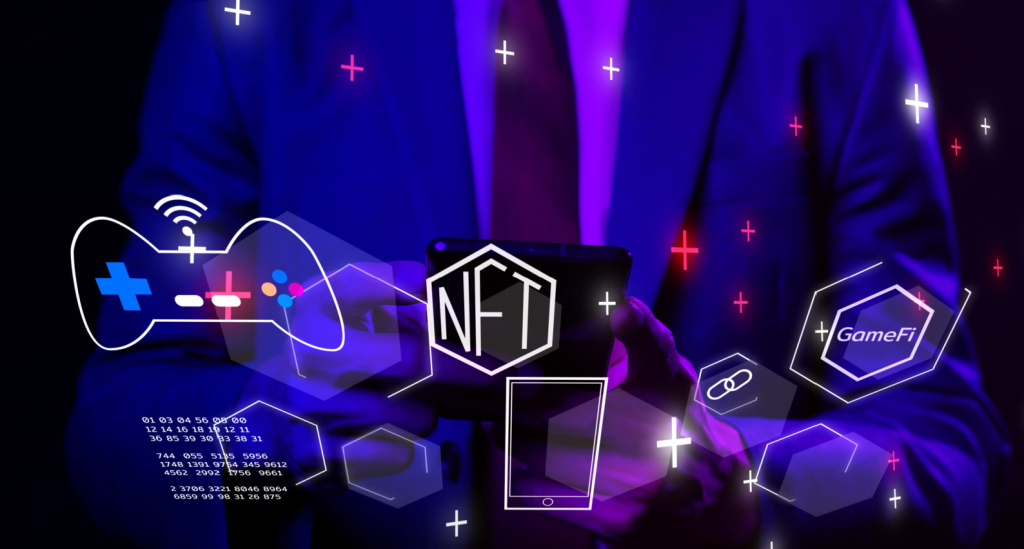
NFTs have given rise to decentralized marketplaces where players can buy, sell, and trade in-game assets. These marketplaces—such as OpenSea, Rarible, and SuperRare—are not limited to gaming but also cater to art, collectibles, and other digital assets. Many games have integrated their own marketplaces to allow players to interact directly with each other, bypassing centralized control.
These marketplaces enable players to monetize their in-game assets and earn real-world profits from items they own, which was not possible in traditional gaming ecosystems. Popular games like CryptoKitties and Axie Infinity have integrated this concept, where items can be traded in a thriving digital economy.
3.2 Play-to-Earn and the Creation of Real-World Value
At the heart of many NFT-based games lies the play-to-earn (P2E) model, which provides players with the opportunity to earn rewards that have real-world value. Players earn rewards in the form of NFTs, game tokens, or cryptocurrencies that can be traded or sold for actual money. This model incentivizes engagement and creates a new form of economy driven by the gaming community.
The Axie Infinity ecosystem, for example, has allowed players to earn substantial sums through its token, Smooth Love Potion (SLP), by breeding and battling Axies. Similarly, Gods Unchained offers players the ability to earn cards that can be traded in the open market. These P2E models enable players to generate income, blurring the lines between traditional work and gaming.
3.3 NFT-based Games and Decentralized Economies
NFTs and P2E games are contributing to the rise of decentralized game economies. Players have the ability to directly influence the value of in-game assets, and the overall game economy is often controlled by the players themselves through decentralized governance structures.
These economies are often built around native tokens, which serve as the currency for transactions within the game. As players earn these tokens, they can either sell them for fiat currency or use them to purchase more assets within the game, creating a self-sustaining virtual economy.
The integration of decentralized finance (DeFi) principles in NFT-based games is also gaining traction. Players may be able to stake NFTs, participate in liquidity pools, or engage in other DeFi activities within the gaming environment, making NFTs a crucial component of a new generation of economic models.
4. Challenges in NFT Gaming
4.1 Scalability and High Gas Fees
While NFTs offer significant advantages, there are challenges, especially related to the scalability of blockchain networks. High gas fees on Ethereum, for instance, can make the minting, buying, and selling of NFTs prohibitively expensive for some players. During periods of high network demand, players may face transaction fees that significantly reduce the profitability of trading NFTs.
Solutions such as Layer 2 scaling solutions (e.g., Polygon) and alternative blockchains (e.g., Solana and Flow) are being explored to address these issues. These technologies promise to reduce costs and improve the overall efficiency of transactions, making NFTs more accessible to a broader audience.
4.2 Environmental Concerns
The environmental impact of blockchain technologies, particularly proof-of-work systems like Ethereum, is another concern. The energy consumption required for minting and trading NFTs can be significant, and the gaming community, along with environmentalists, has raised concerns about the carbon footprint of NFTs.
In response, some NFT platforms and developers are transitioning to more energy-efficient consensus mechanisms, such as proof-of-stake, which consumes far less energy than proof-of-work. Blockchain networks like Tezos and Flow are already leveraging these more sustainable approaches.
4.3 Regulatory Issues and Security Concerns
As NFTs continue to rise in popularity, there are growing concerns regarding regulation and the security of NFT transactions. The decentralized nature of NFTs makes them difficult to regulate, and issues like money laundering, fraud, and intellectual property theft have surfaced in the NFT space.
Regulatory bodies in different countries are beginning to examine how NFTs should be classified and taxed, which could have implications for developers and players. Additionally, the rise of NFTs has attracted attention from cybercriminals, and security breaches or scams can undermine player confidence in the ecosystem.
5. The Future of NFTs in Gaming
5.1 Mainstream Adoption and AAA Game Integration
As the NFT gaming market matures, we are likely to see more mainstream game developers integrating NFTs into their offerings. Traditional gaming giants such as Ubisoft and Electronic Arts (EA) have already expressed interest in exploring NFTs within their games. However, mass adoption by AAA game developers may take time as they carefully consider the balance between player experience and monetization strategies.
In the near future, it is likely that NFT-based items, skins, or characters will become standard features in many games, enabling players to trade and sell assets without leaving the game environment.
5.2 Cross-Game Integration and the Metaverse
The future of NFTs in gaming lies in their integration into broader virtual ecosystems, such as the metaverse. As the metaverse grows, NFTs will play a key role in allowing players to own virtual land, items, and experiences across multiple virtual worlds. This opens up new opportunities for virtual commerce, social interactions, and immersive experiences.
Moreover, NFTs in the metaverse will allow users to carry assets seamlessly between games and platforms. For instance, a player might buy a rare weapon in one game and transfer it to another, or purchase virtual real estate that can be developed and showcased in various metaverse applications.
6. Conclusion
NFTs are rapidly transforming the gaming industry, offering new ways for players to engage with games, monetize their time and efforts, and shape virtual economies. As the technology continues to evolve, we can expect even more innovative applications, from true digital ownership to cross-game interoperability and play-to-earn models. While challenges such as scalability, environmental concerns, and regulatory issues remain, the future of NFTs in gaming looks bright, with the potential to redefine how we think about value, ownership, and the gaming experience. As the industry adapts and evolves, NFTs will undoubtedly play a key role in shaping the future of gaming.