































1. Introduction: NFTs and Their Role in Modern Branding
1.1 Understanding NFTs
Non-Fungible Tokens (NFTs) are unique digital assets that use blockchain technology to represent ownership or proof of authenticity for a variety of items, including art, music, virtual goods, and more. What sets NFTs apart from traditional cryptocurrencies like Bitcoin or Ethereum is their uniqueness; each NFT is distinct and cannot be exchanged on a one-to-one basis, making them ideal for creating rare and exclusive digital assets.
The NFT market has exploded in recent years, with NFTs being used in various sectors, from art and entertainment to gaming and real estate. For brands, NFTs provide an innovative way to engage with consumers, create scarcity, and drive sales of digital products that hold both emotional and financial value.
1.2 The Power of NFTs in Marketing and Brand Strategy
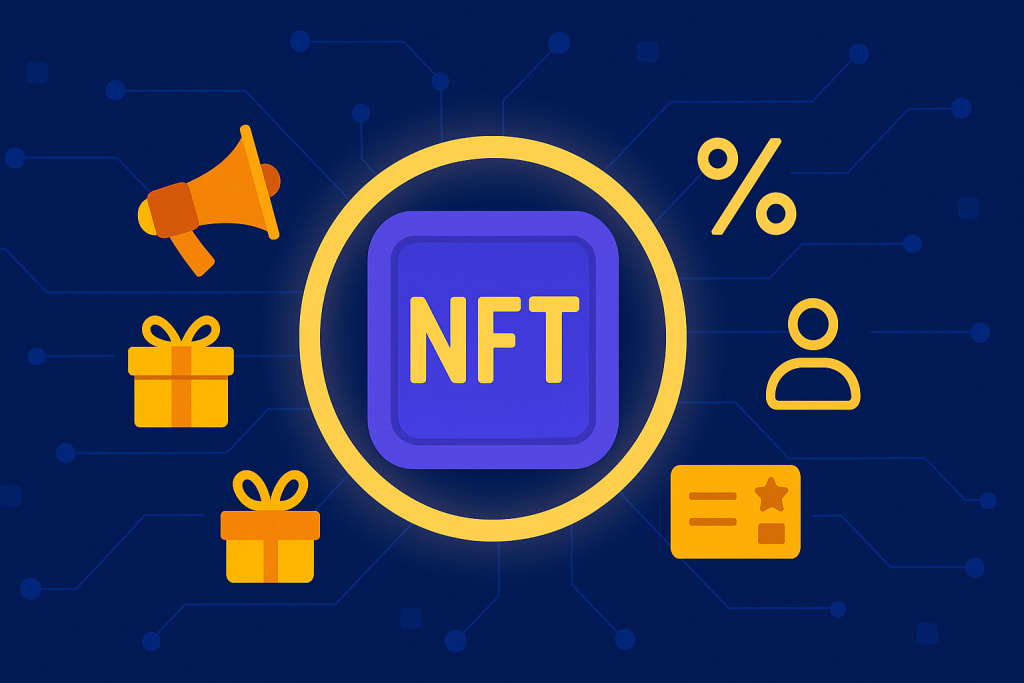
NFTs are reshaping traditional marketing strategies by enabling brands to interact with consumers in new and exciting ways. With NFTs, brands can create digital assets tied to real-world experiences, offering customers exclusive access to events, limited edition products, and more. For younger generations, especially Gen Z and millennials, the appeal of NFTs lies in their digital native nature, scarcity, and the ability to showcase ownership in an online world.
When integrated into a brand’s overall strategy, NFTs allow businesses to stand out in an increasingly saturated marketplace, enhance brand identity, and foster long-term customer loyalty. The scarcity and exclusivity of limited edition NFTs serve as powerful marketing tools that can elevate a brand’s image and appeal to a new audience that values digital experiences and collectibles.
2. Limited Edition NFT Merchandise: Creating Scarcity and Exclusivity
2.1 The Concept of Limited Edition NFTs
Limited edition NFTs are digital collectibles that are intentionally scarce, often created in small quantities or with unique attributes that make them highly desirable. In the context of merchandise, these NFTs can take many forms, including digital artwork, virtual clothing, access passes, or even event tickets. The defining feature of these limited edition NFTs is their rarity, which can drive demand and create a sense of exclusivity among consumers.
When a brand releases a limited number of NFT items, the inherent scarcity encourages a sense of urgency and excitement among potential buyers. This “fear of missing out” (FOMO) is a powerful psychological trigger, especially when targeting younger consumers who are active in online communities and digital marketplaces.
2.2 Enhancing Brand Uniqueness Through NFTs
Limited edition NFT merchandise gives brands the opportunity to stand out and differentiate themselves in crowded markets. For instance, a fashion brand might release a limited run of digital clothing items tied to an NFT, offering them as exclusive accessories for avatars in virtual worlds or gaming platforms. By aligning with digital trends and embracing new technology, brands can tap into an emerging market while appealing to consumers who value both innovation and exclusivity.
Furthermore, NFTs can enhance the brand’s overall narrative. They serve not only as products but as storytelling devices, communicating the brand’s identity, values, and vision to a tech-savvy audience. For example, a brand committed to sustainability might create limited edition NFTs that showcase environmentally conscious designs, which appeal to younger consumers who prioritize sustainability in their purchasing decisions.
3. NFTs as a Tool for Building Brand Loyalty
3.1 Fostering Consumer Engagement
NFTs have a unique ability to foster deeper connections between brands and consumers. By issuing limited edition NFTs, brands can engage with their customer base in more meaningful ways, providing exclusive experiences and incentives. For instance, owning a particular NFT could grant the holder special privileges, such as access to VIP events, early product releases, or discounts on future merchandise.
These loyalty-building aspects of NFTs appeal to younger, digitally-native consumers who are highly engaged in online communities and social media platforms. In these spaces, NFTs serve as a badge of honor or a symbol of exclusivity, enabling users to demonstrate their loyalty to a brand within a virtual environment.
3.2 NFTs and Gamification of Brand Loyalty
NFTs can also be used as part of a gamified loyalty program, where customers earn, collect, or trade NFTs as part of an ongoing brand experience. This gamification approach not only increases brand engagement but also makes the entire purchasing process more interactive and enjoyable. By tying NFT ownership to specific milestones, challenges, or achievements, brands can incentivize consumer actions such as repeat purchases, social media engagement, or event participation.
For example, a brand might issue NFTs to customers who complete certain tasks, such as attending a live virtual event, sharing content on social media, or purchasing a specific product. These NFTs could be used as keys to unlock rewards, discounts, or limited-edition merchandise, creating a cycle of continuous engagement and reinforcing brand loyalty over time.
3.3 Building Trust and Transparency
One of the advantages of NFTs is their inherent transparency and traceability on the blockchain. Consumers who purchase NFTs from a brand can be assured of the authenticity and ownership of the digital asset they acquire. This transparency builds trust, which is crucial in developing long-term consumer relationships.
As consumers become more savvy and discerning, they are increasingly drawn to brands that value transparency in their business practices. By using NFTs to prove ownership and authenticity, brands can demonstrate their commitment to delivering real, tangible value to their customers, fostering a stronger sense of loyalty and trust.
4. Attracting Young Consumers with NFTs
4.1 The Digital-First Generation: Gen Z and Millennials
Young consumers, particularly Gen Z and millennials, have grown up in a digital world, where their interactions with brands are primarily online and highly influenced by social media. This demographic values innovation, exclusivity, and experiences over material possessions. NFTs, being inherently digital, align perfectly with their preferences.
By offering limited edition NFT merchandise, brands can tap into the desire for unique, collectible items that have intrinsic value. Whether it’s digital artwork, exclusive content, or access to virtual events, NFTs allow young consumers to engage with brands in ways that reflect their digital lifestyles.
Moreover, NFTs offer a form of social currency for younger audiences. As NFTs are bought, sold, and displayed across digital platforms, consumers gain visibility within their online communities, enhancing their social status. Brands that offer limited edition NFTs give consumers the opportunity to own rare and valuable assets that can be showcased in digital spaces, which further increases the appeal of NFTs to this audience.
4.2 Social Media and NFT Communities
Social media platforms, especially Instagram, Twitter, and TikTok, play a critical role in shaping the purchasing decisions of young consumers. Brands can use these platforms to promote limited edition NFT releases and create viral campaigns that spark interest and drive sales.
NFTs also enable brands to tap into existing NFT communities, where collectors, traders, and creators are already highly engaged. Platforms like OpenSea and Rarible host active NFT markets, while Discord and Reddit serve as hubs for communities interested in digital collectibles. By integrating NFTs into their marketing strategy, brands can seamlessly connect with these communities and capitalize on the organic buzz that surrounds NFT releases.
5. Challenges and Considerations for Brands
5.1 Overcoming Skepticism and Education
Despite the growing interest in NFTs, there remains some skepticism, especially among older generations or those unfamiliar with blockchain technology. Brands must invest in educating their audience about the value of NFTs and how they work. This includes providing clear information about how consumers can buy, store, and use NFTs, as well as highlighting the benefits of owning digital assets.
Effective communication and education will be key to ensuring the success of NFT campaigns, particularly in appealing to a broad consumer base that may not yet fully understand the implications of owning NFTs.
5.2 Environmental Concerns
The environmental impact of NFTs has been widely debated, as blockchain networks like Ethereum, which powers many NFTs, require significant energy consumption. Brands must be mindful of this concern and consider using more energy-efficient blockchain networks or offsetting their carbon emissions.
By opting for environmentally conscious solutions, such as Tezos or Flow, which have a smaller carbon footprint, brands can address environmental concerns and position themselves as sustainable and responsible players in the digital space.
5.3 Legal and Copyright Issues
NFTs raise potential legal concerns, particularly related to intellectual property (IP) rights. Brands must ensure that they hold the appropriate rights to the digital content associated with their NFTs, and consumers need to be clear on what rights they are purchasing when acquiring NFT merchandise. Transparency regarding ownership and usage rights is essential to avoid legal disputes and protect both brands and consumers.
6. Conclusion: The Future of NFT Merchandise in Branding
Limited edition NFT merchandise offers brands a unique opportunity to engage with younger, digitally-savvy consumers, enhance their brand identity, and foster deeper consumer loyalty. By creating scarcity, exclusivity, and emotional engagement, NFTs enable brands to differentiate themselves in a crowded marketplace and build long-lasting connections with their audience.
As NFTs continue to evolve, their integration into branding strategies will become increasingly sophisticated, offering new ways to create value and enhance the consumer experience. For forward-thinking brands, the key to success lies in harnessing the power of NFTs to offer unique, valuable experiences that resonate with the values and preferences of today’s digital-first generation.