
































1. Introduction: The Emergence of Virtual Real Estate
1.1 Defining the Metaverse
The metaverse is a collective virtual shared space that combines aspects of physical reality with digital experiences. It is often envisioned as an interconnected digital universe where users can engage in various activities, such as gaming, socializing, working, and shopping. Unlike conventional online spaces, the metaverse is persistent, meaning it continues to exist and evolve even when users are not logged in.
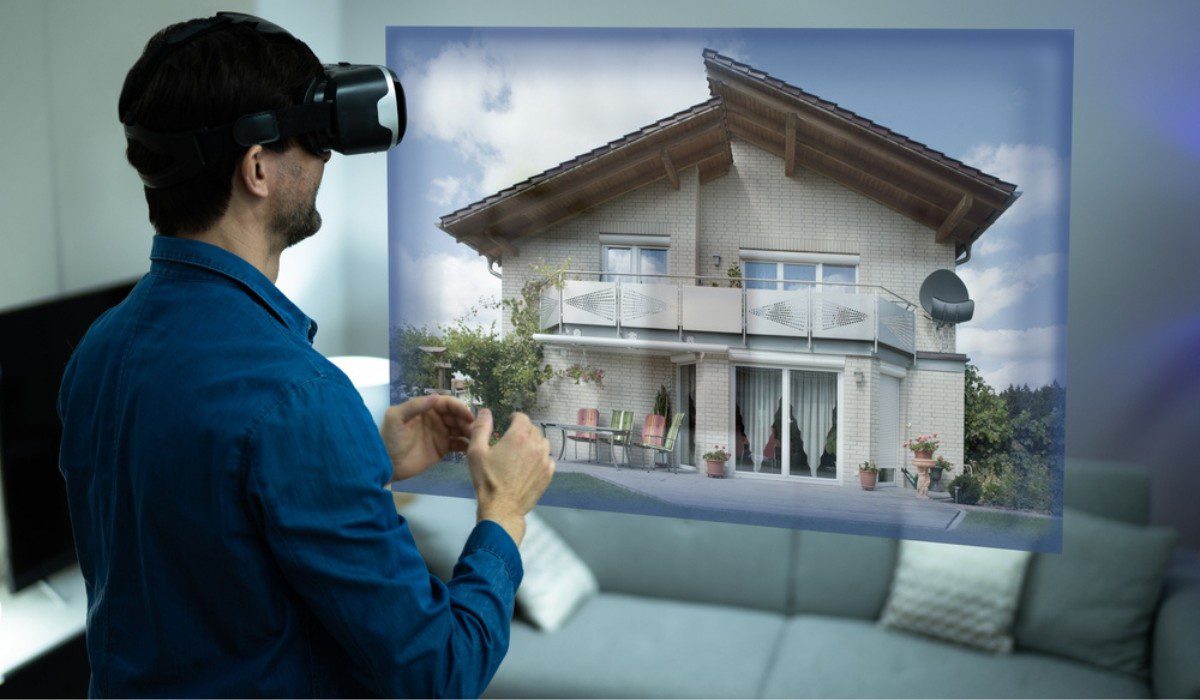
With the rise of immersive technologies like virtual reality (VR) and augmented reality (AR), along with the proliferation of blockchain technology, the metaverse is becoming more tangible. One of the most significant aspects of this new virtual universe is virtual real estate — a space that replicates physical property ownership in a digital environment.
1.2 Virtual Real Estate and NFTs: A Perfect Match
Non-fungible tokens (NFTs) have become the standard for proving ownership and authenticity in the digital world. An NFT is a unique digital asset stored on a blockchain, and it can represent anything from art and music to in-game items and, crucially, real estate. In the metaverse, NFTs have been used to represent parcels of virtual land, each uniquely identified and tracked on the blockchain, allowing for true ownership and transferability.
The use of NFTs for virtual real estate enables users to buy, sell, and trade digital property much like physical real estate in the real world. This has introduced a new form of investment and a new avenue for revenue generation for both individual creators and large corporations.
2. Virtual Real Estate Platforms and the Metaverse
2.1 Key Players in the Virtual Real Estate Market
Several major virtual worlds have pioneered the concept of virtual real estate, offering platforms where users can purchase, develop, and monetize digital land. These platforms use blockchain technology to ensure the security, transparency, and traceability of property ownership. Some of the most well-known platforms include:
- Decentraland: A decentralized virtual world where users can buy, sell, and build on parcels of land. Decentraland is powered by the MANA cryptocurrency, and each parcel of land is represented by an NFT, which is tradable on the marketplace.
- The Sandbox: A virtual environment where users can create, own, and trade digital assets, including virtual land, NFTs, and games. The platform’s native token, SAND, is used for transactions within the ecosystem.
- Cryptovoxels: A virtual world built on the Ethereum blockchain where users can buy land, create buildings, and interact with others. Cryptovoxels emphasizes creative freedom and artistic expression.
- Somnium Space: A VR-based metaverse that allows users to buy land, build structures, and interact in an immersive 3D environment. It supports both VR and non-VR interactions.
These platforms represent just a few examples of how virtual real estate is being integrated into the metaverse. They offer users the ability to customize their plots, build structures (such as homes, galleries, and even businesses), and monetize their land by hosting events, creating experiences, or renting spaces to other users.
2.2 The Role of NFTs in Virtual Land Transactions
NFTs have fundamentally changed the way land transactions occur in the digital world. Each piece of virtual real estate is represented by a unique NFT that proves ownership and allows it to be bought, sold, or traded. The NFT metadata includes crucial information such as:
- Land Coordinates: The specific location of the land in the virtual world.
- Ownership History: A record of all previous owners, allowing buyers to verify the authenticity and provenance of the property.
- Land Attributes: Details about the land’s size, zoning, and potential uses.
Using NFTs to represent virtual real estate offers several advantages over traditional methods of online transactions, including:
- Transparency: Blockchain technology ensures that ownership records are immutable and publicly accessible.
- Security: NFTs are securely stored on the blockchain, reducing the risk of fraud or theft.
- Interoperability: NFTs enable virtual properties to be traded across different platforms and marketplaces, enhancing liquidity.

3. Virtual Real Estate as an Investment Opportunity
3.1 The Growth of Virtual Real Estate as an Asset Class
Over the past few years, the virtual real estate market has witnessed tremendous growth. Just like physical real estate, virtual land can appreciate in value over time, creating opportunities for investors. High-profile sales, such as a $2.4 million land sale in Decentraland in 2021, have brought attention to virtual real estate as a legitimate investment opportunity.
Investors in the virtual real estate market are not just purchasing land as a speculative asset but also as a way to engage in the development of digital infrastructure. These virtual spaces can be used for a wide variety of purposes:
- Advertising: Virtual billboards, storefronts, and event spaces can be used to promote brands and products in the metaverse.
- Gaming: Many virtual properties are used for in-game experiences, creating spaces for users to interact with each other, build communities, and participate in virtual economies.
- Experiential Events: Virtual land is often used to host events such as concerts, art exhibitions, or live-streamed experiences.
These diverse use cases are contributing to the growing value of virtual real estate and attracting institutional investors, game developers, and creators alike. Virtual land is becoming not only a tool for innovation but also a profitable venture in its own right.
3.2 Virtual Real Estate as a Tool for Branding and Marketing
Businesses are increasingly looking to establish a presence in the metaverse by purchasing virtual real estate for branding and marketing purposes. By owning and developing virtual land, companies can engage with their audiences in new and innovative ways. Some examples include:
- Virtual Showrooms: Companies in industries like fashion, automotive, and real estate are building digital replicas of their physical stores or creating entirely new virtual experiences to engage customers.
- Immersive Advertising: Brands can advertise in virtual worlds through billboards, sponsored events, and product placements, enhancing brand visibility in the metaverse.
- Collaborations and Sponsorships: Major corporations are partnering with virtual world platforms to create branded experiences or sponsor in-game events.
These opportunities are not only attracting digital-native startups but also traditional enterprises seeking to tap into the rapidly growing virtual market.
4. Challenges and Considerations in Virtual Real Estate
4.1 Environmental and Sustainability Concerns
One of the major criticisms of the metaverse and virtual real estate is the environmental impact associated with blockchain technology, particularly platforms using Proof of Work (PoW) consensus mechanisms like Ethereum. The energy consumption required to mint NFTs and maintain decentralized networks can be substantial, raising concerns about sustainability.
However, solutions are emerging to address these concerns. The shift toward Proof of Stake (PoS) in Ethereum, as well as the rise of energy-efficient blockchains, may help mitigate some of the environmental challenges. Additionally, virtual worlds can serve as a sustainable alternative to traditional physical development, reducing the need for resource-intensive construction and urbanization.
4.2 Speculation and Market Volatility
Like the traditional real estate market, virtual real estate is also subject to speculative behavior. The volatility in NFT prices can be both an opportunity and a risk for investors. While some have seen substantial returns on their virtual land investments, others have faced significant losses due to market fluctuations and sudden price corrections.
Investors in virtual real estate must be prepared for the risks associated with speculative markets and have a clear strategy for long-term engagement. Diversifying investments, understanding the underlying technology, and focusing on valuable, long-term assets can help mitigate risks.
4.3 Legal and Regulatory Framework
As the virtual real estate market grows, it may face increasing scrutiny from regulatory bodies. Issues related to intellectual property, taxation, and data privacy will need to be addressed to ensure that the ownership and trading of virtual assets are secure and legally compliant. Additionally, virtual worlds may need to establish new frameworks for zoning, land usage, and governance in the metaverse.
5. The Future of Virtual Real Estate
5.1 Expanding the Metaverse Ecosystem
The future of virtual real estate lies in the continued expansion of the metaverse. As new virtual worlds emerge and existing platforms evolve, the opportunities for property ownership, development, and monetization will increase. We may see further innovations, such as augmented reality (AR) integration, allowing users to experience virtual land in physical spaces, or cross-platform interoperability, enabling users to move their virtual assets between different metaverse platforms.
5.2 Virtual Real Estate as Part of the Digital Economy
In the long term, virtual real estate will become an integral part of the digital economy. As more individuals and businesses embrace digital spaces for work, entertainment, and social interaction, virtual real estate will play a pivotal role in shaping how society interacts with technology. The convergence of blockchain, NFTs, and the metaverse will continue to create new ways to own, build, and monetize digital assets in a decentralized world.
6. Conclusion
Virtual real estate, powered by NFTs, represents one of the most exciting and rapidly evolving applications in the metaverse. It has opened up new avenues for investment, creativity, and user interaction in a digital world. While there are challenges ahead, the continued development of blockchain technology and virtual worlds promises a vibrant future for digital property ownership. As the lines between the physical and virtual worlds continue to blur, virtual real estate will likely play a central role in shaping the next generation of digital economies.