

































1. Introduction: The Rise of Blockchain in Financial Institutions
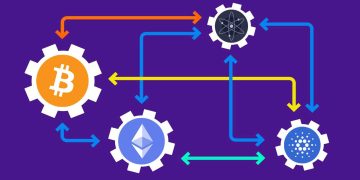
The financial industry, traditionally dominated by centralized systems, is undergoing a massive transformation driven by blockchain technology. Blockchain, a decentralized ledger system, has proven its ability to enhance transparency, reduce costs, and automate processes. While public blockchains like Bitcoin and Ethereum have made significant strides in disrupting the financial sector, enterprise blockchain—which operates in permissioned and private environments—is particularly suited to meet the stringent demands of financial institutions.
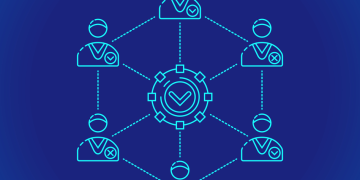
Enterprise blockchain refers to private blockchains built for organizational use, where only authorized participants can access the network. This controlled environment allows financial institutions to enjoy the benefits of blockchain while maintaining control over sensitive data and adhering to regulatory frameworks.
By implementing blockchain across key financial operations—payment systems, asset management, and cross-border payments—banks, investment firms, and insurance companies are setting the stage for more efficient, secure, and transparent processes. This article will examine these areas in detail and explore how blockchain is changing the landscape of financial services.
2. Blockchain in Payment Systems: Enhancing Speed and Security
2.1 Traditional Payment Systems: Challenges and Limitations
The traditional payment systems, such as those operated by banks or payment processors, rely on centralized platforms that require multiple intermediaries to process payments. The key challenges faced by traditional payment systems include:
- Slow Transaction Times: Payments often take several business days to clear, especially in the case of international transfers. This delay is due to the involvement of multiple banks, clearinghouses, and intermediary entities.
- High Transaction Fees: Every intermediary in the payment processing chain adds a fee, resulting in higher transaction costs. These fees are particularly burdensome for small businesses and cross-border transactions.
- Security Risks: Centralized payment systems are vulnerable to fraud and hacking, as large volumes of sensitive financial data are stored in a central location, making it an attractive target for cyberattacks.
2.2 Blockchain’s Solution to Payment System Inefficiencies
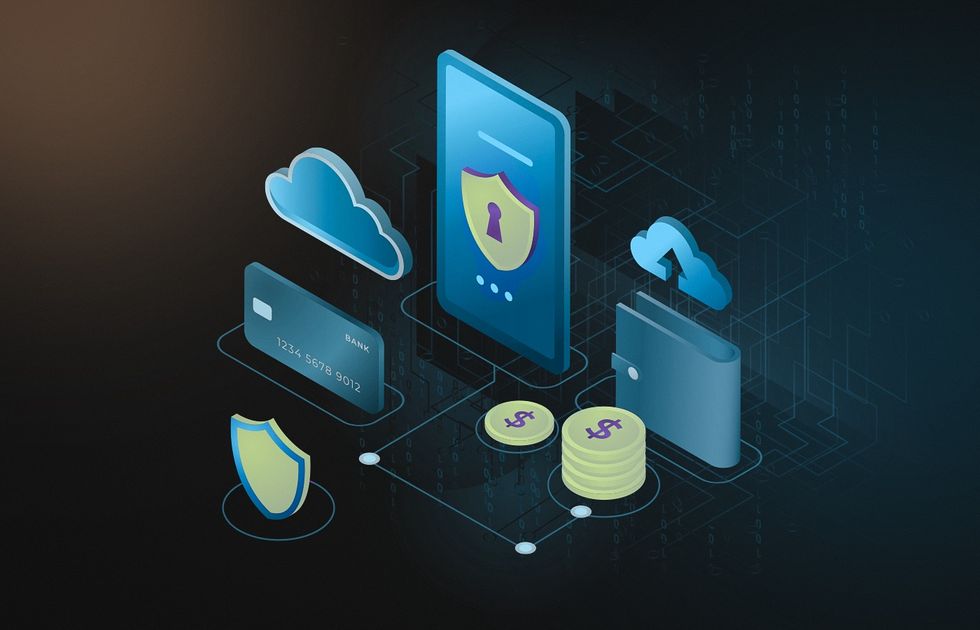
Blockchain technology offers a decentralized solution to these problems. By eliminating intermediaries, blockchain allows for direct peer-to-peer transactions, resulting in faster, cheaper, and more secure payments.
Key Benefits of Blockchain in Payment Systems:
- Faster Transactions: Blockchain-based payment systems can settle transactions within minutes, eliminating the need for multiple days of processing.
- Lower Fees: Blockchain eliminates the need for intermediaries, drastically reducing transaction costs. This is especially beneficial for businesses engaged in international trade, where cross-border fees can be particularly high.
- Enhanced Security: Transactions on the blockchain are encrypted and stored in an immutable ledger, making them highly resistant to fraud, hacking, and data breaches. The decentralized nature of blockchain also removes single points of failure.
- Improved Transparency: Blockchain provides a transparent, tamper-proof record of all transactions, enabling real-time auditing and compliance checks.
Real-World Applications:
- Ripple (XRP): Ripple’s blockchain-based payment platform offers cross-border payment solutions with near-instantaneous settlement and minimal fees.
- JPM Coin: JPMorgan has launched its own cryptocurrency, JPM Coin, designed to facilitate faster and more efficient transactions between its institutional clients. This is a private, permissioned blockchain used for internal settlements within the bank’s ecosystem.
3. Blockchain in Asset Management: Automating and Securing Investment Processes
3.1 Traditional Asset Management: Bottlenecks and Risks
Asset management, the process of managing investments on behalf of clients, has traditionally relied on centralized systems for record-keeping, reporting, and transaction processing. The traditional approach comes with several challenges, including:
- Manual Processes: Many asset management processes, such as portfolio rebalancing, record-keeping, and compliance checks, are manual and require significant time and effort.
- High Operational Costs: The need for multiple intermediaries, such as custodians and auditors, drives up the operational costs of asset management.
- Lack of Transparency: Traditional asset management systems can be opaque, with clients having limited visibility into their portfolios in real time.
3.2 Blockchain’s Impact on Asset Management
Blockchain offers a transformative solution to these challenges by automating processes and providing transparent, real-time data to both asset managers and investors.
Key Benefits of Blockchain in Asset Management:
- Automation and Smart Contracts: Blockchain can automate key processes, such as dividend payouts, tax reporting, and asset transfers, through the use of smart contracts. These self-executing contracts are triggered automatically when predefined conditions are met, reducing manual intervention and operational costs.
- Increased Transparency: Blockchain’s immutable ledger enables real-time tracking of assets, allowing investors and managers to access up-to-date, accurate data. This transparency enhances trust between asset managers and clients.
- Faster Settlements: Blockchain can speed up the settlement process by eliminating the need for third-party clearinghouses. Transactions are recorded instantly on the blockchain, which reduces the time between trade execution and settlement.
- Reduced Costs: By eliminating intermediaries and automating tasks through smart contracts, blockchain reduces administrative and compliance costs, making asset management more efficient.
Real-World Applications:
- Tokenization of Assets: Blockchain enables the tokenization of assets, such as stocks, bonds, or real estate. By converting these assets into digital tokens, they can be traded on blockchain platforms, making investment processes more efficient and accessible.
- BlackRock: The world’s largest asset manager, BlackRock, has explored blockchain technology for improving the efficiency of investment management and trading.
4. Blockchain for Cross-Border Payments: Solving Global Payment Issues
4.1 Cross-Border Payment Challenges
Cross-border payments have long been an area of frustration for businesses and consumers alike. Traditional systems often involve a complex web of intermediary banks and clearinghouses, resulting in several challenges:
- High Transaction Costs: Cross-border transactions typically incur high fees due to the involvement of multiple intermediaries, each taking a cut of the transaction value.
- Slow Processing Times: It can take several days for international payments to be processed, especially in regions with underdeveloped financial infrastructure.
- Currency Exchange Risks: The process of converting currencies during international transfers often exposes businesses and consumers to fluctuating exchange rates and additional costs.
4.2 Blockchain’s Role in Enhancing Cross-Border Payments
Blockchain has the potential to streamline and simplify the cross-border payment process by enabling direct, peer-to-peer transfers. Through the use of cryptocurrencies or stablecoins, cross-border payments can be settled in minutes, with lower fees and greater security.
Key Benefits of Blockchain in Cross-Border Payments:
- Lower Fees: By cutting out the need for intermediaries, blockchain can reduce the transaction costs associated with cross-border payments.
- Faster Settlements: Blockchain-based platforms can settle cross-border payments in minutes or even seconds, eliminating the delays typically associated with traditional payment methods.
- Greater Security: Blockchain’s cryptographic features make it a secure way to handle cross-border transactions, protecting against fraud, chargebacks, and errors.
- Reduced Currency Risk: Through the use of stablecoins or crypto assets pegged to a specific value, blockchain minimizes the volatility risk associated with currency exchange.
Real-World Applications:
- SWIFT GPI (Global Payments Innovation): The SWIFT network, which facilitates the vast majority of international payments, is exploring blockchain technology to enhance the speed and transparency of cross-border payments.
- Stellar and IBM’s World Wire: Stellar’s blockchain platform, in collaboration with IBM, enables real-time, cross-border payments in multiple currencies using a distributed ledger network.
5. Regulatory Considerations and Challenges
Despite the many advantages of enterprise blockchain in finance, its adoption comes with several regulatory challenges:
- Compliance with Financial Regulations: Blockchain must be integrated with existing regulatory frameworks, which can vary significantly across different jurisdictions. This includes ensuring compliance with anti-money laundering (AML) and know your customer (KYC) regulations.
- Data Privacy: Blockchain’s transparency and immutability raise questions about data privacy, particularly in sectors like finance where sensitive information is handled. Ensuring that blockchain systems comply with data protection laws such as GDPR is essential.
- Scalability and Interoperability: Financial institutions must ensure that blockchain systems can handle the high volume of transactions typical in the financial industry. Interoperability with legacy systems and other blockchain platforms also poses a challenge.
6. Conclusion: The Future of Blockchain in Financial Institutions
The potential of enterprise blockchain to transform the financial industry is immense. By streamlining payment systems, enhancing asset management, and simplifying cross-border payments, blockchain is poised to reduce costs, increase transparency, and enhance security in financial transactions. However, the widespread adoption of blockchain in financial institutions will require overcoming regulatory, technical, and operational challenges.
As blockchain technology continues to mature, its impact on the financial sector will become even more pronounced, offering opportunities for innovation and growth across global markets.