
































1. Introduction: The Promise and Perils of Decentralized Finance
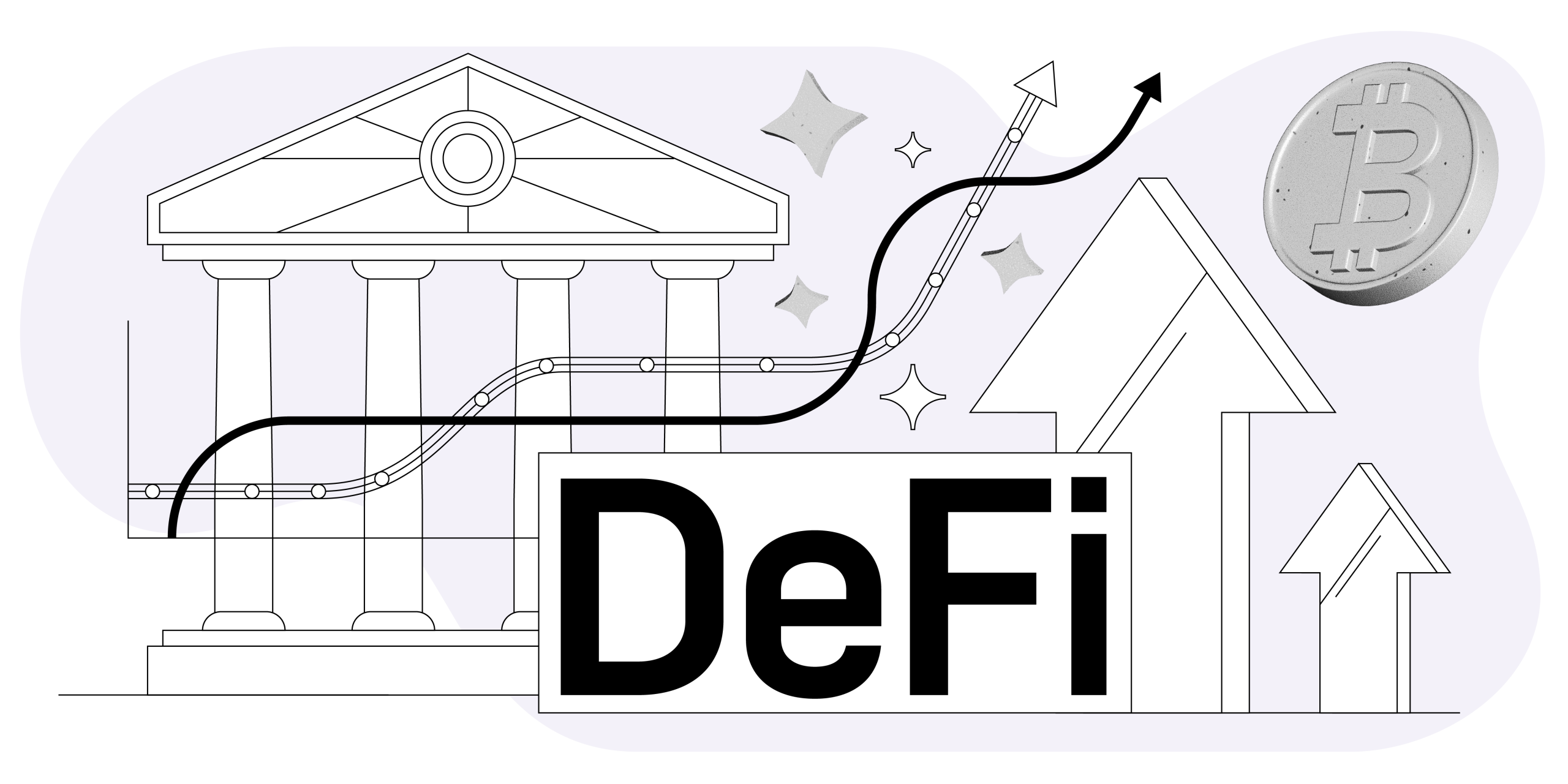
Decentralized Finance (DeFi) refers to a new generation of financial services and products built on blockchain technology, particularly leveraging smart contracts on platforms like Ethereum. Unlike traditional financial systems, which rely on centralized institutions such as banks and exchanges, DeFi platforms offer decentralized, trustless alternatives. The DeFi ecosystem includes a wide range of financial activities such as lending, borrowing, trading, staking, and insurance, all conducted through smart contracts without the need for intermediaries.
The benefits of DeFi are manifold:
- Increased accessibility: Anyone with an internet connection can participate in the global economy, regardless of location or socioeconomic status.
- Improved efficiency: Transactions are processed more quickly and cheaply than in traditional financial systems.
- Greater financial sovereignty: Users maintain full control over their assets, without relying on centralized entities.
However, DeFi also comes with inherent risks, especially when it comes to illicit activities. Fraudulent schemes, such as rug pulls, pump-and-dump scams, and insider trading, have been rampant in the DeFi space. Additionally, money laundering and terrorist financing risks are amplified in a decentralized environment where transactions can occur pseudonymously and cross borders effortlessly.
As a result, there has been a growing international conversation about the need for regulation to ensure that DeFi platforms can thrive while protecting users and maintaining the integrity of financial systems.
2. The Need for Regulatory Oversight in DeFi
2.1 The Lack of Centralized Control and Its Implications
One of the key features of DeFi is its decentralization—no single entity controls or governs the system. While this is seen as an advantage by many, it also presents significant challenges when it comes to enforcing regulations. Traditional financial systems rely on centralized authorities like banks, exchanges, and governments to enforce anti-money laundering (AML) measures, know-your-customer (KYC) protocols, and other compliance requirements. In DeFi, there is no central party to monitor transactions or ensure compliance with these regulations.
DeFi platforms rely on smart contracts that are often open-source and automatically execute predefined conditions. This can make it difficult for regulators to track or intervene in transactions, leading to concerns about the potential for illegal activities to be conducted with minimal oversight. Additionally, the pseudonymous nature of many DeFi platforms means that individuals can interact with the system without revealing their identities, further complicating efforts to enforce anti-money laundering (AML) and counter-terrorist financing (CTF) laws.
2.2 The Case for Regulation: Preventing Fraud and Protecting Users
The DeFi space has seen an alarming number of fraudulent schemes and malicious actors exploiting its lack of regulation. These include:
- Rug pulls: Developers abandon projects after attracting investments, taking the funds with them.
- Phishing attacks: Fraudsters trick users into revealing their private keys or login credentials.
- Unverified or poorly audited smart contracts: Flaws in the smart contract code can be exploited, resulting in significant financial losses.
For example, in 2020 alone, DeFi-related hacks and scams resulted in over $100 million in losses. The rapid rise of flash loan attacks and the manipulation of DeFi protocols have highlighted the need for proper safeguards to protect investors.

3. The Global Regulatory Response to DeFi
As DeFi platforms continue to expand, governments worldwide are becoming more proactive in assessing how to regulate them effectively. Some jurisdictions have already begun to implement legal frameworks designed to prevent fraud, combat money laundering, and protect users, while others are still in the early stages of developing appropriate laws and regulations.
3.1 The United States: The SEC, CFTC, and the Fight Against Fraud
In the U.S., several government agencies have shown an increasing interest in regulating DeFi. The Securities and Exchange Commission (SEC), Commodity Futures Trading Commission (CFTC), and Financial Crimes Enforcement Network (FinCEN) are at the forefront of efforts to ensure that DeFi platforms comply with existing financial regulations.
- Securities and Exchange Commission (SEC): The SEC has taken a cautious but firm approach, emphasizing that many DeFi projects involve security tokens and should comply with U.S. securities laws. The SEC has already taken action against several DeFi projects and ICO issuers (Initial Coin Offerings) for failing to register their tokens with the agency.
- Commodity Futures Trading Commission (CFTC): The CFTC has shown interest in regulating derivatives trading on DeFi platforms. The agency believes that some DeFi platforms could be considered commodity trading venues and should therefore be subject to CFTC rules.
- Financial Crimes Enforcement Network (FinCEN): FinCEN has focused on ensuring that DeFi platforms comply with anti-money laundering (AML) and counter-terrorism financing (CTF) requirements. In 2021, FinCEN proposed new regulations that would require crypto wallet providers and exchanges to collect and report customer information in the same way that traditional financial institutions do.
3.2 The European Union: MiCA and AML Directives
In the European Union (EU), the Markets in Crypto-Assets (MiCA) regulation is set to play a major role in shaping the future of DeFi. MiCA aims to provide a unified legal framework for cryptocurrency and DeFi platforms operating within the EU, ensuring that they comply with the region’s laws.
- MiCA Regulation: This regulation will introduce stricter requirements for crypto asset service providers, including licensing, transparency, and consumer protection measures. DeFi platforms that offer services like lending, staking, and token issuance will need to comply with the MiCA framework, which seeks to prevent fraud and enhance financial stability.
- AML and CTF Requirements: The EU’s Anti-Money Laundering (AML) Directive requires DeFi platforms to implement KYC processes and conduct due diligence on customers. This will help to curb illicit activities such as money laundering and terrorist financing.
3.3 Asia: China’s Crackdown and Japan’s Progressive Stance
Asia presents a diverse range of regulatory approaches to DeFi. While China has taken an aggressive stance against cryptocurrency trading and DeFi, Japan has adopted a more balanced approach.
- China: In 2021, China banned all cryptocurrency trading and cracked down on DeFi platforms. This was part of the country’s broader effort to regulate the crypto space and curb the risks associated with decentralized platforms. China’s Central Bank Digital Currency (CBDC), the digital yuan, has also raised concerns about the impact of DeFi on the state-controlled financial system.
- Japan: Japan is home to one of the most progressive and crypto-friendly regulatory environments in the world. The country has established a comprehensive regulatory framework for cryptocurrency exchanges and DeFi platforms, which includes the requirement for licenses and AML/KYC compliance. Japan’s regulatory approach focuses on fostering innovation while ensuring that DeFi platforms operate within a secure and transparent framework.
4. Balancing Innovation and Regulation in DeFi
As governments and regulators continue to navigate the evolving DeFi landscape, it is critical to find a balance between encouraging innovation and safeguarding against fraud and illegal activities.
4.1 The Role of Blockchain Technology in Ensuring Transparency
One of the most promising aspects of DeFi is the transparency enabled by blockchain technology. Since all transactions on a blockchain are publicly verifiable, it is easier for regulators to track the flow of funds and detect suspicious activities. Some DeFi projects are also integrating on-chain compliance tools, which can automatically enforce KYC and AML processes, reducing the reliance on centralized entities.
4.2 Self-Regulation and Industry Collaboration
In addition to government regulation, some DeFi platforms are embracing self-regulation and industry collaboration. Leading DeFi projects and blockchain associations are pushing for best practices in security, transparency, and compliance. Audits of smart contracts, insurance mechanisms to protect investors, and transparency reports are some of the tools that can help address fraud and build trust with users.
5. Conclusion: The Future of DeFi Regulation
The DeFi ecosystem is evolving rapidly, and governments and regulatory bodies are recognizing the need to create frameworks that support innovation while addressing the risks of fraud, money laundering, and other illicit activities. As DeFi continues to grow in scale and complexity, global efforts to regulate the space will need to balance the goals of consumer protection, financial stability, and innovation.
As regulators develop more robust frameworks, it will be essential for the DeFi community to continue its efforts toward self-regulation, transparency, and collaboration with authorities. By doing so, DeFi can mature into a sustainable and secure alternative to traditional finance, providing the benefits of decentralization while minimizing the risks that accompany its innovation.