


































BlockChainIndex.net
  • Home
  • Chain Core
    Cross-Chain Compatibility: Addressing the Challenges and Solutions

    Cross-Chain Compatibility: Addressing the Challenges and Solutions

    The Security Issues of Consensus Mechanisms: An Ongoing Debate

    The Security Issues of Consensus Mechanisms: An Ongoing Debate

    The Lightning Network: The Most Famous Layer 2 Solution on Bitcoin

    The Lightning Network: The Most Famous Layer 2 Solution on Bitcoin

    Consensus Mechanisms of Layer 1 and Layer 2: The Backbone of Blockchain Scalability

    Consensus Mechanisms of Layer 1 and Layer 2: The Backbone of Blockchain Scalability

    Proof of Stake vs Proof of Work

    Proof of Stake vs Proof of Work

    Multi-Consensus Algorithms: Evolving the Future of Blockchain Technology

    Multi-Consensus Algorithms: Evolving the Future of Blockchain Technology

  • Crypto Markets
    Sustainable Yield: Unlocking the Potential for Long-Term Financial Growth

    Sustainable Yield: Unlocking the Potential for Long-Term Financial Growth

    Market Sentiment and Macroeconomic Factors: Interactions and Impacts

    Market Sentiment and Macroeconomic Factors: Interactions and Impacts

    Leveraging On-Chain Data for Real-Time Market Analysis and Intelligence for Investors

    Leveraging On-Chain Data for Real-Time Market Analysis and Intelligence for Investors

    The Stock-to-Flow Model: Analyzing Bitcoin’s Scarcity and Price Predictions

    The Stock-to-Flow Model: Analyzing Bitcoin’s Scarcity and Price Predictions

    Bitcoin Price Volatility and Its Impact on the Entire Market Trend

    Bitcoin Price Volatility and Its Impact on the Entire Market Trend

    The Shifting Dominance of Bitcoin in the Cryptocurrency Market: A Key Indicator for Market Analysis

    The Shifting Dominance of Bitcoin in the Cryptocurrency Market: A Key Indicator for Market Analysis

  • Enterprise Chain
    Electronic Health Records (EHR): Transforming Healthcare for the Future

    Electronic Health Records (EHR): Transforming Healthcare for the Future

    The Integration of Supply Chains and the Internet of Things (IoT)

    The Integration of Supply Chains and the Internet of Things (IoT)

    Supply Chain Financing and Payments

    Supply Chain Financing and Payments

    Optimizing Supply Chain Protocols with Smart Contracts

    Optimizing Supply Chain Protocols with Smart Contracts

    Walmart and IBM’s Food Safety Blockchain Collaboration: Using Blockchain Technology to Track Food Sources and Movement

    Walmart and IBM’s Food Safety Blockchain Collaboration: Using Blockchain Technology to Track Food Sources and Movement

    Global Food Traceability: Ensuring Safety, Transparency, and Sustainability in the Food Supply Chain

    Global Food Traceability: Ensuring Safety, Transparency, and Sustainability in the Food Supply Chain

  • NFT Frontier
    Environmental Concerns in the NFT Industry: Balancing Innovation with Sustainability

    Environmental Concerns in the NFT Industry: Balancing Innovation with Sustainability

    NFT Copyright and Intellectual Property Issues

    NFT Copyright and Intellectual Property Issues

    Decentralization of the Art Market: A New Era of Digital Ownership

    Decentralization of the Art Market: A New Era of Digital Ownership

    NFTs Disrupting the Traditional Art Market

    NFTs Disrupting the Traditional Art Market

    The Explosion of Digital Art and the NFT Market: Revolutionizing the Art World

    The Explosion of Digital Art and the NFT Market: Revolutionizing the Art World

    Emerging Trends in Digital Collectibles: The Future of Ownership in the Digital Age

    Emerging Trends in Digital Collectibles: The Future of Ownership in the Digital Age

  • On-Chain Lens
    Balancing Privacy and Security: A Critical Exploration in the Digital Age

    Balancing Privacy and Security: A Critical Exploration in the Digital Age

    Despite Blockchain Transactions Being Public and Transparent, the Anonymity of Wallets Remains a Challenge

    Despite Blockchain Transactions Being Public and Transparent, the Anonymity of Wallets Remains a Challenge

    Wallet and Smart Contract Interaction: Key Analysis Objects of On-Chain Lens Technology

    Wallet and Smart Contract Interaction: Key Analysis Objects of On-Chain Lens Technology

    On-Chain Lens: Analyzing the Flow of Funds Between Wallets Using Blockchain’s Public Ledger

    On-Chain Lens: Analyzing the Flow of Funds Between Wallets Using Blockchain’s Public Ledger

    Tracking and Analyzing Capital Flows: A Comprehensive Guide to Understanding Financial Movements

    Tracking and Analyzing Capital Flows: A Comprehensive Guide to Understanding Financial Movements

    Wallet Behavior Analysis: The Core of On-Chain Lens Technology

    Wallet Behavior Analysis: The Core of On-Chain Lens Technology

  • Reg Radar
    Building Compliance Frameworks: The Increasing Importance for Crypto Companies in Addressing Regulatory Challenges

    Building Compliance Frameworks: The Increasing Importance for Crypto Companies in Addressing Regulatory Challenges

    Global Consistency and Diversity: Navigating the Balance in a Connected World

    Global Consistency and Diversity: Navigating the Balance in a Connected World

    The European Union’s MiCA Regulation: A New Era for Crypto-Asset Regulation

    The European Union’s MiCA Regulation: A New Era for Crypto-Asset Regulation

    The Evolving Regulatory Landscape: Challenges and Opportunities for Crypto Businesses

    The Evolving Regulatory Landscape: Challenges and Opportunities for Crypto Businesses

    The Evolving Regulatory Frameworks Across Global Regions: Progress and Adjustments in the Face of Emerging Challenges

    The Evolving Regulatory Frameworks Across Global Regions: Progress and Adjustments in the Face of Emerging Challenges

    The U.S. SEC: One of the Most Important Regulatory Bodies for the Crypto Market

    The U.S. SEC: One of the Most Important Regulatory Bodies for the Crypto Market

BlockChainIndex.net
  • Home
  • Chain Core
    Cross-Chain Compatibility: Addressing the Challenges and Solutions

    Cross-Chain Compatibility: Addressing the Challenges and Solutions

    The Security Issues of Consensus Mechanisms: An Ongoing Debate

    The Security Issues of Consensus Mechanisms: An Ongoing Debate

    The Lightning Network: The Most Famous Layer 2 Solution on Bitcoin

    The Lightning Network: The Most Famous Layer 2 Solution on Bitcoin

    Consensus Mechanisms of Layer 1 and Layer 2: The Backbone of Blockchain Scalability

    Consensus Mechanisms of Layer 1 and Layer 2: The Backbone of Blockchain Scalability

    Proof of Stake vs Proof of Work

    Proof of Stake vs Proof of Work

    Multi-Consensus Algorithms: Evolving the Future of Blockchain Technology

    Multi-Consensus Algorithms: Evolving the Future of Blockchain Technology

  • Crypto Markets
    Sustainable Yield: Unlocking the Potential for Long-Term Financial Growth

    Sustainable Yield: Unlocking the Potential for Long-Term Financial Growth

    Market Sentiment and Macroeconomic Factors: Interactions and Impacts

    Market Sentiment and Macroeconomic Factors: Interactions and Impacts

    Leveraging On-Chain Data for Real-Time Market Analysis and Intelligence for Investors

    Leveraging On-Chain Data for Real-Time Market Analysis and Intelligence for Investors

    The Stock-to-Flow Model: Analyzing Bitcoin’s Scarcity and Price Predictions

    The Stock-to-Flow Model: Analyzing Bitcoin’s Scarcity and Price Predictions

    Bitcoin Price Volatility and Its Impact on the Entire Market Trend

    Bitcoin Price Volatility and Its Impact on the Entire Market Trend

    The Shifting Dominance of Bitcoin in the Cryptocurrency Market: A Key Indicator for Market Analysis

    The Shifting Dominance of Bitcoin in the Cryptocurrency Market: A Key Indicator for Market Analysis

  • Enterprise Chain
    Electronic Health Records (EHR): Transforming Healthcare for the Future

    Electronic Health Records (EHR): Transforming Healthcare for the Future

    The Integration of Supply Chains and the Internet of Things (IoT)

    The Integration of Supply Chains and the Internet of Things (IoT)

    Supply Chain Financing and Payments

    Supply Chain Financing and Payments

    Optimizing Supply Chain Protocols with Smart Contracts

    Optimizing Supply Chain Protocols with Smart Contracts

    Walmart and IBM’s Food Safety Blockchain Collaboration: Using Blockchain Technology to Track Food Sources and Movement

    Walmart and IBM’s Food Safety Blockchain Collaboration: Using Blockchain Technology to Track Food Sources and Movement

    Global Food Traceability: Ensuring Safety, Transparency, and Sustainability in the Food Supply Chain

    Global Food Traceability: Ensuring Safety, Transparency, and Sustainability in the Food Supply Chain

  • NFT Frontier
    Environmental Concerns in the NFT Industry: Balancing Innovation with Sustainability

    Environmental Concerns in the NFT Industry: Balancing Innovation with Sustainability

    NFT Copyright and Intellectual Property Issues

    NFT Copyright and Intellectual Property Issues

    Decentralization of the Art Market: A New Era of Digital Ownership

    Decentralization of the Art Market: A New Era of Digital Ownership

    NFTs Disrupting the Traditional Art Market

    NFTs Disrupting the Traditional Art Market

    The Explosion of Digital Art and the NFT Market: Revolutionizing the Art World

    The Explosion of Digital Art and the NFT Market: Revolutionizing the Art World

    Emerging Trends in Digital Collectibles: The Future of Ownership in the Digital Age

    Emerging Trends in Digital Collectibles: The Future of Ownership in the Digital Age

  • On-Chain Lens
    Balancing Privacy and Security: A Critical Exploration in the Digital Age

    Balancing Privacy and Security: A Critical Exploration in the Digital Age

    Despite Blockchain Transactions Being Public and Transparent, the Anonymity of Wallets Remains a Challenge

    Despite Blockchain Transactions Being Public and Transparent, the Anonymity of Wallets Remains a Challenge

    Wallet and Smart Contract Interaction: Key Analysis Objects of On-Chain Lens Technology

    Wallet and Smart Contract Interaction: Key Analysis Objects of On-Chain Lens Technology

    On-Chain Lens: Analyzing the Flow of Funds Between Wallets Using Blockchain’s Public Ledger

    On-Chain Lens: Analyzing the Flow of Funds Between Wallets Using Blockchain’s Public Ledger

    Tracking and Analyzing Capital Flows: A Comprehensive Guide to Understanding Financial Movements

    Tracking and Analyzing Capital Flows: A Comprehensive Guide to Understanding Financial Movements

    Wallet Behavior Analysis: The Core of On-Chain Lens Technology

    Wallet Behavior Analysis: The Core of On-Chain Lens Technology

  • Reg Radar
    Building Compliance Frameworks: The Increasing Importance for Crypto Companies in Addressing Regulatory Challenges

    Building Compliance Frameworks: The Increasing Importance for Crypto Companies in Addressing Regulatory Challenges

    Global Consistency and Diversity: Navigating the Balance in a Connected World

    Global Consistency and Diversity: Navigating the Balance in a Connected World

    The European Union’s MiCA Regulation: A New Era for Crypto-Asset Regulation

    The European Union’s MiCA Regulation: A New Era for Crypto-Asset Regulation

    The Evolving Regulatory Landscape: Challenges and Opportunities for Crypto Businesses

    The Evolving Regulatory Landscape: Challenges and Opportunities for Crypto Businesses

    The Evolving Regulatory Frameworks Across Global Regions: Progress and Adjustments in the Face of Emerging Challenges

    The Evolving Regulatory Frameworks Across Global Regions: Progress and Adjustments in the Face of Emerging Challenges

    The U.S. SEC: One of the Most Important Regulatory Bodies for the Crypto Market

    The U.S. SEC: One of the Most Important Regulatory Bodies for the Crypto Market

BlockChainIndex.net
No Result
View All Result
Home Chain Core

The Performance Bottleneck of Traditional Consensus Algorithms as Blockchain Networks Expand

October 21, 2025
in Chain Core
The Performance Bottleneck of Traditional Consensus Algorithms as Blockchain Networks Expand

1. Introduction: The Rapid Growth of Blockchain Networks

Blockchain technology has revolutionized the way digital transactions are conducted by providing a secure, transparent, and decentralized mechanism for data management. Initially popularized by cryptocurrencies like Bitcoin, blockchain has found applications across a wide range of sectors, including finance, supply chain management, healthcare, and more. As the adoption of blockchain networks grows, so too does the need for scalability and performance improvement.

The core of blockchain’s decentralized nature is its consensus algorithm—the process by which all participants in the network agree on the validity of transactions. However, as the size and complexity of blockchain networks increase, the traditional consensus algorithms that have been successful in smaller-scale applications start to face significant challenges. These challenges include slower transaction processing times, higher energy consumption, and limited ability to handle large volumes of transactions.

In this article, we will analyze the performance bottlenecks associated with traditional consensus algorithms and explore how the industry is attempting to solve these issues to unlock the full potential of blockchain technology.


2. Understanding Consensus Algorithms in Blockchain

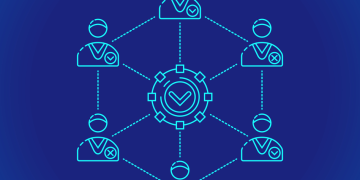
At its core, a consensus algorithm in a blockchain network is a protocol that ensures that all participants (nodes) agree on the state of the ledger. The decentralized nature of blockchain means that no single entity has control over the system, so consensus algorithms are essential for maintaining the integrity of the network and preventing fraudulent activities.

There are several types of consensus algorithms, but the most widely used are:

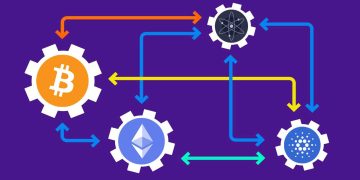
  • Proof of Work (PoW): Used by Bitcoin and other early blockchain networks, PoW requires participants (miners) to solve complex mathematical puzzles in order to validate transactions and add them to the blockchain.
  • Proof of Stake (PoS): Used by networks like Ethereum (after its transition from PoW), PoS relies on validators who are chosen to create new blocks based on the amount of cryptocurrency they hold and are willing to “stake” as collateral.
  • Delegated Proof of Stake (DPoS): A variation of PoS, where a smaller group of trusted delegates are selected to validate transactions on behalf of the entire network.
  • Practical Byzantine Fault Tolerance (PBFT): An algorithm that focuses on ensuring that a consensus is reached despite failures or malicious actors in the network.

Each of these consensus mechanisms has its own advantages and disadvantages, but all face scalability challenges as the blockchain network grows. Let’s examine some of these limitations in more detail.


3. Performance Bottlenecks of Traditional Consensus Algorithms

As blockchain networks scale, the limitations of traditional consensus algorithms become more apparent. Some of the key performance bottlenecks include:

3.1 Throughput and Latency

One of the most noticeable limitations of traditional consensus algorithms is their inability to process a high volume of transactions efficiently. The decentralized nature of blockchain requires that every transaction be validated by a large number of nodes, which can create significant delays and limit the throughput of the network.

For instance, Bitcoin’s PoW algorithm can process only around 7 transactions per second (TPS), while Ethereum, under PoW, handles approximately 30 TPS. In contrast, traditional centralized payment systems like Visa can process over 24,000 TPS. This stark difference highlights the scalability issue faced by blockchain networks as they attempt to handle more transactions.

As blockchain adoption grows, the demand for higher throughput and lower latency will become more pronounced. The inability of traditional consensus algorithms to meet these demands could hinder the widespread adoption of blockchain technology for applications that require high transaction speeds, such as real-time financial transactions or supply chain tracking.

3.2 Energy Consumption

Another significant drawback of traditional consensus algorithms, particularly PoW, is their high energy consumption. Mining operations in PoW-based networks require substantial computational resources to solve cryptographic puzzles. As the network grows, the computational difficulty increases, leading to an exponential rise in energy usage.

Bitcoin’s energy consumption, for example, has been a topic of much debate. It is estimated that Bitcoin mining consumes more electricity than entire countries, such as Argentina or the Netherlands. This not only raises concerns about the environmental impact of blockchain technology but also about the sustainability of PoW-based networks in the long term.

3.3 Security Risks and Centralization

While PoW and PoS are designed to maintain decentralization, the increasing size and complexity of blockchain networks can introduce security risks and potential centralization. In PoW, the need for powerful mining hardware has led to the concentration of mining power in a few large mining pools, diminishing the decentralized nature of the network. Similarly, PoS-based systems can experience centralization, as those with larger stakes in the network have more influence over the consensus process.

As blockchain networks scale, it becomes increasingly difficult to maintain a truly decentralized network, which could undermine the security and trustworthiness of the system. Ensuring that the network remains resistant to centralization and attacks is one of the key challenges for the future of blockchain.

3.4 Network Congestion and High Transaction Fees

As blockchain networks expand, the volume of transactions increases, leading to network congestion. In PoW systems, congestion results in slower block times and higher transaction fees. In PoS and DPoS systems, congestion can cause delays in block production and validation.

For example, during times of high demand, Bitcoin’s transaction fees can spike dramatically, making microtransactions impractical. Ethereum also experiences similar issues during periods of high network usage, leading to slower confirmation times and higher gas fees.


4. Solutions to Overcome Consensus Algorithm Bottlenecks

The blockchain industry is actively exploring various solutions to address the performance bottlenecks of traditional consensus algorithms. These solutions can be broadly categorized into improvements to existing consensus mechanisms and the development of entirely new consensus models.

4.1 Layer 2 Solutions

Layer 2 scaling solutions, such as the Lightning Network for Bitcoin and Optimistic Rollups for Ethereum, aim to improve transaction throughput by moving some operations off the main blockchain (Layer 1). These solutions rely on off-chain channels or sidechains to handle transactions more efficiently, only recording the final state on the main chain. By doing so, they alleviate congestion and reduce transaction fees.

While Layer 2 solutions are still in the early stages of development, they hold significant promise for improving the scalability of blockchain networks without requiring fundamental changes to the underlying consensus algorithms.

4.2 Sharding

Sharding is a technique that involves splitting the blockchain into smaller, more manageable pieces (shards), each of which can process transactions independently. Sharding helps improve scalability by allowing the network to process multiple transactions in parallel, rather than requiring all nodes to validate every transaction. This approach has been adopted by several next-generation blockchain platforms, including Ethereum 2.0.

Sharding addresses the issue of network congestion and high fees by distributing the transaction load across multiple shards. However, implementing sharding requires careful design to ensure that security and decentralization are maintained, as each shard could potentially become a target for attack.

4.3 Hybrid Consensus Mechanisms

Some blockchain networks are experimenting with hybrid consensus models that combine elements of both PoW and PoS. For instance, Cardano uses a PoS-based consensus mechanism called Ouroboros, which is designed to be more energy-efficient than PoW while maintaining high security and decentralization. Other projects are exploring combinations of PBFT and PoS to reduce the risk of centralization and improve transaction throughput.

Hybrid consensus mechanisms are an attractive option because they seek to balance the trade-offs between security, decentralization, and scalability.

4.4 Post-Quantum Cryptography and New Consensus Algorithms

Looking to the future, the rise of quantum computing presents another challenge to traditional consensus algorithms. Quantum computers have the potential to break the cryptographic techniques that secure blockchain networks. As a result, researchers are exploring post-quantum cryptography and new consensus mechanisms that are resistant to quantum attacks.

Some promising alternatives include Proof of Authority (PoA), Proof of Elapsed Time (PoET), and various Byzantine Fault Tolerance (BFT) models, which offer improved scalability and security in different network contexts.


5. Conclusion

The rapid expansion of blockchain networks has brought to light the performance bottlenecks inherent in traditional consensus algorithms. These challenges include limited throughput, high energy consumption, and issues related to centralization and security. However, the blockchain community is actively working to address these issues through a combination of Layer 2 solutions, sharding, hybrid consensus mechanisms, and novel cryptographic approaches.

As the technology continues to evolve, it is likely that new consensus models will emerge that can better accommodate the growing demands of blockchain networks. For blockchain to fulfill its promise as a scalable, secure, and decentralized technology, overcoming these performance bottlenecks is essential.

The future of blockchain lies not only in its ability to scale but also in its ability to maintain its core principles of decentralization, security, and trust.


Tags: BlockchainBlockchain ScalabilityChain core
ShareTweetShare

Related Posts

Cross-Chain Compatibility: Addressing the Challenges and Solutions
Chain Core

Cross-Chain Compatibility: Addressing the Challenges and Solutions

December 1, 2025
The Security Issues of Consensus Mechanisms: An Ongoing Debate
Chain Core

The Security Issues of Consensus Mechanisms: An Ongoing Debate

November 30, 2025
The Lightning Network: The Most Famous Layer 2 Solution on Bitcoin
Chain Core

The Lightning Network: The Most Famous Layer 2 Solution on Bitcoin

November 29, 2025
Consensus Mechanisms of Layer 1 and Layer 2: The Backbone of Blockchain Scalability
Chain Core

Consensus Mechanisms of Layer 1 and Layer 2: The Backbone of Blockchain Scalability

November 28, 2025
Proof of Stake vs Proof of Work
Chain Core

Proof of Stake vs Proof of Work

November 27, 2025
Multi-Consensus Algorithms: Evolving the Future of Blockchain Technology
Chain Core

Multi-Consensus Algorithms: Evolving the Future of Blockchain Technology

November 26, 2025
Leave Comment
  • Trending
  • Comments
  • Latest
Combining Virtual Reality in the Metaverse with NFTs: Creating Richer Digital Experiences and Business Models

Combining Virtual Reality in the Metaverse with NFTs: Creating Richer Digital Experiences and Business Models

October 21, 2025
Leveraging Limited Edition NFT Merchandise to Attract Young Consumers, Enhance Brand Uniqueness, and Build Loyalty

Leveraging Limited Edition NFT Merchandise to Attract Young Consumers, Enhance Brand Uniqueness, and Build Loyalty

October 21, 2025
The Explosive Growth of the NFT Art Market: Scale, Activity, and Future Prospects

The Explosive Growth of the NFT Art Market: Scale, Activity, and Future Prospects

October 21, 2025
Brands and the Future of Commerce: Selling Virtual Goods through NFTs Tied to Physical Products

Brands and the Future of Commerce: Selling Virtual Goods through NFTs Tied to Physical Products

October 21, 2025
The Future Development Trend of Bitcoin

The Future Development Trend of Bitcoin

The Rise of Layer 2 Technology: Scaling Ethereum with Solutions like Optimism and Arbitrum

The Rise of Layer 2 Technology: Scaling Ethereum with Solutions like Optimism and Arbitrum

How Businesses Can Enhance Supply Chain Flexibility and Resilience Through Diversified Sourcing, Localized Production, and Risk Management Frameworks to Face Future Global Crises or Geopolitical Risks

How Businesses Can Enhance Supply Chain Flexibility and Resilience Through Diversified Sourcing, Localized Production, and Risk Management Frameworks to Face Future Global Crises or Geopolitical Risks

The Role of Blockchain in the Metaverse: New Infrastructure for the Virtual World

The Role of Blockchain in the Metaverse: New Infrastructure for the Virtual World

Environmental Concerns in the NFT Industry: Balancing Innovation with Sustainability

Environmental Concerns in the NFT Industry: Balancing Innovation with Sustainability

December 1, 2025
Electronic Health Records (EHR): Transforming Healthcare for the Future

Electronic Health Records (EHR): Transforming Healthcare for the Future

December 1, 2025
Sustainable Yield: Unlocking the Potential for Long-Term Financial Growth

Sustainable Yield: Unlocking the Potential for Long-Term Financial Growth

December 1, 2025
Cross-Chain Compatibility: Addressing the Challenges and Solutions

Cross-Chain Compatibility: Addressing the Challenges and Solutions

December 1, 2025
BlockChainIndex.net

From Layer2 technical deep dives to NFT market forecasting, we curate professional perspectives through on-chain analytics and industry expert collaborations. Stay ahead in blockchain innovation.

© 2025 blockchainindex.com. contacts:[email protected]

No Result
View All Result
  • Home
  • Chain Core
  • Crypto Markets
  • Enterprise Chain
  • NFT Frontier
  • On-Chain Lens
  • Reg Radar

© 2025 blockchainindex.com. contacts:[email protected]

Welcome Back!

Login to your account below

Forgotten Password?

Retrieve your password

Please enter your username or email address to reset your password.

Log In