





























BlockChainIndex.net
  • Home
  • Chain Core
    Cross-Chain Compatibility: Addressing the Challenges and Solutions

    Cross-Chain Compatibility: Addressing the Challenges and Solutions

    The Security Issues of Consensus Mechanisms: An Ongoing Debate

    The Security Issues of Consensus Mechanisms: An Ongoing Debate

    The Lightning Network: The Most Famous Layer 2 Solution on Bitcoin

    The Lightning Network: The Most Famous Layer 2 Solution on Bitcoin

    Consensus Mechanisms of Layer 1 and Layer 2: The Backbone of Blockchain Scalability

    Consensus Mechanisms of Layer 1 and Layer 2: The Backbone of Blockchain Scalability

    Proof of Stake vs Proof of Work

    Proof of Stake vs Proof of Work

    Multi-Consensus Algorithms: Evolving the Future of Blockchain Technology

    Multi-Consensus Algorithms: Evolving the Future of Blockchain Technology

  • Crypto Markets
    Sustainable Yield: Unlocking the Potential for Long-Term Financial Growth

    Sustainable Yield: Unlocking the Potential for Long-Term Financial Growth

    Market Sentiment and Macroeconomic Factors: Interactions and Impacts

    Market Sentiment and Macroeconomic Factors: Interactions and Impacts

    Leveraging On-Chain Data for Real-Time Market Analysis and Intelligence for Investors

    Leveraging On-Chain Data for Real-Time Market Analysis and Intelligence for Investors

    The Stock-to-Flow Model: Analyzing Bitcoin’s Scarcity and Price Predictions

    The Stock-to-Flow Model: Analyzing Bitcoin’s Scarcity and Price Predictions

    Bitcoin Price Volatility and Its Impact on the Entire Market Trend

    Bitcoin Price Volatility and Its Impact on the Entire Market Trend

    The Shifting Dominance of Bitcoin in the Cryptocurrency Market: A Key Indicator for Market Analysis

    The Shifting Dominance of Bitcoin in the Cryptocurrency Market: A Key Indicator for Market Analysis

  • Enterprise Chain
    Electronic Health Records (EHR): Transforming Healthcare for the Future

    Electronic Health Records (EHR): Transforming Healthcare for the Future

    The Integration of Supply Chains and the Internet of Things (IoT)

    The Integration of Supply Chains and the Internet of Things (IoT)

    Supply Chain Financing and Payments

    Supply Chain Financing and Payments

    Optimizing Supply Chain Protocols with Smart Contracts

    Optimizing Supply Chain Protocols with Smart Contracts

    Walmart and IBM’s Food Safety Blockchain Collaboration: Using Blockchain Technology to Track Food Sources and Movement

    Walmart and IBM’s Food Safety Blockchain Collaboration: Using Blockchain Technology to Track Food Sources and Movement

    Global Food Traceability: Ensuring Safety, Transparency, and Sustainability in the Food Supply Chain

    Global Food Traceability: Ensuring Safety, Transparency, and Sustainability in the Food Supply Chain

  • NFT Frontier
    Environmental Concerns in the NFT Industry: Balancing Innovation with Sustainability

    Environmental Concerns in the NFT Industry: Balancing Innovation with Sustainability

    NFT Copyright and Intellectual Property Issues

    NFT Copyright and Intellectual Property Issues

    Decentralization of the Art Market: A New Era of Digital Ownership

    Decentralization of the Art Market: A New Era of Digital Ownership

    NFTs Disrupting the Traditional Art Market

    NFTs Disrupting the Traditional Art Market

    The Explosion of Digital Art and the NFT Market: Revolutionizing the Art World

    The Explosion of Digital Art and the NFT Market: Revolutionizing the Art World

    Emerging Trends in Digital Collectibles: The Future of Ownership in the Digital Age

    Emerging Trends in Digital Collectibles: The Future of Ownership in the Digital Age

  • On-Chain Lens
    Balancing Privacy and Security: A Critical Exploration in the Digital Age

    Balancing Privacy and Security: A Critical Exploration in the Digital Age

    Despite Blockchain Transactions Being Public and Transparent, the Anonymity of Wallets Remains a Challenge

    Despite Blockchain Transactions Being Public and Transparent, the Anonymity of Wallets Remains a Challenge

    Wallet and Smart Contract Interaction: Key Analysis Objects of On-Chain Lens Technology

    Wallet and Smart Contract Interaction: Key Analysis Objects of On-Chain Lens Technology

    On-Chain Lens: Analyzing the Flow of Funds Between Wallets Using Blockchain’s Public Ledger

    On-Chain Lens: Analyzing the Flow of Funds Between Wallets Using Blockchain’s Public Ledger

    Tracking and Analyzing Capital Flows: A Comprehensive Guide to Understanding Financial Movements

    Tracking and Analyzing Capital Flows: A Comprehensive Guide to Understanding Financial Movements

    Wallet Behavior Analysis: The Core of On-Chain Lens Technology

    Wallet Behavior Analysis: The Core of On-Chain Lens Technology

  • Reg Radar
    Building Compliance Frameworks: The Increasing Importance for Crypto Companies in Addressing Regulatory Challenges

    Building Compliance Frameworks: The Increasing Importance for Crypto Companies in Addressing Regulatory Challenges

    Global Consistency and Diversity: Navigating the Balance in a Connected World

    Global Consistency and Diversity: Navigating the Balance in a Connected World

    The European Union’s MiCA Regulation: A New Era for Crypto-Asset Regulation

    The European Union’s MiCA Regulation: A New Era for Crypto-Asset Regulation

    The Evolving Regulatory Landscape: Challenges and Opportunities for Crypto Businesses

    The Evolving Regulatory Landscape: Challenges and Opportunities for Crypto Businesses

    The Evolving Regulatory Frameworks Across Global Regions: Progress and Adjustments in the Face of Emerging Challenges

    The Evolving Regulatory Frameworks Across Global Regions: Progress and Adjustments in the Face of Emerging Challenges

    The U.S. SEC: One of the Most Important Regulatory Bodies for the Crypto Market

    The U.S. SEC: One of the Most Important Regulatory Bodies for the Crypto Market

BlockChainIndex.net
  • Home
  • Chain Core
    Cross-Chain Compatibility: Addressing the Challenges and Solutions

    Cross-Chain Compatibility: Addressing the Challenges and Solutions

    The Security Issues of Consensus Mechanisms: An Ongoing Debate

    The Security Issues of Consensus Mechanisms: An Ongoing Debate

    The Lightning Network: The Most Famous Layer 2 Solution on Bitcoin

    The Lightning Network: The Most Famous Layer 2 Solution on Bitcoin

    Consensus Mechanisms of Layer 1 and Layer 2: The Backbone of Blockchain Scalability

    Consensus Mechanisms of Layer 1 and Layer 2: The Backbone of Blockchain Scalability

    Proof of Stake vs Proof of Work

    Proof of Stake vs Proof of Work

    Multi-Consensus Algorithms: Evolving the Future of Blockchain Technology

    Multi-Consensus Algorithms: Evolving the Future of Blockchain Technology

  • Crypto Markets
    Sustainable Yield: Unlocking the Potential for Long-Term Financial Growth

    Sustainable Yield: Unlocking the Potential for Long-Term Financial Growth

    Market Sentiment and Macroeconomic Factors: Interactions and Impacts

    Market Sentiment and Macroeconomic Factors: Interactions and Impacts

    Leveraging On-Chain Data for Real-Time Market Analysis and Intelligence for Investors

    Leveraging On-Chain Data for Real-Time Market Analysis and Intelligence for Investors

    The Stock-to-Flow Model: Analyzing Bitcoin’s Scarcity and Price Predictions

    The Stock-to-Flow Model: Analyzing Bitcoin’s Scarcity and Price Predictions

    Bitcoin Price Volatility and Its Impact on the Entire Market Trend

    Bitcoin Price Volatility and Its Impact on the Entire Market Trend

    The Shifting Dominance of Bitcoin in the Cryptocurrency Market: A Key Indicator for Market Analysis

    The Shifting Dominance of Bitcoin in the Cryptocurrency Market: A Key Indicator for Market Analysis

  • Enterprise Chain
    Electronic Health Records (EHR): Transforming Healthcare for the Future

    Electronic Health Records (EHR): Transforming Healthcare for the Future

    The Integration of Supply Chains and the Internet of Things (IoT)

    The Integration of Supply Chains and the Internet of Things (IoT)

    Supply Chain Financing and Payments

    Supply Chain Financing and Payments

    Optimizing Supply Chain Protocols with Smart Contracts

    Optimizing Supply Chain Protocols with Smart Contracts

    Walmart and IBM’s Food Safety Blockchain Collaboration: Using Blockchain Technology to Track Food Sources and Movement

    Walmart and IBM’s Food Safety Blockchain Collaboration: Using Blockchain Technology to Track Food Sources and Movement

    Global Food Traceability: Ensuring Safety, Transparency, and Sustainability in the Food Supply Chain

    Global Food Traceability: Ensuring Safety, Transparency, and Sustainability in the Food Supply Chain

  • NFT Frontier
    Environmental Concerns in the NFT Industry: Balancing Innovation with Sustainability

    Environmental Concerns in the NFT Industry: Balancing Innovation with Sustainability

    NFT Copyright and Intellectual Property Issues

    NFT Copyright and Intellectual Property Issues

    Decentralization of the Art Market: A New Era of Digital Ownership

    Decentralization of the Art Market: A New Era of Digital Ownership

    NFTs Disrupting the Traditional Art Market

    NFTs Disrupting the Traditional Art Market

    The Explosion of Digital Art and the NFT Market: Revolutionizing the Art World

    The Explosion of Digital Art and the NFT Market: Revolutionizing the Art World

    Emerging Trends in Digital Collectibles: The Future of Ownership in the Digital Age

    Emerging Trends in Digital Collectibles: The Future of Ownership in the Digital Age

  • On-Chain Lens
    Balancing Privacy and Security: A Critical Exploration in the Digital Age

    Balancing Privacy and Security: A Critical Exploration in the Digital Age

    Despite Blockchain Transactions Being Public and Transparent, the Anonymity of Wallets Remains a Challenge

    Despite Blockchain Transactions Being Public and Transparent, the Anonymity of Wallets Remains a Challenge

    Wallet and Smart Contract Interaction: Key Analysis Objects of On-Chain Lens Technology

    Wallet and Smart Contract Interaction: Key Analysis Objects of On-Chain Lens Technology

    On-Chain Lens: Analyzing the Flow of Funds Between Wallets Using Blockchain’s Public Ledger

    On-Chain Lens: Analyzing the Flow of Funds Between Wallets Using Blockchain’s Public Ledger

    Tracking and Analyzing Capital Flows: A Comprehensive Guide to Understanding Financial Movements

    Tracking and Analyzing Capital Flows: A Comprehensive Guide to Understanding Financial Movements

    Wallet Behavior Analysis: The Core of On-Chain Lens Technology

    Wallet Behavior Analysis: The Core of On-Chain Lens Technology

  • Reg Radar
    Building Compliance Frameworks: The Increasing Importance for Crypto Companies in Addressing Regulatory Challenges

    Building Compliance Frameworks: The Increasing Importance for Crypto Companies in Addressing Regulatory Challenges

    Global Consistency and Diversity: Navigating the Balance in a Connected World

    Global Consistency and Diversity: Navigating the Balance in a Connected World

    The European Union’s MiCA Regulation: A New Era for Crypto-Asset Regulation

    The European Union’s MiCA Regulation: A New Era for Crypto-Asset Regulation

    The Evolving Regulatory Landscape: Challenges and Opportunities for Crypto Businesses

    The Evolving Regulatory Landscape: Challenges and Opportunities for Crypto Businesses

    The Evolving Regulatory Frameworks Across Global Regions: Progress and Adjustments in the Face of Emerging Challenges

    The Evolving Regulatory Frameworks Across Global Regions: Progress and Adjustments in the Face of Emerging Challenges

    The U.S. SEC: One of the Most Important Regulatory Bodies for the Crypto Market

    The U.S. SEC: One of the Most Important Regulatory Bodies for the Crypto Market

BlockChainIndex.net
No Result
View All Result
Home Crypto Markets

Decentralized Finance (DeFi): A Revolutionary Force in the Crypto Market

September 22, 2025
in Crypto Markets
Decentralized Finance (DeFi): A Revolutionary Force in the Crypto Market

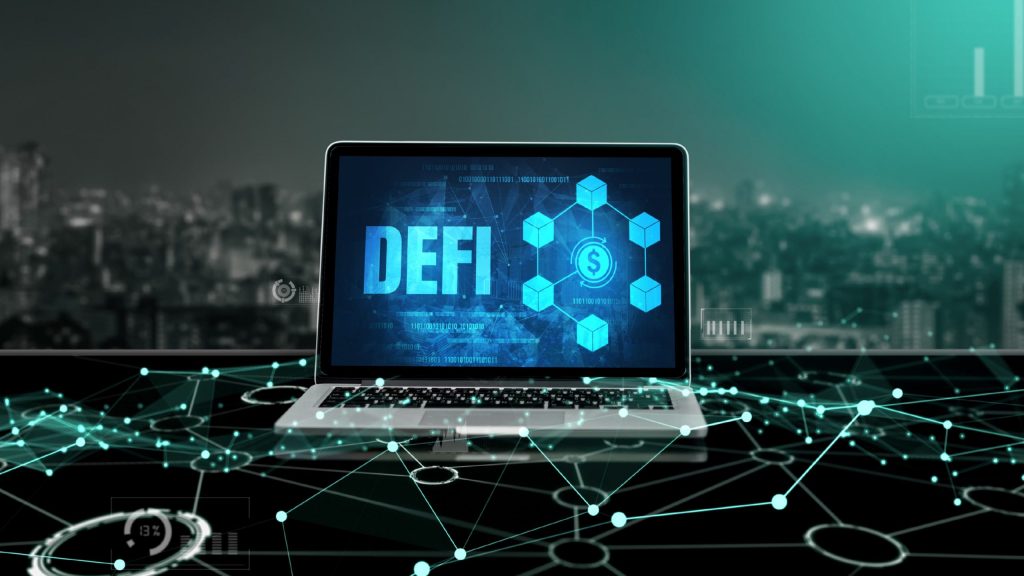
The rise of Decentralized Finance (DeFi) represents one of the most significant shifts in the financial ecosystem in the 21st century. Built on the principles of decentralization, transparency, and open-source technology, DeFi leverages blockchain and smart contract technologies to create financial systems without intermediaries like banks or traditional financial institutions.

Since its inception, DeFi has rapidly expanded, revolutionizing the way financial services are provided. From lending and borrowing platforms to decentralized exchanges (DEX), DeFi has proven to be a game-changer, not only in the cryptocurrency space but in the entire financial sector.

This article explores the evolution of DeFi, its key components, its revolutionary impact on traditional finance, the challenges it faces, and the future outlook of this disruptive technology.


1. The Birth of DeFi: A New Era in Finance

1.1 What is DeFi?

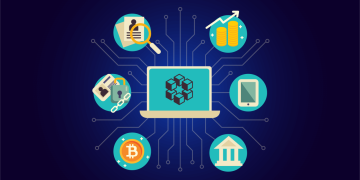
Decentralized Finance (DeFi) refers to a suite of financial services that are built on blockchain technology and operate without traditional intermediaries, such as banks, credit institutions, or brokers. It encompasses a broad spectrum of financial services including lending, borrowing, trading, insurance, asset management, and more.

DeFi applications are typically built on public blockchains, most notably Ethereum, although other blockchain platforms like Binance Smart Chain (BSC), Solana, and Polkadot have also started hosting DeFi projects. By leveraging smart contracts, DeFi protocols automate and enforce transactions, eliminating the need for centralized control and intermediaries.

1.2 The Origin of DeFi

The roots of DeFi can be traced back to the creation of Bitcoin in 2009, which laid the groundwork for digital, peer-to-peer currency systems. However, it wasn’t until Ethereum was launched in 2015 by Vitalik Buterin and others that DeFi truly began to take shape. Ethereum introduced the concept of smart contracts, allowing for the development of decentralized applications (dApps) that could run on the blockchain and automate transactions without the need for intermediaries.

By 2017, the first wave of DeFi projects emerged, including decentralized exchanges (DEXs) like Uniswap and lending platforms like MakerDAO. These platforms allowed users to exchange digital assets, borrow or lend money, and engage in decentralized governance. However, it was in 2020 — during the DeFi summer — that the sector truly exploded, with billions of dollars in total value locked (TVL) into DeFi protocols.


2. Key Components of DeFi

DeFi encompasses a wide range of services and protocols, each designed to replicate traditional financial services using decentralized technologies. The core components of DeFi include:

2.1 Decentralized Exchanges (DEXs)

One of the earliest and most impactful DeFi innovations, DEXs are platforms that allow users to trade digital assets directly, without needing a central authority to match orders. Examples of popular DEXs include Uniswap, SushiSwap, and PancakeSwap.

These platforms typically use automated market makers (AMMs), which provide liquidity through smart contracts rather than relying on order books. By removing centralized control, DEXs offer greater transparency, security, and accessibility.

Key Features of DEXs:

  • Permissionless trading: Anyone with an internet connection can trade.
  • Liquidity Pools: Users provide liquidity to trading pairs and earn fees.
  • Non-custodial: Users maintain control of their funds throughout the transaction process.

2.2 Lending and Borrowing Platforms

Lending and borrowing platforms allow users to lend their assets in exchange for interest or borrow assets by providing collateral. The MakerDAO protocol and Compound are two notable examples that enable decentralized lending.

These platforms operate on over-collateralization, meaning borrowers must deposit more value in collateral than they wish to borrow. Smart contracts automatically execute loans, ensuring transparency and eliminating the need for a credit score.

Key Features of Lending Protocols:

  • No intermediaries: Loans are processed through smart contracts without a bank or traditional lender.
  • Variable interest rates: Rates fluctuate depending on the supply and demand for assets in the platform.
  • Collaterals: Users must collateralize their loans with digital assets, which can be liquidated if the value drops below the required threshold.

2.3 Stablecoins

Stablecoins are cryptocurrencies designed to maintain a stable value, often pegged to a fiat currency such as the US dollar. These coins are crucial for maintaining price stability within the DeFi ecosystem.

Popular stablecoins like Tether (USDT), USD Coin (USDC), and Dai provide users with a reliable store of value while still allowing the flexibility and transparency of blockchain technology. Algorithmic stablecoins like Terra aim to maintain their peg without collateral by using algorithmic systems to control supply.

Key Features of Stablecoins:

  • Price Stability: Pegged to a stable asset (e.g., USD).
  • Efficiency: Can be used as a medium of exchange within DeFi protocols.
  • Transparency: Transactions are recorded on the blockchain, providing transparency.

2.4 Yield Farming and Liquidity Mining

Yield farming and liquidity mining have become popular strategies within DeFi for earning rewards. Users can earn interest, tokens, or other rewards by providing liquidity to DeFi platforms.

In yield farming, liquidity providers (LPs) contribute funds to liquidity pools and earn rewards based on their share of the pool. Liquidity mining, often used synonymously, specifically refers to providing liquidity to earn native platform tokens.

Key Features of Yield Farming:

  • Passive income: Liquidity providers earn rewards without actively trading.
  • High yields: Some DeFi protocols offer high returns to incentivize liquidity provision.
  • Risk: While yields can be high, so are the risks, including impermanent loss, smart contract vulnerabilities, and market volatility.

2.5 Insurance Protocols

DeFi has also expanded into the insurance space, creating decentralized platforms that provide coverage for smart contract risks, hacks, and other unforeseen events. Nexus Mutual is a leading platform that offers DeFi insurance.

Key Features of DeFi Insurance:

  • Smart contract-based: Claims and payouts are automatically processed through smart contracts.
  • Community-based: Claims are reviewed and approved by the community or token holders.
3. The Impact of DeFi on Traditional Finance

DeFi has introduced fundamental changes to traditional financial systems, which have often been dominated by centralized institutions. Some of the most significant impacts include:

3.1 Democratization of Financial Services

One of the core principles of DeFi is to offer open financial services to anyone with an internet connection. Traditional financial services are often inaccessible to underserved populations, including those in developing countries, or people who don’t have access to banking services.

DeFi eliminates these barriers, providing an inclusive financial system. With DeFi, anyone can participate in lending, borrowing, trading, and investing, regardless of their geographic location, socioeconomic status, or access to traditional financial institutions.

3.2 Financial Inclusion

DeFi platforms are being used to provide financial services in regions where traditional banking is inefficient or inaccessible. For example, DeFi lending allows people in developing countries to access loans without needing a credit score or physical banking infrastructure.

3.3 Reduced Costs and Increased Efficiency

By removing intermediaries, DeFi has significantly reduced the cost of financial services. Traditional financial systems often require transaction fees for services like remittances, money transfers, and foreign exchange. DeFi platforms reduce these fees by automating processes and removing the middlemen.


4. Challenges Facing DeFi

Despite its transformative potential, DeFi faces several challenges that could hinder its widespread adoption:

4.1 Security Risks

Smart contracts, while powerful, are not immune to bugs and vulnerabilities. Hacks and exploits have occurred, leading to millions of dollars in losses. One of the most notable events was the Dao Hack in 2016, which exploited a vulnerability in the DAO (Decentralized Autonomous Organization) smart contract, leading to a hard fork of the Ethereum blockchain.

Although security audits and tests are improving, the risk of coding errors or malicious attacks remains a significant challenge.

4.2 Scalability Issues

The Ethereum network, which powers most DeFi applications, has faced scalability issues. The current Ethereum blockchain can only handle around 30 transactions per second (TPS), a far cry from what is required for global financial systems. High congestion leads to high gas fees, making DeFi transactions expensive for small traders and investors.

4.3 Regulatory Uncertainty

The lack of clear regulatory frameworks around DeFi presents both opportunities and risks. Governments around the world are grappling with how to regulate DeFi platforms. While some countries are embracing DeFi, others are implementing or planning to impose stricter regulations on cryptocurrency and DeFi.

As DeFi continues to grow, regulators will likely introduce laws aimed at protecting investors and curbing illegal activities, such as money laundering and fraud.


5. The Future of DeFi

The future of DeFi appears bright, with continuous innovation and an expanding user base. However, the following trends and developments will be crucial for its success:

5.1 Layer 2 Solutions

Layer 2 scaling solutions, such as Optimistic Rollups and ZK-Rollups, aim to address Ethereum’s scalability issues by processing transactions off-chain and then settling them on the Ethereum blockchain. These solutions will help reduce transaction costs and improve throughput, making DeFi more accessible and efficient.

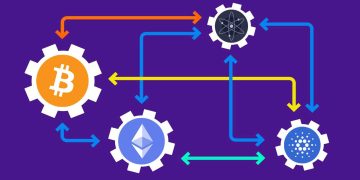
5.2 Cross-Chain Interoperability

As the DeFi ecosystem grows, interoperability between different blockchains will become increasingly important. Platforms like Polkadot and Cosmos are already working on cross-chain interoperability, enabling assets and data to move seamlessly between different blockchains. This will help users access DeFi services across various platforms and broaden the DeFi ecosystem.

5.3 Institutional Adoption

As DeFi matures, institutional investors are beginning to show interest in the sector. The introduction of DeFi ETFs, regulated DeFi platforms, and institutional-grade liquidity pools will likely lead to more institutional involvement, bringing legitimacy and more capital into the space.


6. Conclusion

DeFi is undoubtedly one of the most transformative forces in the cryptocurrency and financial worlds today. Its ability to democratize finance, reduce costs, and increase efficiency is reshaping the global financial landscape. However, challenges related to security, scalability, and regulation remain hurdles that need to be addressed for DeFi to reach its full potential.

The future of DeFi is bright, but its success will depend on continued innovation, regulatory clarity, and collaboration across the blockchain ecosystem. As more individuals, businesses, and institutions embrace decentralized finance, we are witnessing the beginning of a financial revolution that could ultimately change the way we interact with money, assets, and financial services forever.

Tags: Crypto MarketsDeFiFinance
ShareTweetShare

Related Posts

Sustainable Yield: Unlocking the Potential for Long-Term Financial Growth
Crypto Markets

Sustainable Yield: Unlocking the Potential for Long-Term Financial Growth

December 1, 2025
Market Sentiment and Macroeconomic Factors: Interactions and Impacts
Crypto Markets

Market Sentiment and Macroeconomic Factors: Interactions and Impacts

November 30, 2025
Leveraging On-Chain Data for Real-Time Market Analysis and Intelligence for Investors
Crypto Markets

Leveraging On-Chain Data for Real-Time Market Analysis and Intelligence for Investors

November 29, 2025
The Stock-to-Flow Model: Analyzing Bitcoin’s Scarcity and Price Predictions
Crypto Markets

The Stock-to-Flow Model: Analyzing Bitcoin’s Scarcity and Price Predictions

November 28, 2025
Bitcoin Price Volatility and Its Impact on the Entire Market Trend
Crypto Markets

Bitcoin Price Volatility and Its Impact on the Entire Market Trend

November 27, 2025
The Shifting Dominance of Bitcoin in the Cryptocurrency Market: A Key Indicator for Market Analysis
Crypto Markets

The Shifting Dominance of Bitcoin in the Cryptocurrency Market: A Key Indicator for Market Analysis

November 26, 2025
Leave Comment
  • Trending
  • Comments
  • Latest
Combining Virtual Reality in the Metaverse with NFTs: Creating Richer Digital Experiences and Business Models

Combining Virtual Reality in the Metaverse with NFTs: Creating Richer Digital Experiences and Business Models

October 21, 2025
Leveraging Limited Edition NFT Merchandise to Attract Young Consumers, Enhance Brand Uniqueness, and Build Loyalty

Leveraging Limited Edition NFT Merchandise to Attract Young Consumers, Enhance Brand Uniqueness, and Build Loyalty

October 21, 2025
The Explosive Growth of the NFT Art Market: Scale, Activity, and Future Prospects

The Explosive Growth of the NFT Art Market: Scale, Activity, and Future Prospects

October 21, 2025
Brands and the Future of Commerce: Selling Virtual Goods through NFTs Tied to Physical Products

Brands and the Future of Commerce: Selling Virtual Goods through NFTs Tied to Physical Products

October 21, 2025
The Future Development Trend of Bitcoin

The Future Development Trend of Bitcoin

The Rise of Layer 2 Technology: Scaling Ethereum with Solutions like Optimism and Arbitrum

The Rise of Layer 2 Technology: Scaling Ethereum with Solutions like Optimism and Arbitrum

How Businesses Can Enhance Supply Chain Flexibility and Resilience Through Diversified Sourcing, Localized Production, and Risk Management Frameworks to Face Future Global Crises or Geopolitical Risks

How Businesses Can Enhance Supply Chain Flexibility and Resilience Through Diversified Sourcing, Localized Production, and Risk Management Frameworks to Face Future Global Crises or Geopolitical Risks

The Role of Blockchain in the Metaverse: New Infrastructure for the Virtual World

The Role of Blockchain in the Metaverse: New Infrastructure for the Virtual World

Environmental Concerns in the NFT Industry: Balancing Innovation with Sustainability

Environmental Concerns in the NFT Industry: Balancing Innovation with Sustainability

December 1, 2025
Electronic Health Records (EHR): Transforming Healthcare for the Future

Electronic Health Records (EHR): Transforming Healthcare for the Future

December 1, 2025
Sustainable Yield: Unlocking the Potential for Long-Term Financial Growth

Sustainable Yield: Unlocking the Potential for Long-Term Financial Growth

December 1, 2025
Cross-Chain Compatibility: Addressing the Challenges and Solutions

Cross-Chain Compatibility: Addressing the Challenges and Solutions

December 1, 2025
BlockChainIndex.net

From Layer2 technical deep dives to NFT market forecasting, we curate professional perspectives through on-chain analytics and industry expert collaborations. Stay ahead in blockchain innovation.

© 2025 blockchainindex.com. contacts:[email protected]

No Result
View All Result
  • Home
  • Chain Core
  • Crypto Markets
  • Enterprise Chain
  • NFT Frontier
  • On-Chain Lens
  • Reg Radar

© 2025 blockchainindex.com. contacts:[email protected]

Welcome Back!

Login to your account below

Forgotten Password?

Retrieve your password

Please enter your username or email address to reset your password.

Log In