


































BlockChainIndex.net
  • Home
  • Chain Core
    Cross-Chain Compatibility: Addressing the Challenges and Solutions

    Cross-Chain Compatibility: Addressing the Challenges and Solutions

    The Security Issues of Consensus Mechanisms: An Ongoing Debate

    The Security Issues of Consensus Mechanisms: An Ongoing Debate

    The Lightning Network: The Most Famous Layer 2 Solution on Bitcoin

    The Lightning Network: The Most Famous Layer 2 Solution on Bitcoin

    Consensus Mechanisms of Layer 1 and Layer 2: The Backbone of Blockchain Scalability

    Consensus Mechanisms of Layer 1 and Layer 2: The Backbone of Blockchain Scalability

    Proof of Stake vs Proof of Work

    Proof of Stake vs Proof of Work

    Multi-Consensus Algorithms: Evolving the Future of Blockchain Technology

    Multi-Consensus Algorithms: Evolving the Future of Blockchain Technology

  • Crypto Markets
    Sustainable Yield: Unlocking the Potential for Long-Term Financial Growth

    Sustainable Yield: Unlocking the Potential for Long-Term Financial Growth

    Market Sentiment and Macroeconomic Factors: Interactions and Impacts

    Market Sentiment and Macroeconomic Factors: Interactions and Impacts

    Leveraging On-Chain Data for Real-Time Market Analysis and Intelligence for Investors

    Leveraging On-Chain Data for Real-Time Market Analysis and Intelligence for Investors

    The Stock-to-Flow Model: Analyzing Bitcoin’s Scarcity and Price Predictions

    The Stock-to-Flow Model: Analyzing Bitcoin’s Scarcity and Price Predictions

    Bitcoin Price Volatility and Its Impact on the Entire Market Trend

    Bitcoin Price Volatility and Its Impact on the Entire Market Trend

    The Shifting Dominance of Bitcoin in the Cryptocurrency Market: A Key Indicator for Market Analysis

    The Shifting Dominance of Bitcoin in the Cryptocurrency Market: A Key Indicator for Market Analysis

  • Enterprise Chain
    Electronic Health Records (EHR): Transforming Healthcare for the Future

    Electronic Health Records (EHR): Transforming Healthcare for the Future

    The Integration of Supply Chains and the Internet of Things (IoT)

    The Integration of Supply Chains and the Internet of Things (IoT)

    Supply Chain Financing and Payments

    Supply Chain Financing and Payments

    Optimizing Supply Chain Protocols with Smart Contracts

    Optimizing Supply Chain Protocols with Smart Contracts

    Walmart and IBM’s Food Safety Blockchain Collaboration: Using Blockchain Technology to Track Food Sources and Movement

    Walmart and IBM’s Food Safety Blockchain Collaboration: Using Blockchain Technology to Track Food Sources and Movement

    Global Food Traceability: Ensuring Safety, Transparency, and Sustainability in the Food Supply Chain

    Global Food Traceability: Ensuring Safety, Transparency, and Sustainability in the Food Supply Chain

  • NFT Frontier
    Environmental Concerns in the NFT Industry: Balancing Innovation with Sustainability

    Environmental Concerns in the NFT Industry: Balancing Innovation with Sustainability

    NFT Copyright and Intellectual Property Issues

    NFT Copyright and Intellectual Property Issues

    Decentralization of the Art Market: A New Era of Digital Ownership

    Decentralization of the Art Market: A New Era of Digital Ownership

    NFTs Disrupting the Traditional Art Market

    NFTs Disrupting the Traditional Art Market

    The Explosion of Digital Art and the NFT Market: Revolutionizing the Art World

    The Explosion of Digital Art and the NFT Market: Revolutionizing the Art World

    Emerging Trends in Digital Collectibles: The Future of Ownership in the Digital Age

    Emerging Trends in Digital Collectibles: The Future of Ownership in the Digital Age

  • On-Chain Lens
    Balancing Privacy and Security: A Critical Exploration in the Digital Age

    Balancing Privacy and Security: A Critical Exploration in the Digital Age

    Despite Blockchain Transactions Being Public and Transparent, the Anonymity of Wallets Remains a Challenge

    Despite Blockchain Transactions Being Public and Transparent, the Anonymity of Wallets Remains a Challenge

    Wallet and Smart Contract Interaction: Key Analysis Objects of On-Chain Lens Technology

    Wallet and Smart Contract Interaction: Key Analysis Objects of On-Chain Lens Technology

    On-Chain Lens: Analyzing the Flow of Funds Between Wallets Using Blockchain’s Public Ledger

    On-Chain Lens: Analyzing the Flow of Funds Between Wallets Using Blockchain’s Public Ledger

    Tracking and Analyzing Capital Flows: A Comprehensive Guide to Understanding Financial Movements

    Tracking and Analyzing Capital Flows: A Comprehensive Guide to Understanding Financial Movements

    Wallet Behavior Analysis: The Core of On-Chain Lens Technology

    Wallet Behavior Analysis: The Core of On-Chain Lens Technology

  • Reg Radar
    Building Compliance Frameworks: The Increasing Importance for Crypto Companies in Addressing Regulatory Challenges

    Building Compliance Frameworks: The Increasing Importance for Crypto Companies in Addressing Regulatory Challenges

    Global Consistency and Diversity: Navigating the Balance in a Connected World

    Global Consistency and Diversity: Navigating the Balance in a Connected World

    The European Union’s MiCA Regulation: A New Era for Crypto-Asset Regulation

    The European Union’s MiCA Regulation: A New Era for Crypto-Asset Regulation

    The Evolving Regulatory Landscape: Challenges and Opportunities for Crypto Businesses

    The Evolving Regulatory Landscape: Challenges and Opportunities for Crypto Businesses

    The Evolving Regulatory Frameworks Across Global Regions: Progress and Adjustments in the Face of Emerging Challenges

    The Evolving Regulatory Frameworks Across Global Regions: Progress and Adjustments in the Face of Emerging Challenges

    The U.S. SEC: One of the Most Important Regulatory Bodies for the Crypto Market

    The U.S. SEC: One of the Most Important Regulatory Bodies for the Crypto Market

BlockChainIndex.net
  • Home
  • Chain Core
    Cross-Chain Compatibility: Addressing the Challenges and Solutions

    Cross-Chain Compatibility: Addressing the Challenges and Solutions

    The Security Issues of Consensus Mechanisms: An Ongoing Debate

    The Security Issues of Consensus Mechanisms: An Ongoing Debate

    The Lightning Network: The Most Famous Layer 2 Solution on Bitcoin

    The Lightning Network: The Most Famous Layer 2 Solution on Bitcoin

    Consensus Mechanisms of Layer 1 and Layer 2: The Backbone of Blockchain Scalability

    Consensus Mechanisms of Layer 1 and Layer 2: The Backbone of Blockchain Scalability

    Proof of Stake vs Proof of Work

    Proof of Stake vs Proof of Work

    Multi-Consensus Algorithms: Evolving the Future of Blockchain Technology

    Multi-Consensus Algorithms: Evolving the Future of Blockchain Technology

  • Crypto Markets
    Sustainable Yield: Unlocking the Potential for Long-Term Financial Growth

    Sustainable Yield: Unlocking the Potential for Long-Term Financial Growth

    Market Sentiment and Macroeconomic Factors: Interactions and Impacts

    Market Sentiment and Macroeconomic Factors: Interactions and Impacts

    Leveraging On-Chain Data for Real-Time Market Analysis and Intelligence for Investors

    Leveraging On-Chain Data for Real-Time Market Analysis and Intelligence for Investors

    The Stock-to-Flow Model: Analyzing Bitcoin’s Scarcity and Price Predictions

    The Stock-to-Flow Model: Analyzing Bitcoin’s Scarcity and Price Predictions

    Bitcoin Price Volatility and Its Impact on the Entire Market Trend

    Bitcoin Price Volatility and Its Impact on the Entire Market Trend

    The Shifting Dominance of Bitcoin in the Cryptocurrency Market: A Key Indicator for Market Analysis

    The Shifting Dominance of Bitcoin in the Cryptocurrency Market: A Key Indicator for Market Analysis

  • Enterprise Chain
    Electronic Health Records (EHR): Transforming Healthcare for the Future

    Electronic Health Records (EHR): Transforming Healthcare for the Future

    The Integration of Supply Chains and the Internet of Things (IoT)

    The Integration of Supply Chains and the Internet of Things (IoT)

    Supply Chain Financing and Payments

    Supply Chain Financing and Payments

    Optimizing Supply Chain Protocols with Smart Contracts

    Optimizing Supply Chain Protocols with Smart Contracts

    Walmart and IBM’s Food Safety Blockchain Collaboration: Using Blockchain Technology to Track Food Sources and Movement

    Walmart and IBM’s Food Safety Blockchain Collaboration: Using Blockchain Technology to Track Food Sources and Movement

    Global Food Traceability: Ensuring Safety, Transparency, and Sustainability in the Food Supply Chain

    Global Food Traceability: Ensuring Safety, Transparency, and Sustainability in the Food Supply Chain

  • NFT Frontier
    Environmental Concerns in the NFT Industry: Balancing Innovation with Sustainability

    Environmental Concerns in the NFT Industry: Balancing Innovation with Sustainability

    NFT Copyright and Intellectual Property Issues

    NFT Copyright and Intellectual Property Issues

    Decentralization of the Art Market: A New Era of Digital Ownership

    Decentralization of the Art Market: A New Era of Digital Ownership

    NFTs Disrupting the Traditional Art Market

    NFTs Disrupting the Traditional Art Market

    The Explosion of Digital Art and the NFT Market: Revolutionizing the Art World

    The Explosion of Digital Art and the NFT Market: Revolutionizing the Art World

    Emerging Trends in Digital Collectibles: The Future of Ownership in the Digital Age

    Emerging Trends in Digital Collectibles: The Future of Ownership in the Digital Age

  • On-Chain Lens
    Balancing Privacy and Security: A Critical Exploration in the Digital Age

    Balancing Privacy and Security: A Critical Exploration in the Digital Age

    Despite Blockchain Transactions Being Public and Transparent, the Anonymity of Wallets Remains a Challenge

    Despite Blockchain Transactions Being Public and Transparent, the Anonymity of Wallets Remains a Challenge

    Wallet and Smart Contract Interaction: Key Analysis Objects of On-Chain Lens Technology

    Wallet and Smart Contract Interaction: Key Analysis Objects of On-Chain Lens Technology

    On-Chain Lens: Analyzing the Flow of Funds Between Wallets Using Blockchain’s Public Ledger

    On-Chain Lens: Analyzing the Flow of Funds Between Wallets Using Blockchain’s Public Ledger

    Tracking and Analyzing Capital Flows: A Comprehensive Guide to Understanding Financial Movements

    Tracking and Analyzing Capital Flows: A Comprehensive Guide to Understanding Financial Movements

    Wallet Behavior Analysis: The Core of On-Chain Lens Technology

    Wallet Behavior Analysis: The Core of On-Chain Lens Technology

  • Reg Radar
    Building Compliance Frameworks: The Increasing Importance for Crypto Companies in Addressing Regulatory Challenges

    Building Compliance Frameworks: The Increasing Importance for Crypto Companies in Addressing Regulatory Challenges

    Global Consistency and Diversity: Navigating the Balance in a Connected World

    Global Consistency and Diversity: Navigating the Balance in a Connected World

    The European Union’s MiCA Regulation: A New Era for Crypto-Asset Regulation

    The European Union’s MiCA Regulation: A New Era for Crypto-Asset Regulation

    The Evolving Regulatory Landscape: Challenges and Opportunities for Crypto Businesses

    The Evolving Regulatory Landscape: Challenges and Opportunities for Crypto Businesses

    The Evolving Regulatory Frameworks Across Global Regions: Progress and Adjustments in the Face of Emerging Challenges

    The Evolving Regulatory Frameworks Across Global Regions: Progress and Adjustments in the Face of Emerging Challenges

    The U.S. SEC: One of the Most Important Regulatory Bodies for the Crypto Market

    The U.S. SEC: One of the Most Important Regulatory Bodies for the Crypto Market

BlockChainIndex.net
No Result
View All Result
Home Enterprise Chain

Addressing Technical Bottlenecks in Enterprise Chains: Overcoming Scalability and High-Concurrency Challenges

September 19, 2025
in Enterprise Chain
Addressing Technical Bottlenecks in Enterprise Chains: Overcoming Scalability and High-Concurrency Challenges

Introduction

The rise of blockchain technology and its application in enterprise solutions has revolutionized industries worldwide. As businesses continue to adopt blockchain for various functions such as supply chain management, financial transactions, and identity verification, the demand for scalable, high-performance enterprise chains has grown exponentially. However, as with any technology, enterprise blockchain platforms face significant technical challenges—most notably around scalability and high-concurrency processing. These challenges hinder the ability to efficiently process a large volume of transactions, compromising performance and delaying adoption.

This article explores the key technical bottlenecks that enterprise blockchain platforms face, with a particular focus on scalability and high-concurrency issues. Furthermore, we discuss the latest technological advancements, strategies, and solutions that are enabling enterprise blockchain platforms to overcome these challenges, ensuring that businesses can effectively deploy blockchain at scale and with minimal delays.


1. Understanding the Technical Bottlenecks in Enterprise Chains

1.1 Scalability Challenges in Blockchain

Scalability refers to the capacity of a blockchain network to handle an increasing number of transactions as the network grows. In the context of enterprise blockchain solutions, scalability is essential for businesses that need to process high volumes of transactions quickly and efficiently. However, scalability is often constrained by the following factors:

  • Block Size Limitations: Most blockchains, particularly older ones like Bitcoin and Ethereum, have a limited block size, restricting the amount of data that can be processed per block.
  • Consensus Mechanisms: Consensus protocols like Proof of Work (PoW) and Proof of Stake (PoS) can be computationally expensive and slow, limiting the rate at which blocks can be added to the chain.
  • Network Latency: As more nodes are added to the blockchain network, latency increases. This can lead to delays in transaction verification and confirmation, undermining performance and scalability.

1.2 High-Concurrency Processing Bottlenecks

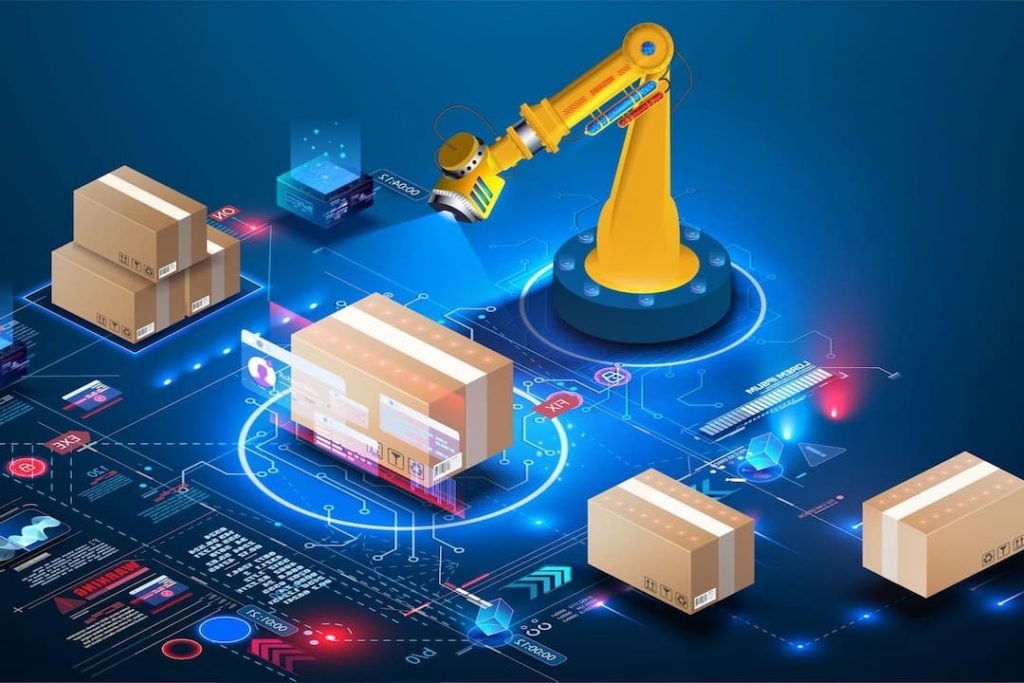
In high-concurrency environments, blockchain platforms must handle multiple transactions or requests simultaneously without slowing down or causing delays. For enterprise blockchain applications, this is particularly challenging because real-time, high-speed processing is critical for functions such as:

  • Instant Cross-Border Payments: International transactions must be processed quickly to avoid delays in finance, especially in industries like banking and insurance.
  • Supply Chain Management: Enterprises need to ensure that their supply chains operate smoothly and that each transaction—whether it’s the transfer of goods or money—is processed without bottlenecks.
  • Data Verification: In sectors like healthcare and legal, blockchain can streamline the process of verifying and recording data, but high concurrency is necessary to handle large amounts of data quickly.

The high-concurrency challenges that enterprise chains face often stem from:

  • Single-Threaded Processing: Traditional blockchain networks process one transaction at a time, which can cause a bottleneck when many transactions are initiated simultaneously.
  • Inefficient Data Propagation: When many transactions are propagated across the network, they can overload certain nodes, slowing down transaction processing and validation.
2. Solutions to Scalability and High-Concurrency Challenges

Addressing these technical bottlenecks requires an innovative approach. Several strategies and technologies are now being implemented to resolve scalability and high-concurrency issues in enterprise blockchain platforms:

2.1 Layer 2 Solutions: Optimizing Blockchain Scalability

Layer 2 solutions are designed to alleviate the pressure on the main blockchain by processing transactions off-chain and then reconciling them back onto the main chain. By reducing the number of transactions that need to be processed on the base layer, Layer 2 solutions can significantly improve the scalability of enterprise chains.

  • Payment Channels: Payment channels like the Lightning Network for Bitcoin or Raiden Network for Ethereum allow for off-chain transactions to occur between two parties. Only the final settlement is recorded on the main blockchain, allowing for faster, cheaper, and more scalable transactions.
  • State Channels: State channels are used to facilitate interactions between participants off-chain, enabling real-time transactions and instant settlement. After a series of off-chain transactions, a final state is recorded back onto the blockchain, reducing the load on the network.
  • Sidechains: Sidechains are independent blockchains that are connected to the main blockchain. They can operate in parallel, reducing congestion on the primary blockchain and allowing for more transactions to be processed concurrently. Sidechains can be optimized for different types of transactions, thus improving performance and scalability.

By implementing Layer 2 solutions, businesses can offload high-volume, high-frequency transactions from the main blockchain and reduce bottlenecks caused by on-chain congestion.

2.2 Sharding: Breaking Down the Blockchain into Smaller Pieces

Sharding is a technique that involves dividing a blockchain into multiple smaller parts, or “shards,” each capable of processing its own transactions. This approach enables a blockchain to parallelize transaction processing, significantly improving scalability and reducing bottlenecks caused by high transaction volumes.

Each shard operates as an independent chain, processing transactions concurrently. The main blockchain ensures that the final state of the network is consistent across all shards. By spreading the transaction load across multiple shards, blockchain networks can scale exponentially.

  • Sharding in Ethereum 2.0: The upcoming Ethereum 2.0 upgrade will introduce sharding as a key solution to Ethereum’s scalability problem. Ethereum will be divided into 64 shards, each capable of processing its own transactions and smart contracts in parallel. This approach will improve scalability while maintaining decentralization.
  • Polkadot and Cosmos: These projects are already implementing sharded blockchains, allowing different blockchain networks to operate in parallel and communicate with each other. They create ecosystems where multiple blockchains (or shards) can function without congestion, providing businesses with a scalable solution to complex blockchain integration problems.

Sharding enables businesses to handle massive amounts of data and high-concurrency transactions while maintaining a decentralized structure, making it a powerful tool for scaling enterprise chains.

2.3 Optimizing Consensus Mechanisms

The consensus mechanism is a fundamental component of blockchain technology, responsible for validating and agreeing upon the transactions that are added to the blockchain. However, traditional consensus mechanisms like Proof of Work (PoW) or Proof of Stake (PoS) can create performance bottlenecks. The time it takes for nodes to reach consensus on transactions can significantly slow down processing speeds.

Several newer consensus mechanisms are emerging that aim to improve blockchain scalability and performance:

  • Delegated Proof of Stake (DPoS): DPoS optimizes PoS by allowing token holders to vote for delegates who validate transactions on their behalf. This reduces the number of validators involved in consensus, increasing transaction throughput and reducing block times.
  • Practical Byzantine Fault Tolerance (PBFT): PBFT is a consensus mechanism that ensures that a network of nodes reaches agreement in a fast and efficient manner. Unlike PoW, PBFT doesn’t require computational resources to validate transactions, making it faster and more energy-efficient, which is crucial for enterprise blockchain applications.
  • Proof of Authority (PoA): PoA uses a set of trusted validators (authorities) to confirm transactions, significantly speeding up transaction processing times. This is particularly useful in enterprise blockchains where the number of validators is smaller, and the need for fast, reliable transactions is higher.

By implementing more efficient consensus mechanisms, enterprise chains can significantly improve their ability to process large numbers of transactions, thus addressing scalability and high-concurrency issues.

2.4 Off-Chain Computation and Hybrid Systems

Another approach to scaling blockchain networks is off-chain computation. In this model, some computations and data storage are handled outside the blockchain, while only essential data (such as transaction finality or state changes) is recorded on-chain. This reduces the load on the blockchain network and enhances performance.

  • Hybrid Blockchain Models: Some enterprise solutions are combining private blockchains (where certain processes occur off-chain) with public chains (which handle the settlement and verification of transactions). This allows businesses to maintain control over sensitive data while benefiting from the scalability and transparency of blockchain technology.

By using off-chain computation and hybrid blockchain models, enterprises can offload complex computations and avoid overburdening their blockchain networks, ensuring that they can scale effectively.


3. Conclusion

Scalability and high-concurrency processing are critical challenges that enterprise blockchain platforms must overcome to effectively serve the needs of modern businesses. As the demand for blockchain solutions grows, it is essential for businesses to choose the right technologies and strategies to address these issues.

Solutions like Layer 2 networks, sharding, advanced consensus mechanisms, and off-chain computation are proving to be powerful tools for overcoming scalability bottlenecks and enabling high-concurrency transaction processing. These technologies are not just theoretical; they are being successfully implemented in production blockchain systems and have already shown their potential in improving performance and scalability.

As enterprise chains continue to evolve, the ability to scale and handle large volumes of concurrent transactions will be the key to their long-term success. Blockchain has already proven its transformative power across industries, and overcoming these technical bottlenecks will further unlock its potential in the enterprise space, paving the way for more efficient, transparent, and scalable business operations.

By adopting these innovations, businesses can ensure that their enterprise chains can scale seamlessly, enabling them to process high volumes of transactions with minimal delays while maintaining the security, transparency, and decentralization that blockchain promises.


Tags: Enterprise chainScalabilityTechnical bottleneck
ShareTweetShare

Related Posts

Electronic Health Records (EHR): Transforming Healthcare for the Future
Enterprise Chain

Electronic Health Records (EHR): Transforming Healthcare for the Future

December 1, 2025
The Integration of Supply Chains and the Internet of Things (IoT)
Enterprise Chain

The Integration of Supply Chains and the Internet of Things (IoT)

November 30, 2025
Supply Chain Financing and Payments
Enterprise Chain

Supply Chain Financing and Payments

November 29, 2025
Optimizing Supply Chain Protocols with Smart Contracts
Enterprise Chain

Optimizing Supply Chain Protocols with Smart Contracts

November 28, 2025
Walmart and IBM’s Food Safety Blockchain Collaboration: Using Blockchain Technology to Track Food Sources and Movement
Enterprise Chain

Walmart and IBM’s Food Safety Blockchain Collaboration: Using Blockchain Technology to Track Food Sources and Movement

November 27, 2025
Global Food Traceability: Ensuring Safety, Transparency, and Sustainability in the Food Supply Chain
Enterprise Chain

Global Food Traceability: Ensuring Safety, Transparency, and Sustainability in the Food Supply Chain

November 26, 2025
Leave Comment
  • Trending
  • Comments
  • Latest
Combining Virtual Reality in the Metaverse with NFTs: Creating Richer Digital Experiences and Business Models

Combining Virtual Reality in the Metaverse with NFTs: Creating Richer Digital Experiences and Business Models

October 21, 2025
Leveraging Limited Edition NFT Merchandise to Attract Young Consumers, Enhance Brand Uniqueness, and Build Loyalty

Leveraging Limited Edition NFT Merchandise to Attract Young Consumers, Enhance Brand Uniqueness, and Build Loyalty

October 21, 2025
The Explosive Growth of the NFT Art Market: Scale, Activity, and Future Prospects

The Explosive Growth of the NFT Art Market: Scale, Activity, and Future Prospects

October 21, 2025
Brands and the Future of Commerce: Selling Virtual Goods through NFTs Tied to Physical Products

Brands and the Future of Commerce: Selling Virtual Goods through NFTs Tied to Physical Products

October 21, 2025
The Future Development Trend of Bitcoin

The Future Development Trend of Bitcoin

The Rise of Layer 2 Technology: Scaling Ethereum with Solutions like Optimism and Arbitrum

The Rise of Layer 2 Technology: Scaling Ethereum with Solutions like Optimism and Arbitrum

How Businesses Can Enhance Supply Chain Flexibility and Resilience Through Diversified Sourcing, Localized Production, and Risk Management Frameworks to Face Future Global Crises or Geopolitical Risks

How Businesses Can Enhance Supply Chain Flexibility and Resilience Through Diversified Sourcing, Localized Production, and Risk Management Frameworks to Face Future Global Crises or Geopolitical Risks

The Role of Blockchain in the Metaverse: New Infrastructure for the Virtual World

The Role of Blockchain in the Metaverse: New Infrastructure for the Virtual World

Environmental Concerns in the NFT Industry: Balancing Innovation with Sustainability

Environmental Concerns in the NFT Industry: Balancing Innovation with Sustainability

December 1, 2025
Electronic Health Records (EHR): Transforming Healthcare for the Future

Electronic Health Records (EHR): Transforming Healthcare for the Future

December 1, 2025
Sustainable Yield: Unlocking the Potential for Long-Term Financial Growth

Sustainable Yield: Unlocking the Potential for Long-Term Financial Growth

December 1, 2025
Cross-Chain Compatibility: Addressing the Challenges and Solutions

Cross-Chain Compatibility: Addressing the Challenges and Solutions

December 1, 2025
BlockChainIndex.net

From Layer2 technical deep dives to NFT market forecasting, we curate professional perspectives through on-chain analytics and industry expert collaborations. Stay ahead in blockchain innovation.

© 2025 blockchainindex.com. contacts:[email protected]

No Result
View All Result
  • Home
  • Chain Core
  • Crypto Markets
  • Enterprise Chain
  • NFT Frontier
  • On-Chain Lens
  • Reg Radar

© 2025 blockchainindex.com. contacts:[email protected]

Welcome Back!

Login to your account below

Forgotten Password?

Retrieve your password

Please enter your username or email address to reset your password.

Log In