

































BlockChainIndex.net
  • Home
  • Chain Core
    Cross-Chain Compatibility: Addressing the Challenges and Solutions

    Cross-Chain Compatibility: Addressing the Challenges and Solutions

    The Security Issues of Consensus Mechanisms: An Ongoing Debate

    The Security Issues of Consensus Mechanisms: An Ongoing Debate

    The Lightning Network: The Most Famous Layer 2 Solution on Bitcoin

    The Lightning Network: The Most Famous Layer 2 Solution on Bitcoin

    Consensus Mechanisms of Layer 1 and Layer 2: The Backbone of Blockchain Scalability

    Consensus Mechanisms of Layer 1 and Layer 2: The Backbone of Blockchain Scalability

    Proof of Stake vs Proof of Work

    Proof of Stake vs Proof of Work

    Multi-Consensus Algorithms: Evolving the Future of Blockchain Technology

    Multi-Consensus Algorithms: Evolving the Future of Blockchain Technology

  • Crypto Markets
    Sustainable Yield: Unlocking the Potential for Long-Term Financial Growth

    Sustainable Yield: Unlocking the Potential for Long-Term Financial Growth

    Market Sentiment and Macroeconomic Factors: Interactions and Impacts

    Market Sentiment and Macroeconomic Factors: Interactions and Impacts

    Leveraging On-Chain Data for Real-Time Market Analysis and Intelligence for Investors

    Leveraging On-Chain Data for Real-Time Market Analysis and Intelligence for Investors

    The Stock-to-Flow Model: Analyzing Bitcoin’s Scarcity and Price Predictions

    The Stock-to-Flow Model: Analyzing Bitcoin’s Scarcity and Price Predictions

    Bitcoin Price Volatility and Its Impact on the Entire Market Trend

    Bitcoin Price Volatility and Its Impact on the Entire Market Trend

    The Shifting Dominance of Bitcoin in the Cryptocurrency Market: A Key Indicator for Market Analysis

    The Shifting Dominance of Bitcoin in the Cryptocurrency Market: A Key Indicator for Market Analysis

  • Enterprise Chain
    Electronic Health Records (EHR): Transforming Healthcare for the Future

    Electronic Health Records (EHR): Transforming Healthcare for the Future

    The Integration of Supply Chains and the Internet of Things (IoT)

    The Integration of Supply Chains and the Internet of Things (IoT)

    Supply Chain Financing and Payments

    Supply Chain Financing and Payments

    Optimizing Supply Chain Protocols with Smart Contracts

    Optimizing Supply Chain Protocols with Smart Contracts

    Walmart and IBM’s Food Safety Blockchain Collaboration: Using Blockchain Technology to Track Food Sources and Movement

    Walmart and IBM’s Food Safety Blockchain Collaboration: Using Blockchain Technology to Track Food Sources and Movement

    Global Food Traceability: Ensuring Safety, Transparency, and Sustainability in the Food Supply Chain

    Global Food Traceability: Ensuring Safety, Transparency, and Sustainability in the Food Supply Chain

  • NFT Frontier
    Environmental Concerns in the NFT Industry: Balancing Innovation with Sustainability

    Environmental Concerns in the NFT Industry: Balancing Innovation with Sustainability

    NFT Copyright and Intellectual Property Issues

    NFT Copyright and Intellectual Property Issues

    Decentralization of the Art Market: A New Era of Digital Ownership

    Decentralization of the Art Market: A New Era of Digital Ownership

    NFTs Disrupting the Traditional Art Market

    NFTs Disrupting the Traditional Art Market

    The Explosion of Digital Art and the NFT Market: Revolutionizing the Art World

    The Explosion of Digital Art and the NFT Market: Revolutionizing the Art World

    Emerging Trends in Digital Collectibles: The Future of Ownership in the Digital Age

    Emerging Trends in Digital Collectibles: The Future of Ownership in the Digital Age

  • On-Chain Lens
    Balancing Privacy and Security: A Critical Exploration in the Digital Age

    Balancing Privacy and Security: A Critical Exploration in the Digital Age

    Despite Blockchain Transactions Being Public and Transparent, the Anonymity of Wallets Remains a Challenge

    Despite Blockchain Transactions Being Public and Transparent, the Anonymity of Wallets Remains a Challenge

    Wallet and Smart Contract Interaction: Key Analysis Objects of On-Chain Lens Technology

    Wallet and Smart Contract Interaction: Key Analysis Objects of On-Chain Lens Technology

    On-Chain Lens: Analyzing the Flow of Funds Between Wallets Using Blockchain’s Public Ledger

    On-Chain Lens: Analyzing the Flow of Funds Between Wallets Using Blockchain’s Public Ledger

    Tracking and Analyzing Capital Flows: A Comprehensive Guide to Understanding Financial Movements

    Tracking and Analyzing Capital Flows: A Comprehensive Guide to Understanding Financial Movements

    Wallet Behavior Analysis: The Core of On-Chain Lens Technology

    Wallet Behavior Analysis: The Core of On-Chain Lens Technology

  • Reg Radar
    Building Compliance Frameworks: The Increasing Importance for Crypto Companies in Addressing Regulatory Challenges

    Building Compliance Frameworks: The Increasing Importance for Crypto Companies in Addressing Regulatory Challenges

    Global Consistency and Diversity: Navigating the Balance in a Connected World

    Global Consistency and Diversity: Navigating the Balance in a Connected World

    The European Union’s MiCA Regulation: A New Era for Crypto-Asset Regulation

    The European Union’s MiCA Regulation: A New Era for Crypto-Asset Regulation

    The Evolving Regulatory Landscape: Challenges and Opportunities for Crypto Businesses

    The Evolving Regulatory Landscape: Challenges and Opportunities for Crypto Businesses

    The Evolving Regulatory Frameworks Across Global Regions: Progress and Adjustments in the Face of Emerging Challenges

    The Evolving Regulatory Frameworks Across Global Regions: Progress and Adjustments in the Face of Emerging Challenges

    The U.S. SEC: One of the Most Important Regulatory Bodies for the Crypto Market

    The U.S. SEC: One of the Most Important Regulatory Bodies for the Crypto Market

BlockChainIndex.net
  • Home
  • Chain Core
    Cross-Chain Compatibility: Addressing the Challenges and Solutions

    Cross-Chain Compatibility: Addressing the Challenges and Solutions

    The Security Issues of Consensus Mechanisms: An Ongoing Debate

    The Security Issues of Consensus Mechanisms: An Ongoing Debate

    The Lightning Network: The Most Famous Layer 2 Solution on Bitcoin

    The Lightning Network: The Most Famous Layer 2 Solution on Bitcoin

    Consensus Mechanisms of Layer 1 and Layer 2: The Backbone of Blockchain Scalability

    Consensus Mechanisms of Layer 1 and Layer 2: The Backbone of Blockchain Scalability

    Proof of Stake vs Proof of Work

    Proof of Stake vs Proof of Work

    Multi-Consensus Algorithms: Evolving the Future of Blockchain Technology

    Multi-Consensus Algorithms: Evolving the Future of Blockchain Technology

  • Crypto Markets
    Sustainable Yield: Unlocking the Potential for Long-Term Financial Growth

    Sustainable Yield: Unlocking the Potential for Long-Term Financial Growth

    Market Sentiment and Macroeconomic Factors: Interactions and Impacts

    Market Sentiment and Macroeconomic Factors: Interactions and Impacts

    Leveraging On-Chain Data for Real-Time Market Analysis and Intelligence for Investors

    Leveraging On-Chain Data for Real-Time Market Analysis and Intelligence for Investors

    The Stock-to-Flow Model: Analyzing Bitcoin’s Scarcity and Price Predictions

    The Stock-to-Flow Model: Analyzing Bitcoin’s Scarcity and Price Predictions

    Bitcoin Price Volatility and Its Impact on the Entire Market Trend

    Bitcoin Price Volatility and Its Impact on the Entire Market Trend

    The Shifting Dominance of Bitcoin in the Cryptocurrency Market: A Key Indicator for Market Analysis

    The Shifting Dominance of Bitcoin in the Cryptocurrency Market: A Key Indicator for Market Analysis

  • Enterprise Chain
    Electronic Health Records (EHR): Transforming Healthcare for the Future

    Electronic Health Records (EHR): Transforming Healthcare for the Future

    The Integration of Supply Chains and the Internet of Things (IoT)

    The Integration of Supply Chains and the Internet of Things (IoT)

    Supply Chain Financing and Payments

    Supply Chain Financing and Payments

    Optimizing Supply Chain Protocols with Smart Contracts

    Optimizing Supply Chain Protocols with Smart Contracts

    Walmart and IBM’s Food Safety Blockchain Collaboration: Using Blockchain Technology to Track Food Sources and Movement

    Walmart and IBM’s Food Safety Blockchain Collaboration: Using Blockchain Technology to Track Food Sources and Movement

    Global Food Traceability: Ensuring Safety, Transparency, and Sustainability in the Food Supply Chain

    Global Food Traceability: Ensuring Safety, Transparency, and Sustainability in the Food Supply Chain

  • NFT Frontier
    Environmental Concerns in the NFT Industry: Balancing Innovation with Sustainability

    Environmental Concerns in the NFT Industry: Balancing Innovation with Sustainability

    NFT Copyright and Intellectual Property Issues

    NFT Copyright and Intellectual Property Issues

    Decentralization of the Art Market: A New Era of Digital Ownership

    Decentralization of the Art Market: A New Era of Digital Ownership

    NFTs Disrupting the Traditional Art Market

    NFTs Disrupting the Traditional Art Market

    The Explosion of Digital Art and the NFT Market: Revolutionizing the Art World

    The Explosion of Digital Art and the NFT Market: Revolutionizing the Art World

    Emerging Trends in Digital Collectibles: The Future of Ownership in the Digital Age

    Emerging Trends in Digital Collectibles: The Future of Ownership in the Digital Age

  • On-Chain Lens
    Balancing Privacy and Security: A Critical Exploration in the Digital Age

    Balancing Privacy and Security: A Critical Exploration in the Digital Age

    Despite Blockchain Transactions Being Public and Transparent, the Anonymity of Wallets Remains a Challenge

    Despite Blockchain Transactions Being Public and Transparent, the Anonymity of Wallets Remains a Challenge

    Wallet and Smart Contract Interaction: Key Analysis Objects of On-Chain Lens Technology

    Wallet and Smart Contract Interaction: Key Analysis Objects of On-Chain Lens Technology

    On-Chain Lens: Analyzing the Flow of Funds Between Wallets Using Blockchain’s Public Ledger

    On-Chain Lens: Analyzing the Flow of Funds Between Wallets Using Blockchain’s Public Ledger

    Tracking and Analyzing Capital Flows: A Comprehensive Guide to Understanding Financial Movements

    Tracking and Analyzing Capital Flows: A Comprehensive Guide to Understanding Financial Movements

    Wallet Behavior Analysis: The Core of On-Chain Lens Technology

    Wallet Behavior Analysis: The Core of On-Chain Lens Technology

  • Reg Radar
    Building Compliance Frameworks: The Increasing Importance for Crypto Companies in Addressing Regulatory Challenges

    Building Compliance Frameworks: The Increasing Importance for Crypto Companies in Addressing Regulatory Challenges

    Global Consistency and Diversity: Navigating the Balance in a Connected World

    Global Consistency and Diversity: Navigating the Balance in a Connected World

    The European Union’s MiCA Regulation: A New Era for Crypto-Asset Regulation

    The European Union’s MiCA Regulation: A New Era for Crypto-Asset Regulation

    The Evolving Regulatory Landscape: Challenges and Opportunities for Crypto Businesses

    The Evolving Regulatory Landscape: Challenges and Opportunities for Crypto Businesses

    The Evolving Regulatory Frameworks Across Global Regions: Progress and Adjustments in the Face of Emerging Challenges

    The Evolving Regulatory Frameworks Across Global Regions: Progress and Adjustments in the Face of Emerging Challenges

    The U.S. SEC: One of the Most Important Regulatory Bodies for the Crypto Market

    The U.S. SEC: One of the Most Important Regulatory Bodies for the Crypto Market

BlockChainIndex.net
No Result
View All Result
Home Chain Core

How Chain Core Reduces Cross-Border Payment Costs by Eliminating Intermediaries

September 19, 2025
in Chain Core
How Chain Core Reduces Cross-Border Payment Costs by Eliminating Intermediaries

Introduction

In an increasingly globalized world, cross-border payments have become a critical component of international trade and financial systems. However, the existing infrastructure for international money transfers is often marred by high fees, delays, and inefficiencies. Traditional cross-border payment systems typically rely on a network of intermediaries, such as correspondent banks, clearinghouses, and settlement agencies. These intermediaries not only introduce friction into the payment process but also increase costs and time required for transactions.

In recent years, blockchain technology has emerged as a powerful solution to address these challenges. Among the various blockchain platforms, Chain Core, a decentralized enterprise blockchain developed by Chain, stands out for its ability to facilitate faster, cheaper, and more secure cross-border payments. By eliminating the need for intermediaries, Chain Core is transforming how financial institutions, businesses, and consumers execute international payments.

This article will explore how Chain Core reduces the cost of cross-border payments, offering a new paradigm for the global financial ecosystem. We will examine the traditional cross-border payment landscape, the challenges it faces, and how Chain Core’s unique features drive cost efficiency and improve payment speed and transparency.

Traditional Cross-Border Payment Systems: A Complex Web of Intermediaries

In traditional cross-border payments, money is transferred from one country to another through a series of intermediary institutions. These institutions play various roles, such as:

  1. Correspondent Banks: These banks act as intermediaries between the sender’s and receiver’s banks, allowing transactions to pass through their accounts.
  2. Clearinghouses: Clearinghouses facilitate the settlement of payments between different financial institutions. They ensure that funds are transferred accurately and securely.
  3. Payment Processors: These companies provide technology to facilitate the movement of money across borders.
  4. Regulatory and Compliance Authorities: Ensuring compliance with international regulations such as anti-money laundering (AML) and know your customer (KYC) policies also adds a layer of complexity.

The entire process is highly fragmented, leading to several issues:

  • High Fees: Each intermediary in the payment chain charges a fee for their services, which adds up and can result in high transaction costs, particularly for smaller payments.
  • Slow Transaction Times: Cross-border payments can take several days due to the time zones, intermediary approvals, and clearing times involved.
  • Lack of Transparency: It is often difficult for users to track the status of their payments, as the process occurs behind the scenes and is dependent on multiple institutions.
  • Currency Conversion Costs: When payments involve different currencies, the exchange rate margins set by intermediaries can be substantial, leading to hidden costs for the sender or recipient.
  • Risk of Errors and Fraud: The involvement of multiple intermediaries increases the likelihood of errors, fraud, and disputes over payments, especially when different currencies and jurisdictions are involved.

Given these challenges, the need for an alternative solution that can streamline the process, lower costs, and increase transparency is evident.

The Rise of Blockchain: A Decentralized Solution to Cross-Border Payments

Blockchain technology has gained traction as a solution to the inefficiencies and costs inherent in traditional cross-border payment systems. At its core, blockchain is a decentralized digital ledger that allows for peer-to-peer transactions without the need for intermediaries. Transactions are recorded in immutable blocks and validated by network participants, making the system more secure, transparent, and efficient.

Blockchain offers several key advantages for cross-border payments:

  • Lower Transaction Costs: By removing intermediaries, blockchain reduces the number of parties involved in the transaction, thereby lowering fees.
  • Speed: Blockchain transactions are processed in real-time or within a few minutes, significantly reducing the delays seen in traditional cross-border payment systems.
  • Security and Transparency: Blockchain transactions are cryptographically secured and recorded in an immutable ledger, ensuring that they cannot be tampered with. This transparency increases trust in the system.
  • Global Accessibility: Blockchain networks are accessible to anyone with an internet connection, making them an ideal solution for financial inclusion, particularly in underbanked regions.

However, while blockchain offers many advantages, the implementation of this technology in the context of cross-border payments requires a robust infrastructure capable of meeting the unique needs of financial institutions and enterprises.

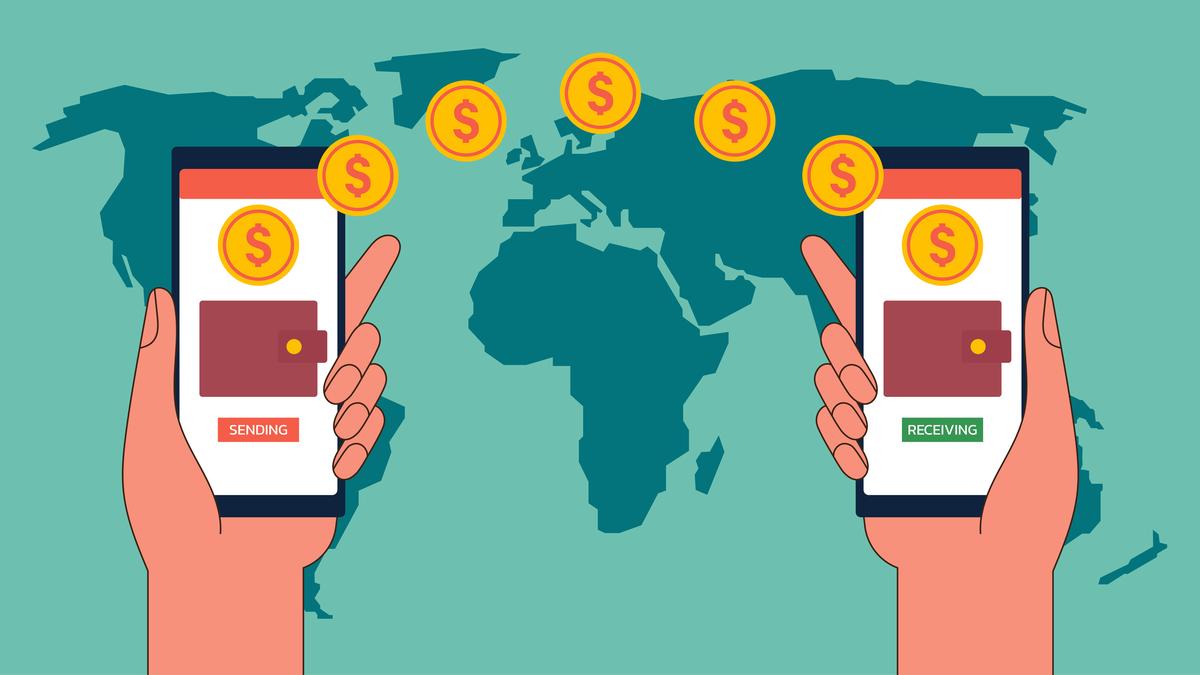
Global communication network concept. Planet earth in cyberspace.

Chain Core: A Game-Changer in Cross-Border Payments

Chain Core is a blockchain infrastructure developed by Chain, designed to support the creation and deployment of decentralized applications (dApps) for enterprises. It focuses on providing a highly scalable, secure, and efficient platform for handling financial transactions, including cross-border payments. Chain Core leverages blockchain’s advantages to eliminate intermediaries and reduce the costs and time associated with international transactions.

The Chain Core platform provides several key features that enable it to address the challenges of traditional cross-border payment systems:

1. Elimination of Intermediaries

The most significant way Chain Core reduces cross-border payment costs is by eliminating the need for intermediaries. In traditional systems, correspondent banks, clearinghouses, and payment processors charge fees for their services. These fees can add up quickly, particularly for smaller or more frequent transactions. By using Chain Core, the need for intermediaries is removed. Payments are made directly from sender to recipient via the blockchain, which ensures that the fees are significantly lower.

2. Enhanced Security and Transparency

Chain Core uses advanced cryptographic techniques to ensure the security of each transaction. Transactions are validated by consensus algorithms and recorded on a distributed ledger, which guarantees that they are tamper-proof and transparent. Each participant in the network can view the status of a transaction in real-time, increasing trust and reducing the chances of fraud or errors.

For example, a business making a cross-border payment can track the entire transaction process from start to finish, ensuring that funds are sent and received correctly. The transparency provided by Chain Core helps eliminate the uncertainties and risks often associated with traditional payment systems.

3. Real-Time Payments

One of the major drawbacks of traditional cross-border payments is the time it takes for transactions to be processed. Cross-border payments can take several days due to various factors, such as time zone differences, regulatory approvals, and manual interventions. Chain Core processes transactions in real-time, making cross-border payments as fast as domestic payments.

For instance, a company sending funds from the United States to a supplier in China can complete the transaction within minutes, rather than waiting for several days for the funds to be cleared and settled through intermediaries.

4. Reduced Currency Conversion Costs

When cross-border payments involve different currencies, currency conversion becomes a significant cost factor. Traditional payment systems often add a margin to the exchange rate, increasing the cost of the transaction. Chain Core reduces this problem by allowing payments to be made in the digital representation of a national currency, eliminating the need for intermediaries to convert between currencies. This can lead to substantial savings, especially in regions where exchange rate margins are high.

Furthermore, Chain Core supports the creation of digital assets that represent national currencies, enabling businesses to transfer value across borders without having to rely on fiat currency intermediaries. This capability allows for efficient and low-cost currency exchanges.

5. Smart Contracts for Payment Automation

Chain Core supports the use of smart contracts, which are self-executing contracts where the terms of the agreement are written directly into code. These smart contracts can be used to automate the payment process, reducing the need for manual intervention and minimizing human errors. For example, a smart contract could automatically trigger a payment when certain conditions are met (e.g., when goods are shipped or when invoices are approved).

This automation not only speeds up the process but also ensures that payments are made on time and according to agreed terms. Smart contracts reduce the administrative burden and overhead costs often associated with cross-border payments.

6. Scalability for Global Use

Chain Core is designed to handle large-scale, high-frequency transactions, making it ideal for enterprises and financial institutions that deal with large volumes of cross-border payments. Its scalability ensures that businesses, regardless of size, can use Chain Core for their international payment needs.

The ability to scale easily means that Chain Core can be adopted by businesses across industries, from small startups to large multinational corporations. As the adoption of blockchain technology continues to grow, the infrastructure provided by Chain Core will become an essential tool for companies seeking to optimize their global payment operations.

Benefits of Using Chain Core for Cross-Border Payments

By leveraging Chain Core, businesses and financial institutions can experience several key benefits:

  • Cost Efficiency: By eliminating intermediaries, Chain Core reduces transaction fees and currency conversion costs.
  • Faster Payments: With real-time transaction processing, businesses can send and receive cross-border payments almost instantly.
  • Enhanced Security: The blockchain-based system ensures that transactions are secure, transparent, and tamper-proof.
  • Improved Cash Flow: Faster payments and reduced fees mean that businesses can improve their working capital and cash flow management.
  • Global Accessibility: Chain Core enables businesses to engage in cross-border transactions seamlessly, regardless of geographical location or banking infrastructure.

Conclusion

In conclusion, Chain Core is revolutionizing the landscape of cross-border payments by removing intermediaries, reducing transaction costs, and increasing transaction speed and transparency. By leveraging blockchain technology, Chain Core offers a scalable, secure, and cost-efficient solution that can significantly improve the efficiency of global financial transactions.

As more businesses and financial institutions adopt blockchain-based solutions like Chain Core, the global payments ecosystem will continue to evolve, leading to a more streamlined, cost-effective, and transparent system for international trade and finance.


Tags: BlockchainChain coreCross-border payment
ShareTweetShare

Related Posts

Cross-Chain Compatibility: Addressing the Challenges and Solutions
Chain Core

Cross-Chain Compatibility: Addressing the Challenges and Solutions

December 1, 2025
The Security Issues of Consensus Mechanisms: An Ongoing Debate
Chain Core

The Security Issues of Consensus Mechanisms: An Ongoing Debate

November 30, 2025
The Lightning Network: The Most Famous Layer 2 Solution on Bitcoin
Chain Core

The Lightning Network: The Most Famous Layer 2 Solution on Bitcoin

November 29, 2025
Consensus Mechanisms of Layer 1 and Layer 2: The Backbone of Blockchain Scalability
Chain Core

Consensus Mechanisms of Layer 1 and Layer 2: The Backbone of Blockchain Scalability

November 28, 2025
Proof of Stake vs Proof of Work
Chain Core

Proof of Stake vs Proof of Work

November 27, 2025
Multi-Consensus Algorithms: Evolving the Future of Blockchain Technology
Chain Core

Multi-Consensus Algorithms: Evolving the Future of Blockchain Technology

November 26, 2025
Leave Comment
  • Trending
  • Comments
  • Latest
Combining Virtual Reality in the Metaverse with NFTs: Creating Richer Digital Experiences and Business Models

Combining Virtual Reality in the Metaverse with NFTs: Creating Richer Digital Experiences and Business Models

October 21, 2025
Leveraging Limited Edition NFT Merchandise to Attract Young Consumers, Enhance Brand Uniqueness, and Build Loyalty

Leveraging Limited Edition NFT Merchandise to Attract Young Consumers, Enhance Brand Uniqueness, and Build Loyalty

October 21, 2025
The Explosive Growth of the NFT Art Market: Scale, Activity, and Future Prospects

The Explosive Growth of the NFT Art Market: Scale, Activity, and Future Prospects

October 21, 2025
Brands and the Future of Commerce: Selling Virtual Goods through NFTs Tied to Physical Products

Brands and the Future of Commerce: Selling Virtual Goods through NFTs Tied to Physical Products

October 21, 2025
The Future Development Trend of Bitcoin

The Future Development Trend of Bitcoin

The Rise of Layer 2 Technology: Scaling Ethereum with Solutions like Optimism and Arbitrum

The Rise of Layer 2 Technology: Scaling Ethereum with Solutions like Optimism and Arbitrum

How Businesses Can Enhance Supply Chain Flexibility and Resilience Through Diversified Sourcing, Localized Production, and Risk Management Frameworks to Face Future Global Crises or Geopolitical Risks

How Businesses Can Enhance Supply Chain Flexibility and Resilience Through Diversified Sourcing, Localized Production, and Risk Management Frameworks to Face Future Global Crises or Geopolitical Risks

The Role of Blockchain in the Metaverse: New Infrastructure for the Virtual World

The Role of Blockchain in the Metaverse: New Infrastructure for the Virtual World

Environmental Concerns in the NFT Industry: Balancing Innovation with Sustainability

Environmental Concerns in the NFT Industry: Balancing Innovation with Sustainability

December 1, 2025
Electronic Health Records (EHR): Transforming Healthcare for the Future

Electronic Health Records (EHR): Transforming Healthcare for the Future

December 1, 2025
Sustainable Yield: Unlocking the Potential for Long-Term Financial Growth

Sustainable Yield: Unlocking the Potential for Long-Term Financial Growth

December 1, 2025
Cross-Chain Compatibility: Addressing the Challenges and Solutions

Cross-Chain Compatibility: Addressing the Challenges and Solutions

December 1, 2025
BlockChainIndex.net

From Layer2 technical deep dives to NFT market forecasting, we curate professional perspectives through on-chain analytics and industry expert collaborations. Stay ahead in blockchain innovation.

© 2025 blockchainindex.com. contacts:[email protected]

No Result
View All Result
  • Home
  • Chain Core
  • Crypto Markets
  • Enterprise Chain
  • NFT Frontier
  • On-Chain Lens
  • Reg Radar

© 2025 blockchainindex.com. contacts:[email protected]

Welcome Back!

Login to your account below

Forgotten Password?

Retrieve your password

Please enter your username or email address to reset your password.

Log In