



































BlockChainIndex.net
  • Home
  • Chain Core
    Cross-Chain Compatibility: Addressing the Challenges and Solutions

    Cross-Chain Compatibility: Addressing the Challenges and Solutions

    The Security Issues of Consensus Mechanisms: An Ongoing Debate

    The Security Issues of Consensus Mechanisms: An Ongoing Debate

    The Lightning Network: The Most Famous Layer 2 Solution on Bitcoin

    The Lightning Network: The Most Famous Layer 2 Solution on Bitcoin

    Consensus Mechanisms of Layer 1 and Layer 2: The Backbone of Blockchain Scalability

    Consensus Mechanisms of Layer 1 and Layer 2: The Backbone of Blockchain Scalability

    Proof of Stake vs Proof of Work

    Proof of Stake vs Proof of Work

    Multi-Consensus Algorithms: Evolving the Future of Blockchain Technology

    Multi-Consensus Algorithms: Evolving the Future of Blockchain Technology

  • Crypto Markets
    Sustainable Yield: Unlocking the Potential for Long-Term Financial Growth

    Sustainable Yield: Unlocking the Potential for Long-Term Financial Growth

    Market Sentiment and Macroeconomic Factors: Interactions and Impacts

    Market Sentiment and Macroeconomic Factors: Interactions and Impacts

    Leveraging On-Chain Data for Real-Time Market Analysis and Intelligence for Investors

    Leveraging On-Chain Data for Real-Time Market Analysis and Intelligence for Investors

    The Stock-to-Flow Model: Analyzing Bitcoin’s Scarcity and Price Predictions

    The Stock-to-Flow Model: Analyzing Bitcoin’s Scarcity and Price Predictions

    Bitcoin Price Volatility and Its Impact on the Entire Market Trend

    Bitcoin Price Volatility and Its Impact on the Entire Market Trend

    The Shifting Dominance of Bitcoin in the Cryptocurrency Market: A Key Indicator for Market Analysis

    The Shifting Dominance of Bitcoin in the Cryptocurrency Market: A Key Indicator for Market Analysis

  • Enterprise Chain
    Electronic Health Records (EHR): Transforming Healthcare for the Future

    Electronic Health Records (EHR): Transforming Healthcare for the Future

    The Integration of Supply Chains and the Internet of Things (IoT)

    The Integration of Supply Chains and the Internet of Things (IoT)

    Supply Chain Financing and Payments

    Supply Chain Financing and Payments

    Optimizing Supply Chain Protocols with Smart Contracts

    Optimizing Supply Chain Protocols with Smart Contracts

    Walmart and IBM’s Food Safety Blockchain Collaboration: Using Blockchain Technology to Track Food Sources and Movement

    Walmart and IBM’s Food Safety Blockchain Collaboration: Using Blockchain Technology to Track Food Sources and Movement

    Global Food Traceability: Ensuring Safety, Transparency, and Sustainability in the Food Supply Chain

    Global Food Traceability: Ensuring Safety, Transparency, and Sustainability in the Food Supply Chain

  • NFT Frontier
    Environmental Concerns in the NFT Industry: Balancing Innovation with Sustainability

    Environmental Concerns in the NFT Industry: Balancing Innovation with Sustainability

    NFT Copyright and Intellectual Property Issues

    NFT Copyright and Intellectual Property Issues

    Decentralization of the Art Market: A New Era of Digital Ownership

    Decentralization of the Art Market: A New Era of Digital Ownership

    NFTs Disrupting the Traditional Art Market

    NFTs Disrupting the Traditional Art Market

    The Explosion of Digital Art and the NFT Market: Revolutionizing the Art World

    The Explosion of Digital Art and the NFT Market: Revolutionizing the Art World

    Emerging Trends in Digital Collectibles: The Future of Ownership in the Digital Age

    Emerging Trends in Digital Collectibles: The Future of Ownership in the Digital Age

  • On-Chain Lens
    Balancing Privacy and Security: A Critical Exploration in the Digital Age

    Balancing Privacy and Security: A Critical Exploration in the Digital Age

    Despite Blockchain Transactions Being Public and Transparent, the Anonymity of Wallets Remains a Challenge

    Despite Blockchain Transactions Being Public and Transparent, the Anonymity of Wallets Remains a Challenge

    Wallet and Smart Contract Interaction: Key Analysis Objects of On-Chain Lens Technology

    Wallet and Smart Contract Interaction: Key Analysis Objects of On-Chain Lens Technology

    On-Chain Lens: Analyzing the Flow of Funds Between Wallets Using Blockchain’s Public Ledger

    On-Chain Lens: Analyzing the Flow of Funds Between Wallets Using Blockchain’s Public Ledger

    Tracking and Analyzing Capital Flows: A Comprehensive Guide to Understanding Financial Movements

    Tracking and Analyzing Capital Flows: A Comprehensive Guide to Understanding Financial Movements

    Wallet Behavior Analysis: The Core of On-Chain Lens Technology

    Wallet Behavior Analysis: The Core of On-Chain Lens Technology

  • Reg Radar
    Building Compliance Frameworks: The Increasing Importance for Crypto Companies in Addressing Regulatory Challenges

    Building Compliance Frameworks: The Increasing Importance for Crypto Companies in Addressing Regulatory Challenges

    Global Consistency and Diversity: Navigating the Balance in a Connected World

    Global Consistency and Diversity: Navigating the Balance in a Connected World

    The European Union’s MiCA Regulation: A New Era for Crypto-Asset Regulation

    The European Union’s MiCA Regulation: A New Era for Crypto-Asset Regulation

    The Evolving Regulatory Landscape: Challenges and Opportunities for Crypto Businesses

    The Evolving Regulatory Landscape: Challenges and Opportunities for Crypto Businesses

    The Evolving Regulatory Frameworks Across Global Regions: Progress and Adjustments in the Face of Emerging Challenges

    The Evolving Regulatory Frameworks Across Global Regions: Progress and Adjustments in the Face of Emerging Challenges

    The U.S. SEC: One of the Most Important Regulatory Bodies for the Crypto Market

    The U.S. SEC: One of the Most Important Regulatory Bodies for the Crypto Market

BlockChainIndex.net
  • Home
  • Chain Core
    Cross-Chain Compatibility: Addressing the Challenges and Solutions

    Cross-Chain Compatibility: Addressing the Challenges and Solutions

    The Security Issues of Consensus Mechanisms: An Ongoing Debate

    The Security Issues of Consensus Mechanisms: An Ongoing Debate

    The Lightning Network: The Most Famous Layer 2 Solution on Bitcoin

    The Lightning Network: The Most Famous Layer 2 Solution on Bitcoin

    Consensus Mechanisms of Layer 1 and Layer 2: The Backbone of Blockchain Scalability

    Consensus Mechanisms of Layer 1 and Layer 2: The Backbone of Blockchain Scalability

    Proof of Stake vs Proof of Work

    Proof of Stake vs Proof of Work

    Multi-Consensus Algorithms: Evolving the Future of Blockchain Technology

    Multi-Consensus Algorithms: Evolving the Future of Blockchain Technology

  • Crypto Markets
    Sustainable Yield: Unlocking the Potential for Long-Term Financial Growth

    Sustainable Yield: Unlocking the Potential for Long-Term Financial Growth

    Market Sentiment and Macroeconomic Factors: Interactions and Impacts

    Market Sentiment and Macroeconomic Factors: Interactions and Impacts

    Leveraging On-Chain Data for Real-Time Market Analysis and Intelligence for Investors

    Leveraging On-Chain Data for Real-Time Market Analysis and Intelligence for Investors

    The Stock-to-Flow Model: Analyzing Bitcoin’s Scarcity and Price Predictions

    The Stock-to-Flow Model: Analyzing Bitcoin’s Scarcity and Price Predictions

    Bitcoin Price Volatility and Its Impact on the Entire Market Trend

    Bitcoin Price Volatility and Its Impact on the Entire Market Trend

    The Shifting Dominance of Bitcoin in the Cryptocurrency Market: A Key Indicator for Market Analysis

    The Shifting Dominance of Bitcoin in the Cryptocurrency Market: A Key Indicator for Market Analysis

  • Enterprise Chain
    Electronic Health Records (EHR): Transforming Healthcare for the Future

    Electronic Health Records (EHR): Transforming Healthcare for the Future

    The Integration of Supply Chains and the Internet of Things (IoT)

    The Integration of Supply Chains and the Internet of Things (IoT)

    Supply Chain Financing and Payments

    Supply Chain Financing and Payments

    Optimizing Supply Chain Protocols with Smart Contracts

    Optimizing Supply Chain Protocols with Smart Contracts

    Walmart and IBM’s Food Safety Blockchain Collaboration: Using Blockchain Technology to Track Food Sources and Movement

    Walmart and IBM’s Food Safety Blockchain Collaboration: Using Blockchain Technology to Track Food Sources and Movement

    Global Food Traceability: Ensuring Safety, Transparency, and Sustainability in the Food Supply Chain

    Global Food Traceability: Ensuring Safety, Transparency, and Sustainability in the Food Supply Chain

  • NFT Frontier
    Environmental Concerns in the NFT Industry: Balancing Innovation with Sustainability

    Environmental Concerns in the NFT Industry: Balancing Innovation with Sustainability

    NFT Copyright and Intellectual Property Issues

    NFT Copyright and Intellectual Property Issues

    Decentralization of the Art Market: A New Era of Digital Ownership

    Decentralization of the Art Market: A New Era of Digital Ownership

    NFTs Disrupting the Traditional Art Market

    NFTs Disrupting the Traditional Art Market

    The Explosion of Digital Art and the NFT Market: Revolutionizing the Art World

    The Explosion of Digital Art and the NFT Market: Revolutionizing the Art World

    Emerging Trends in Digital Collectibles: The Future of Ownership in the Digital Age

    Emerging Trends in Digital Collectibles: The Future of Ownership in the Digital Age

  • On-Chain Lens
    Balancing Privacy and Security: A Critical Exploration in the Digital Age

    Balancing Privacy and Security: A Critical Exploration in the Digital Age

    Despite Blockchain Transactions Being Public and Transparent, the Anonymity of Wallets Remains a Challenge

    Despite Blockchain Transactions Being Public and Transparent, the Anonymity of Wallets Remains a Challenge

    Wallet and Smart Contract Interaction: Key Analysis Objects of On-Chain Lens Technology

    Wallet and Smart Contract Interaction: Key Analysis Objects of On-Chain Lens Technology

    On-Chain Lens: Analyzing the Flow of Funds Between Wallets Using Blockchain’s Public Ledger

    On-Chain Lens: Analyzing the Flow of Funds Between Wallets Using Blockchain’s Public Ledger

    Tracking and Analyzing Capital Flows: A Comprehensive Guide to Understanding Financial Movements

    Tracking and Analyzing Capital Flows: A Comprehensive Guide to Understanding Financial Movements

    Wallet Behavior Analysis: The Core of On-Chain Lens Technology

    Wallet Behavior Analysis: The Core of On-Chain Lens Technology

  • Reg Radar
    Building Compliance Frameworks: The Increasing Importance for Crypto Companies in Addressing Regulatory Challenges

    Building Compliance Frameworks: The Increasing Importance for Crypto Companies in Addressing Regulatory Challenges

    Global Consistency and Diversity: Navigating the Balance in a Connected World

    Global Consistency and Diversity: Navigating the Balance in a Connected World

    The European Union’s MiCA Regulation: A New Era for Crypto-Asset Regulation

    The European Union’s MiCA Regulation: A New Era for Crypto-Asset Regulation

    The Evolving Regulatory Landscape: Challenges and Opportunities for Crypto Businesses

    The Evolving Regulatory Landscape: Challenges and Opportunities for Crypto Businesses

    The Evolving Regulatory Frameworks Across Global Regions: Progress and Adjustments in the Face of Emerging Challenges

    The Evolving Regulatory Frameworks Across Global Regions: Progress and Adjustments in the Face of Emerging Challenges

    The U.S. SEC: One of the Most Important Regulatory Bodies for the Crypto Market

    The U.S. SEC: One of the Most Important Regulatory Bodies for the Crypto Market

BlockChainIndex.net
No Result
View All Result
Home On-Chain Lens

How to Achieve Cross-Chain Data Sharing While Ensuring Data Privacy

September 18, 2025
in On-Chain Lens
How to Achieve Cross-Chain Data Sharing While Ensuring Data Privacy

Introduction

Blockchain technology has revolutionized the way we think about decentralized systems, offering benefits like transparency, security, and immutability. However, as the blockchain ecosystem expands and diversifies, the need for cross-chain interoperability has become increasingly critical. Different blockchains, each with their own unique features and use cases, need to communicate and share data with one another to create a more interconnected and efficient decentralized ecosystem.

Cross-chain data sharing holds immense promise for various sectors, from decentralized finance (DeFi) to supply chain management. But there is a major challenge: ensuring data privacy while enabling data to flow seamlessly across multiple blockchains. Given the decentralized nature of blockchain networks and the need for privacy, ensuring the confidentiality of sensitive data while allowing for its interoperability has emerged as a significant technical and regulatory challenge.

This article delves into how we can achieve cross-chain data sharing while maintaining the integrity and privacy of user data. We will explore the technological advancements, challenges, and potential solutions involved, focusing on concepts such as Zero-Knowledge Proofs (ZKPs), privacy-preserving protocols, interoperability standards, and regulatory considerations.


1. The Rise of Cross-Chain Data Sharing

1.1. The Need for Cross-Chain Interoperability

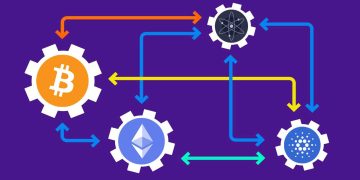
The concept of interoperability in blockchain refers to the ability of different blockchains to communicate and share information with each other. In an ideal decentralized world, no blockchain should operate in isolation. Cross-chain interoperability enables decentralized applications (dApps), DeFi protocols, and other blockchain-based services to interact across different ecosystems.

For example, imagine a user wants to transfer an asset from Ethereum to Polkadot or retrieve supply chain data from a Hyperledger network while utilizing it in a Solana-based application. Achieving this cross-chain functionality requires data sharing mechanisms that allow data to flow freely across disparate networks, enabling a unified experience for the user and a more efficient decentralized economy.

Key benefits of cross-chain interoperability:

  • Increased liquidity: Cross-chain functionality can facilitate the seamless transfer of assets between different blockchain ecosystems, increasing liquidity.
  • Diverse use cases: Interoperable blockchains can enable new use cases by allowing smart contracts to interact with different protocols and chains simultaneously.
  • Scalability: Distributing transactions across multiple blockchains can reduce congestion and improve overall scalability.

1.2. Privacy Concerns in Cross-Chain Data Sharing

While interoperability offers significant advantages, it brings up a key concern: privacy. Blockchain technology is inherently transparent—transactions are publicly recorded on the ledger. While this transparency is useful for auditing and verification, it can also pose risks for data confidentiality.

For example:

  • User data exposure: Cross-chain transactions may involve exposing sensitive information such as transaction details, financial data, or personal identifiers.
  • Security vulnerabilities: Interoperable systems could inadvertently introduce vulnerabilities, leading to data leaks, hacks, or unauthorized data access if not properly secured.

Thus, the challenge lies in allowing blockchains to share data across ecosystems while ensuring that sensitive data is not exposed or compromised.


2. Technologies Enabling Privacy-Preserving Cross-Chain Data Sharing

To ensure privacy in cross-chain data sharing, several technologies are being developed and implemented. These technologies aim to preserve the confidentiality of user data while maintaining the necessary interoperability between chains.

2.1. Zero-Knowledge Proofs (ZKPs)

One of the most promising technologies for ensuring privacy in blockchain applications is Zero-Knowledge Proofs (ZKPs). A Zero-Knowledge Proof allows one party to prove to another party that they know a value without revealing the value itself. ZKPs enable private verification of transactions or data across different blockchains without exposing the underlying information.

In the context of cross-chain interoperability, ZKPs can be used to prove the validity of a transaction or data transfer between chains without revealing the specific details of the transaction, such as asset amounts or user information. This can be particularly useful when transferring assets or data between chains with varying privacy policies.

For example:

  • zk-SNARKs (Zero-Knowledge Succinct Non-Interactive Argument of Knowledge) can be used to verify transactions or state changes in one blockchain and then prove that the state change was legitimate on another chain, all without disclosing private details of the transactions.

Applications of ZKPs in Cross-Chain Data Sharing:

  • Private asset transfers: Using ZKPs, users can prove that they own an asset on one blockchain and are transferring it to another blockchain without revealing the amount or sender details.
  • Confidential smart contracts: ZKPs can allow smart contracts to execute on multiple blockchains while preserving privacy and keeping contract details confidential.

2.2. Privacy-Preserving Protocols: zk-rollups and Privacy Chains

Another approach to ensuring privacy in cross-chain interactions is through privacy-preserving protocols like zk-rollups and privacy-focused blockchains.

zk-rollups:

  • zk-rollups are layer-2 solutions that bundle multiple transactions into a single proof that can be submitted to the main chain. This approach significantly reduces the amount of data exposed on the main chain while preserving privacy.
  • zk-rollups can allow multiple blockchains to aggregate their data and transactions, ensuring minimal data leakage and preventing exposure of sensitive information during cross-chain operations.

Privacy-Focused Blockchains:

Some blockchain networks are built specifically with privacy in mind, utilizing cryptographic methods such as ring signatures, confidential transactions, and zk-SNARKs to obfuscate transaction data. These privacy chains can act as intermediaries for cross-chain transactions, ensuring that data remains private before it is transmitted across ecosystems.

Examples include:

  • Monero and Zcash: Both privacy coins use advanced cryptographic techniques to ensure that the details of transactions are obscured while maintaining the integrity of the blockchain.
  • Secret Network: Built around privacy-preserving smart contracts, Secret Network enables private computations on smart contracts, ensuring that sensitive data can be processed and shared across chains without being exposed.

2.3. Interoperability Protocols and Bridges

To facilitate cross-chain communication, interoperability protocols and cross-chain bridges are being developed. These solutions allow different blockchains to interact, exchange data, and share assets. To ensure privacy, these protocols are being designed with encryption and other privacy-preserving technologies.

  • IBC (Inter-Blockchain Communication Protocol): IBC is a communication protocol for transferring data and assets between different blockchains. It allows for secure, interoperable transfers of tokens and information while integrating privacy protocols to shield sensitive data.
  • Cross-Chain Bridges with Encryption: Cross-chain bridges connect two or more blockchains, enabling the transfer of tokens and data between them. To ensure privacy during the transfer, many of these bridges now utilize encryption techniques to prevent data exposure during the transaction process.

Use Cases for Privacy-Preserving Cross-Chain Bridges:

  • Cross-chain DeFi applications: Privacy-preserving bridges could enable users to access DeFi services on multiple blockchains while keeping their financial data confidential.
  • Private data sharing in healthcare: In sectors like healthcare, cross-chain data sharing can allow the movement of medical records between different blockchains, ensuring the privacy of sensitive patient data.

3. Regulatory and Compliance Challenges

While privacy-preserving technologies are essential for ensuring secure and confidential data sharing, they also raise questions about compliance and regulation.

3.1. Balancing Privacy with Regulatory Requirements

Regulatory frameworks around the world are evolving to deal with decentralized technologies. Privacy-preserving cross-chain data sharing systems must navigate complex regulatory environments, particularly around data protection laws such as the General Data Protection Regulation (GDPR) in Europe or the California Consumer Privacy Act (CCPA) in the United States.

Challenges:

  • Data sovereignty: The decentralized and cross-border nature of blockchain makes it difficult to apply regional data protection laws, such as GDPR, to blockchain-based systems.
  • Anonymity vs. KYC/AML: While privacy is crucial, it must be balanced with the need for compliance with Know Your Customer (KYC) and Anti-Money Laundering (AML) regulations, particularly in financial transactions.

3.2. Transparent Audits vs. Data Privacy

Another issue is maintaining a balance between privacy and transparency. Regulatory authorities may require transparency and accountability in cross-chain transactions to prevent fraud, money laundering, and other illicit activities. At the same time, confidentiality of sensitive data must be preserved.

Solution: Hybrid models, where private data is hidden through encryption or zk-proofs but still ensures compliance with regulations, could emerge as a solution to this tension. Regulators may also require cryptographic methods to allow for transparent audits without exposing personal or transactional data.


4. Future Directions and the Road Ahead

4.1. Standardization and Interoperability Frameworks

As cross-chain data sharing grows, the need for standardized frameworks to ensure seamless and secure communication between blockchains is becoming more apparent. Collaborative efforts by blockchain organizations and standard-setting bodies, such as the World Wide Web Consortium (W3C), are vital to ensuring that interoperability protocols adhere to common standards.

4.2. The Role of Decentralized Identity

Decentralized identity (DID) solutions could provide another way to ensure privacy in cross-chain data sharing. DIDs allow individuals to own and control their digital identity without relying on a centralized authority. When integrated with cross-chain systems, DIDs can help maintain privacy while ensuring secure and verifiable transactions

across multiple blockchains.


Conclusion

Achieving cross-chain data sharing while ensuring privacy is a multi-faceted challenge, but it is one that is critical to the growth and adoption of blockchain technology. As we have seen, technologies like Zero-Knowledge Proofs, zk-rollups, privacy-preserving protocols, and interoperability frameworks can enable secure and private data transfer across different blockchains. However, regulatory considerations also play a vital role in shaping how privacy and transparency are balanced in decentralized systems.

The future of cross-chain data sharing lies in the continuous development of privacy technologies and cross-chain protocols, ensuring that users’ sensitive data remains protected while enabling the seamless flow of information across blockchain ecosystems. With careful innovation and regulatory collaboration, it is possible to unlock the full potential of a truly interoperable, privacy-preserving decentralized economy.

Tags: BlockchainCross-chain dataOn-chain lens
ShareTweetShare

Related Posts

Balancing Privacy and Security: A Critical Exploration in the Digital Age
On-Chain Lens

Balancing Privacy and Security: A Critical Exploration in the Digital Age

November 30, 2025
Despite Blockchain Transactions Being Public and Transparent, the Anonymity of Wallets Remains a Challenge
On-Chain Lens

Despite Blockchain Transactions Being Public and Transparent, the Anonymity of Wallets Remains a Challenge

November 29, 2025
Wallet and Smart Contract Interaction: Key Analysis Objects of On-Chain Lens Technology
On-Chain Lens

Wallet and Smart Contract Interaction: Key Analysis Objects of On-Chain Lens Technology

November 28, 2025
On-Chain Lens: Analyzing the Flow of Funds Between Wallets Using Blockchain’s Public Ledger
On-Chain Lens

On-Chain Lens: Analyzing the Flow of Funds Between Wallets Using Blockchain’s Public Ledger

November 27, 2025
Tracking and Analyzing Capital Flows: A Comprehensive Guide to Understanding Financial Movements
On-Chain Lens

Tracking and Analyzing Capital Flows: A Comprehensive Guide to Understanding Financial Movements

November 26, 2025
Wallet Behavior Analysis: The Core of On-Chain Lens Technology
On-Chain Lens

Wallet Behavior Analysis: The Core of On-Chain Lens Technology

November 25, 2025
Leave Comment
  • Trending
  • Comments
  • Latest
Combining Virtual Reality in the Metaverse with NFTs: Creating Richer Digital Experiences and Business Models

Combining Virtual Reality in the Metaverse with NFTs: Creating Richer Digital Experiences and Business Models

October 21, 2025
Leveraging Limited Edition NFT Merchandise to Attract Young Consumers, Enhance Brand Uniqueness, and Build Loyalty

Leveraging Limited Edition NFT Merchandise to Attract Young Consumers, Enhance Brand Uniqueness, and Build Loyalty

October 21, 2025
The Explosive Growth of the NFT Art Market: Scale, Activity, and Future Prospects

The Explosive Growth of the NFT Art Market: Scale, Activity, and Future Prospects

October 21, 2025
Brands and the Future of Commerce: Selling Virtual Goods through NFTs Tied to Physical Products

Brands and the Future of Commerce: Selling Virtual Goods through NFTs Tied to Physical Products

October 21, 2025
The Future Development Trend of Bitcoin

The Future Development Trend of Bitcoin

The Rise of Layer 2 Technology: Scaling Ethereum with Solutions like Optimism and Arbitrum

The Rise of Layer 2 Technology: Scaling Ethereum with Solutions like Optimism and Arbitrum

How Businesses Can Enhance Supply Chain Flexibility and Resilience Through Diversified Sourcing, Localized Production, and Risk Management Frameworks to Face Future Global Crises or Geopolitical Risks

How Businesses Can Enhance Supply Chain Flexibility and Resilience Through Diversified Sourcing, Localized Production, and Risk Management Frameworks to Face Future Global Crises or Geopolitical Risks

The Role of Blockchain in the Metaverse: New Infrastructure for the Virtual World

The Role of Blockchain in the Metaverse: New Infrastructure for the Virtual World

Environmental Concerns in the NFT Industry: Balancing Innovation with Sustainability

Environmental Concerns in the NFT Industry: Balancing Innovation with Sustainability

December 1, 2025
Electronic Health Records (EHR): Transforming Healthcare for the Future

Electronic Health Records (EHR): Transforming Healthcare for the Future

December 1, 2025
Sustainable Yield: Unlocking the Potential for Long-Term Financial Growth

Sustainable Yield: Unlocking the Potential for Long-Term Financial Growth

December 1, 2025
Cross-Chain Compatibility: Addressing the Challenges and Solutions

Cross-Chain Compatibility: Addressing the Challenges and Solutions

December 1, 2025
BlockChainIndex.net

From Layer2 technical deep dives to NFT market forecasting, we curate professional perspectives through on-chain analytics and industry expert collaborations. Stay ahead in blockchain innovation.

© 2025 blockchainindex.com. contacts:[email protected]

No Result
View All Result
  • Home
  • Chain Core
  • Crypto Markets
  • Enterprise Chain
  • NFT Frontier
  • On-Chain Lens
  • Reg Radar

© 2025 blockchainindex.com. contacts:[email protected]

Welcome Back!

Login to your account below

Forgotten Password?

Retrieve your password

Please enter your username or email address to reset your password.

Log In