






























BlockChainIndex.net
  • Home
  • Chain Core
    Cross-Chain Compatibility: Addressing the Challenges and Solutions

    Cross-Chain Compatibility: Addressing the Challenges and Solutions

    The Security Issues of Consensus Mechanisms: An Ongoing Debate

    The Security Issues of Consensus Mechanisms: An Ongoing Debate

    The Lightning Network: The Most Famous Layer 2 Solution on Bitcoin

    The Lightning Network: The Most Famous Layer 2 Solution on Bitcoin

    Consensus Mechanisms of Layer 1 and Layer 2: The Backbone of Blockchain Scalability

    Consensus Mechanisms of Layer 1 and Layer 2: The Backbone of Blockchain Scalability

    Proof of Stake vs Proof of Work

    Proof of Stake vs Proof of Work

    Multi-Consensus Algorithms: Evolving the Future of Blockchain Technology

    Multi-Consensus Algorithms: Evolving the Future of Blockchain Technology

  • Crypto Markets
    Sustainable Yield: Unlocking the Potential for Long-Term Financial Growth

    Sustainable Yield: Unlocking the Potential for Long-Term Financial Growth

    Market Sentiment and Macroeconomic Factors: Interactions and Impacts

    Market Sentiment and Macroeconomic Factors: Interactions and Impacts

    Leveraging On-Chain Data for Real-Time Market Analysis and Intelligence for Investors

    Leveraging On-Chain Data for Real-Time Market Analysis and Intelligence for Investors

    The Stock-to-Flow Model: Analyzing Bitcoin’s Scarcity and Price Predictions

    The Stock-to-Flow Model: Analyzing Bitcoin’s Scarcity and Price Predictions

    Bitcoin Price Volatility and Its Impact on the Entire Market Trend

    Bitcoin Price Volatility and Its Impact on the Entire Market Trend

    The Shifting Dominance of Bitcoin in the Cryptocurrency Market: A Key Indicator for Market Analysis

    The Shifting Dominance of Bitcoin in the Cryptocurrency Market: A Key Indicator for Market Analysis

  • Enterprise Chain
    Electronic Health Records (EHR): Transforming Healthcare for the Future

    Electronic Health Records (EHR): Transforming Healthcare for the Future

    The Integration of Supply Chains and the Internet of Things (IoT)

    The Integration of Supply Chains and the Internet of Things (IoT)

    Supply Chain Financing and Payments

    Supply Chain Financing and Payments

    Optimizing Supply Chain Protocols with Smart Contracts

    Optimizing Supply Chain Protocols with Smart Contracts

    Walmart and IBM’s Food Safety Blockchain Collaboration: Using Blockchain Technology to Track Food Sources and Movement

    Walmart and IBM’s Food Safety Blockchain Collaboration: Using Blockchain Technology to Track Food Sources and Movement

    Global Food Traceability: Ensuring Safety, Transparency, and Sustainability in the Food Supply Chain

    Global Food Traceability: Ensuring Safety, Transparency, and Sustainability in the Food Supply Chain

  • NFT Frontier
    Environmental Concerns in the NFT Industry: Balancing Innovation with Sustainability

    Environmental Concerns in the NFT Industry: Balancing Innovation with Sustainability

    NFT Copyright and Intellectual Property Issues

    NFT Copyright and Intellectual Property Issues

    Decentralization of the Art Market: A New Era of Digital Ownership

    Decentralization of the Art Market: A New Era of Digital Ownership

    NFTs Disrupting the Traditional Art Market

    NFTs Disrupting the Traditional Art Market

    The Explosion of Digital Art and the NFT Market: Revolutionizing the Art World

    The Explosion of Digital Art and the NFT Market: Revolutionizing the Art World

    Emerging Trends in Digital Collectibles: The Future of Ownership in the Digital Age

    Emerging Trends in Digital Collectibles: The Future of Ownership in the Digital Age

  • On-Chain Lens
    Balancing Privacy and Security: A Critical Exploration in the Digital Age

    Balancing Privacy and Security: A Critical Exploration in the Digital Age

    Despite Blockchain Transactions Being Public and Transparent, the Anonymity of Wallets Remains a Challenge

    Despite Blockchain Transactions Being Public and Transparent, the Anonymity of Wallets Remains a Challenge

    Wallet and Smart Contract Interaction: Key Analysis Objects of On-Chain Lens Technology

    Wallet and Smart Contract Interaction: Key Analysis Objects of On-Chain Lens Technology

    On-Chain Lens: Analyzing the Flow of Funds Between Wallets Using Blockchain’s Public Ledger

    On-Chain Lens: Analyzing the Flow of Funds Between Wallets Using Blockchain’s Public Ledger

    Tracking and Analyzing Capital Flows: A Comprehensive Guide to Understanding Financial Movements

    Tracking and Analyzing Capital Flows: A Comprehensive Guide to Understanding Financial Movements

    Wallet Behavior Analysis: The Core of On-Chain Lens Technology

    Wallet Behavior Analysis: The Core of On-Chain Lens Technology

  • Reg Radar
    Building Compliance Frameworks: The Increasing Importance for Crypto Companies in Addressing Regulatory Challenges

    Building Compliance Frameworks: The Increasing Importance for Crypto Companies in Addressing Regulatory Challenges

    Global Consistency and Diversity: Navigating the Balance in a Connected World

    Global Consistency and Diversity: Navigating the Balance in a Connected World

    The European Union’s MiCA Regulation: A New Era for Crypto-Asset Regulation

    The European Union’s MiCA Regulation: A New Era for Crypto-Asset Regulation

    The Evolving Regulatory Landscape: Challenges and Opportunities for Crypto Businesses

    The Evolving Regulatory Landscape: Challenges and Opportunities for Crypto Businesses

    The Evolving Regulatory Frameworks Across Global Regions: Progress and Adjustments in the Face of Emerging Challenges

    The Evolving Regulatory Frameworks Across Global Regions: Progress and Adjustments in the Face of Emerging Challenges

    The U.S. SEC: One of the Most Important Regulatory Bodies for the Crypto Market

    The U.S. SEC: One of the Most Important Regulatory Bodies for the Crypto Market

BlockChainIndex.net
  • Home
  • Chain Core
    Cross-Chain Compatibility: Addressing the Challenges and Solutions

    Cross-Chain Compatibility: Addressing the Challenges and Solutions

    The Security Issues of Consensus Mechanisms: An Ongoing Debate

    The Security Issues of Consensus Mechanisms: An Ongoing Debate

    The Lightning Network: The Most Famous Layer 2 Solution on Bitcoin

    The Lightning Network: The Most Famous Layer 2 Solution on Bitcoin

    Consensus Mechanisms of Layer 1 and Layer 2: The Backbone of Blockchain Scalability

    Consensus Mechanisms of Layer 1 and Layer 2: The Backbone of Blockchain Scalability

    Proof of Stake vs Proof of Work

    Proof of Stake vs Proof of Work

    Multi-Consensus Algorithms: Evolving the Future of Blockchain Technology

    Multi-Consensus Algorithms: Evolving the Future of Blockchain Technology

  • Crypto Markets
    Sustainable Yield: Unlocking the Potential for Long-Term Financial Growth

    Sustainable Yield: Unlocking the Potential for Long-Term Financial Growth

    Market Sentiment and Macroeconomic Factors: Interactions and Impacts

    Market Sentiment and Macroeconomic Factors: Interactions and Impacts

    Leveraging On-Chain Data for Real-Time Market Analysis and Intelligence for Investors

    Leveraging On-Chain Data for Real-Time Market Analysis and Intelligence for Investors

    The Stock-to-Flow Model: Analyzing Bitcoin’s Scarcity and Price Predictions

    The Stock-to-Flow Model: Analyzing Bitcoin’s Scarcity and Price Predictions

    Bitcoin Price Volatility and Its Impact on the Entire Market Trend

    Bitcoin Price Volatility and Its Impact on the Entire Market Trend

    The Shifting Dominance of Bitcoin in the Cryptocurrency Market: A Key Indicator for Market Analysis

    The Shifting Dominance of Bitcoin in the Cryptocurrency Market: A Key Indicator for Market Analysis

  • Enterprise Chain
    Electronic Health Records (EHR): Transforming Healthcare for the Future

    Electronic Health Records (EHR): Transforming Healthcare for the Future

    The Integration of Supply Chains and the Internet of Things (IoT)

    The Integration of Supply Chains and the Internet of Things (IoT)

    Supply Chain Financing and Payments

    Supply Chain Financing and Payments

    Optimizing Supply Chain Protocols with Smart Contracts

    Optimizing Supply Chain Protocols with Smart Contracts

    Walmart and IBM’s Food Safety Blockchain Collaboration: Using Blockchain Technology to Track Food Sources and Movement

    Walmart and IBM’s Food Safety Blockchain Collaboration: Using Blockchain Technology to Track Food Sources and Movement

    Global Food Traceability: Ensuring Safety, Transparency, and Sustainability in the Food Supply Chain

    Global Food Traceability: Ensuring Safety, Transparency, and Sustainability in the Food Supply Chain

  • NFT Frontier
    Environmental Concerns in the NFT Industry: Balancing Innovation with Sustainability

    Environmental Concerns in the NFT Industry: Balancing Innovation with Sustainability

    NFT Copyright and Intellectual Property Issues

    NFT Copyright and Intellectual Property Issues

    Decentralization of the Art Market: A New Era of Digital Ownership

    Decentralization of the Art Market: A New Era of Digital Ownership

    NFTs Disrupting the Traditional Art Market

    NFTs Disrupting the Traditional Art Market

    The Explosion of Digital Art and the NFT Market: Revolutionizing the Art World

    The Explosion of Digital Art and the NFT Market: Revolutionizing the Art World

    Emerging Trends in Digital Collectibles: The Future of Ownership in the Digital Age

    Emerging Trends in Digital Collectibles: The Future of Ownership in the Digital Age

  • On-Chain Lens
    Balancing Privacy and Security: A Critical Exploration in the Digital Age

    Balancing Privacy and Security: A Critical Exploration in the Digital Age

    Despite Blockchain Transactions Being Public and Transparent, the Anonymity of Wallets Remains a Challenge

    Despite Blockchain Transactions Being Public and Transparent, the Anonymity of Wallets Remains a Challenge

    Wallet and Smart Contract Interaction: Key Analysis Objects of On-Chain Lens Technology

    Wallet and Smart Contract Interaction: Key Analysis Objects of On-Chain Lens Technology

    On-Chain Lens: Analyzing the Flow of Funds Between Wallets Using Blockchain’s Public Ledger

    On-Chain Lens: Analyzing the Flow of Funds Between Wallets Using Blockchain’s Public Ledger

    Tracking and Analyzing Capital Flows: A Comprehensive Guide to Understanding Financial Movements

    Tracking and Analyzing Capital Flows: A Comprehensive Guide to Understanding Financial Movements

    Wallet Behavior Analysis: The Core of On-Chain Lens Technology

    Wallet Behavior Analysis: The Core of On-Chain Lens Technology

  • Reg Radar
    Building Compliance Frameworks: The Increasing Importance for Crypto Companies in Addressing Regulatory Challenges

    Building Compliance Frameworks: The Increasing Importance for Crypto Companies in Addressing Regulatory Challenges

    Global Consistency and Diversity: Navigating the Balance in a Connected World

    Global Consistency and Diversity: Navigating the Balance in a Connected World

    The European Union’s MiCA Regulation: A New Era for Crypto-Asset Regulation

    The European Union’s MiCA Regulation: A New Era for Crypto-Asset Regulation

    The Evolving Regulatory Landscape: Challenges and Opportunities for Crypto Businesses

    The Evolving Regulatory Landscape: Challenges and Opportunities for Crypto Businesses

    The Evolving Regulatory Frameworks Across Global Regions: Progress and Adjustments in the Face of Emerging Challenges

    The Evolving Regulatory Frameworks Across Global Regions: Progress and Adjustments in the Face of Emerging Challenges

    The U.S. SEC: One of the Most Important Regulatory Bodies for the Crypto Market

    The U.S. SEC: One of the Most Important Regulatory Bodies for the Crypto Market

BlockChainIndex.net
No Result
View All Result
Home NFT Frontier

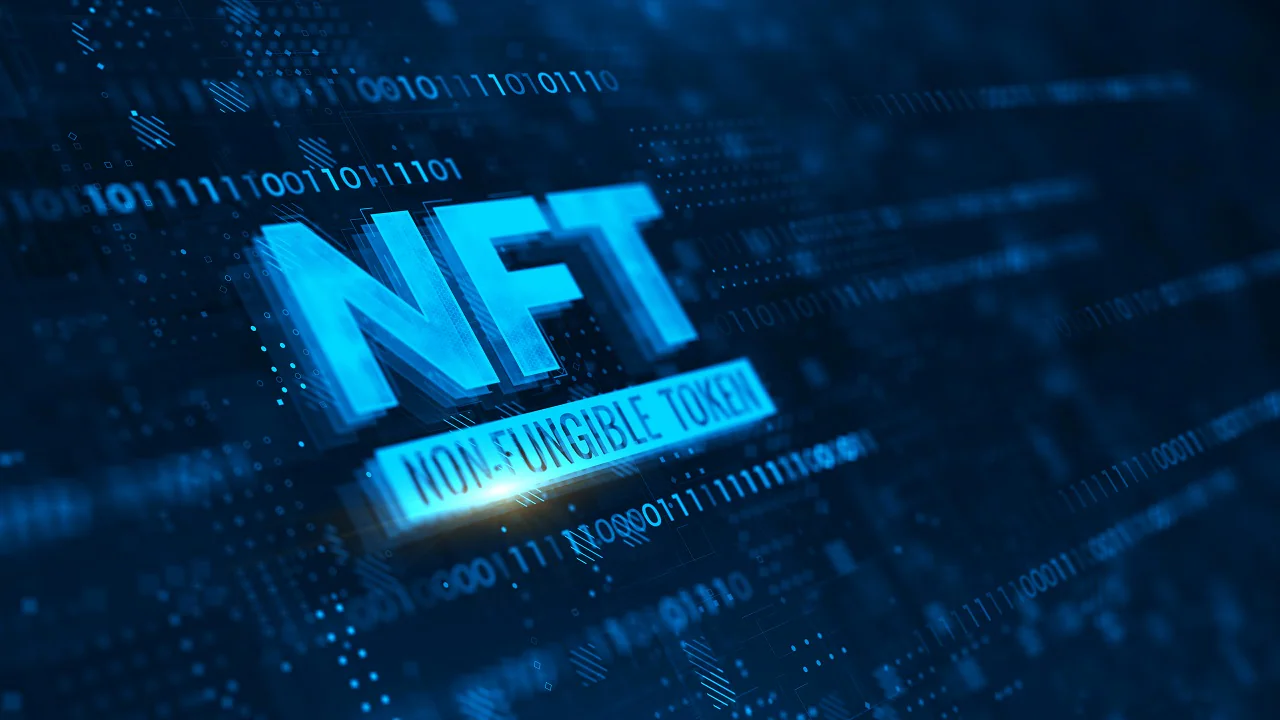
Non-Fungible Tokens (NFTs): A Popular Phenomenon and the Enormous Regulatory Challenges They Present

September 18, 2025
in NFT Frontier, Reg Radar
Non-Fungible Tokens (NFTs): A Popular Phenomenon and the Enormous Regulatory Challenges They Present

Introduction

The rise of Non-Fungible Tokens (NFTs) has been one of the most significant phenomena in the blockchain and cryptocurrency space over the past few years. NFTs represent digital ownership of unique assets—whether in art, music, video, collectibles, or even real estate—through the use of blockchain technology. Their ability to tokenize real-world and digital assets has attracted widespread attention, not only from collectors and investors but also from global corporations, artists, and creators.

While NFTs have opened new frontiers for digital ownership, they also present a myriad of regulatory challenges. The unregulated nature of the NFT space has raised concerns regarding intellectual property (IP) rights, consumer protection, tax obligations, and anti-money laundering (AML) regulations. As NFTs grow in popularity, governments and regulatory bodies are being forced to grapple with how to treat these tokens within existing legal frameworks, leading to ongoing debates about the need for clear and specific regulations for NFTs.

This article explores the regulatory challenges that NFTs present, examines how different countries are approaching the regulation of NFTs, and discusses the potential future of NFT regulation in the evolving digital asset landscape.


1. What Are NFTs?

1.1 The Essence of Non-Fungibility

Unlike cryptocurrencies such as Bitcoin or Ethereum, which are fungible (meaning each unit is identical and can be exchanged on a one-to-one basis), NFTs are unique digital tokens that cannot be replaced with anything else. Each NFT is distinct and typically represents ownership of a specific asset, either digital or physical, stored on a blockchain.

  • Tokenization: NFTs are built on blockchain networks such as Ethereum, Binance Smart Chain, and Solana, utilizing smart contracts to verify ownership and provenance.
  • Unique Metadata: Every NFT contains metadata that differentiates it from other tokens, making it impossible for two NFTs to be identical.
  • Use Cases: NFTs can represent anything from digital artwork, music, and video clips to virtual real estate, collectibles, and in-game assets.

The uniqueness of NFTs allows creators and collectors to establish ownership of digital goods in a way that has never been possible before, facilitating a new era of digital scarcity and ownership.

1.2 The Explosion of the NFT Market

NFTs saw an explosive rise in popularity in 2021, with the total sales volume reaching an estimated $17 billion, a staggering increase from the $250 million in 2020. Some NFTs sold for millions of dollars, such as Beeple’s “Everydays: The First 5000 Days”, which sold for $69.3 million at a Christie’s auction. This surge in sales and attention from mainstream artists, musicians, and celebrities has brought NFTs into the cultural and financial spotlight.

However, this rapid rise has also attracted scrutiny, as it raises questions about the sustainability of the market and the potential for fraud and market manipulation.


2. Regulatory Challenges in the NFT Space

As NFTs have gained traction, they have posed several regulatory challenges. These challenges stem from the unique and decentralized nature of NFTs, the variety of assets they represent, and the evolving legal landscape surrounding digital ownership.

2.1 Intellectual Property and Copyright Issues

NFTs often represent ownership of digital or physical goods, but the question of what exactly is being sold remains unclear. When someone purchases an NFT representing a piece of digital art, for example, they may believe they are purchasing the intellectual property rights to the artwork. However, in most cases, the NFT only grants ownership of the digital representation of the asset, not the underlying copyright.

  • Ownership vs. Copyright: The buyer of an NFT typically gains ownership of the token, but the artist retains the copyright to the underlying work. This creates confusion around what exactly is being transferred in an NFT transaction.
  • Licensing: In some cases, NFT creators and sellers may provide buyers with specific licensing rights to the asset (e.g., a commercial license), but these agreements are often not clearly defined.
  • IP Infringement: The ease with which NFTs can be minted and sold has led to numerous instances of copyright infringement, where artists’ works have been tokenized and sold without their permission. This raises questions about how to enforce intellectual property laws in the NFT space.

Regulators must address how intellectual property laws apply to NFTs, particularly in cases where creators and owners of digital goods are not the same parties.

2.2 Anti-Money Laundering (AML) and Know-Your-Customer (KYC)

The AML and KYC regulations that govern traditional financial institutions are often not enforced within the NFT ecosystem. This lack of oversight creates a risk of illicit activity, such as money laundering or terrorist financing, using NFTs as a vehicle for moving assets across borders without detection.

  • Anonymity of Transactions: NFTs are traded on decentralized platforms, making it difficult to track the identity of buyers and sellers. While some platforms have implemented KYC procedures, many remain unregulated.
  • Cross-Border Transactions: NFTs can be easily traded across jurisdictions, complicating efforts by regulators to enforce AML and KYC requirements. Transactions could easily be used to obscure the origins of funds.
  • Rug Pulls and Fraud: The NFT space has seen multiple instances of fraud, including rug pulls, where developers create NFTs with no real utility and abscond with funds once the project gains attention.

Regulatory bodies will need to develop clear guidelines to ensure that NFT platforms comply with AML and KYC rules while maintaining the decentralized ethos of the space.

2.3 Consumer Protection and Fraud

The NFT market has seen its fair share of scams, fraud, and market manipulation. Many investors and collectors enter the space with limited understanding of the risks, and the lack of regulation means there is little recourse if things go wrong.

  • Scams: NFT buyers may fall victim to scams, such as purchasing counterfeit or worthless NFTs, often through phishing attacks or misleading listings.
  • Lack of Transparency: Some NFT projects are opaque about their business models, making it difficult for buyers to assess the value or legitimacy of the assets they are purchasing.
  • Price Manipulation: Given the speculative nature of the NFT market, there are concerns about price manipulation and pump-and-dump schemes, where individuals artificially inflate the price of an NFT to sell at a profit, leaving other buyers with worthless assets.

The absence of consumer protection laws in the NFT space presents a significant challenge for regulators, who must figure out how to protect investors without stifling innovation.

2.4 Taxation of NFTs

Taxing NFTs presents unique challenges. Tax laws in most jurisdictions are designed for traditional assets, and there is often no clear guidance on how NFTs should be taxed.

  • Capital Gains Tax: In many countries, NFTs are treated as capital assets, meaning they may be subject to capital gains tax when sold for a profit. However, because NFTs are often traded in a decentralized manner, keeping track of gains and losses is complicated.
  • Sales Tax: Some countries may impose sales tax or Value Added Tax (VAT) on the sale of NFTs. However, because NFTs are often traded across borders, enforcement of VAT and sales tax becomes difficult.
  • Creators and Royalties: Many NFT creators earn royalties each time their work is resold on secondary markets. Determining the tax treatment of these royalties and ensuring that creators comply with local tax laws can be complex.

As the NFT market continues to grow, regulators will need to develop clearer taxation guidelines for both creators and buyers, addressing issues like capital gains, sales tax, and royalties.

2.5 Regulatory Jurisdiction

Given the decentralized nature of NFTs, the issue of jurisdiction arises frequently. NFTs are traded on global platforms, and ownership can change hands without regard to local laws or borders. This raises a question: which country’s laws should apply when disputes arise or when regulations are needed?

  • Cross-Border Enforcement: NFT transactions can occur without any central authority, making it difficult to enforce laws across borders. A buyer in the U.S. may purchase an NFT from a seller in China, complicating the jurisdictional issue for regulators.
  • Lack of Consistency: Different countries have adopted varying approaches to regulating cryptocurrencies and digital assets. While some have implemented clear regulations for NFTs, others are still undecided, creating an inconsistent global regulatory environment.

The international and decentralized nature of NFTs means that cross-border regulatory collaboration will be essential for effective enforcement.


3. Global Regulatory Responses to NFTs

3.1 United States

In the U.S., the regulatory environment for NFTs remains fragmented. The Securities and Exchange Commission (SEC) has been scrutinizing whether certain NFTs could qualify as securities, subjecting them to securities laws.

  • NFTs as Securities: The SEC is particularly interested in NFTs that represent fractionalized ownership or share profit rights, as they may meet the criteria for a security under U.S. law.
  • IRS Tax Guidelines: The Internal Revenue Service (IRS) treats NFTs as property for tax purposes, meaning they are subject to capital gains tax when sold at a profit.

The U.S. has yet to develop a comprehensive regulatory framework for NFTs, but regulatory action is ongoing, particularly in the areas of taxation, fraud prevention, and intellectual property.

3.2 European Union

The European Union (EU) has made strides toward regulating digital assets, and NFTs are not exempt. The EU’s Markets in Crypto-Assets (MiCA) regulation is designed to create a clear legal framework for digital assets, and it could extend to NFTs as well.

  • MiCA Framework: MiCA is primarily focused on stablecoins and centralized crypto services, but it is expected to have implications for NFTs as well, particularly in terms of AML/KYC compliance and consumer protection.

The EU is actively working to regulate the NFT space while ensuring that it remains open to innovation.

3.3 China

China has taken a more restrictive approach to digital assets, banning cryptocurrency trading and Initial Coin Offerings (ICOs). While China does not currently regulate NFTs specifically, the government is likely to move toward greater oversight in the future, particularly as NFTs become more integrated with the digital yuan (CBDC).

  • Digital Yuan Integration: The integration of NFTs with China’s central bank digital currency could offer a framework for regulating digital assets within the country’s strict legal and financial system.

3.4 Other Countries

Countries like Japan, Singapore, and Switzerland have started developing clearer regulatory frameworks for NFTs, with an emphasis on AML, taxation, and consumer protection.


4. Conclusion

NFTs have revolutionized the way we think about digital ownership and have created a new market for creators, collectors, and investors. However, this innovation comes with significant regulatory challenges. From intellectual property issues to consumer protection, taxation, and jurisdictional concerns, NFTs have created a complex regulatory environment that requires thoughtful attention.

As the NFT market continues to grow, regulators around the world will need to collaborate to establish clear frameworks that foster innovation while ensuring fairness and protection for consumers. The future of NFTs will likely depend on the development of global standards and cooperative regulation to address the unique challenges posed by this exciting new technology.

Tags: NFTReg RadarRegulatory Challenges
ShareTweetShare

Related Posts

Environmental Concerns in the NFT Industry: Balancing Innovation with Sustainability
NFT Frontier

Environmental Concerns in the NFT Industry: Balancing Innovation with Sustainability

December 1, 2025
Building Compliance Frameworks: The Increasing Importance for Crypto Companies in Addressing Regulatory Challenges
Reg Radar

Building Compliance Frameworks: The Increasing Importance for Crypto Companies in Addressing Regulatory Challenges

November 30, 2025
NFT Copyright and Intellectual Property Issues
NFT Frontier

NFT Copyright and Intellectual Property Issues

November 30, 2025
Global Consistency and Diversity: Navigating the Balance in a Connected World
Reg Radar

Global Consistency and Diversity: Navigating the Balance in a Connected World

November 29, 2025
Decentralization of the Art Market: A New Era of Digital Ownership
NFT Frontier

Decentralization of the Art Market: A New Era of Digital Ownership

November 29, 2025
The European Union’s MiCA Regulation: A New Era for Crypto-Asset Regulation
Reg Radar

The European Union’s MiCA Regulation: A New Era for Crypto-Asset Regulation

November 28, 2025
Leave Comment
  • Trending
  • Comments
  • Latest
Combining Virtual Reality in the Metaverse with NFTs: Creating Richer Digital Experiences and Business Models

Combining Virtual Reality in the Metaverse with NFTs: Creating Richer Digital Experiences and Business Models

October 21, 2025
Leveraging Limited Edition NFT Merchandise to Attract Young Consumers, Enhance Brand Uniqueness, and Build Loyalty

Leveraging Limited Edition NFT Merchandise to Attract Young Consumers, Enhance Brand Uniqueness, and Build Loyalty

October 21, 2025
The Explosive Growth of the NFT Art Market: Scale, Activity, and Future Prospects

The Explosive Growth of the NFT Art Market: Scale, Activity, and Future Prospects

October 21, 2025
Brands and the Future of Commerce: Selling Virtual Goods through NFTs Tied to Physical Products

Brands and the Future of Commerce: Selling Virtual Goods through NFTs Tied to Physical Products

October 21, 2025
The Future Development Trend of Bitcoin

The Future Development Trend of Bitcoin

The Rise of Layer 2 Technology: Scaling Ethereum with Solutions like Optimism and Arbitrum

The Rise of Layer 2 Technology: Scaling Ethereum with Solutions like Optimism and Arbitrum

How Businesses Can Enhance Supply Chain Flexibility and Resilience Through Diversified Sourcing, Localized Production, and Risk Management Frameworks to Face Future Global Crises or Geopolitical Risks

How Businesses Can Enhance Supply Chain Flexibility and Resilience Through Diversified Sourcing, Localized Production, and Risk Management Frameworks to Face Future Global Crises or Geopolitical Risks

The Role of Blockchain in the Metaverse: New Infrastructure for the Virtual World

The Role of Blockchain in the Metaverse: New Infrastructure for the Virtual World

Environmental Concerns in the NFT Industry: Balancing Innovation with Sustainability

Environmental Concerns in the NFT Industry: Balancing Innovation with Sustainability

December 1, 2025
Electronic Health Records (EHR): Transforming Healthcare for the Future

Electronic Health Records (EHR): Transforming Healthcare for the Future

December 1, 2025
Sustainable Yield: Unlocking the Potential for Long-Term Financial Growth

Sustainable Yield: Unlocking the Potential for Long-Term Financial Growth

December 1, 2025
Cross-Chain Compatibility: Addressing the Challenges and Solutions

Cross-Chain Compatibility: Addressing the Challenges and Solutions

December 1, 2025
BlockChainIndex.net

From Layer2 technical deep dives to NFT market forecasting, we curate professional perspectives through on-chain analytics and industry expert collaborations. Stay ahead in blockchain innovation.

© 2025 blockchainindex.com. contacts:[email protected]

No Result
View All Result
  • Home
  • Chain Core
  • Crypto Markets
  • Enterprise Chain
  • NFT Frontier
  • On-Chain Lens
  • Reg Radar

© 2025 blockchainindex.com. contacts:[email protected]

Welcome Back!

Login to your account below

Forgotten Password?

Retrieve your password

Please enter your username or email address to reset your password.

Log In