

































BlockChainIndex.net
  • Home
  • Chain Core
    Cross-Chain Compatibility: Addressing the Challenges and Solutions

    Cross-Chain Compatibility: Addressing the Challenges and Solutions

    The Security Issues of Consensus Mechanisms: An Ongoing Debate

    The Security Issues of Consensus Mechanisms: An Ongoing Debate

    The Lightning Network: The Most Famous Layer 2 Solution on Bitcoin

    The Lightning Network: The Most Famous Layer 2 Solution on Bitcoin

    Consensus Mechanisms of Layer 1 and Layer 2: The Backbone of Blockchain Scalability

    Consensus Mechanisms of Layer 1 and Layer 2: The Backbone of Blockchain Scalability

    Proof of Stake vs Proof of Work

    Proof of Stake vs Proof of Work

    Multi-Consensus Algorithms: Evolving the Future of Blockchain Technology

    Multi-Consensus Algorithms: Evolving the Future of Blockchain Technology

  • Crypto Markets
    Sustainable Yield: Unlocking the Potential for Long-Term Financial Growth

    Sustainable Yield: Unlocking the Potential for Long-Term Financial Growth

    Market Sentiment and Macroeconomic Factors: Interactions and Impacts

    Market Sentiment and Macroeconomic Factors: Interactions and Impacts

    Leveraging On-Chain Data for Real-Time Market Analysis and Intelligence for Investors

    Leveraging On-Chain Data for Real-Time Market Analysis and Intelligence for Investors

    The Stock-to-Flow Model: Analyzing Bitcoin’s Scarcity and Price Predictions

    The Stock-to-Flow Model: Analyzing Bitcoin’s Scarcity and Price Predictions

    Bitcoin Price Volatility and Its Impact on the Entire Market Trend

    Bitcoin Price Volatility and Its Impact on the Entire Market Trend

    The Shifting Dominance of Bitcoin in the Cryptocurrency Market: A Key Indicator for Market Analysis

    The Shifting Dominance of Bitcoin in the Cryptocurrency Market: A Key Indicator for Market Analysis

  • Enterprise Chain
    Electronic Health Records (EHR): Transforming Healthcare for the Future

    Electronic Health Records (EHR): Transforming Healthcare for the Future

    The Integration of Supply Chains and the Internet of Things (IoT)

    The Integration of Supply Chains and the Internet of Things (IoT)

    Supply Chain Financing and Payments

    Supply Chain Financing and Payments

    Optimizing Supply Chain Protocols with Smart Contracts

    Optimizing Supply Chain Protocols with Smart Contracts

    Walmart and IBM’s Food Safety Blockchain Collaboration: Using Blockchain Technology to Track Food Sources and Movement

    Walmart and IBM’s Food Safety Blockchain Collaboration: Using Blockchain Technology to Track Food Sources and Movement

    Global Food Traceability: Ensuring Safety, Transparency, and Sustainability in the Food Supply Chain

    Global Food Traceability: Ensuring Safety, Transparency, and Sustainability in the Food Supply Chain

  • NFT Frontier
    Environmental Concerns in the NFT Industry: Balancing Innovation with Sustainability

    Environmental Concerns in the NFT Industry: Balancing Innovation with Sustainability

    NFT Copyright and Intellectual Property Issues

    NFT Copyright and Intellectual Property Issues

    Decentralization of the Art Market: A New Era of Digital Ownership

    Decentralization of the Art Market: A New Era of Digital Ownership

    NFTs Disrupting the Traditional Art Market

    NFTs Disrupting the Traditional Art Market

    The Explosion of Digital Art and the NFT Market: Revolutionizing the Art World

    The Explosion of Digital Art and the NFT Market: Revolutionizing the Art World

    Emerging Trends in Digital Collectibles: The Future of Ownership in the Digital Age

    Emerging Trends in Digital Collectibles: The Future of Ownership in the Digital Age

  • On-Chain Lens
    Balancing Privacy and Security: A Critical Exploration in the Digital Age

    Balancing Privacy and Security: A Critical Exploration in the Digital Age

    Despite Blockchain Transactions Being Public and Transparent, the Anonymity of Wallets Remains a Challenge

    Despite Blockchain Transactions Being Public and Transparent, the Anonymity of Wallets Remains a Challenge

    Wallet and Smart Contract Interaction: Key Analysis Objects of On-Chain Lens Technology

    Wallet and Smart Contract Interaction: Key Analysis Objects of On-Chain Lens Technology

    On-Chain Lens: Analyzing the Flow of Funds Between Wallets Using Blockchain’s Public Ledger

    On-Chain Lens: Analyzing the Flow of Funds Between Wallets Using Blockchain’s Public Ledger

    Tracking and Analyzing Capital Flows: A Comprehensive Guide to Understanding Financial Movements

    Tracking and Analyzing Capital Flows: A Comprehensive Guide to Understanding Financial Movements

    Wallet Behavior Analysis: The Core of On-Chain Lens Technology

    Wallet Behavior Analysis: The Core of On-Chain Lens Technology

  • Reg Radar
    Building Compliance Frameworks: The Increasing Importance for Crypto Companies in Addressing Regulatory Challenges

    Building Compliance Frameworks: The Increasing Importance for Crypto Companies in Addressing Regulatory Challenges

    Global Consistency and Diversity: Navigating the Balance in a Connected World

    Global Consistency and Diversity: Navigating the Balance in a Connected World

    The European Union’s MiCA Regulation: A New Era for Crypto-Asset Regulation

    The European Union’s MiCA Regulation: A New Era for Crypto-Asset Regulation

    The Evolving Regulatory Landscape: Challenges and Opportunities for Crypto Businesses

    The Evolving Regulatory Landscape: Challenges and Opportunities for Crypto Businesses

    The Evolving Regulatory Frameworks Across Global Regions: Progress and Adjustments in the Face of Emerging Challenges

    The Evolving Regulatory Frameworks Across Global Regions: Progress and Adjustments in the Face of Emerging Challenges

    The U.S. SEC: One of the Most Important Regulatory Bodies for the Crypto Market

    The U.S. SEC: One of the Most Important Regulatory Bodies for the Crypto Market

BlockChainIndex.net
  • Home
  • Chain Core
    Cross-Chain Compatibility: Addressing the Challenges and Solutions

    Cross-Chain Compatibility: Addressing the Challenges and Solutions

    The Security Issues of Consensus Mechanisms: An Ongoing Debate

    The Security Issues of Consensus Mechanisms: An Ongoing Debate

    The Lightning Network: The Most Famous Layer 2 Solution on Bitcoin

    The Lightning Network: The Most Famous Layer 2 Solution on Bitcoin

    Consensus Mechanisms of Layer 1 and Layer 2: The Backbone of Blockchain Scalability

    Consensus Mechanisms of Layer 1 and Layer 2: The Backbone of Blockchain Scalability

    Proof of Stake vs Proof of Work

    Proof of Stake vs Proof of Work

    Multi-Consensus Algorithms: Evolving the Future of Blockchain Technology

    Multi-Consensus Algorithms: Evolving the Future of Blockchain Technology

  • Crypto Markets
    Sustainable Yield: Unlocking the Potential for Long-Term Financial Growth

    Sustainable Yield: Unlocking the Potential for Long-Term Financial Growth

    Market Sentiment and Macroeconomic Factors: Interactions and Impacts

    Market Sentiment and Macroeconomic Factors: Interactions and Impacts

    Leveraging On-Chain Data for Real-Time Market Analysis and Intelligence for Investors

    Leveraging On-Chain Data for Real-Time Market Analysis and Intelligence for Investors

    The Stock-to-Flow Model: Analyzing Bitcoin’s Scarcity and Price Predictions

    The Stock-to-Flow Model: Analyzing Bitcoin’s Scarcity and Price Predictions

    Bitcoin Price Volatility and Its Impact on the Entire Market Trend

    Bitcoin Price Volatility and Its Impact on the Entire Market Trend

    The Shifting Dominance of Bitcoin in the Cryptocurrency Market: A Key Indicator for Market Analysis

    The Shifting Dominance of Bitcoin in the Cryptocurrency Market: A Key Indicator for Market Analysis

  • Enterprise Chain
    Electronic Health Records (EHR): Transforming Healthcare for the Future

    Electronic Health Records (EHR): Transforming Healthcare for the Future

    The Integration of Supply Chains and the Internet of Things (IoT)

    The Integration of Supply Chains and the Internet of Things (IoT)

    Supply Chain Financing and Payments

    Supply Chain Financing and Payments

    Optimizing Supply Chain Protocols with Smart Contracts

    Optimizing Supply Chain Protocols with Smart Contracts

    Walmart and IBM’s Food Safety Blockchain Collaboration: Using Blockchain Technology to Track Food Sources and Movement

    Walmart and IBM’s Food Safety Blockchain Collaboration: Using Blockchain Technology to Track Food Sources and Movement

    Global Food Traceability: Ensuring Safety, Transparency, and Sustainability in the Food Supply Chain

    Global Food Traceability: Ensuring Safety, Transparency, and Sustainability in the Food Supply Chain

  • NFT Frontier
    Environmental Concerns in the NFT Industry: Balancing Innovation with Sustainability

    Environmental Concerns in the NFT Industry: Balancing Innovation with Sustainability

    NFT Copyright and Intellectual Property Issues

    NFT Copyright and Intellectual Property Issues

    Decentralization of the Art Market: A New Era of Digital Ownership

    Decentralization of the Art Market: A New Era of Digital Ownership

    NFTs Disrupting the Traditional Art Market

    NFTs Disrupting the Traditional Art Market

    The Explosion of Digital Art and the NFT Market: Revolutionizing the Art World

    The Explosion of Digital Art and the NFT Market: Revolutionizing the Art World

    Emerging Trends in Digital Collectibles: The Future of Ownership in the Digital Age

    Emerging Trends in Digital Collectibles: The Future of Ownership in the Digital Age

  • On-Chain Lens
    Balancing Privacy and Security: A Critical Exploration in the Digital Age

    Balancing Privacy and Security: A Critical Exploration in the Digital Age

    Despite Blockchain Transactions Being Public and Transparent, the Anonymity of Wallets Remains a Challenge

    Despite Blockchain Transactions Being Public and Transparent, the Anonymity of Wallets Remains a Challenge

    Wallet and Smart Contract Interaction: Key Analysis Objects of On-Chain Lens Technology

    Wallet and Smart Contract Interaction: Key Analysis Objects of On-Chain Lens Technology

    On-Chain Lens: Analyzing the Flow of Funds Between Wallets Using Blockchain’s Public Ledger

    On-Chain Lens: Analyzing the Flow of Funds Between Wallets Using Blockchain’s Public Ledger

    Tracking and Analyzing Capital Flows: A Comprehensive Guide to Understanding Financial Movements

    Tracking and Analyzing Capital Flows: A Comprehensive Guide to Understanding Financial Movements

    Wallet Behavior Analysis: The Core of On-Chain Lens Technology

    Wallet Behavior Analysis: The Core of On-Chain Lens Technology

  • Reg Radar
    Building Compliance Frameworks: The Increasing Importance for Crypto Companies in Addressing Regulatory Challenges

    Building Compliance Frameworks: The Increasing Importance for Crypto Companies in Addressing Regulatory Challenges

    Global Consistency and Diversity: Navigating the Balance in a Connected World

    Global Consistency and Diversity: Navigating the Balance in a Connected World

    The European Union’s MiCA Regulation: A New Era for Crypto-Asset Regulation

    The European Union’s MiCA Regulation: A New Era for Crypto-Asset Regulation

    The Evolving Regulatory Landscape: Challenges and Opportunities for Crypto Businesses

    The Evolving Regulatory Landscape: Challenges and Opportunities for Crypto Businesses

    The Evolving Regulatory Frameworks Across Global Regions: Progress and Adjustments in the Face of Emerging Challenges

    The Evolving Regulatory Frameworks Across Global Regions: Progress and Adjustments in the Face of Emerging Challenges

    The U.S. SEC: One of the Most Important Regulatory Bodies for the Crypto Market

    The U.S. SEC: One of the Most Important Regulatory Bodies for the Crypto Market

BlockChainIndex.net
No Result
View All Result
Home Reg Radar

The European Union’s MiCA Regulation: A New Era for Crypto-Asset Regulation

November 28, 2025
in Reg Radar
The European Union’s MiCA Regulation: A New Era for Crypto-Asset Regulation

Introduction

The cryptocurrency landscape has experienced rapid growth over the past decade, with digital assets like Bitcoin, Ethereum, and decentralized finance (DeFi) platforms reshaping the financial world. However, the lack of consistent regulation has created challenges for market participants, regulators, and investors. The European Union has recognized the need for a comprehensive regulatory framework to provide clarity, foster innovation, and protect investors while maintaining financial stability.

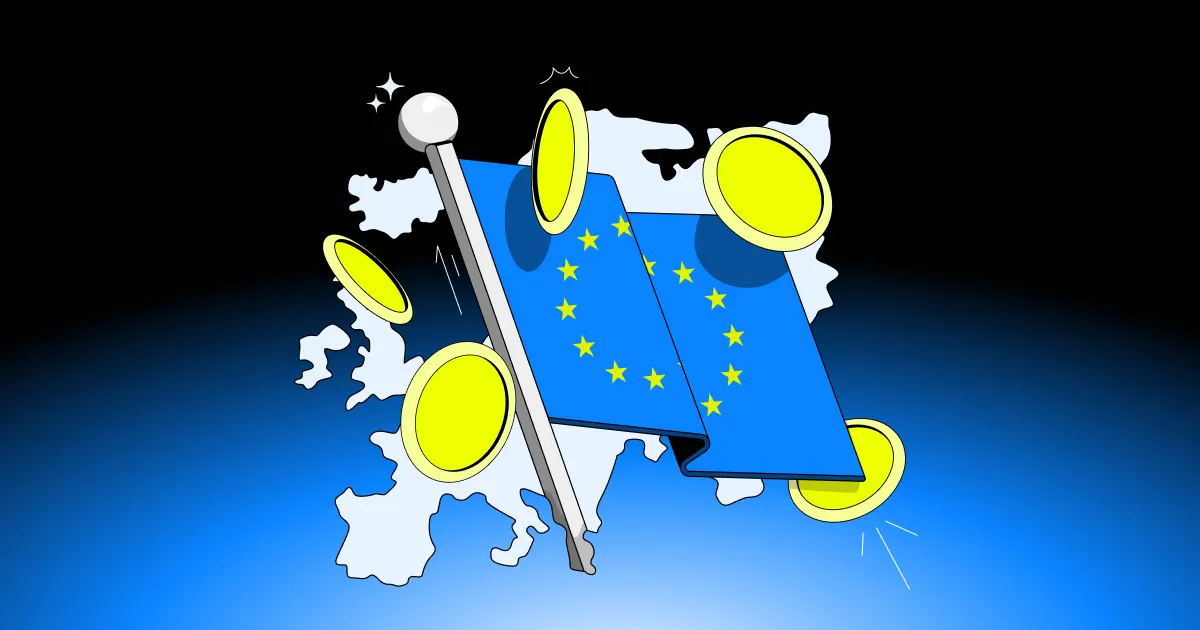
In this context, the Markets in Crypto-Assets Regulation (MiCA) is a groundbreaking regulatory framework proposed by the European Commission. Designed to address the growing concerns surrounding digital assets, MiCA aims to create a unified set of rules for the issuance, trading, and custody of crypto-assets across the EU. This regulation is set to provide a clear legal foundation for the cryptocurrency market, ensuring consumer protection, market integrity, and financial stability.

This article delves into the MiCA regulation, exploring its objectives, key provisions, and the broader implications it holds for the EU cryptocurrency market, investors, businesses, and regulators.


Chapter 1: Background and Context of MiCA

1.1. The Evolution of the Crypto Market in the EU

The rise of cryptocurrencies has created new opportunities and risks within the financial ecosystem. However, the rapid innovation in blockchain and cryptocurrency technologies has outpaced existing regulatory frameworks. In Europe, national regulators have struggled to create coherent laws due to the decentralized nature of the industry and its borderless operations.

In response to this, the European Commission proposed the MiCA regulation in 2020, as part of the broader Digital Finance Package. The goal is to provide a coherent and harmonized legal framework for the regulation of crypto-assets across the EU. MiCA’s introduction comes at a time when the European Union is increasingly focused on digital innovation, financial inclusion, and consumer protection in the context of emerging technologies like crypto-assets.

1.2. What MiCA Seeks to Achieve

MiCA aims to address the following key areas:

  • Legal Certainty: Providing clear and unified rules for crypto-assets, which helps businesses and investors navigate the market with confidence.
  • Investor Protection: Establishing strong safeguards against market abuse, fraud, and security risks.
  • Financial Stability: Ensuring that the rapid growth of digital assets does not threaten the stability of the broader financial system.
  • Promotion of Innovation: Encouraging technological innovation and the development of digital finance within a well-regulated framework.

Through these objectives, MiCA aspires to bring crypto-assets within the scope of the EU’s existing financial regulation, ensuring both innovation and consumer protection.


Chapter 2: Key Provisions of the MiCA Regulation

2.1. Definition and Scope of Crypto-Assets

One of the primary functions of MiCA is to provide clear definitions and classifications of different types of crypto-assets. The regulation defines crypto-assets broadly as digital representations of value or rights that can be traded or transferred electronically and used for payment or investment purposes.

MiCA distinguishes between different types of crypto-assets:

  • Cryptocurrencies: These are digital assets that function as a medium of exchange (e.g., Bitcoin).
  • Stablecoins: Digital assets whose value is pegged to a reserve asset, such as a fiat currency or a basket of assets (e.g., Tether, USD Coin).
  • Utility Tokens: Tokens that provide access to a specific application or service within a blockchain ecosystem (e.g., Ether for the Ethereum network).
  • Asset-Referenced Tokens: Stablecoins that are backed by multiple assets and not just a single fiat currency.

The classification of crypto-assets in MiCA provides a clear understanding of what is regulated under the framework and which assets are subject to specific rules.

2.2. Issuance and Public Offering of Crypto-Assets

MiCA sets out strict rules for the issuance and public offering of crypto-assets. Key provisions include:

  • Whitepaper Requirement: Issuers of crypto-assets must publish a whitepaper detailing the specifics of the asset, including its purpose, rights, and obligations, as well as the risks involved in its purchase. This whitepaper must be approved by the relevant national authorities before the asset can be marketed to the public.
  • Transparency: Issuers must ensure transparency by providing accurate, up-to-date information about the project, including the underlying technology, governance structure, and business model.
  • Investor Protection: MiCA mandates that issuers ensure adequate safeguards to protect investors, including providing clear risk warnings and disclosures.

2.3. Regulation of Stablecoins

Stablecoins have become a significant part of the cryptocurrency market, with some tokens, like Tether (USDT) and USD Coin (USDC), achieving substantial market capitalization. MiCA introduces specific provisions for stablecoins due to their potential to influence the stability of the financial system.

  • Issuer Requirements: Issuers of stablecoins are required to have a license from a national authority in the EU, ensuring that they meet robust capital, reserve, and risk management standards.
  • Redemption Rights: Holders of stablecoins must be able to redeem their tokens at any time at a stable value.
  • Regulation of Systemically Important Stablecoins: For global stablecoins (those with significant market capitalization), MiCA introduces stricter requirements related to governance, consumer protection, and systemic risk management. These include requiring issuers to maintain appropriate reserves and comply with EU oversight.

2.4. Crypto-Asset Service Providers (CASPs)

MiCA introduces a licensing and supervision regime for Crypto-Asset Service Providers (CASPs). These are entities that provide services such as trading, custody, and portfolio management for crypto-assets.

Key requirements for CASPs include:

  • Licensing: CASPs must obtain a license from the competent national authority to operate in the EU.
  • Capital Requirements: CASPs are required to maintain sufficient capital to protect clients’ assets and ensure financial stability.
  • Risk Management: CASPs must implement robust anti-money laundering (AML) and counter-terrorist financing (CTF) measures.
  • Consumer Protection: CASPs must ensure that client funds are safeguarded and that they have procedures in place for handling client complaints and disputes.

2.5. Consumer Protection and Market Integrity

MiCA places significant emphasis on consumer protection and the integrity of the crypto-asset market. Provisions in this regard include:

  • Clear Communication: Firms must ensure that all crypto-assets and related products are clearly communicated to consumers, including any associated risks.
  • Fraud Prevention: The regulation imposes strict rules against market manipulation and fraud, including insider trading and pump-and-dump schemes.
  • Dispute Resolution: MiCA introduces mechanisms for resolving disputes between crypto-asset service providers and their customers, further enhancing consumer confidence in the market.

2.6. Environmental Sustainability

MiCA also acknowledges the environmental concerns associated with some cryptocurrency mining processes. It advocates for the adoption of sustainable practices within the industry, encouraging the use of energy-efficient technologies. Although it does not impose direct regulations on energy consumption, MiCA’s provisions encourage broader efforts to ensure that the environmental impact of blockchain activities is considered.


Chapter 3: Impact of MiCA on the Crypto Market

3.1. Enhanced Regulatory Clarity and Trust

One of the most significant benefits of MiCA is the regulatory clarity it provides. By offering a unified legal framework for crypto-assets across the EU, MiCA reduces ambiguity and regulatory arbitrage, where companies could previously operate under unclear or divergent rules across member states.

This increased clarity is likely to foster greater investor confidence, enabling institutional and retail investors to engage with the market without fear of sudden regulatory crackdowns or uncertainty.

3.2. Promotion of Innovation within a Controlled Framework

MiCA strikes a balance between promoting innovation and ensuring consumer protection. By providing a structured framework for crypto-asset issuance and service provision, it encourages entrepreneurs and startups in the blockchain space to develop new products and services within a clear regulatory environment.

At the same time, MiCA prevents the emergence of poorly designed or fraudulent projects by ensuring that all market participants adhere to basic standards of governance, transparency, and financial security.

3.3. Impact on Stablecoins and Central Bank Digital Currencies (CBDCs)

MiCA’s provisions regarding stablecoins will likely have profound implications for the market. While the regulation aims to safeguard the stability of the financial system, it may also increase compliance costs for stablecoin issuers and lead to consolidation in the market.

Additionally, MiCA is expected to stimulate the development of Central Bank Digital Currencies (CBDCs) in the EU. By offering a regulated environment for crypto-assets, MiCA paves the way for the European Central Bank (ECB) to introduce a digital euro, ensuring compatibility with existing financial structures.

3.4. Implications for Global Crypto Regulations

MiCA sets an important precedent for global crypto regulation. As one of the largest economic regions in the world, the EU’s approach to crypto regulation is likely to influence other jurisdictions, including the U.S., China, and India, to adopt similar frameworks or align their regulatory approaches with MiCA.

Countries outside the EU may look to MiCA as a benchmark for developing their own digital asset regulations, particularly as they face mounting pressure to address the risks posed by crypto-assets while supporting innovation.


Chapter 4: Challenges and Criticisms of MiCA

4.1. Potential Compliance Costs

Some critics argue that MiCA could impose high compliance costs on smaller crypto businesses and startups. The licensing requirements, capital reserves, and compliance measures may be burdensome for companies with limited resources. This could lead to a concentration of market power in the hands of larger, more established players.

4.2. Impact on Innovation

While MiCA is designed to foster innovation, there are concerns that over-regulation could stifle creativity and experimentation in the crypto space. Some critics believe that the regulation could inhibit the development of new, decentralized models by imposing too many bureaucratic hurdles.

4.3. Global Competitiveness

As the EU implements MiCA, some worry that the regulation could put European crypto companies at a disadvantage compared to firms in less-regulated jurisdictions. Regulatory arbitrage could occur if countries with more lenient regulations, such as Switzerland or Singapore, attract crypto businesses looking for a more relaxed environment.


Conclusion

The MiCA regulation represents a major step forward in the European Union’s effort to provide a comprehensive and harmonized regulatory framework for crypto-assets. It aims to create a balanced environment where innovation can flourish while ensuring investor protection, market integrity, and financial stability.

While the regulation’s implementation presents challenges, particularly concerning compliance costs and the potential for over-regulation, its benefits—such as legal clarity, consumer protection, and the promotion of responsible innovation—are substantial. As the global regulatory landscape for cryptocurrencies evolves, MiCA will play a key role in shaping the future of digital assets within the EU and potentially beyond.

As the market matures and adapts to MiCA, its full impact on the EU crypto ecosystem, and on the global digital economy, will continue to unfold, signaling a new era for digital finance.

Tags: MiCAReg Radarregulation
ShareTweetShare

Related Posts

Building Compliance Frameworks: The Increasing Importance for Crypto Companies in Addressing Regulatory Challenges
Reg Radar

Building Compliance Frameworks: The Increasing Importance for Crypto Companies in Addressing Regulatory Challenges

November 30, 2025
Global Consistency and Diversity: Navigating the Balance in a Connected World
Reg Radar

Global Consistency and Diversity: Navigating the Balance in a Connected World

November 29, 2025
The Evolving Regulatory Landscape: Challenges and Opportunities for Crypto Businesses
Reg Radar

The Evolving Regulatory Landscape: Challenges and Opportunities for Crypto Businesses

November 27, 2025
The Evolving Regulatory Frameworks Across Global Regions: Progress and Adjustments in the Face of Emerging Challenges
Reg Radar

The Evolving Regulatory Frameworks Across Global Regions: Progress and Adjustments in the Face of Emerging Challenges

November 26, 2025
The U.S. SEC: One of the Most Important Regulatory Bodies for the Crypto Market
Reg Radar

The U.S. SEC: One of the Most Important Regulatory Bodies for the Crypto Market

November 25, 2025
Integrating National Regulatory Policies and Dynamic Updates to Help Enterprises Avoid Compliance Risks Stemming from Cross-Border Transactions
Reg Radar

Integrating National Regulatory Policies and Dynamic Updates to Help Enterprises Avoid Compliance Risks Stemming from Cross-Border Transactions

October 21, 2025
Leave Comment
  • Trending
  • Comments
  • Latest
Combining Virtual Reality in the Metaverse with NFTs: Creating Richer Digital Experiences and Business Models

Combining Virtual Reality in the Metaverse with NFTs: Creating Richer Digital Experiences and Business Models

October 21, 2025
Leveraging Limited Edition NFT Merchandise to Attract Young Consumers, Enhance Brand Uniqueness, and Build Loyalty

Leveraging Limited Edition NFT Merchandise to Attract Young Consumers, Enhance Brand Uniqueness, and Build Loyalty

October 21, 2025
The Explosive Growth of the NFT Art Market: Scale, Activity, and Future Prospects

The Explosive Growth of the NFT Art Market: Scale, Activity, and Future Prospects

October 21, 2025
Brands and the Future of Commerce: Selling Virtual Goods through NFTs Tied to Physical Products

Brands and the Future of Commerce: Selling Virtual Goods through NFTs Tied to Physical Products

October 21, 2025
The Future Development Trend of Bitcoin

The Future Development Trend of Bitcoin

The Rise of Layer 2 Technology: Scaling Ethereum with Solutions like Optimism and Arbitrum

The Rise of Layer 2 Technology: Scaling Ethereum with Solutions like Optimism and Arbitrum

How Businesses Can Enhance Supply Chain Flexibility and Resilience Through Diversified Sourcing, Localized Production, and Risk Management Frameworks to Face Future Global Crises or Geopolitical Risks

How Businesses Can Enhance Supply Chain Flexibility and Resilience Through Diversified Sourcing, Localized Production, and Risk Management Frameworks to Face Future Global Crises or Geopolitical Risks

The Role of Blockchain in the Metaverse: New Infrastructure for the Virtual World

The Role of Blockchain in the Metaverse: New Infrastructure for the Virtual World

Environmental Concerns in the NFT Industry: Balancing Innovation with Sustainability

Environmental Concerns in the NFT Industry: Balancing Innovation with Sustainability

December 1, 2025
Electronic Health Records (EHR): Transforming Healthcare for the Future

Electronic Health Records (EHR): Transforming Healthcare for the Future

December 1, 2025
Sustainable Yield: Unlocking the Potential for Long-Term Financial Growth

Sustainable Yield: Unlocking the Potential for Long-Term Financial Growth

December 1, 2025
Cross-Chain Compatibility: Addressing the Challenges and Solutions

Cross-Chain Compatibility: Addressing the Challenges and Solutions

December 1, 2025
BlockChainIndex.net

From Layer2 technical deep dives to NFT market forecasting, we curate professional perspectives through on-chain analytics and industry expert collaborations. Stay ahead in blockchain innovation.

© 2025 blockchainindex.com. contacts:[email protected]

No Result
View All Result
  • Home
  • Chain Core
  • Crypto Markets
  • Enterprise Chain
  • NFT Frontier
  • On-Chain Lens
  • Reg Radar

© 2025 blockchainindex.com. contacts:[email protected]

Welcome Back!

Login to your account below

Forgotten Password?

Retrieve your password

Please enter your username or email address to reset your password.

Log In