



























Introduction
Blockchain technology has introduced a new era of decentralized finance (DeFi), digital assets, and smart contract-driven ecosystems. At the heart of these innovations, wallets and smart contracts play pivotal roles, often in tandem. Wallets serve as the gateways for users to interact with the blockchain, while smart contracts facilitate automated, trustless transactions based on pre-defined conditions. Their interaction is crucial for the execution of various decentralized applications (dApps) and plays an essential role in blockchain analytics.
One of the most important tools in understanding the complex dynamics of decentralized networks is on-chain analysis, which involves monitoring and analyzing blockchain transactions, wallet behavior, and smart contract interactions. The “on-chain lens” focuses on these interactions, allowing analysts to study how wallets and smart contracts behave in a decentralized ecosystem. Understanding these behaviors is vital for improving the security, efficiency, and reliability of blockchain applications.
This article explores the interactions between wallets and smart contracts within the context of on-chain analysis. We will discuss how these interactions can be tracked, analyzed, and interpreted, highlighting their importance in enhancing the transparency, security, and performance of decentralized systems.
Chapter 1: The Role of Wallets and Smart Contracts in Blockchain Ecosystems
1.1. Blockchain Wallets: Function and Importance
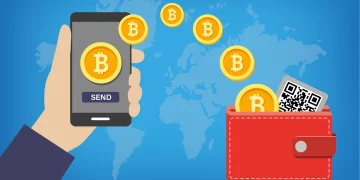
A blockchain wallet is a software application that allows users to store, send, and receive digital assets like cryptocurrencies or NFTs. It enables the user to interact with the blockchain, acting as a key to their assets and a medium for transactions. There are different types of wallets, including:
- Hot wallets: Connected to the internet, these wallets are convenient but vulnerable to hacking.
- Cold wallets: Offline storage solutions that offer enhanced security but are less convenient for frequent transactions.
Wallets work by storing private keys that grant access to a user’s funds or assets. These private keys are critical for signing transactions and interacting with smart contracts.
The interaction between wallets and smart contracts is fundamental in DeFi, NFTs, and other blockchain-based ecosystems. For example, a user may interact with a decentralized exchange (DEX) by using their wallet to approve a transaction executed by a smart contract. Wallets serve as signing tools, while smart contracts serve as automated execution engines.
1.2. Smart Contracts: The Power of Automation
A smart contract is a self-executing contract with the terms of the agreement directly written into code. These contracts run on blockchain networks and automatically enforce and execute the terms when predefined conditions are met. Smart contracts enable a range of decentralized applications (dApps) to function without intermediaries.
Smart contracts are:
- Immutable: Once deployed, the contract code cannot be changed, ensuring security and trust.
- Transparent: The contract’s logic and state are visible to all network participants.
- Programmable: Smart contracts can execute complex logic, making them suitable for various applications in finance, gaming, and governance.
Smart contracts can interact with wallets to execute transactions based on user inputs. For instance, a user may initiate a trade on a decentralized exchange (DEX) by submitting a transaction through their wallet, which is then executed by a smart contract.
1.3. Interplay Between Wallets and Smart Contracts
The interaction between wallets and smart contracts is essential for the decentralized economy. A wallet typically initiates a request to a smart contract, such as transferring tokens or participating in a governance vote. The smart contract then verifies the conditions of the request, executes the operation, and records the result on the blockchain.
This interaction can be broken down into the following steps:
- Wallet Initiates Transaction: The user signs a transaction within their wallet to interact with a smart contract.
- Smart Contract Verification: The smart contract checks the transaction conditions to ensure they meet the required logic.
- Execution and Result: If the conditions are met, the smart contract executes the specified operation, such as transferring tokens, unlocking funds, or minting assets.
The seamless integration of wallets and smart contracts enables a wide range of decentralized activities, including trading, lending, staking, and voting.

Chapter 2: On-Chain Lens Technology: Analyzing Wallet and Smart Contract Interactions
2.1. What is On-Chain Lens Technology?
On-chain analysis refers to the study of transaction data directly on the blockchain. By examining the interactions between different blockchain entities (wallets, smart contracts, etc.), analysts can gain insights into market behavior, network health, and potential security threats.
On-chain lens technology focuses specifically on the interactions between wallets and smart contracts. It allows for the tracking and analysis of wallet activities, such as transaction volume, frequency, and the types of smart contracts a wallet interacts with. This analysis can provide valuable insights into:
- User behavior: Understanding how users interact with decentralized applications (dApps) and smart contracts.
- Market trends: Tracking the flow of tokens between wallets and smart contracts can help identify trends in asset movement and liquidity.
- Security vulnerabilities: Monitoring how wallets and smart contracts interact can help detect vulnerabilities and prevent potential exploits.
On-chain lens technology enables the monitoring of smart contract performance, wallet activity, and the security of transactions, offering a comprehensive view of blockchain operations.
2.2. Tracking Wallet Behavior in Interaction with Smart Contracts
Tracking wallet behavior in the context of smart contract interactions involves analyzing the transaction history and contract calls initiated by a particular wallet. Key metrics to track include:
- Transaction Volume: The number of transactions made by a wallet with various smart contracts.
- Gas Fees: The fees associated with executing transactions or interacting with smart contracts.
- Interaction Frequency: How often a wallet interacts with a specific contract or a category of contracts (e.g., DeFi protocols, NFTs, etc.).
- Smart Contract Types: Identifying the type of smart contracts a wallet is interacting with, such as governance contracts, lending contracts, or NFT marketplaces.
By analyzing these metrics, one can gain insights into a wallet’s role in the ecosystem, the types of applications it supports, and its engagement in decentralized finance (DeFi), governance, or other sectors of the blockchain economy.
2.3. Monitoring Smart Contract Behavior
On-chain lens technology is also invaluable for monitoring smart contracts themselves. By tracking interactions with smart contracts, one can assess:
- Contract Activity: The number of interactions a contract has had, indicating its popularity and usage.
- Transaction Success Rates: Tracking whether interactions with the contract result in successful executions or failures.
- Vulnerabilities: Identifying smart contracts that may be prone to exploits based on unusual interaction patterns or failed transactions.
- Security Risks: On-chain analysis can detect unusual wallet behavior, such as interacting with malicious contracts or large volume transfers that might indicate a flash loan attack or rug pull.
2.4. Identifying Potential Malicious Behavior
On-chain lens technology can help detect malicious behavior through the interaction of wallets and smart contracts. For instance, if a wallet frequently interacts with suspicious contracts or consistently initiates large, unusual transactions, it may signal a potential security threat.
By tracking the following indicators, blockchain analysts can identify potentially dangerous activities:
- Rapid large transactions: Identifying wallets that consistently engage in large-scale transactions that deviate from normal patterns.
- Frequent interaction with new or unknown smart contracts: This could indicate that a wallet is engaging with a contract that has not yet been thoroughly audited, making it a potential target for exploits.
- Unusual wallet behavior: Such as interacting with multiple contracts within a short time frame or engaging in reentrancy attacks.
This level of monitoring and analysis allows blockchain participants to better understand the security posture of smart contracts and wallets, helping to mitigate risks before they escalate.
Chapter 3: Real-World Use Cases and Applications of On-Chain Analysis
3.1. DeFi Protocols
In decentralized finance (DeFi), wallets and smart contracts interact frequently to perform complex financial operations such as lending, borrowing, staking, and liquidity provision. On-chain analysis tools can track how wallets engage with DeFi protocols like Compound, Aave, and Uniswap, providing insights into market trends, user activity, and liquidity movement.
For example, an analysis of wallet interactions with Aave’s lending protocol can reveal how much liquidity is being locked into the platform, as well as the specific tokens being borrowed and lent. This data can help users and investors track market dynamics and predict future price movements.
3.2. NFT Marketplaces
Wallets and smart contracts in NFT marketplaces like OpenSea and Rarible also provide valuable data for on-chain analysis. By tracking wallet interactions with NFT contracts, analysts can gain insights into market demand, the popularity of specific NFT collections, and price trends.
For example, analyzing wallet behavior in NFT auctions can help predict trends in digital art and collectibles, allowing collectors and investors to make informed decisions. Additionally, tracking NFT transaction data can highlight potential market manipulation or detect fraudulent listings.
3.3. Governance and DAO Participation
Wallets play a crucial role in governance tokens and decentralized autonomous organizations (DAOs), which rely on smart contracts for voting, decision-making, and protocol upgrades. On-chain analysis of wallet behavior in DAOs helps track voting patterns, governance participation, and the influence of large token holders.
For example, by analyzing vote participation in a DAO’s decision-making process, analysts can understand how decisions are being made, identify whether there is centralization in governance, and assess the legitimacy of protocol changes.
Chapter 4: Future of Wallet and Smart Contract Interactions
4.1. Integration with Layer 2 Solutions
As blockchain networks evolve, Layer 2 solutions (such as Optimism, Arbitrum, and Polygon) are increasingly important for scalability. These solutions enable faster and cheaper transactions while maintaining security and decentralization. On-chain lens technology will need to adapt to track wallet interactions across Layer 2 networks, providing comprehensive insights into how users are engaging with both Layer 1 and Layer 2 smart contracts.
4.2. Increased Automation and AI Integration
As artificial intelligence (AI) and machine learning continue to advance, the integration of these technologies into on-chain analysis will enhance the ability to predict wallet behavior and smart contract interactions. AI could help automate the detection of anomalies, provide predictive analytics for market trends, and optimize the security of decentralized systems by identifying potential vulnerabilities in real-time.
Conclusion
The interaction between wallets and smart contracts is central to the functionality of decentralized ecosystems. Understanding these interactions through on-chain analysis provides valuable insights into market behavior, security risks, and the overall health of blockchain networks. As blockchain technology continues to evolve, the ability to track and analyze wallet and smart contract behavior will become increasingly important for securing the future of decentralized finance and other blockchain applications.
On-chain lens technology offers a powerful tool for tracking transactions, identifying trends, and detecting potential threats in real-time. As the blockchain space matures, these analytical tools will be indispensable for both users and developers in ensuring the efficiency, transparency, and security of decentralized ecosystems.