










Introduction
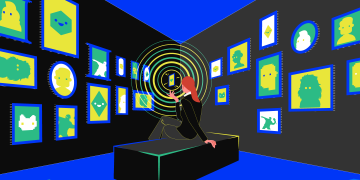
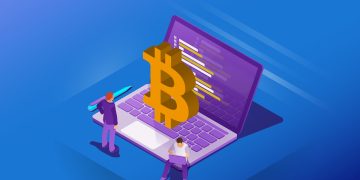
In recent years, the digital art and NFT (Non-Fungible Token) market has experienced explosive growth, revolutionizing the traditional art world. The emergence of blockchain technology and its integration with art has created an entirely new market that offers opportunities for both artists and collectors alike. NFTs, which are digital tokens that represent ownership of unique digital assets, have opened up new possibilities for artists to monetize their works and for collectors to own, sell, and trade art in ways that were previously impossible.
The NFT market’s rapid rise has captured the attention of art collectors, investors, tech enthusiasts, and even mainstream media, with some digital art pieces selling for millions of dollars. This unprecedented surge has sparked both excitement and skepticism, as traditional artists, art institutions, and critics navigate the implications of this new paradigm.
This article explores the explosion of the digital art and NFT market, delving into its history, the role of blockchain in this transformation, the opportunities it presents, and the challenges and controversies surrounding its rise. We will also examine how NFTs have impacted the art market, and what the future holds for digital art and NFTs in a rapidly evolving landscape.
Chapter 1: The Rise of Digital Art and NFTs
1.1. The Birth of Digital Art
Digital art has been around for decades, with artists using computers, software, and digital tools to create art. However, it wasn’t until the 2000s that digital art began to gain wider acceptance in the art world. Early digital artists created works using programs like Photoshop, Illustrator, and 3D modeling software, pushing the boundaries of traditional art forms and experimenting with virtual worlds and interactive installations.
While digital art was a valuable creative expression, it faced significant challenges in terms of ownership and monetization. Unlike physical art, digital files could be easily copied, making it difficult for artists to sell their works in a way that provided clear ownership or provenance.
1.2. The Emergence of NFTs
The concept of NFTs was first introduced in 2017, but it wasn’t until a few years later that they gained mainstream attention, largely due to their integration with the world of digital art. NFTs are unique cryptographic tokens stored on a blockchain, typically the Ethereum blockchain, that represent ownership or proof of authenticity of a specific digital asset, such as art, music, videos, or even virtual real estate.
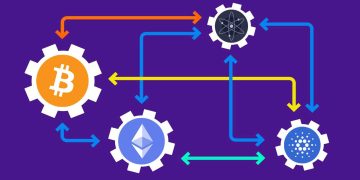
Unlike cryptocurrencies like Bitcoin or Ethereum, which are fungible (interchangeable), NFTs are non-fungible, meaning each one is unique and cannot be replaced by another. This uniqueness and verifiable ownership are what set NFTs apart, providing artists with a mechanism to sell and prove ownership of their digital works.
The NFT market exploded in 2021, with some digital artworks selling for millions of dollars. One of the most notable sales was Beeple’s “Everydays: The First 5000 Days,” which sold for an astonishing $69 million at Christie’s auction house. This event marked a significant turning point, propelling NFTs and digital art into the spotlight.
Chapter 2: Blockchain Technology and Its Role in NFTs
2.1. What is Blockchain?
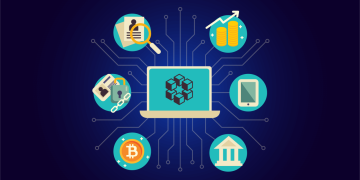
Blockchain is the underlying technology that enables NFTs to exist and thrive. A blockchain is a decentralized, distributed ledger that records transactions in a secure and transparent manner. Each transaction is recorded in a “block,” and these blocks are linked together in chronological order to form a chain. This ensures that the data recorded on the blockchain is immutable and cannot be altered, providing a tamper-proof record of transactions.
In the case of NFTs, blockchain technology ensures that the ownership and provenance of digital art can be securely tracked and verified. When an artist creates an NFT, the unique digital asset is linked to a specific blockchain address. This address serves as the public record of the artist’s ownership and the asset’s history.
2.2. How NFTs Work on the Blockchain
When an artist creates an NFT, they upload their digital artwork to a platform that supports NFTs, such as OpenSea, Rarible, or SuperRare. Once the artwork is uploaded, it is minted into an NFT, which means it is converted into a unique token on the blockchain. The NFT contains metadata, including information about the artwork, the artist, and the ownership history.
Once the NFT is created, it can be bought and sold on various NFT marketplaces, with each transaction being recorded on the blockchain. The buyer of the NFT becomes the new owner, and this ownership is verified through the blockchain. The key advantage here is that the blockchain provides provable ownership—no one can claim to own the NFT unless they possess the private key associated with the token.
2.3. The Role of Ethereum in NFTs
While NFTs can technically be built on various blockchains, the majority of NFTs are created on the Ethereum blockchain. Ethereum’s smart contract capabilities allow for the creation of decentralized applications (dApps) like NFT marketplaces, where digital assets can be bought, sold, and traded. The ERC-721 and ERC-1155 standards are commonly used for creating NFTs on Ethereum, enabling the creation of unique tokens with verifiable ownership.
Ethereum’s dominance in the NFT space is partly due to its early adoption and well-established infrastructure, which includes wallet services like MetaMask and NFT marketplaces such as OpenSea, Foundation, and Nifty Gateway. However, as the NFT market grows, other blockchains like Binance Smart Chain, Solana, and Flow are emerging as alternatives, offering lower transaction fees and faster speeds.
Chapter 3: The Impact of NFTs on the Art World
3.1. Democratization of Art
One of the most significant impacts of NFTs is the democratization of art. Traditional art markets have been dominated by galleries, auction houses, and wealthy collectors, making it difficult for emerging artists to gain recognition or sell their work. NFTs have disrupted this model by enabling artists to sell their work directly to a global audience without intermediaries.
- Global Access: Artists no longer need to rely on galleries or auction houses to sell their art. Platforms like OpenSea and Rarible provide a global marketplace where anyone can buy or sell NFTs, giving artists exposure to a wider audience.
- Lower Barriers to Entry: The ability to mint and sell NFTs is relatively low-cost, especially compared to the expenses associated with traditional art galleries or physical exhibitions. This has allowed many emerging digital artists to break into the art world without needing access to traditional avenues of promotion and sales.
3.2. New Revenue Models for Artists
NFTs provide artists with new revenue streams that were previously unavailable in the digital art world. In addition to selling their art, artists can incorporate smart contracts that allow them to earn royalties every time their work is resold on secondary markets. This ensures that artists continue to benefit from their work even after the initial sale, something that is not possible with traditional art sales.
- Royalties: One of the key features of NFTs is the ability to include a royalty percentage in the smart contract. Whenever the NFT is resold, the original artist receives a percentage of the sale price. This is a revolutionary concept that allows artists to profit from their creations in perpetuity.
3.3. Rethinking Art Ownership
NFTs also challenge traditional notions of art ownership. While owning a physical painting or sculpture means having a tangible object, owning an NFT means possessing a digital asset that exists in a decentralized, digital space. This raises questions about the value and significance of digital ownership and the distinction between owning a physical object versus owning a digital file.
The advent of NFTs has led to a shift in how art is perceived. While traditional collectors may still prefer physical artworks, digital art and NFTs offer a unique form of ownership that is verifiable and transparent. For many collectors, owning an NFT is just as valuable as owning a physical artwork, if not more so.
Chapter 4: The NFT Market Explosion
4.1. The Surge in NFT Sales
The NFT market saw an explosive growth trajectory in 2021, with the total sales volume of NFTs reaching $17.6 billion—a staggering increase from $250 million in 2020. This surge was driven by a variety of factors, including increased interest from high-profile artists, celebrities, and institutions, as well as growing awareness of NFTs in mainstream culture.
- Celebrity Involvement: Many well-known figures, including musicians, athletes, and digital artists, have embraced NFTs as a way to engage with fans and monetize their work. For example, musicians like Grimes and Kings of Leon have released exclusive NFT music albums, while athletes like LeBron James and Tom Brady have launched their own NFT collections.
- Institutional Interest: Established institutions like Christie’s and Sotheby’s began auctioning high-profile NFTs, signaling the mainstream acceptance of NFTs as legitimate assets. The sale of Beeple’s “Everydays” for $69 million at Christie’s was a watershed moment, demonstrating that digital art can command the same prices as traditional masterpieces.
4.2. The Role of NFT Marketplaces
NFT marketplaces like OpenSea, Rarible, and Foundation have played a critical role in the explosion of the NFT market. These platforms facilitate the buying, selling, and minting of NFTs, providing a user-friendly interface for artists and collectors alike.
- OpenSea: As one of the largest NFT marketplaces, OpenSea has facilitated billions of dollars in transactions, offering everything from art to virtual land and gaming assets.
- Rarible: Known for its community-centric approach, Rarible allows users to create, sell, and collect NFTs while also incorporating a governance token that gives the community a say in the platform’s direction.
4.3. The Environmental Impact
While NFTs offer many advantages, their environmental impact has been a subject of significant concern. Ethereum, the primary blockchain for NFTs, uses a Proof of Work (PoW) consensus mechanism, which is energy-intensive and contributes to carbon emissions. However, efforts are underway to address this issue, including Ethereum’s transition to Proof of Stake (PoS), which promises to significantly reduce its energy consumption.
Chapter 5: The Future of Digital Art and NFTs
5.1. Mainstream Adoption
The future of NFTs and digital art is likely to see continued mainstream adoption. As the technology matures and more artists and collectors embrace NFTs, the market for digital art will become even more established. We can expect further integration of NFTs in sectors like gaming, virtual reality (VR), and augmented reality (AR), offering even more opportunities for digital creators.
5.2. Regulation and Legal Frameworks
As the NFT market grows, there will likely be an increasing need for regulation and legal frameworks to protect both artists and collectors. Issues such as intellectual property rights, fraud prevention, and consumer protection will need to be addressed to ensure the long-term sustainability of the NFT market.
5.3. The Metaverse and Virtual Art Spaces
With the rise of the Metaverse—virtual worlds where users can interact, socialize, and transact—NFTs will likely play a central role in virtual real estate and digital art galleries. Artists will be able to create and sell virtual art that can be displayed in immersive digital environments, further bridging the gap between physical and digital art.
Conclusion
The explosion of digital art and NFTs has changed the art world forever. By leveraging blockchain technology, artists can now create, sell, and prove ownership of their digital works in ways that were once unimaginable. While the NFT market faces challenges, such as environmental concerns and regulatory uncertainty, its potential to revolutionize the art world is undeniable. As the market matures, NFTs will continue to offer exciting opportunities for artists, collectors, and investors alike, shaping the future of digital art and redefining the concept of ownership in the 21st century.